4 hrs
Rome
Rome: Private Food & Aperitivo Tour with Vatican Views
✓ Free cancellation Kids friendly
5.0(18 reviews)
From €288/ person
Book Now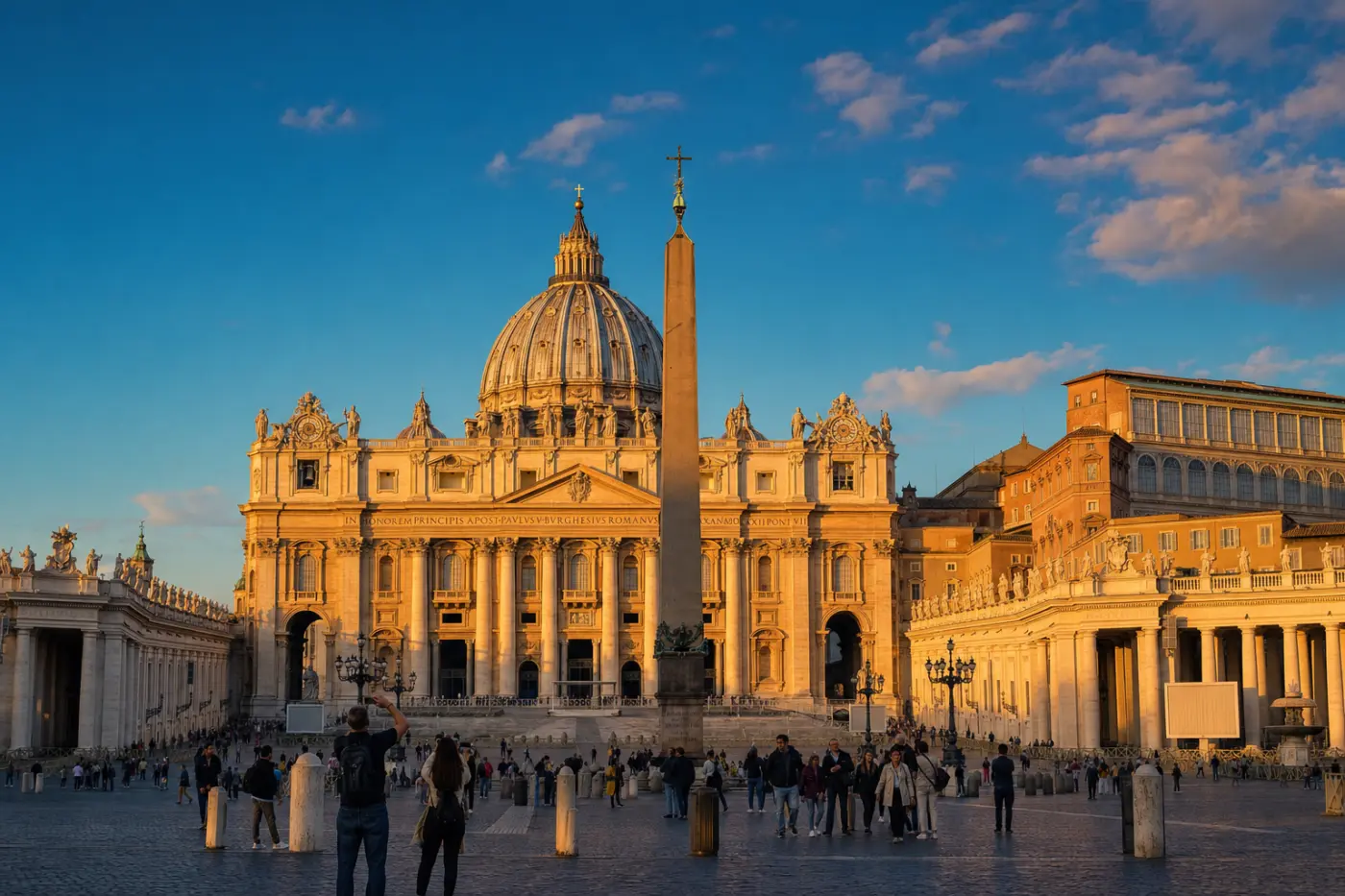
Tourist attraction
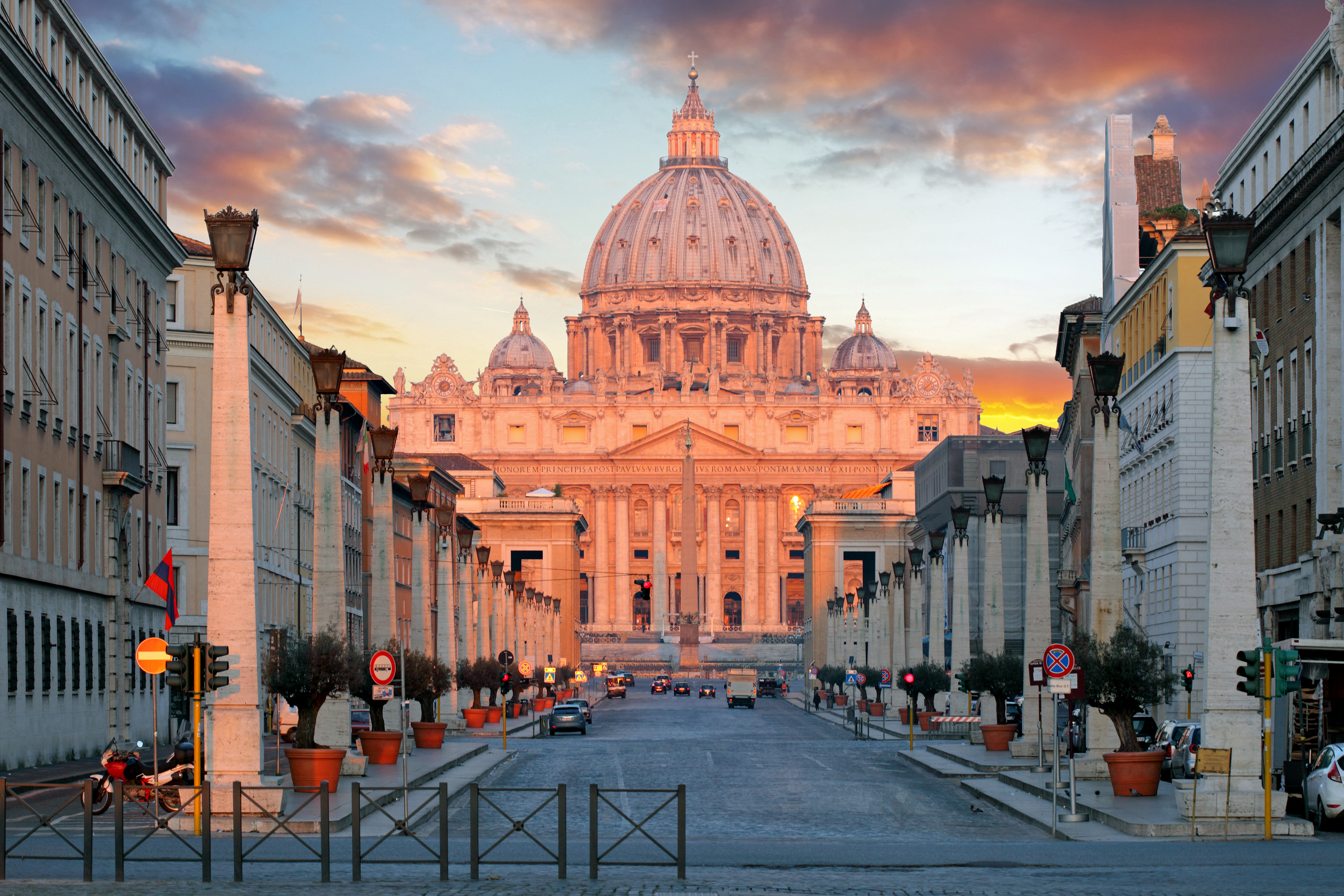
Saint Peter's Basilica is the preeminent sacred building of the Roman Catholic Church and the largest church in the world by interior volume — approximately 5.7 million cubic feet — standing at the heart of Vatican City on the west bank of the Tiber River in Rome. Its origins trace to the Emperor Constantine I, who in 326 AD ordered the construction of a basilica directly over the necropolis where the Apostle Peter was believed to have been buried after his martyrdom around 64–68 AD during Nero's persecutions. That original Constantinian basilica stood for over a millennium before Pope Julius II made the audacious decision in 1506 to demolish it entirely and build something far grander in its place. The cornerstone of the new basilica was laid on April 18, 1506 — a project so vast it would consume 120 years, the talents of at least 20 architects, and the labor of thousands of workers before its completion in 1626 under Pope Urban VIII.
The architectural history of the present basilica reads like a who's who of Italian Renaissance and Baroque genius. Donato Bramante drew the first plans, envisioning a Greek-cross layout crowned by an enormous dome. After Bramante's death in 1514, the commission passed through Raphael, Antonio da Sangallo the Younger, and Baldassare Peruzzi before Pope Paul III appointed Michelangelo as chief architect in 1547, when the artist was already 72 years old. Michelangelo returned to Bramante's central-plan concept and redesigned the iconic double-shell dome, though he died in 1564 before it was raised. Giacomo della Porta and Domenico Fontana completed the dome between 1588 and 1590, slightly steepening Michelangelo's profile to give it the soaring silhouette visible across Rome today. Carlo Maderno subsequently extended the nave to create the Latin-cross plan and designed the monumental travertine façade, finished in 1612. The final transformation came at the hands of Gian Lorenzo Bernini, who between 1656 and 1667 laid out the sweeping elliptical colonnade of 284 columns and 88 pilasters that embraces Saint Peter's Square — a Baroque gesture of the Church opening its arms to the faithful. Inside the basilica, Bernini also designed the towering bronze baldachin (1623–1634), a 98-foot canopy of twisted Solomonic columns standing over the high altar and, directly below, the confessio marking Peter's tomb.
The interior shelters an extraordinary density of art and relics. Michelangelo's Pietà (1498–1499), carved when the artist was just 24, occupies the first chapel to the right of the entrance and remains the only work he ever signed — his name is inscribed on the sash across the Virgin's chest. The church contains 11 papal tombs and monuments to dozens of pontiffs, including Antonio Pollaiuolo's bronze tombs of Sixtus IV (1493) and Innocent VIII. At the crossing, four massive piers — each roughly the size of a city block — support the dome and house statues of saints Longinus, Helena, Veronica, and Andrew, each related to a major relic kept in the Vatican. The Clementine Chapel holds the tomb of Saint Gregory the Great, while 91 meters (300 feet) below the basilica floor, the Vatican Necropolis — accessible only by advance reservation — preserves a layered sequence of ancient Roman mausolea and, at its deepest level, a second-century memorial structure archaeologists have identified as the Aedicula, the probable burial site of Peter himself.
Visitors enter the basilica free of charge, though strict dress code enforcement applies: knees and shoulders must be covered. The dome is climbable via 551 steps (or 320 steps with an elevator to the terrace level), and the panoramic view from the lantern over Rome is among the finest in the city. The Treasury Museum on the south side of the basilica displays vestments, reliquaries, and historical artifacts including the 4th-century bronze sarcophagus of Junius Bassus. Tours of the Vatican Necropolis require booking weeks in advance directly through the Vatican's Excavations Office (Ufficio Scavi). Daily papal Masses are celebrated, and when the Pope presides over liturgies in the square, admission to the piazza is free but crowd management is strict. Arrive early — ideally before 8 AM — to walk the nave in relative quiet before the main tourist rush fills the 60,000-person capacity basilica.
Private tours with a local guide, at your own pace.
Rome

Rome
Rome
Rome
Rome

Rome
Rome
Rome
Rome
Rome
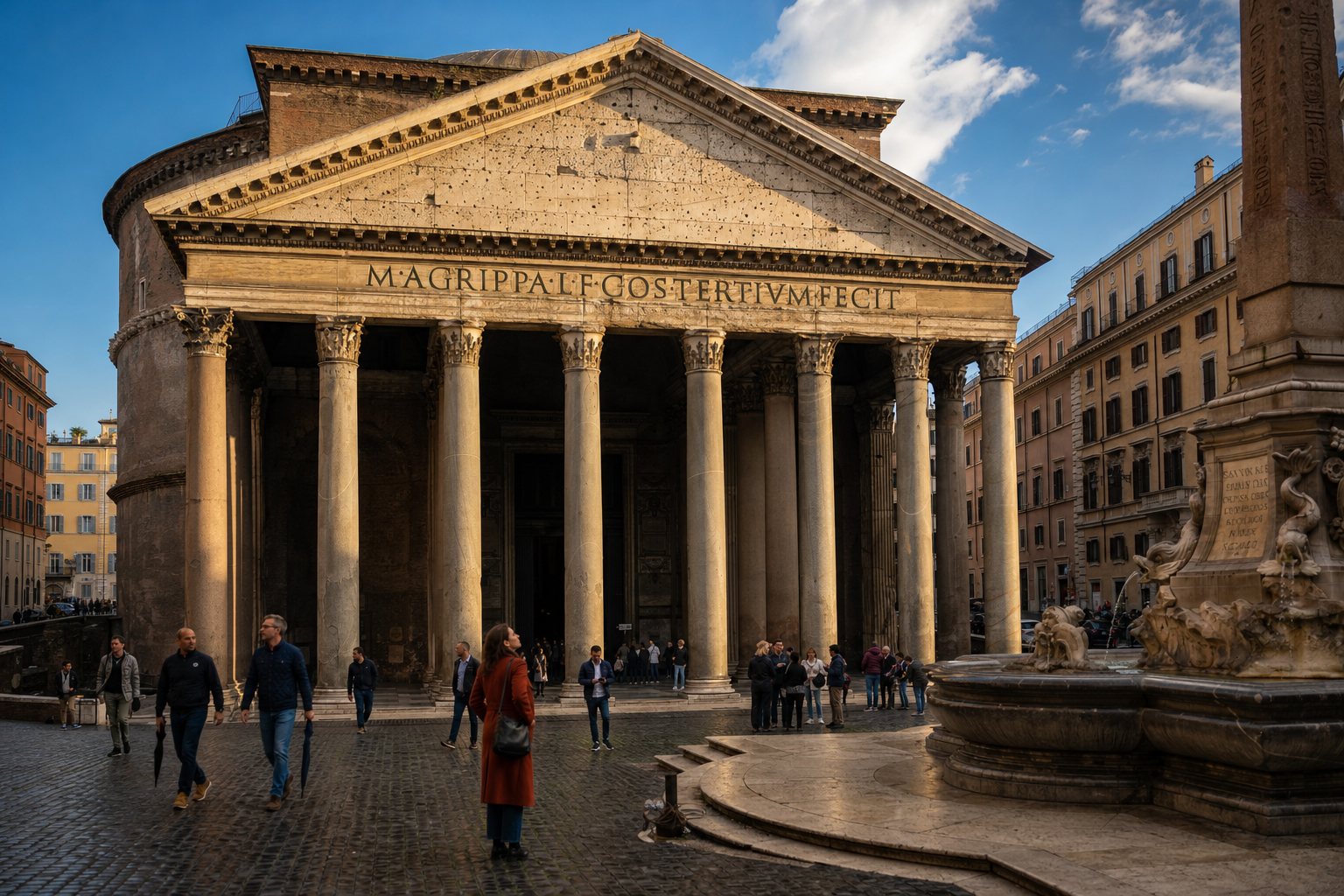
On the afternoon of 2 November 1950, Rome received 108mm of rain in a single day — one of the heaviest downpours in the city's recorded history. Locals ducked into trattorias, lingered over lunch, and emerged hours later to find the Sampietrini cobblestones of the historic center gleaming like polished obsidian. Here's the thing no travel guide tells you: rain doesn't ruin Rome. It transforms it. The same city that feels exhausting under July heat — queues snaking past the Trevi Fountain, tour groups stacked three-deep at the Pantheon — becomes something quieter, moodier, and far more liveable when clouds roll in off the Tyrrhenian Sea. Rome averages around 800mm of rainfall per year, with October, November, and February forming the wettest windows. That means millions of visitors each year encounter rain, yet most arrive with no plan beyond panic. This guide is that plan.
Read more →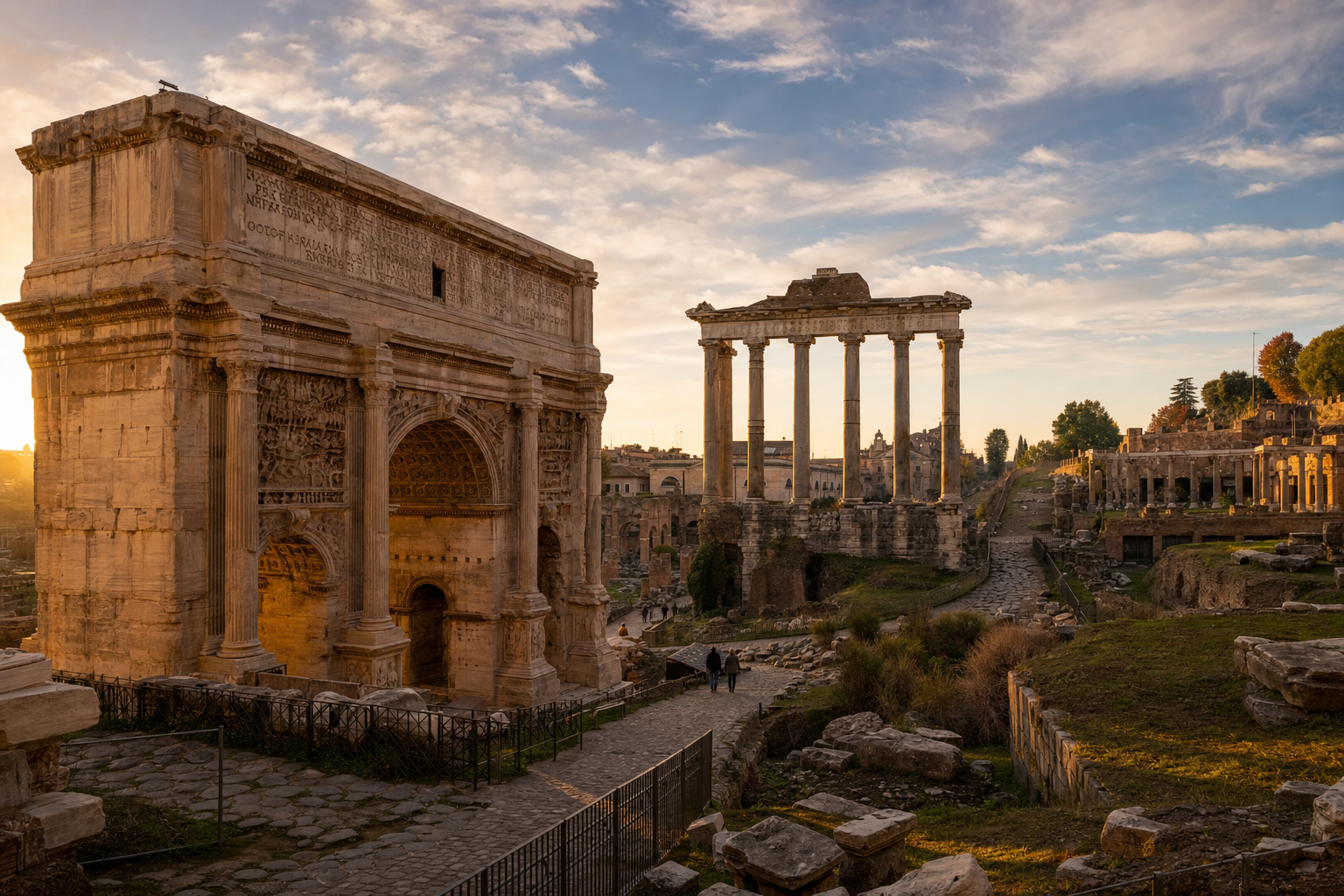
Rome was not built in a day — and it cannot be truly experienced in one either. Founded, according to tradition, on 21 April 753 BC, the city has been welcoming visitors for over two millennia, yet the question of when to go remains as contested as the Senate floor once was. Average annual tourist arrivals at the Colosseum alone exceed 7 million, meaning timing your visit is not a minor detail — it is everything. July temperatures regularly breach 35°C on the cobblestones of the Roman Forum, while a wet November morning at the Fontana di Trevi can feel like a private audience with Anita Ekberg's ghost. Each month carries its own character, crowd density, price point, and light quality. This guide cuts through the noise with specific facts, seasonal realities, and honest advice drawn from years of walking Rome's streets — so you arrive at exactly the right moment for the trip you actually want.
Read more →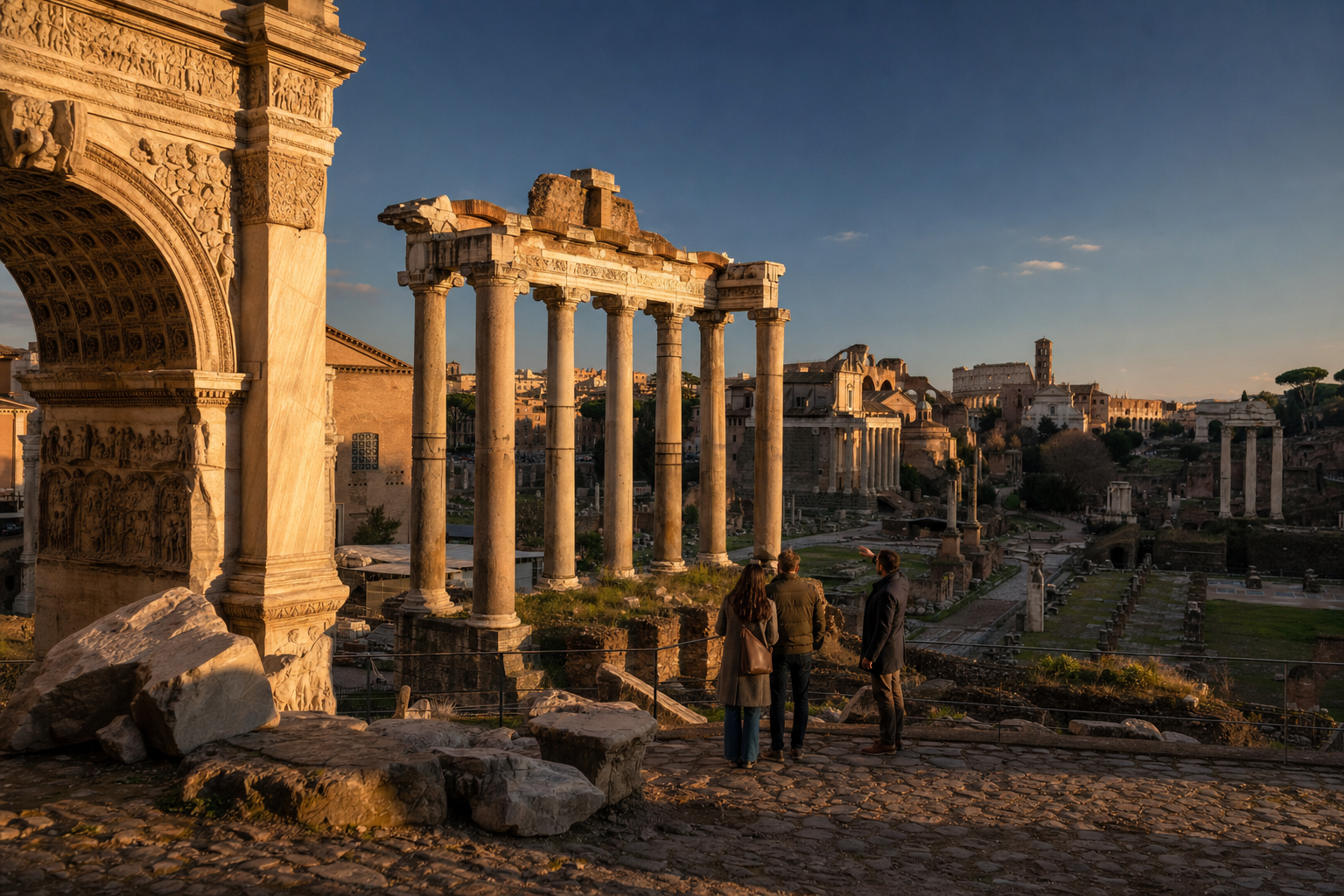
In 27 BC, Augustus Caesar famously boasted that he had found Rome a city of brick and left it a city of marble. What he didn't mention was that the city already contained several hundred years of Republican-era stone beneath his feet — and that future emperors, popes, and Renaissance architects would keep adding layers on top for the next two millennia. Today, Rome packs more than 2,000 years of continuous civilisation into 1,287 km², making it arguably the most historically dense urban environment on Earth. That density is precisely the problem with seeing it quickly, on a coach, in a crowd of strangers following a flag on a stick. Every piazza hides a deeper story. Every church floor covers an older church floor. Private tours in Rome don't just make the experience more comfortable — they make it genuinely comprehensible, turning a blur of ancient stones into a living, breathing city you actually understand.
Read more →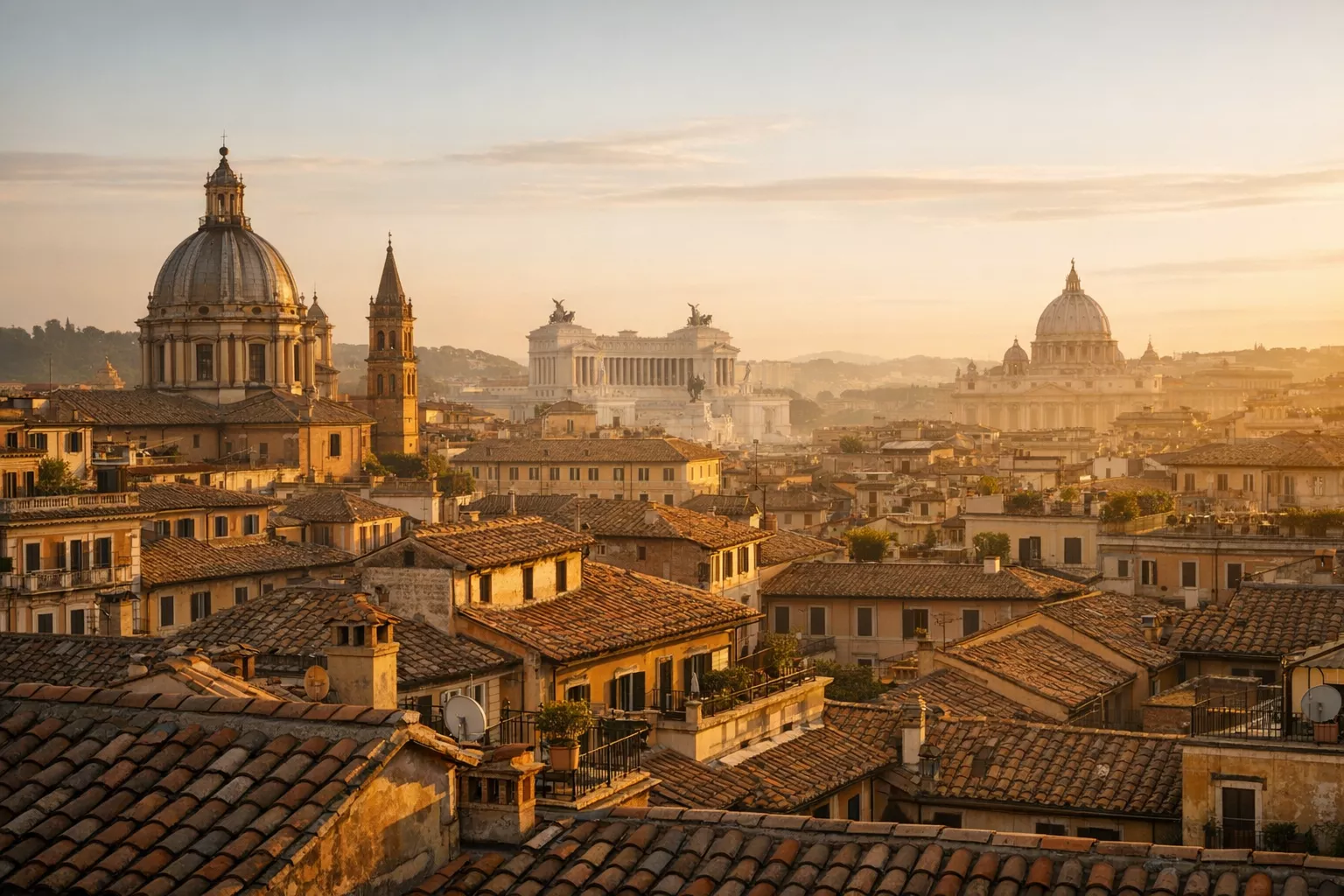
Discover the charm and beauty of Rome with our ultimate guide on what to do in this historic city. From iconic landmarks to hidden gems, we've got you covered with exciting tours and activities.
Read more →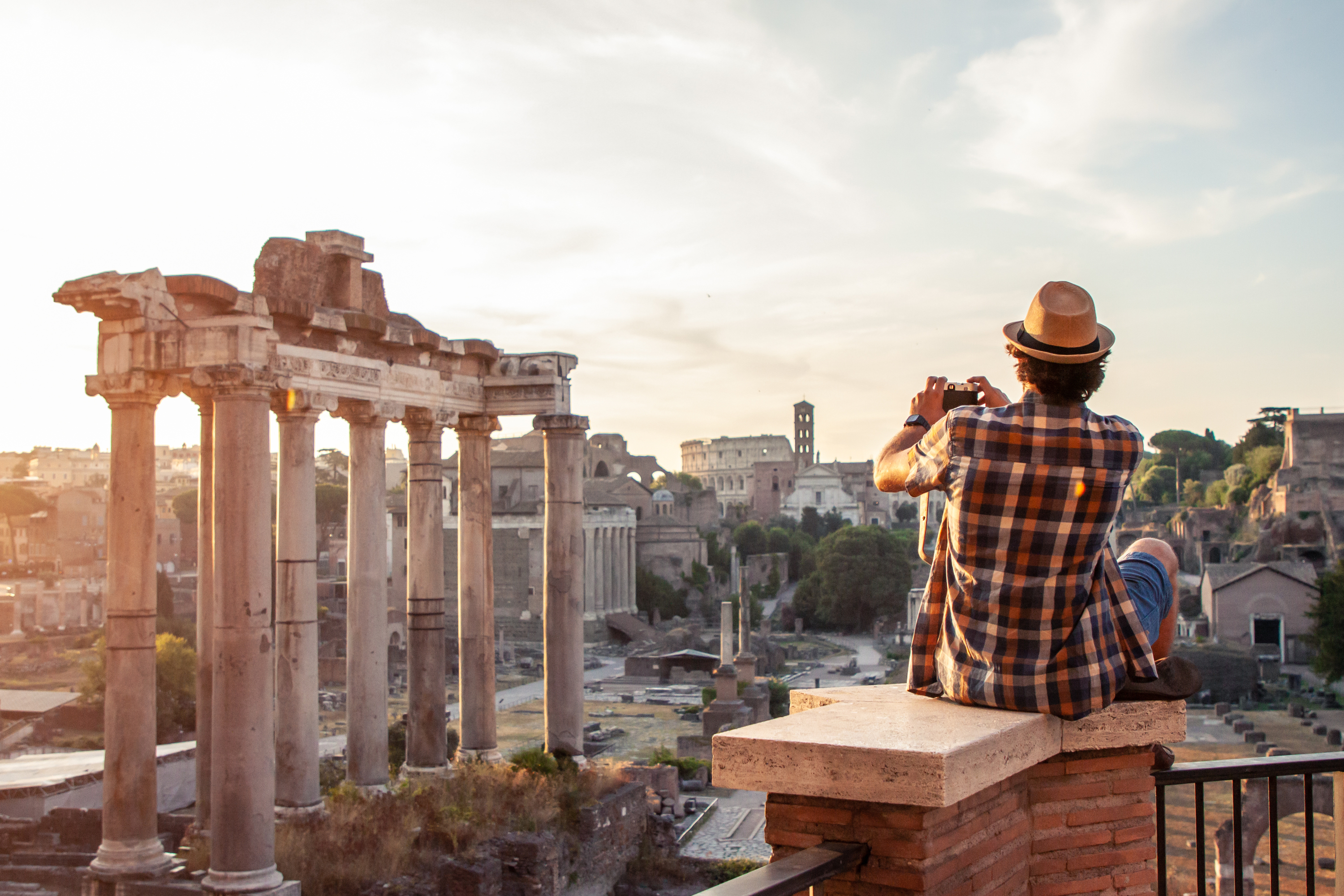
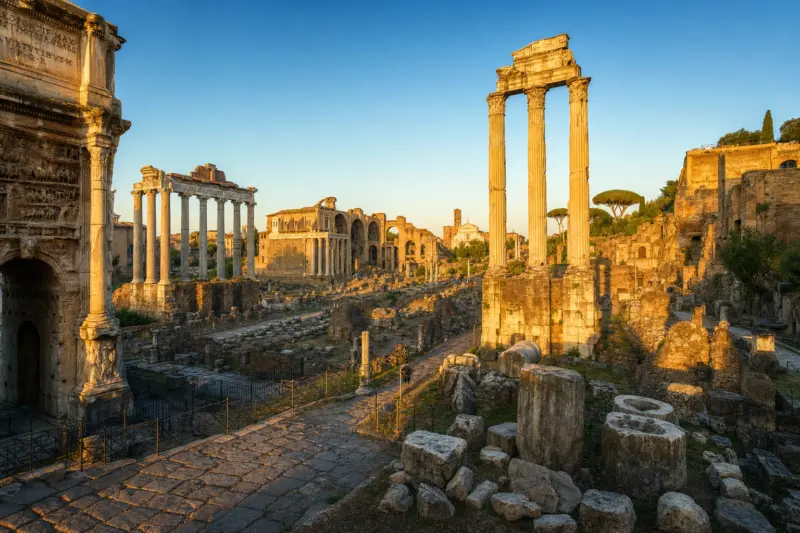
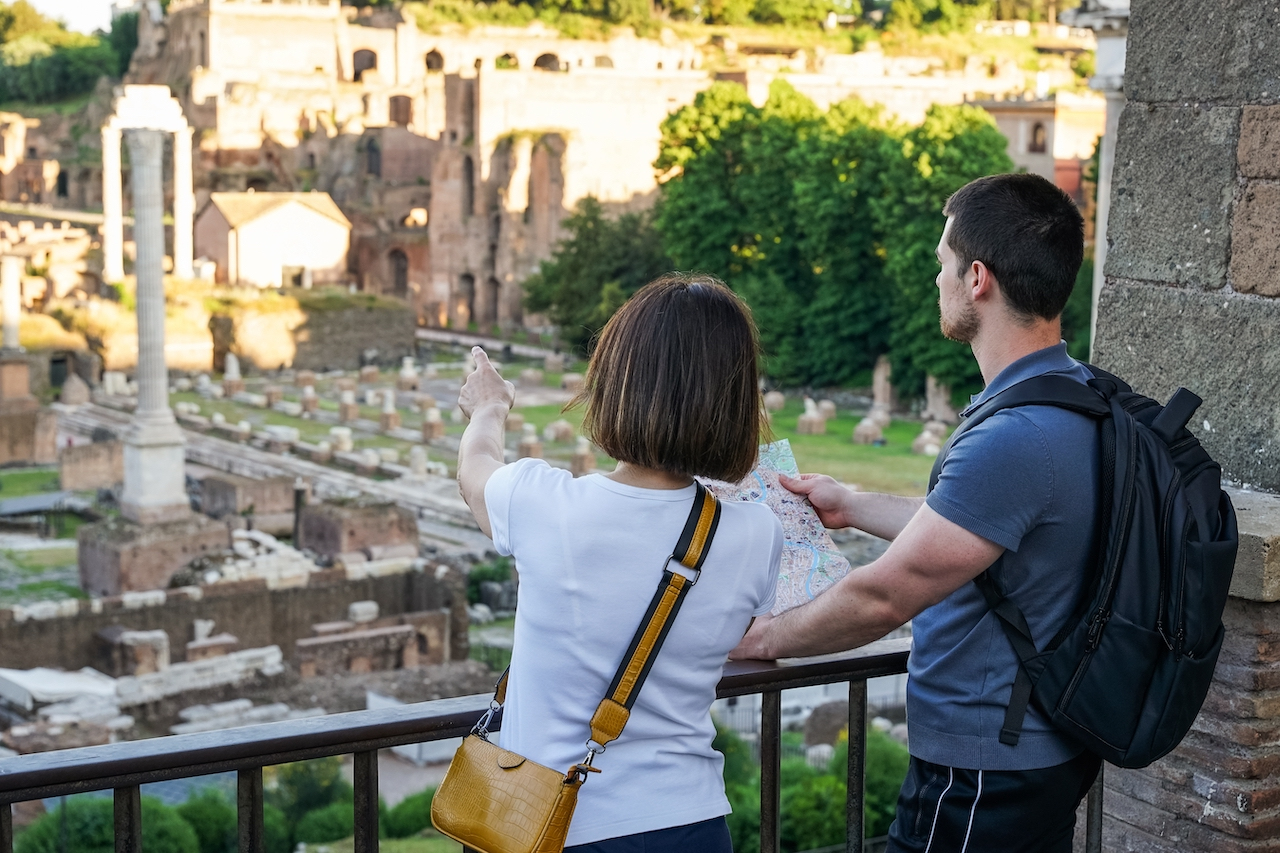
The Forum, the Colosseum and the Palatine are the three great archaeological sites that are preserved in the city of Rome. The concepts of "Forum" (the Roman Forum) or "The Forums" (the Imperial Forums), are difficult to understand what was done in them and how their spaces were organized. What is the difference between the traditional Roman Forum and the so-called Imperial Forums?
Read more →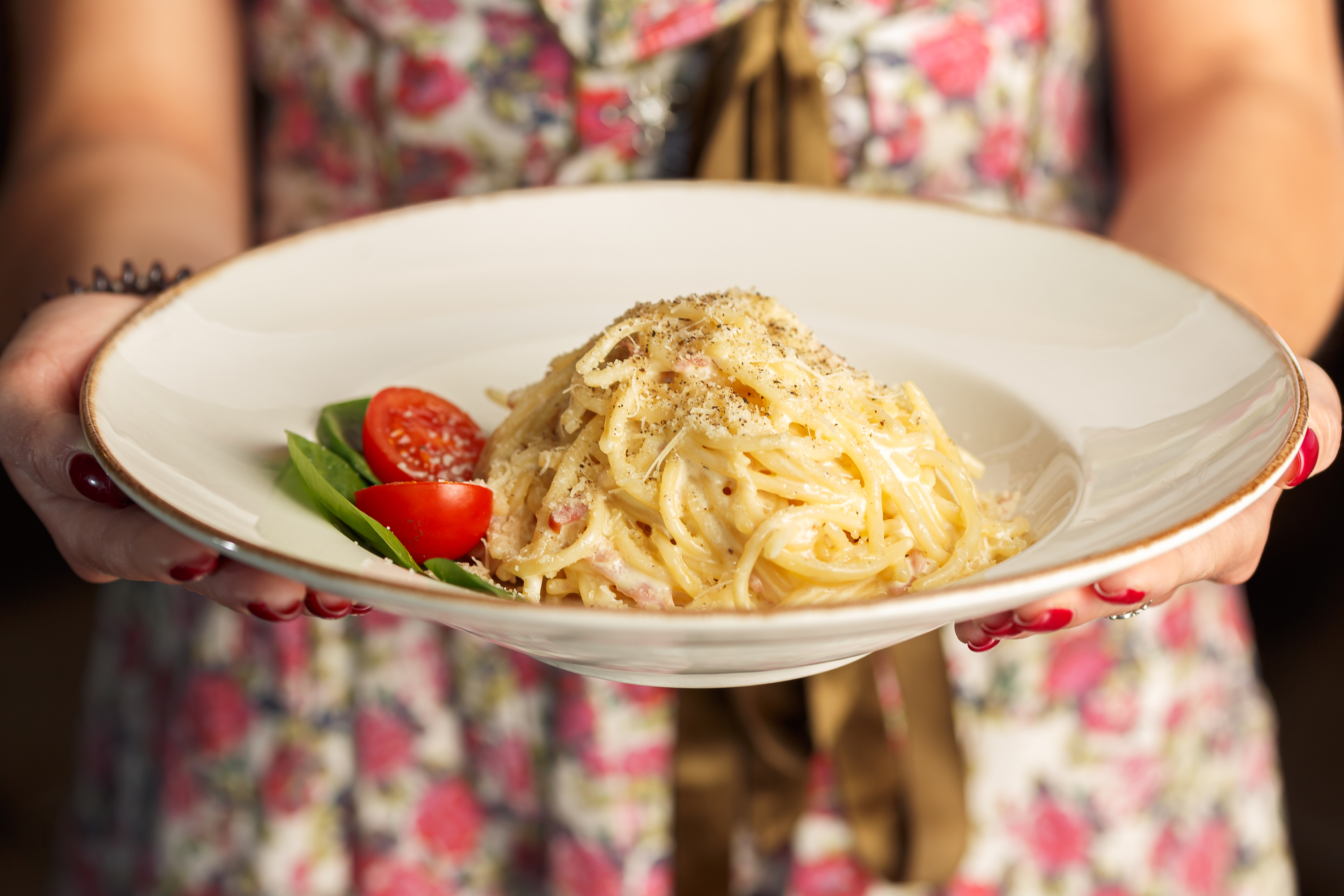
If you travel around Rome, there are dishes that you should not miss for anything in the world. Its typical dishes are very tasty and nutritious as they are very old recipes that have their origin in the villages of the region: they were thought to meet the great energy needs of the peasants. Due to this 'poor' origin, the typical dishes of the Roman cuisine are usually simple, they are made with very daily ingredients and often rich in cholesterol. It is very difficult to make a selection of recommended dishes... but we will give it a try!
Read more →We use a single cookie, to remember this choice. We do not use analytics or advertising cookies. Read our cookie policy.