3 hrs
Rome
Private Cooking Class with Colosseum Views and Local Chef
✓ Free cancellation Kids friendly
4.7(19 reviews)
From €223/ person
Book Now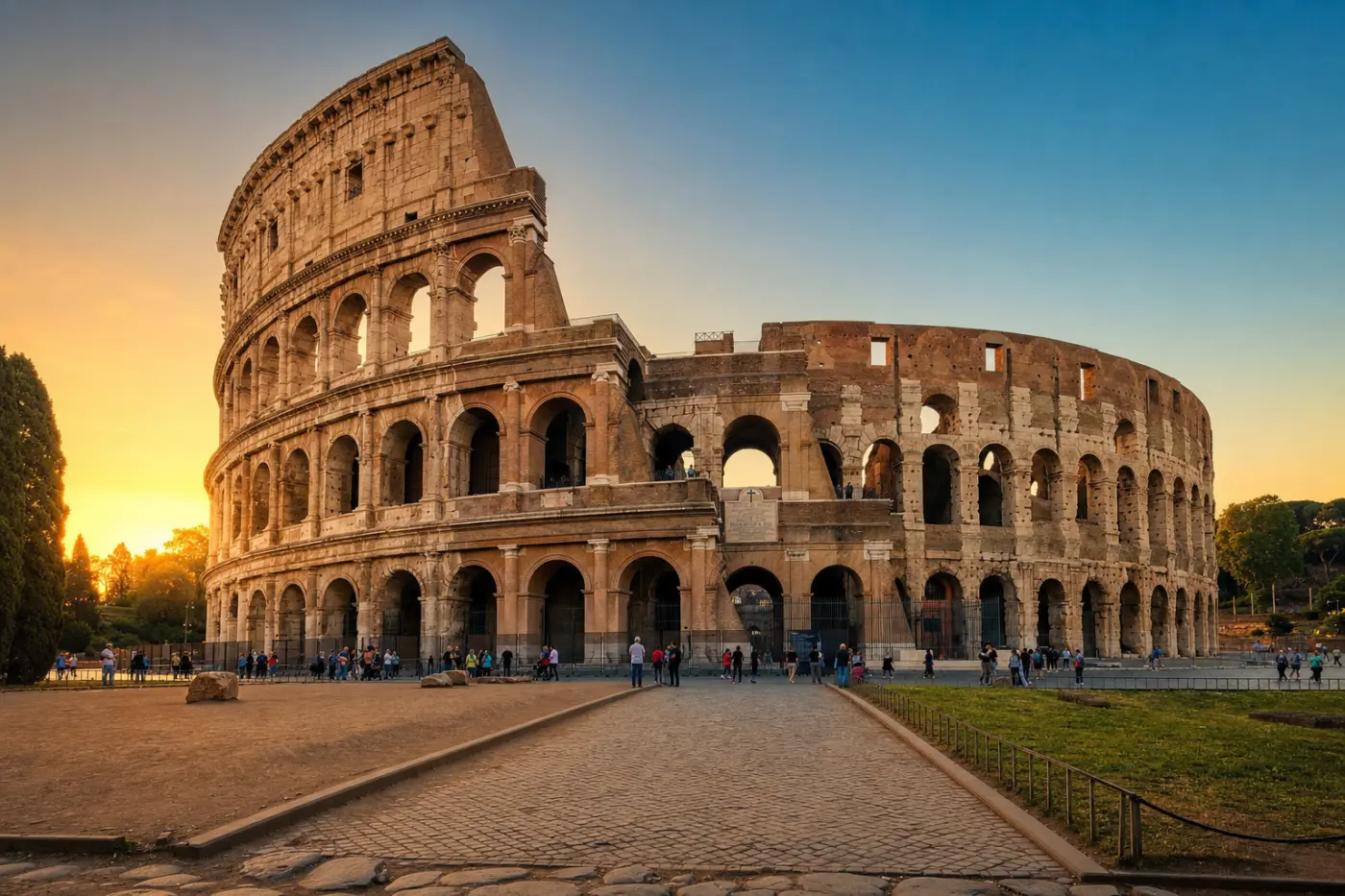
Tourist attraction
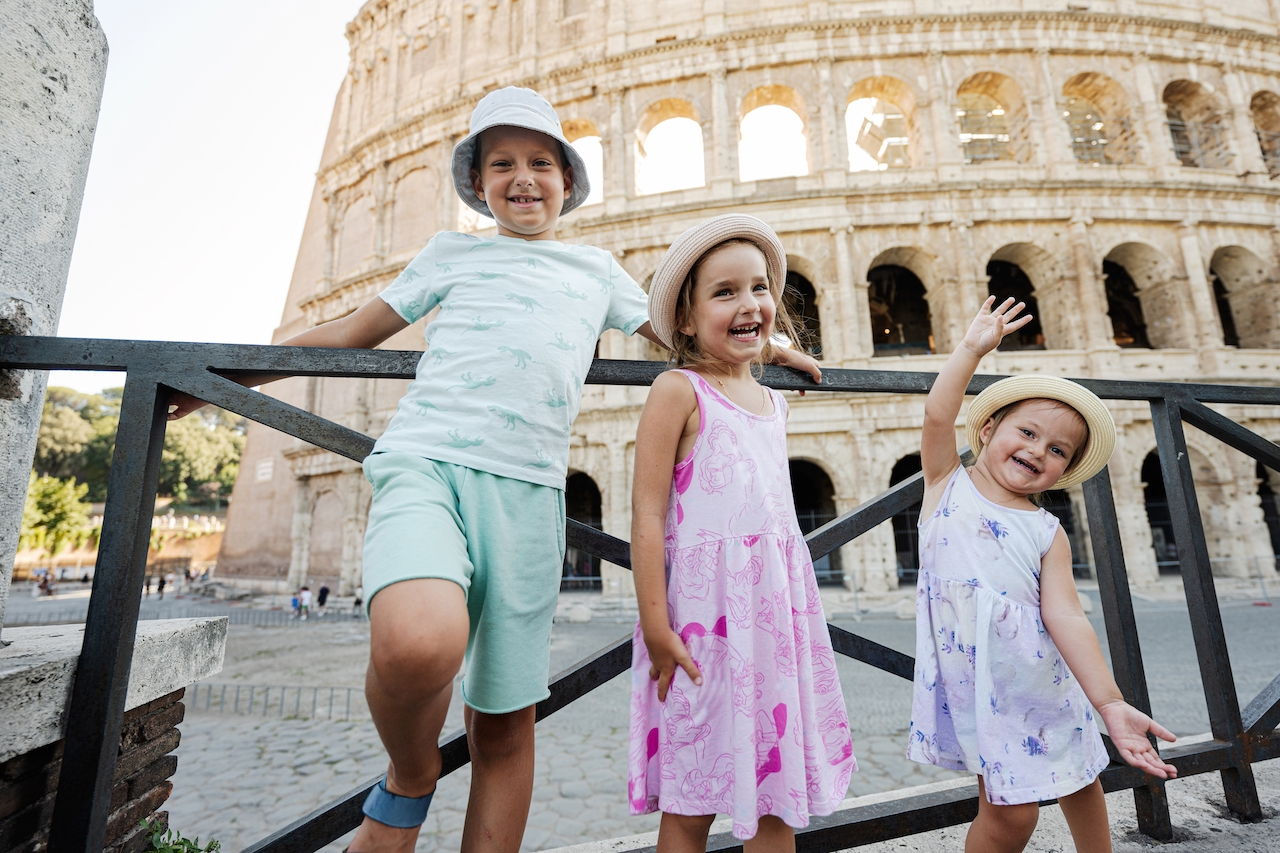
Originally known as the Flavian Amphitheater, the Colosseum was commissioned by Emperor Vespasian of the Flavian dynasty in 72 AD on the drained site of Nero's private artificial lake — a deliberate political act returning land seized for the despised emperor's Domus Aurea palace to the Roman people. Vespasian died before its completion, and his son Emperor Titus inaugurated it in 80 AD with 100 consecutive days of games. A third Flavian emperor, Domitian, later added the hypogeum — the labyrinthine underground network of tunnels and cages beneath the arena floor — as well as a fourth seating tier. The name "Colosseum" itself is believed to derive not from the building's size, but from the Colossus of Nero, a 30-meter-tall gilded bronze statue that once stood beside it. Construction relied heavily on an estimated 60,000 to 100,000 Jewish slaves brought to Rome following the sack of Jerusalem in 70 AD during the First Jewish-Roman War.
The structure is a masterwork of Roman engineering. Elliptical in plan at 189 meters long, 156 meters wide, and 48.5 meters tall, it covers roughly 6 acres and held between 50,000 and 80,000 spectators seated by social class — senators at the front on marble thrones, women and the poor at the uppermost tiers. Its facade features three stacked orders of engaged columns — Doric, Ionic, and Corinthian — each level pierced by 80 arched openings, 76 of which were originally numbered in Roman numerals to guide ticketholders to their sections. The arena floor, which no longer survives, was wooden and sand-covered (the Latin word harena means "sand"), concealing the hypogeum below where gladiators, animals, and stage machinery were held. A retractable awning called the velarium, operated by sailors from the fleet at Misenum, shaded the crowd from the Mediterranean sun.
For nearly four centuries, the Colosseum hosted gladiatorial combat (munera), wild animal hunts (venationes) involving lions, elephants, rhinoceroses, and giraffes shipped from across the empire, and public executions of criminals and prisoners of war. It is estimated that over 400,000 people and more than one million animals died within its walls during its operational life. The last recorded gladiatorial games took place in 435 AD; animal hunts continued until 523 AD. Afterward, the structure was repurposed as a quarry — its travertine limestone, iron clamps, and marble stripped for use in St. Peter's Basilica and other Renaissance projects — accounting for the significant missing sections of its outer ring visible today.
Modern visitors enter through the same 76 numbered archways that Roman citizens used and can access the arena floor level, the tiered seating galleries, and — with specialized tickets — the underground hypogeum, where the original elevator shafts and animal pens remain. The third-tier gallery offers the most complete view of the elliptical interior and the axial alignment toward the Roman Forum beyond. Book timed-entry tickets well in advance, as daily visitor numbers are capped. A single ticket also grants access to the Roman Forum and Palatine Hill, both a short walk away, and is valid across two consecutive days. The nearest Metro stop is Colosseo on Line B, directly across the Via Sacra from the main entrance.
Private tours with a local guide, at your own pace.
Rome
Rome
Rome
Rome

Rome
Rome
Rome
Rome

Rome
Rome
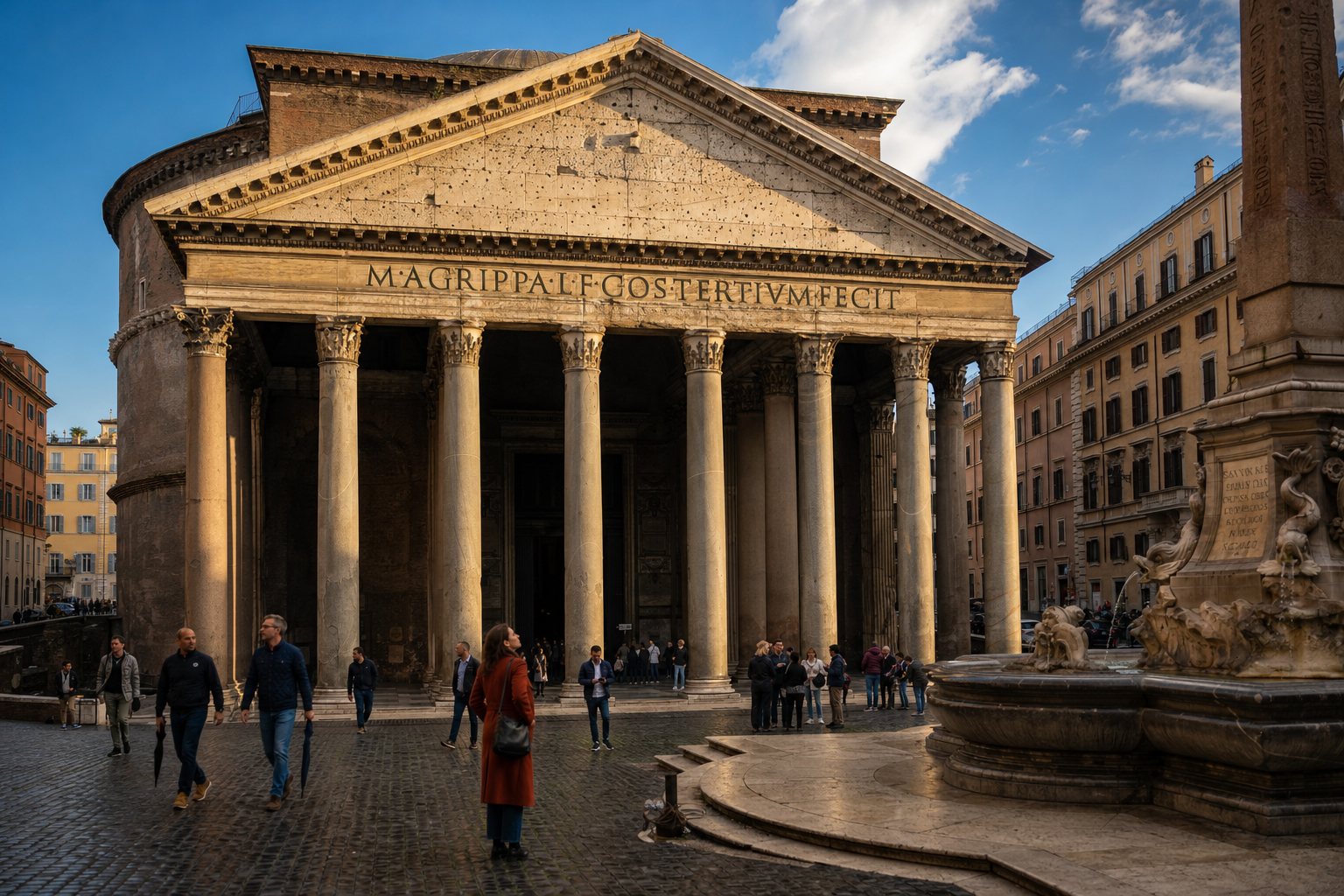
On the afternoon of 2 November 1950, Rome received 108mm of rain in a single day — one of the heaviest downpours in the city's recorded history. Locals ducked into trattorias, lingered over lunch, and emerged hours later to find the Sampietrini cobblestones of the historic center gleaming like polished obsidian. Here's the thing no travel guide tells you: rain doesn't ruin Rome. It transforms it. The same city that feels exhausting under July heat — queues snaking past the Trevi Fountain, tour groups stacked three-deep at the Pantheon — becomes something quieter, moodier, and far more liveable when clouds roll in off the Tyrrhenian Sea. Rome averages around 800mm of rainfall per year, with October, November, and February forming the wettest windows. That means millions of visitors each year encounter rain, yet most arrive with no plan beyond panic. This guide is that plan.
Read more →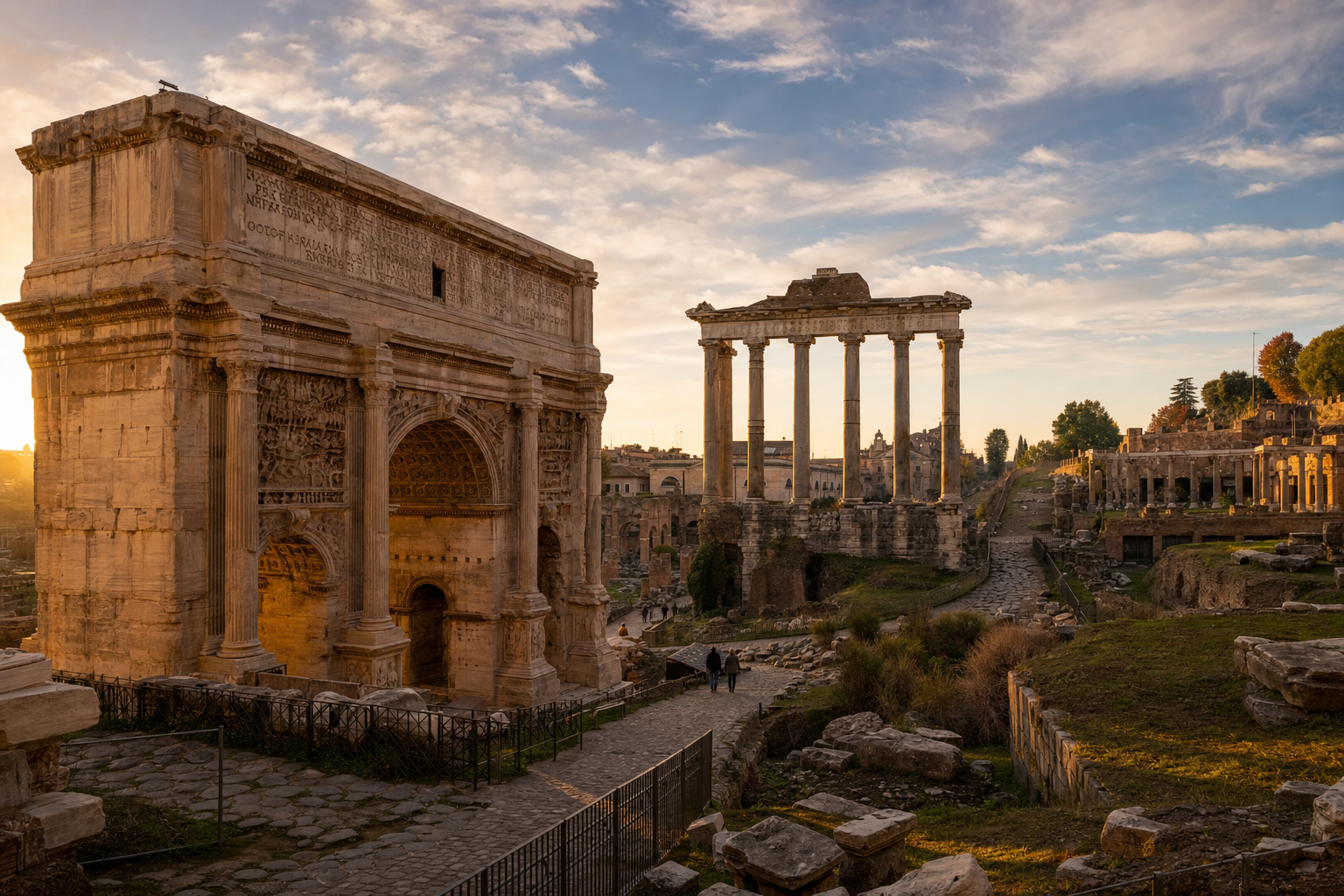
Rome was not built in a day — and it cannot be truly experienced in one either. Founded, according to tradition, on 21 April 753 BC, the city has been welcoming visitors for over two millennia, yet the question of when to go remains as contested as the Senate floor once was. Average annual tourist arrivals at the Colosseum alone exceed 7 million, meaning timing your visit is not a minor detail — it is everything. July temperatures regularly breach 35°C on the cobblestones of the Roman Forum, while a wet November morning at the Fontana di Trevi can feel like a private audience with Anita Ekberg's ghost. Each month carries its own character, crowd density, price point, and light quality. This guide cuts through the noise with specific facts, seasonal realities, and honest advice drawn from years of walking Rome's streets — so you arrive at exactly the right moment for the trip you actually want.
Read more →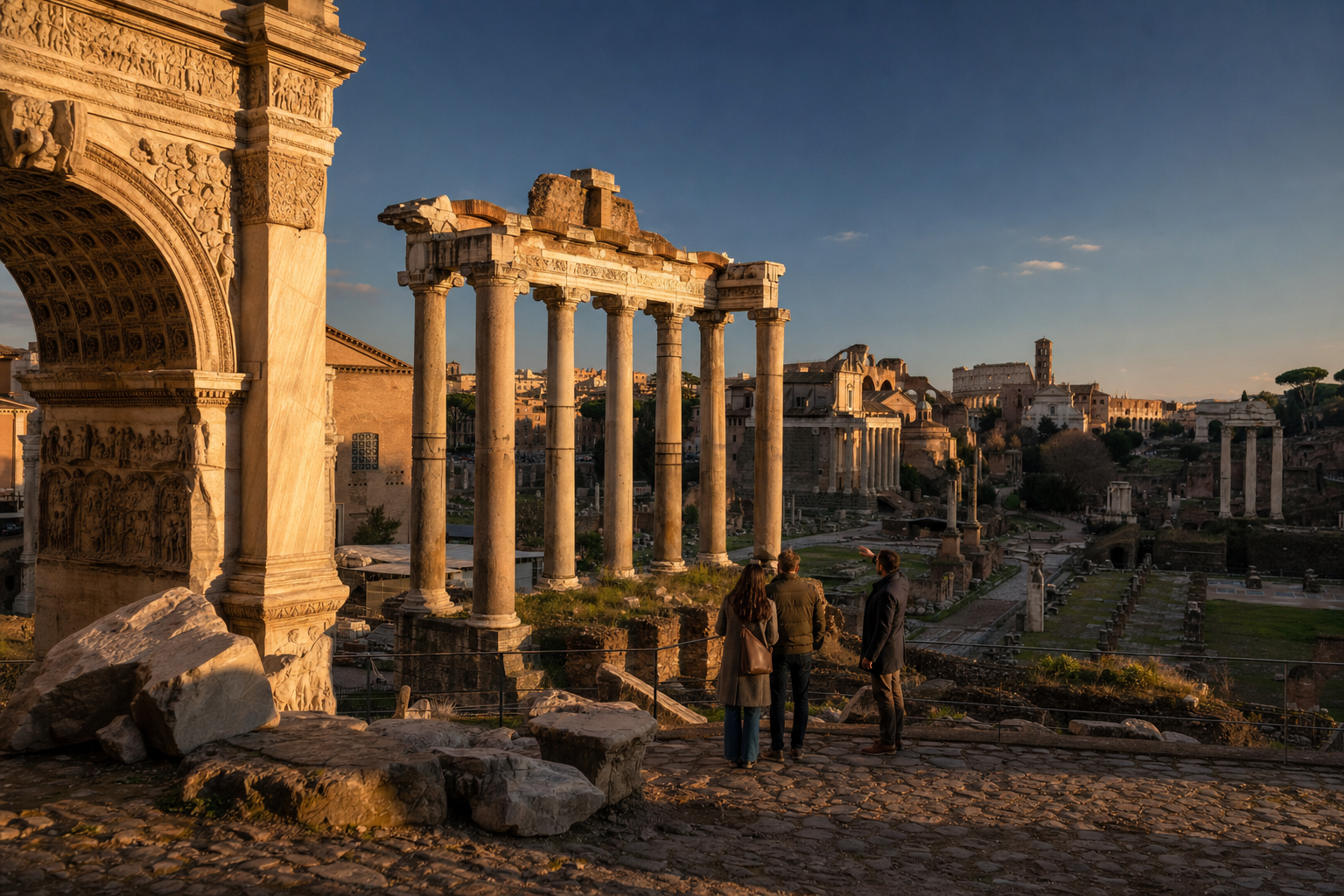
In 27 BC, Augustus Caesar famously boasted that he had found Rome a city of brick and left it a city of marble. What he didn't mention was that the city already contained several hundred years of Republican-era stone beneath his feet — and that future emperors, popes, and Renaissance architects would keep adding layers on top for the next two millennia. Today, Rome packs more than 2,000 years of continuous civilisation into 1,287 km², making it arguably the most historically dense urban environment on Earth. That density is precisely the problem with seeing it quickly, on a coach, in a crowd of strangers following a flag on a stick. Every piazza hides a deeper story. Every church floor covers an older church floor. Private tours in Rome don't just make the experience more comfortable — they make it genuinely comprehensible, turning a blur of ancient stones into a living, breathing city you actually understand.
Read more →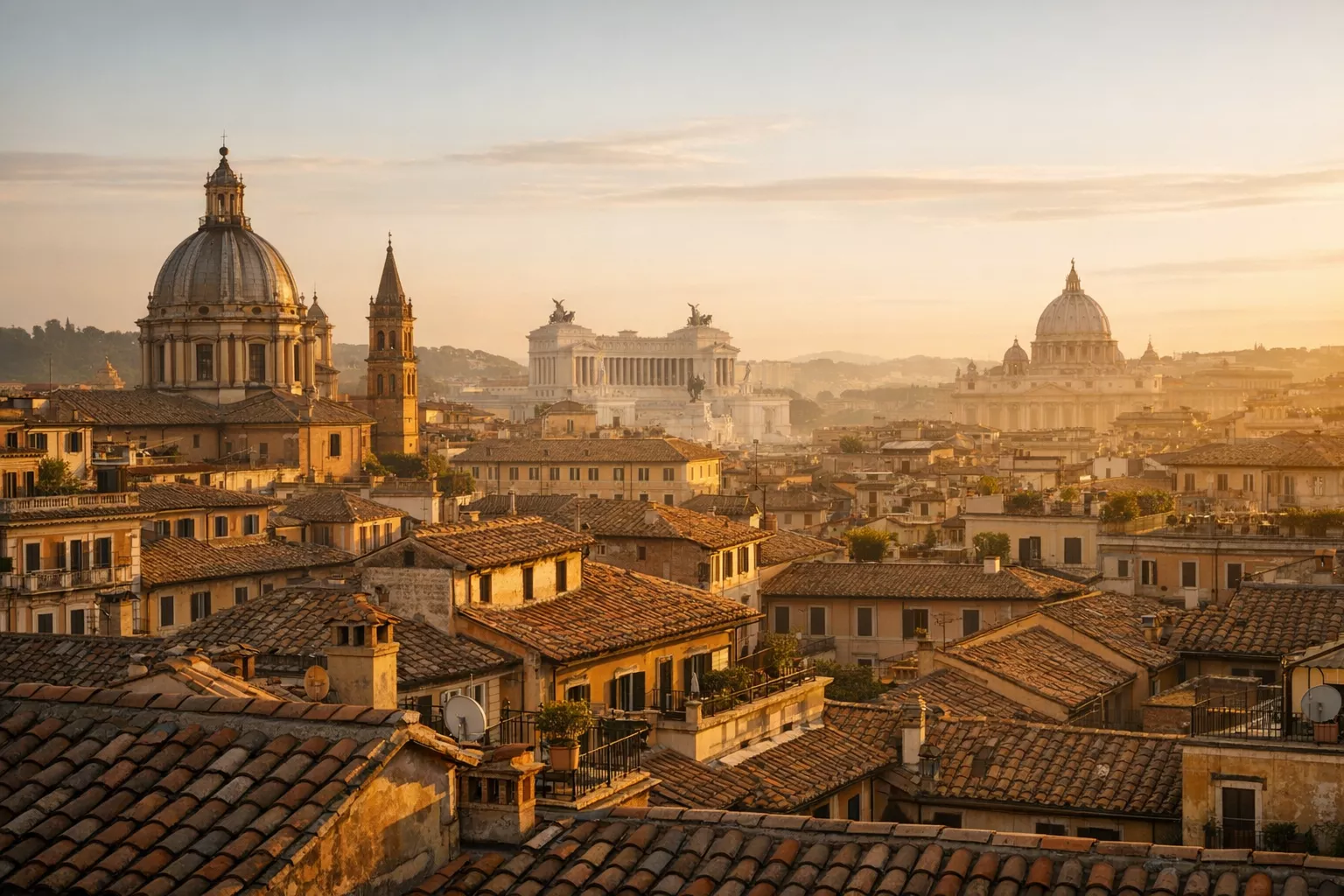
Discover the charm and beauty of Rome with our ultimate guide on what to do in this historic city. From iconic landmarks to hidden gems, we've got you covered with exciting tours and activities.
Read more →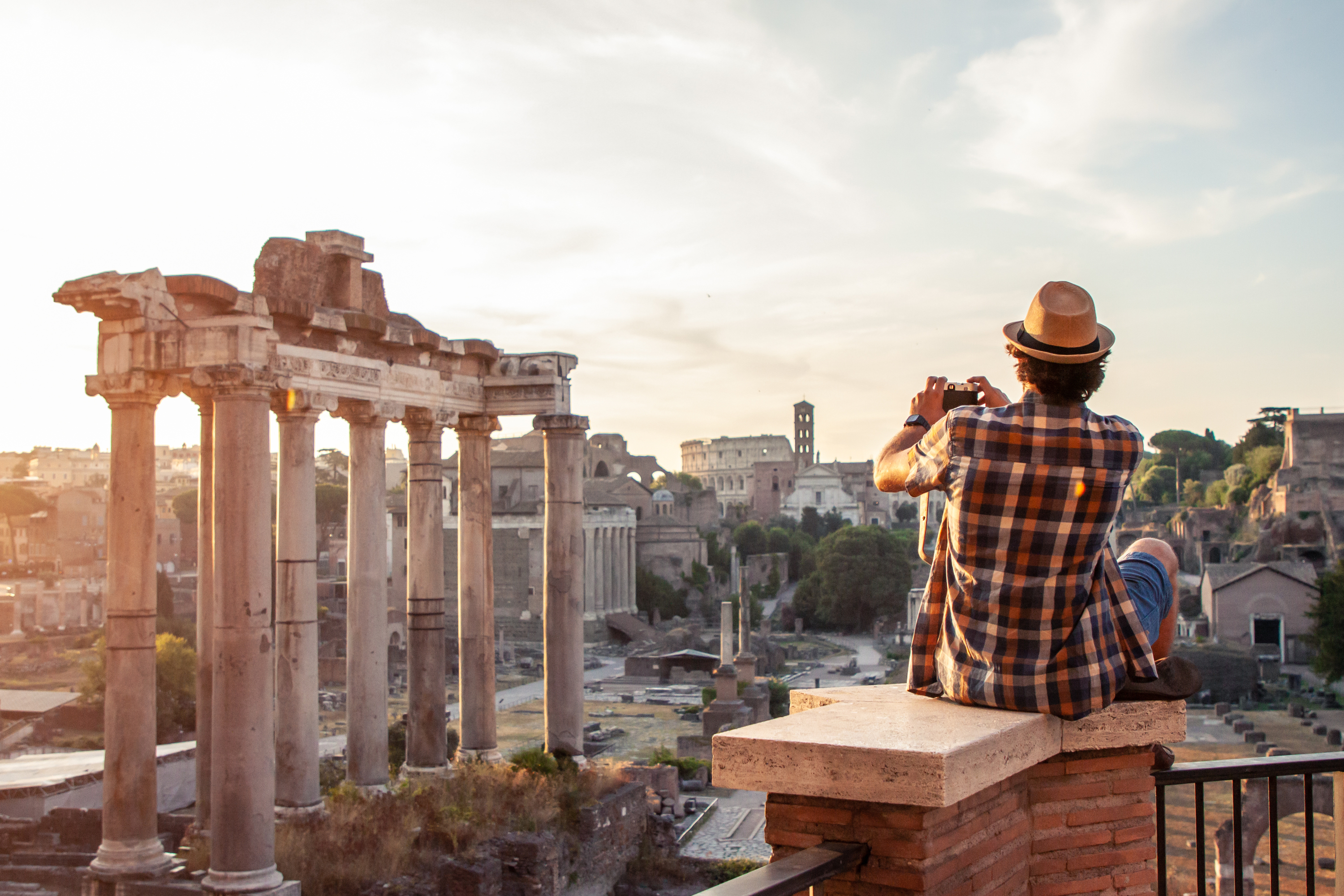
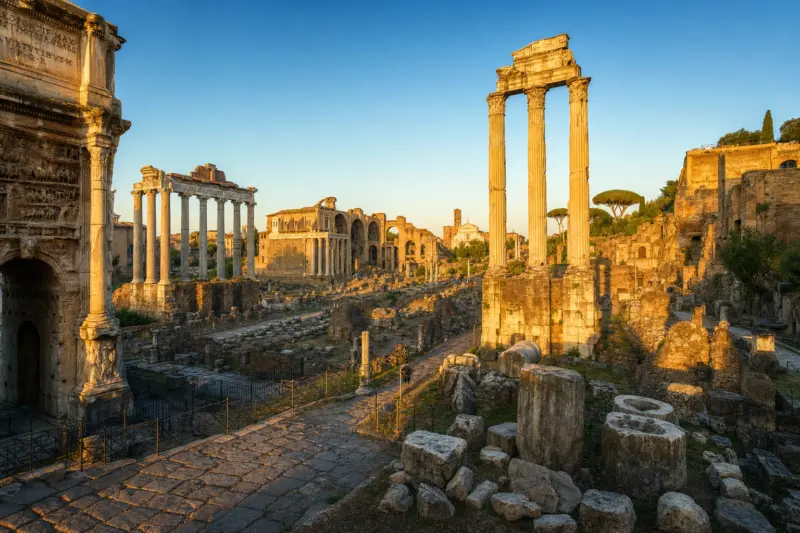
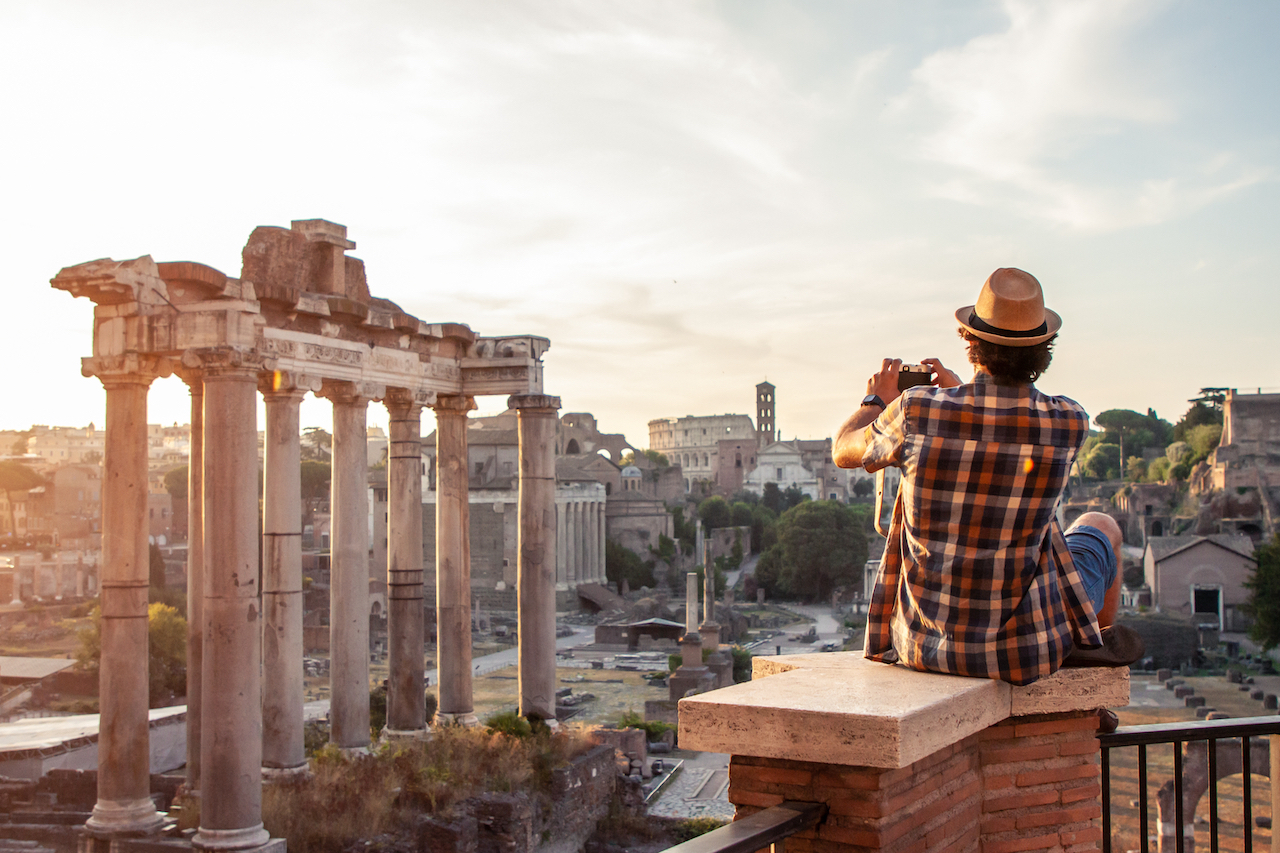
The Forum, the Colosseum and the Palatine are the three great archaeological sites that are preserved in the city of Rome. The concepts of "Forum" (the Roman Forum) or "The Forums" (the Imperial Forums), are difficult to understand what was done in them and how their spaces were organized. What is the difference between the traditional Roman Forum and the so-called Imperial Forums?
Read more →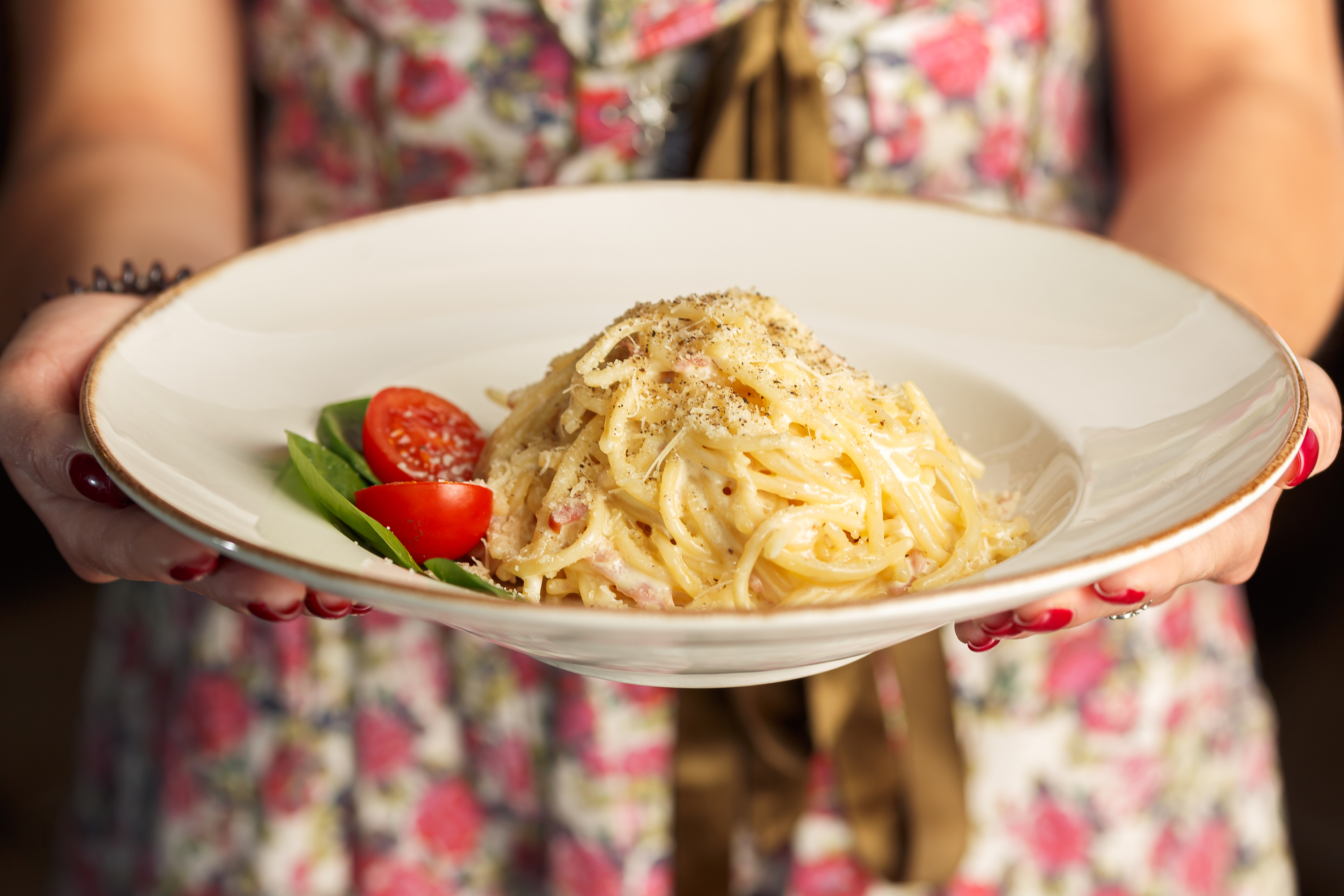
If you travel around Rome, there are dishes that you should not miss for anything in the world. Its typical dishes are very tasty and nutritious as they are very old recipes that have their origin in the villages of the region: they were thought to meet the great energy needs of the peasants. Due to this 'poor' origin, the typical dishes of the Roman cuisine are usually simple, they are made with very daily ingredients and often rich in cholesterol. It is very difficult to make a selection of recommended dishes... but we will give it a try!
Read more →We use a single cookie, to remember this choice. We do not use analytics or advertising cookies. Read our cookie policy.