3 to 4 hrs
London
Highlights & Secrets of London Private Tour - Camden Town, Downtown & Markets
✓ Free cancellation Kids friendly
4.9(19 reviews)
From €267/ person
Book Now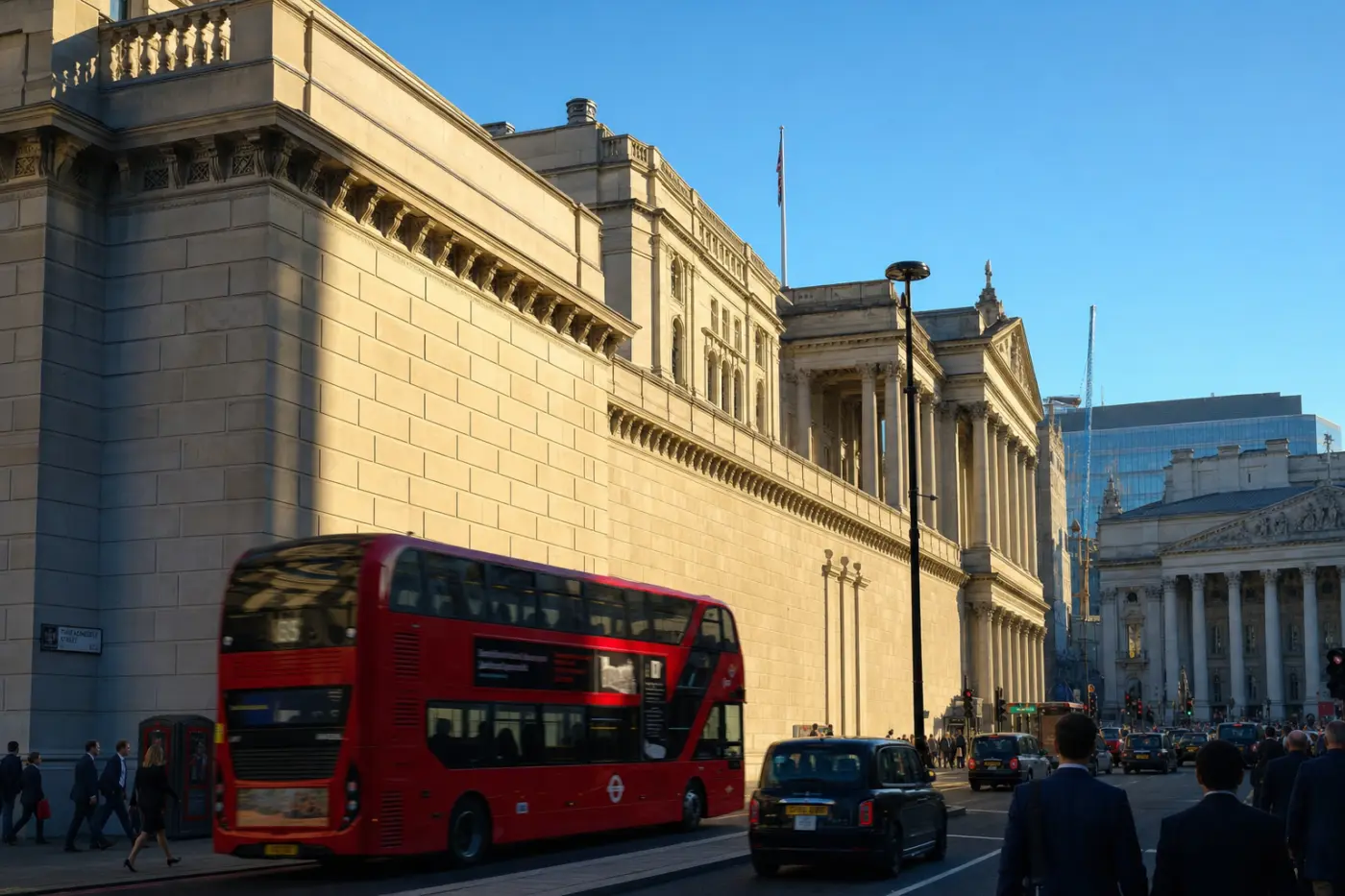
Tourist attraction
The Bank of England, standing on Threadneedle Street in the heart of the City of London, is one of the oldest and most influential central banks in the world. Founded by Royal Charter on 27 July 1694, it was established to fund King William III's war against France by raising £1.2 million from private subscribers in just twelve days. That act of financial ingenuity created an institution that would go on to shape the global monetary system, earning it the enduring nickname "the Old Lady of Threadneedle Street" — a phrase coined in a James Gillray satirical cartoon of 1797. Today the Bank sets the United Kingdom's base interest rate, issues all banknotes in England and Wales, and safeguards the stability of the entire British financial system.
The building itself is a monumental piece of London architecture. The original structure was designed by Sir Christopher Wren's protégé Nicholas Hawksmoor, but the iconic windowless outer wall — a deliberate design choice to project impregnability — was created by Sir John Soane between 1788 and 1833. Soane's perimeter screen wall, with its rusticated stone and blind façade, still encircles the entire island site today. The interior was largely rebuilt by Sir Herbert Baker between 1925 and 1939, a controversial reconstruction that demolished much of Soane's interior work but created the grand banking halls visitors can glimpse in the museum. The Bank famously stores around 400,000 gold bars in its underground vaults — one of the largest gold reserves in the world — held on behalf of the UK government and dozens of foreign central banks.
The Bank of England Museum, located within the building and free to enter, offers a genuinely compelling experience for anyone with even passing curiosity about economic history. Exhibits trace the Bank's story from its 1694 founding charter through the South Sea Bubble crisis of 1720, the Napoleonic Wars-era "Restriction Period" (1797–1821) when the Bank suspended gold payments, the nationalisation of the Bank in 1946, and right up to the 2008 global financial crisis. Among the highlights is a genuine Roman mosaic uncovered during Baker's 1930s excavations, a solid gold bar visitors can actually touch, and an interactive exhibit explaining how the Bank decides to raise or cut interest rates.
The museum entrance is on Bartholomew Lane and is open Monday to Friday, 10am to 5pm, with free admission. The building is not open to the general public beyond the museum. The surrounding area — Bank station, the Royal Exchange, and the Mansion House — forms one of the densest concentrations of financial and civic history in Europe, making a 30-minute walking circuit of the neighbourhood a natural complement to any museum visit. Photography is permitted in most of the museum's galleries.
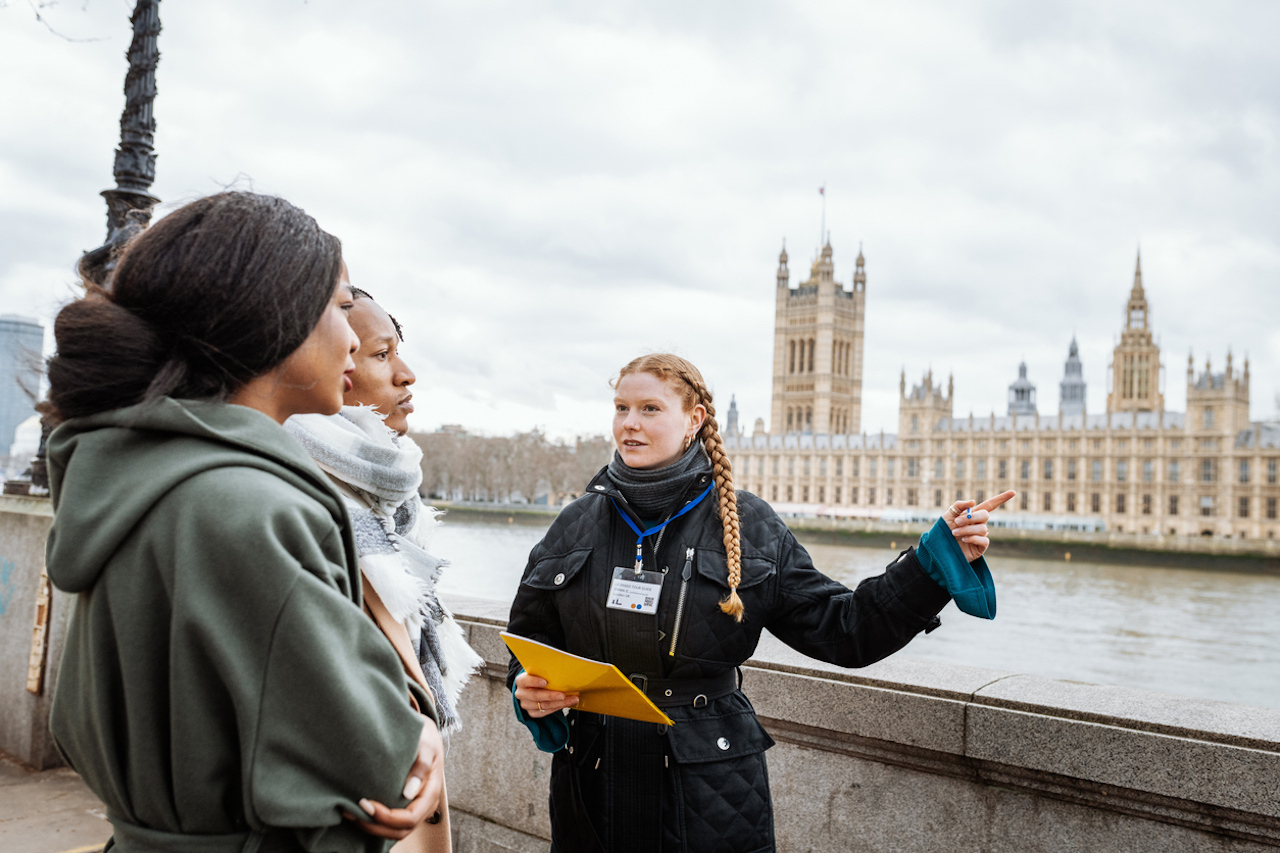
Private tours with a local guide, at your own pace.
London
London
London
London
London
London
London

London

London
We use a single cookie, to remember this choice. We do not use analytics or advertising cookies. Read our cookie policy.