4 to 5 hrs
London
London Full Day Private Tour - 'Skip-the-line' Tickets to Westminster Abbey
✓ Free cancellation Kids friendly
4.7(24 reviews)
From €276/ person
Book Now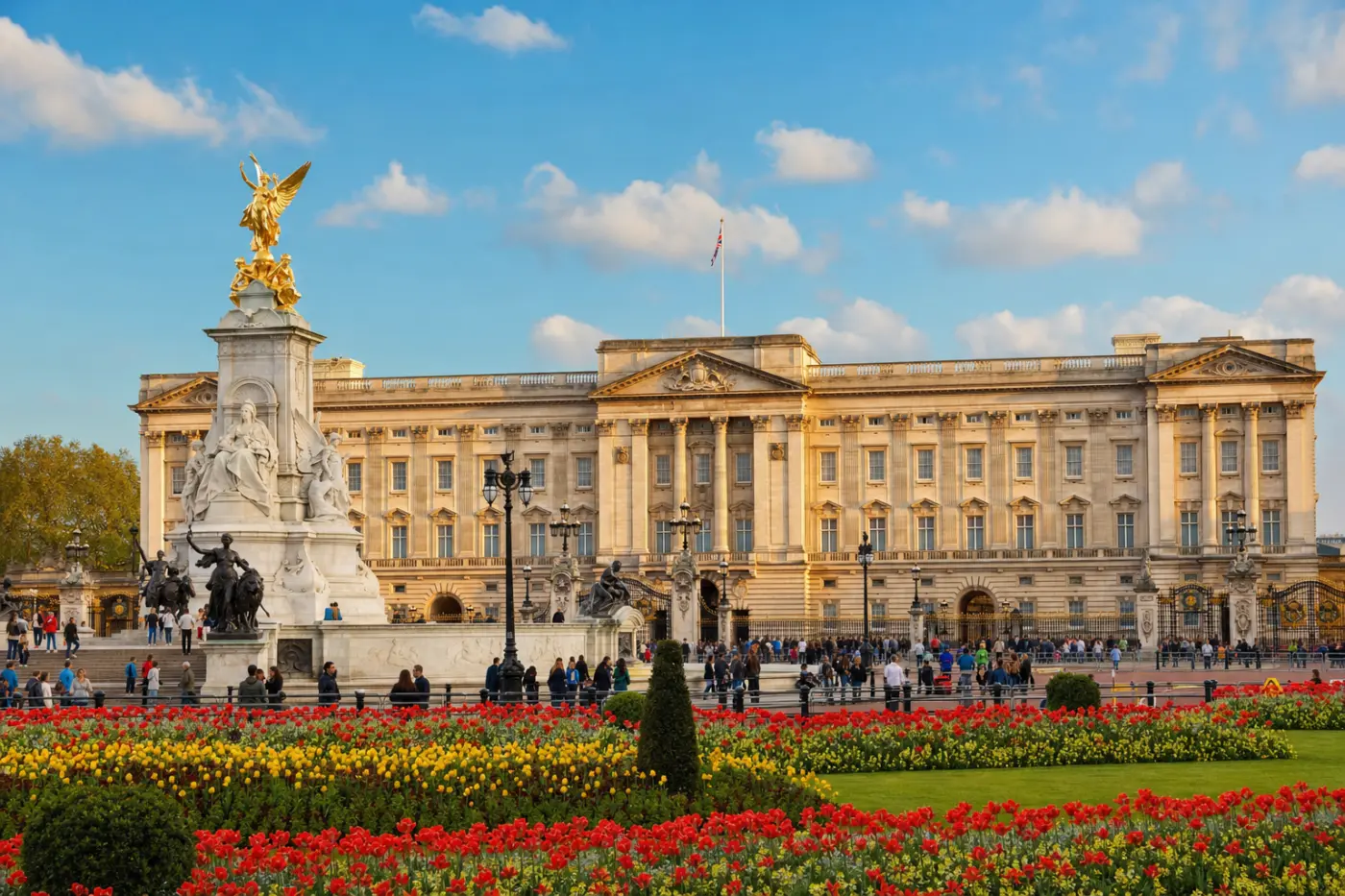
Tourist attraction
Buckingham Palace stands at the western end of The Mall in the City of Westminster, serving simultaneously as the official London residence of the British sovereign, a working administrative headquarters of the monarchy, and one of the most visited landmarks on Earth. The site's royal history began in 1703 when the Duke of Buckingham commissioned a townhouse on the land — a comparatively modest brick building that bore little resemblance to today's palace. King George III purchased it in 1761 as a private residence for Queen Charlotte, and it was known informally as "The Queen's House" throughout their reign. It was not until 1837, when the 18-year-old Queen Victoria became the first monarch to make it the official sovereign residence, that the palace assumed its defining role in British national life. The east wing — the instantly recognisable Portland stone façade facing The Mall — was added in 1847 and then substantially remodelled in 1913 by architect Aston Webb, who completed the current neoclassical frontage in a remarkable 13 weeks. The palace encompasses 775 rooms in total, including 19 State Rooms, 52 principal bedrooms, 188 staff bedrooms, 92 offices, and 78 bathrooms, spread across a floor area of approximately 77,000 square metres.
The building's architectural evolution reflects two centuries of political and cultural ambition. John Nash — the same architect behind Regent Street and much of Regency-era London — undertook the first major transformation between 1826 and 1830 under the commission of King George IV, encasing the original structure in Bath stone and creating the grand courtyard layout that persists today. Nash's flamboyant spending (the project ran dramatically over budget) led to his dismissal, and Edward Blore completed the work. The famous balcony, from which the Royal Family greets the public during Trooping the Colour, state occasions, and moments of national significance — including VE Day in 1945 and the Silver, Golden, Diamond, and Platinum Jubilees — was added as part of these 19th-century modifications. Inside, the State Rooms house one of the world's great royal art collections, including works by Rembrandt, Rubens, Vermeer, and Canaletto, alongside Sèvres porcelain, Regency furniture, and sculpture assembled over three centuries of royal patronage.
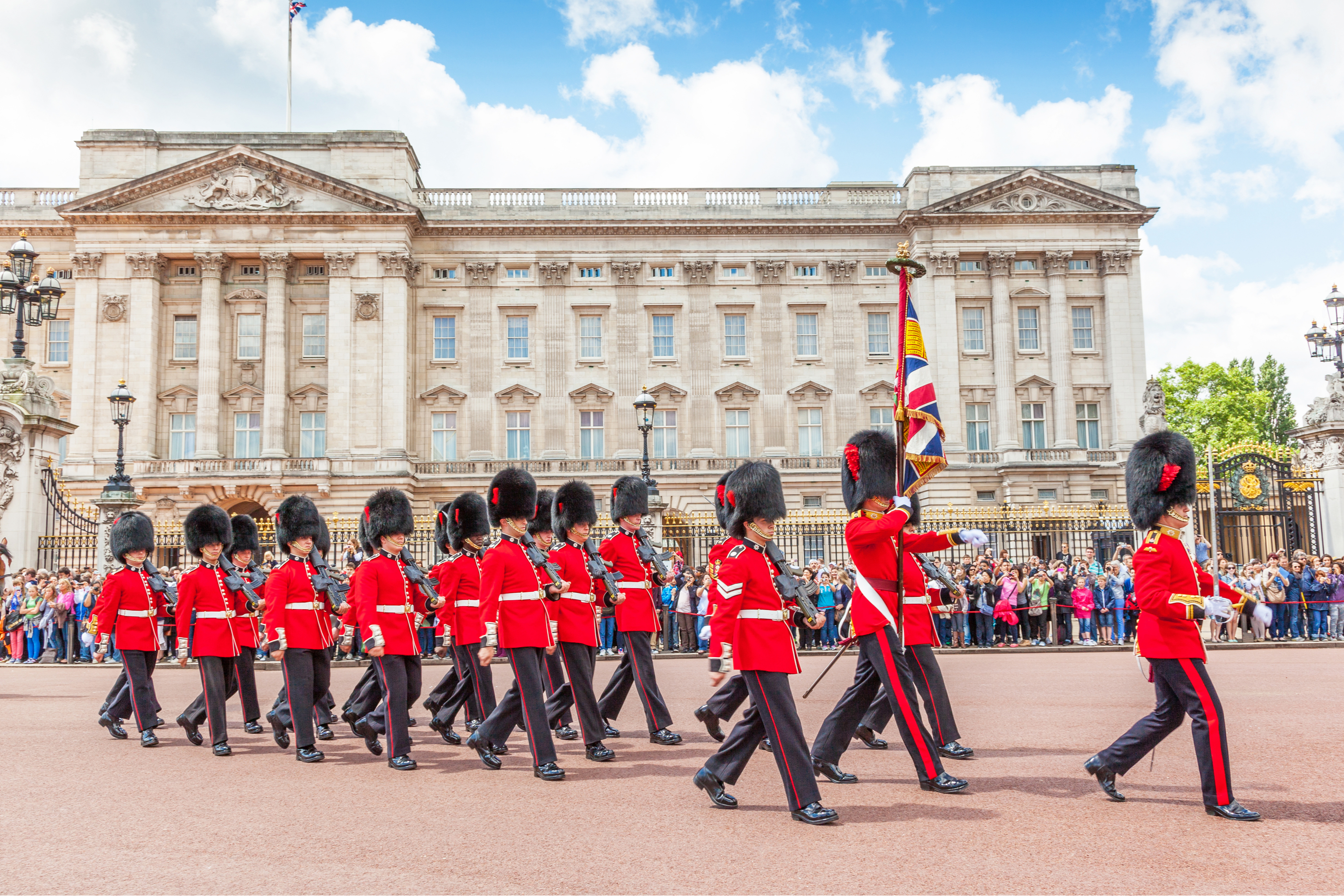
The Changing of the Guard ceremony, formally known as the Guard Mounting, remains one of London's most-attended free spectacles. The Old Guard, traditionally from one of the five Foot Guards regiments of the Household Division — the Grenadier, Coldstream, Scots, Irish, and Welsh Guards — transfers responsibility to the New Guard in a ceremony lasting approximately 45 minutes, accompanied by a regimental band. The ceremony typically takes place daily in summer and on alternate days in winter, beginning at 11:00 a.m. Each year in late summer, usually from late July through September, the Palace's 19 State Rooms open to the public as part of the Summer Opening. Visitors walk through the Throne Room, the White Drawing Room, the Grand Staircase, and the Picture Gallery — a 47-metre-long top-lit gallery that displays some of the finest works in the Royal Collection. The 42-acre garden behind the palace, the largest private garden in London, is also accessible during this period and during Garden Parties, of which the King hosts three or four each year for approximately 8,000 guests each.
To make the most of a visit, book State Room tickets well in advance through the Royal Collection Trust website, as timed entry slots sell out weeks ahead in peak season. The closest Underground station is St. James's Park on the District and Circle lines, or Victoria on the Victoria, District, and Circle lines. Arrive at least 30 minutes before the Guard Mounting begins to secure a clear view from the palace forecourt railings — positions along The Mall also offer elevated sightlines. The Queen Victoria Memorial immediately in front of the palace, completed in 1911 and sculpted by Thomas Brock, provides both a navigational landmark and a vantage point. The adjoining Royal Mews — housing the Gold State Coach used at every Coronation since George IV's in 1821 — and the King's Gallery, displaying rotating exhibitions from the Royal Collection, can be combined with a palace visit on a single joint ticket for a comprehensive half-day experience.
Private tours with a local guide, at your own pace.
London
London
London
London
London
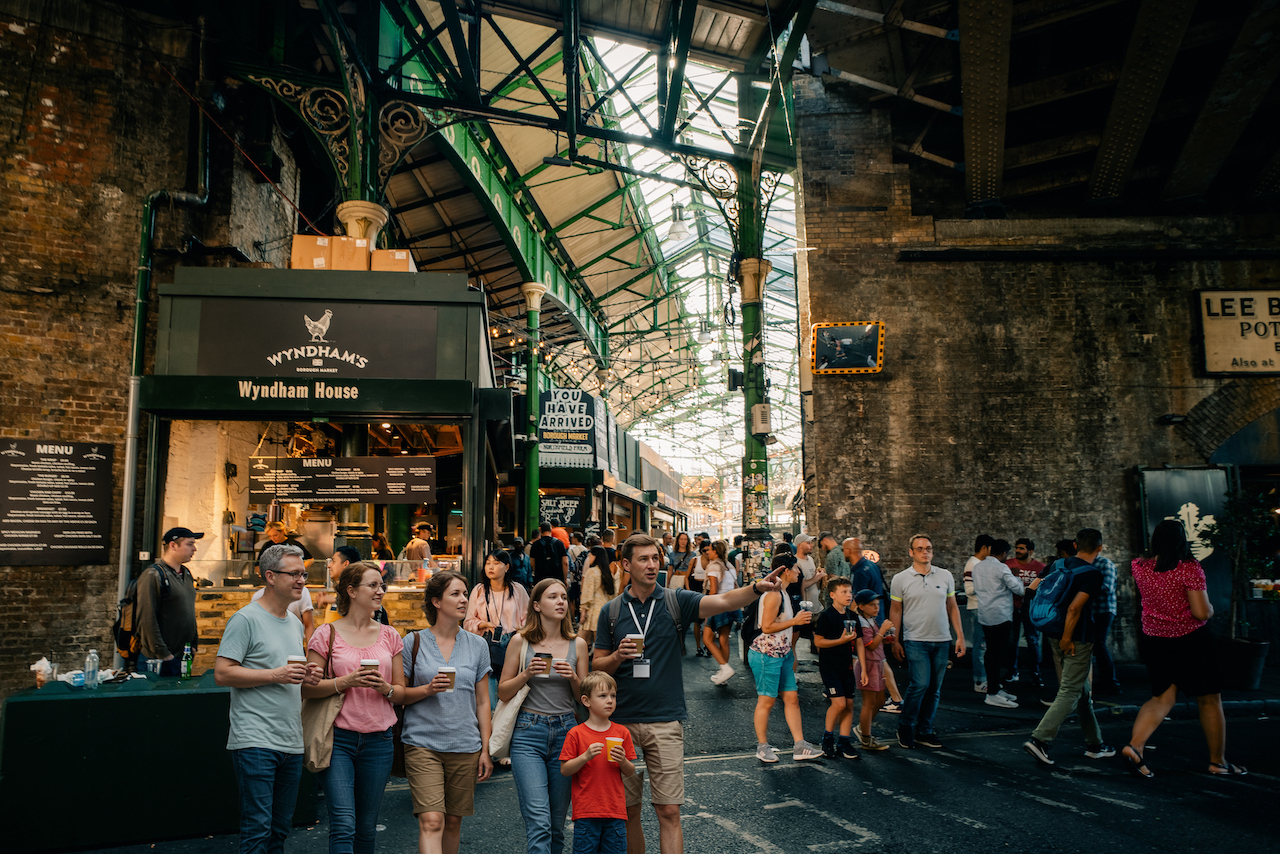
London
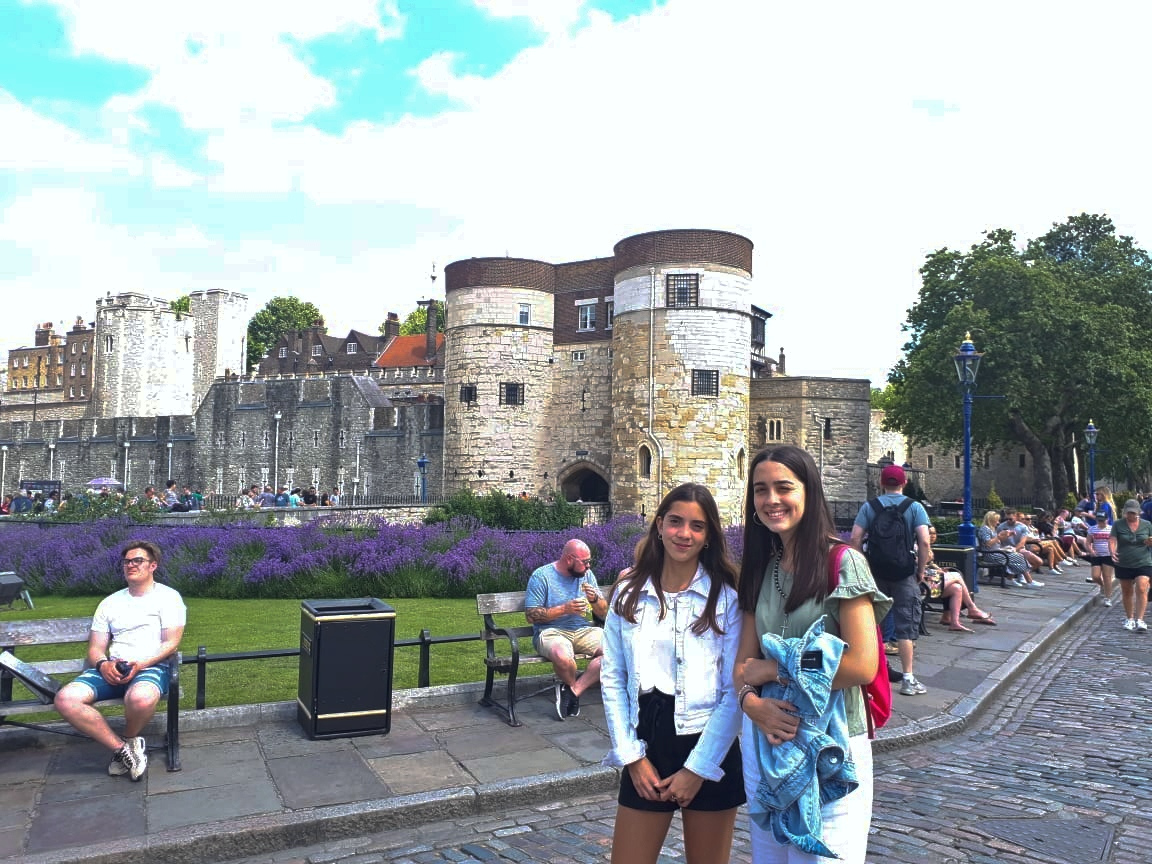
London

London

London
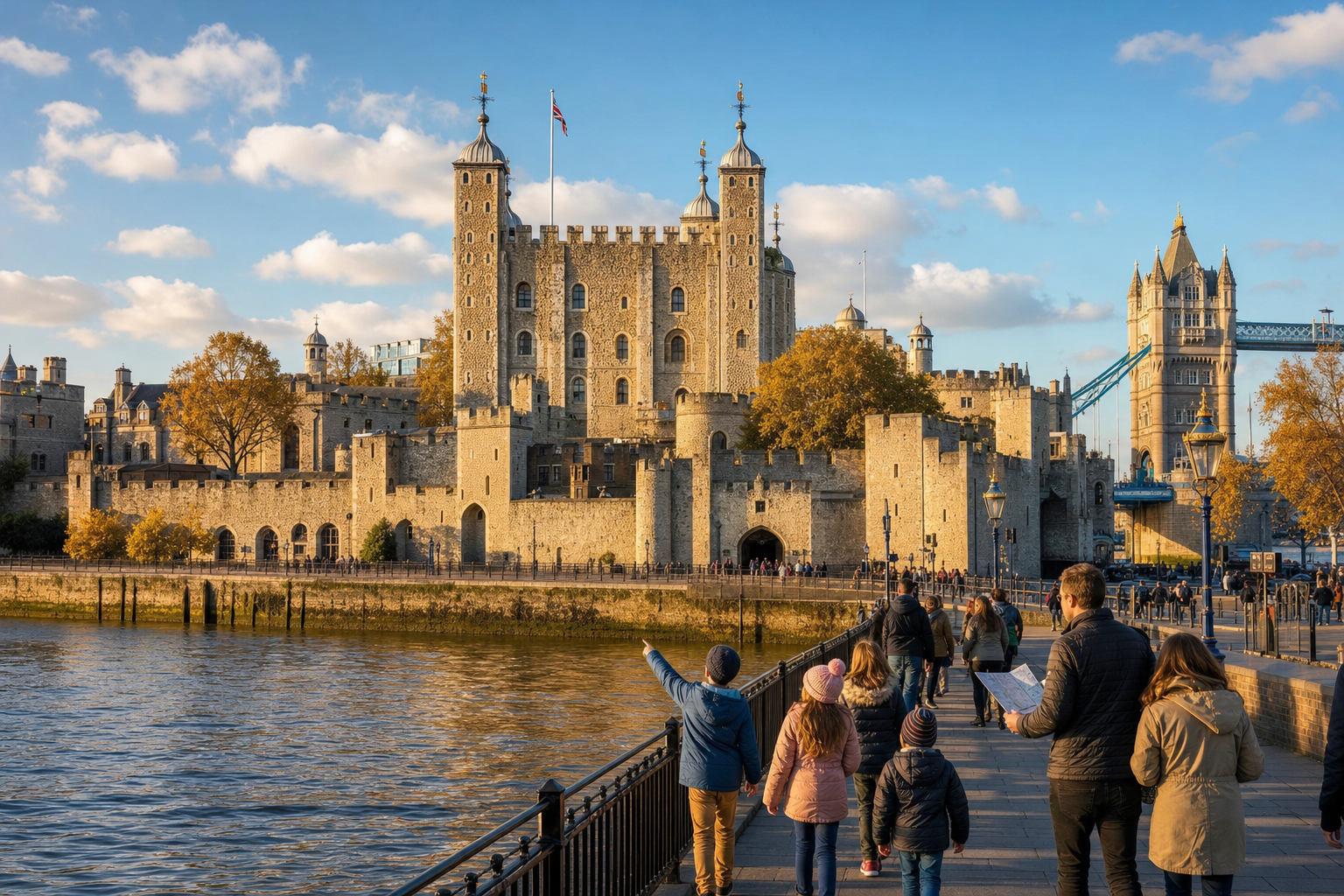
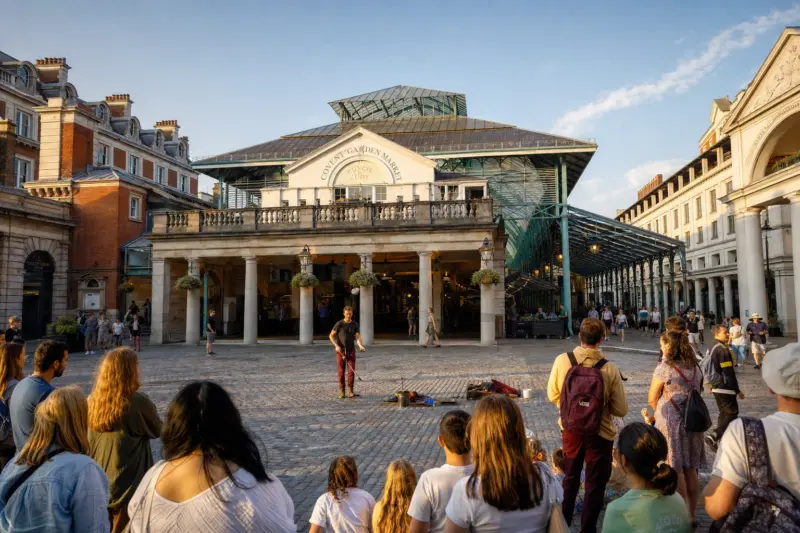
Here is a fact that changes the entire calculus of a London family trip: every child under 11 rides the Tube for free. Pair that with the Natural History Museum, Science Museum, British Museum, and Young V&A — all free to enter — and London stops being the expensive city of parental dread and becomes one of the most extraordinary-value family destinations on earth. The city has been entertaining children since at least 1662, when diarist Samuel Pepys noted watching a puppet show in Covent Garden's piazza — the earliest written record of Punch and Judy in England. That same square is still drawing crowds more than 360 years later. This guide is built around a single, honest itinerary: anchor your day on two world-class free experiences — Covent Garden's street performers and the Natural History Museum — sequence them by walking distance, and calibrate the pace to real child energy levels rather than a tour group's schedule. No inflated expectations, no wasted legs. Just a full, memorable London day.
Read more →
In 1988, construction workers digging beneath the Guildhall Art Gallery in the heart of the City of London broke through into something extraordinary: the curved walls of a Roman amphitheatre, buried and forgotten for nearly two millennia. That single discovery — and the fact that most visitors to London walk straight past the entrance without a second glance — tells you everything you need to know about this city. London doesn't just have history; it has layers of it, compressed beneath every pavement slab, tucked inside every Victorian archway, encoded in the walls of buildings that have changed faith four times over. The familiar postcard circuit — Big Ben, the Tower, Buckingham Palace — is worth doing once. But London's real character lives elsewhere: in a medieval lane built over a Roman forum, in a pub cellar that predates the Great Fire, in a market that local traders have used since the reign of King Canute. This guide is for the traveller who wants to go deeper.
Read more →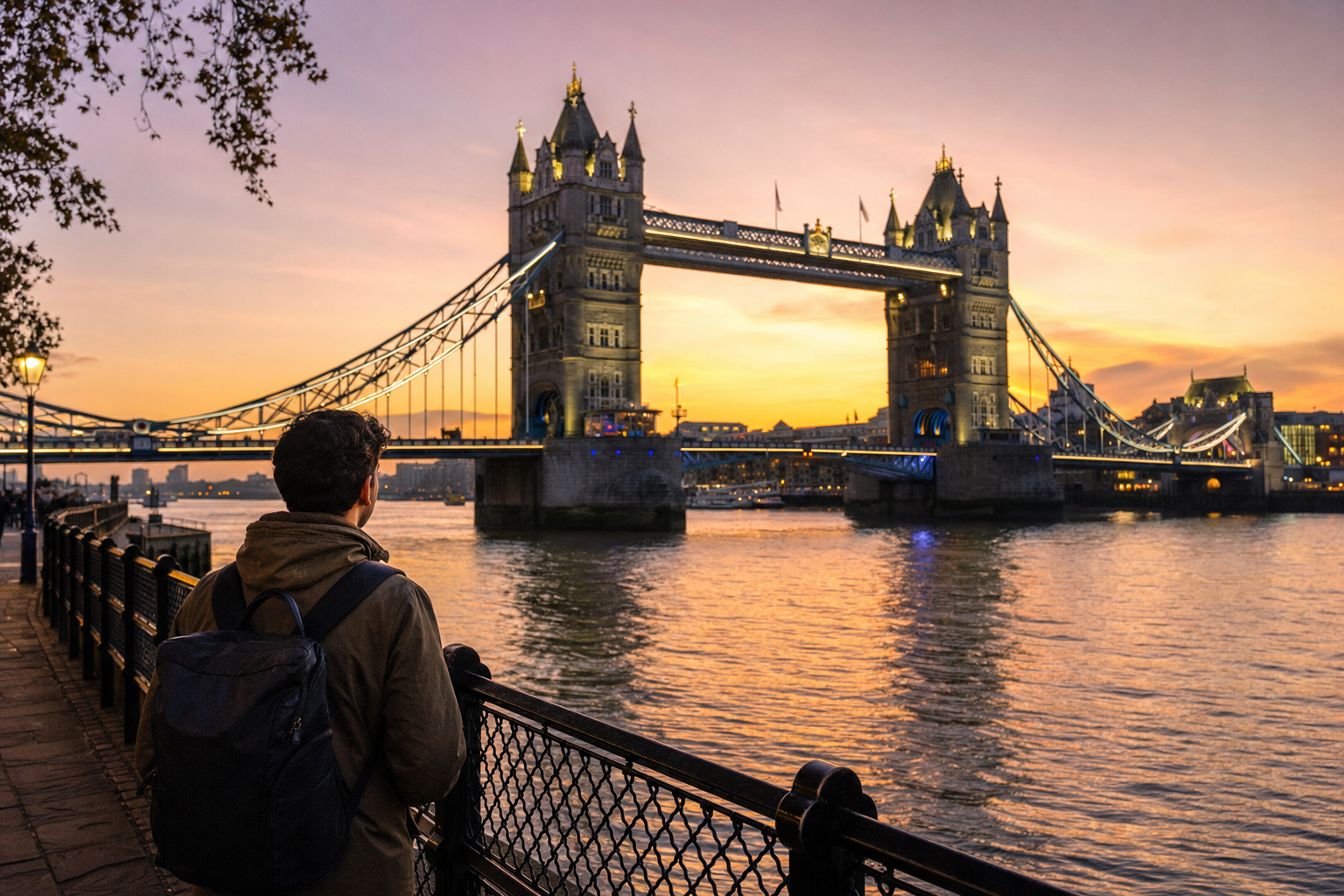
London has been continuously inhabited for nearly 2,000 years — and it shows, in the best possible way. Founded by the Romans as Londinium around 43 AD, the city has accumulated so many layers of history, culture, and contradiction that first-time visitors often feel simultaneously thrilled and overwhelmed. There are 32 boroughs, 272 Tube stations, eight Royal Parks, and more Michelin-starred restaurants than almost any city on earth. And yet, most first-timers follow the same postcard circuit: Big Ben, Tower Bridge, Buckingham Palace, done. This guide is built on a different premise. The more you understand London's strange, patchwork origins — its two founding cities, its explosive Victorian growth, its quietly rebellious neighbourhoods — the more every street corner starts to talk. Whether you have three days or ten, knowing what you're actually looking at transforms a sightseeing trip into something far more memorable. Read on for the specific facts, local intelligence, and neighbourhood stories that generic travel guides never bother to surface.
Read more →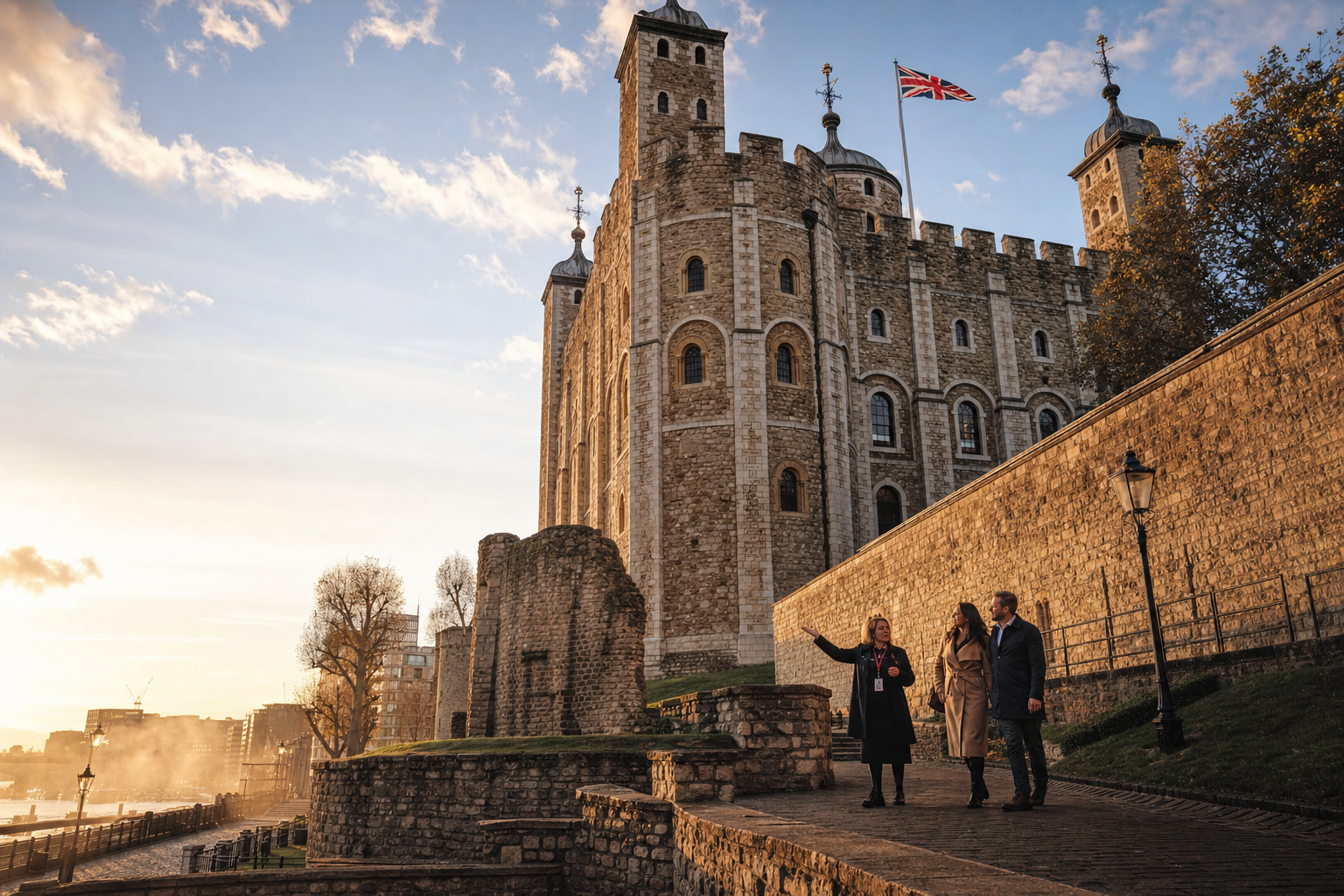
In AD 43, Roman soldiers drove stakes into the north bank of the Thames and founded Londinium — a city that would never stop growing. Nearly two millennia later, London covers 1,572 square kilometres, spans 33 boroughs, and layers Roman foundations, medieval lanes, Georgian terraces, and Victorian engineering so tightly that even long-term residents discover something new every week. That density is exactly what makes London one of the world's great travel destinations — and exactly what makes a generic group tour fall so short. Herded between the same ten landmarks with 30 strangers and a megaphone, most visitors leave having photographed London rather than understood it. A private tour with a knowledgeable local guide changes the equation entirely: the pace is yours, the stories go deeper, and the route bends around your curiosity rather than a fixed script. This guide makes the case for private tours in London, breaks down what the best ones actually show you, and gives you the practical detail you need to plan a visit that does justice to 2,000 years of extraordinary history.
Read more →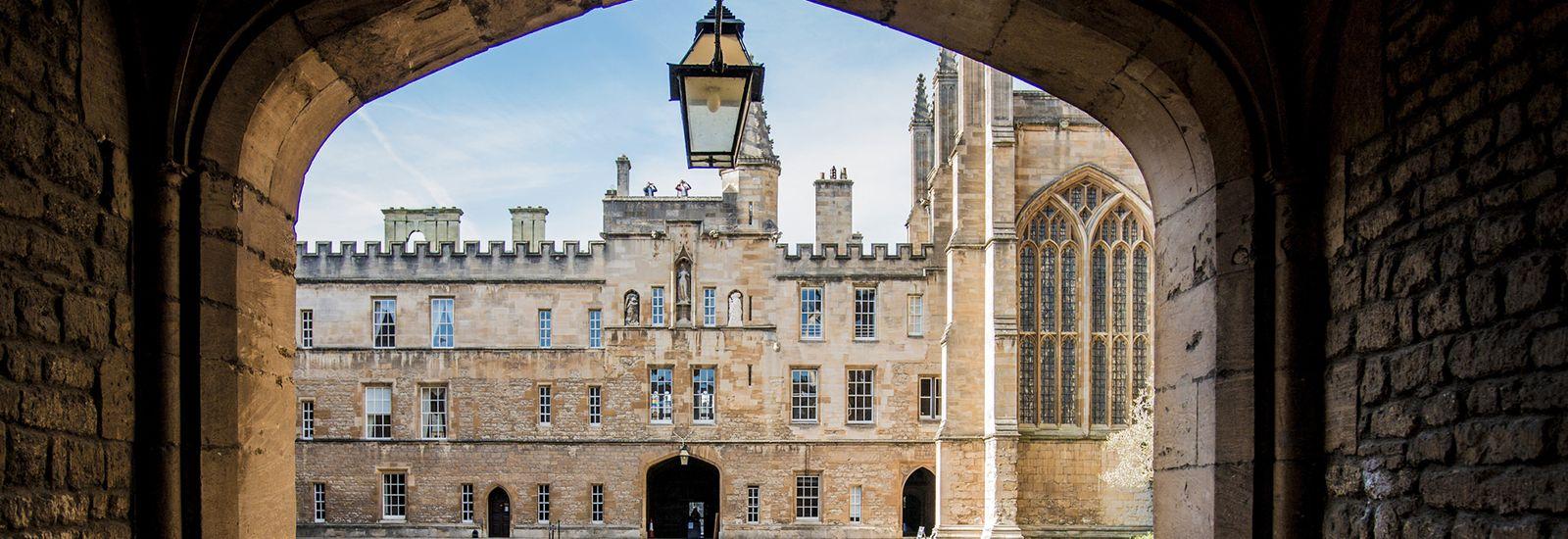
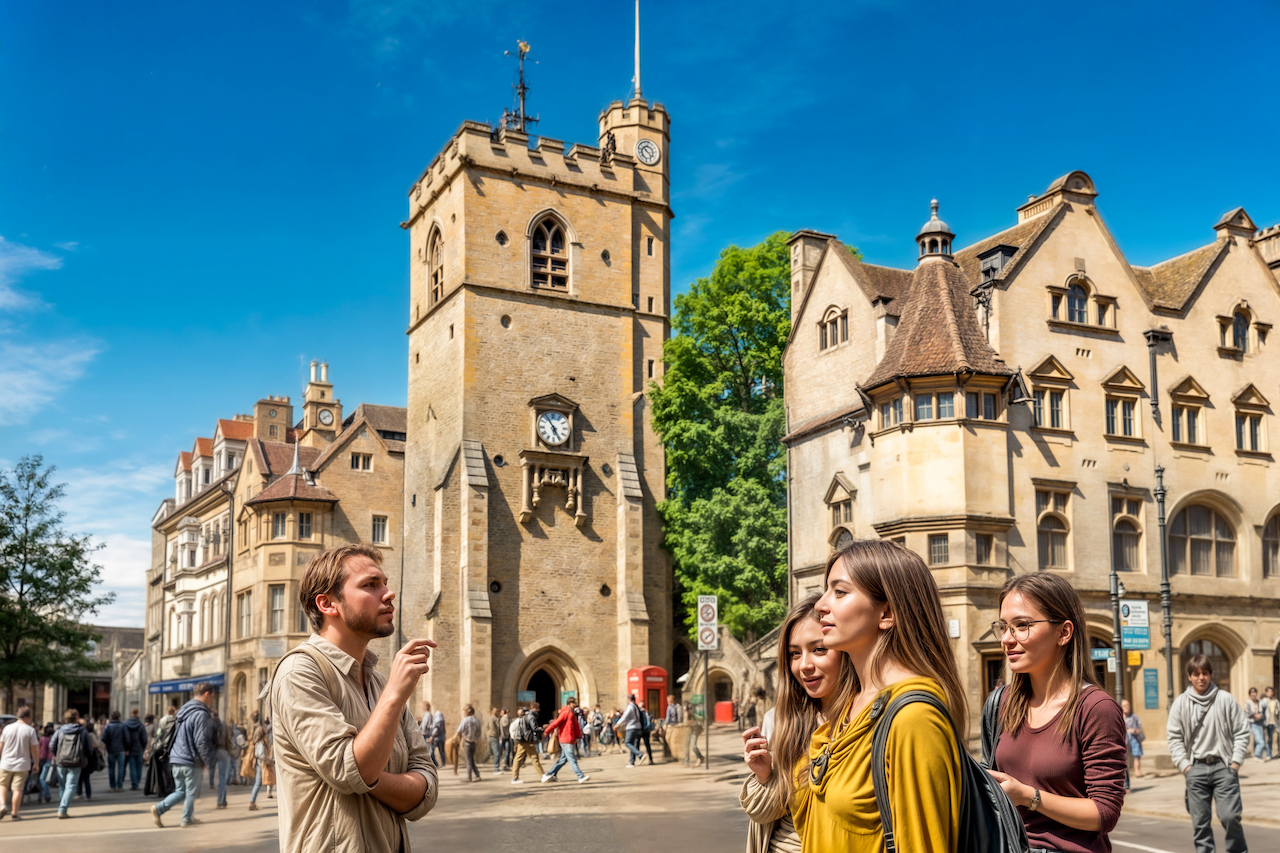
On the banks of the River Thames is one of the most important epicenters of knowledge, Oxford, a university town located in the county of Oxfordshire in England, home to Oxford University, the oldest university in Britain. Years of history and education, traditions and much prestige, mark the life of this place, a city where you can live the university atmosphere like nowhere else, and where you can enjoy the most academic and literary facet of England. Illustrious personalities visited Oxford...imagine Albert Einstein teaching in one of this Colleges?
Read more →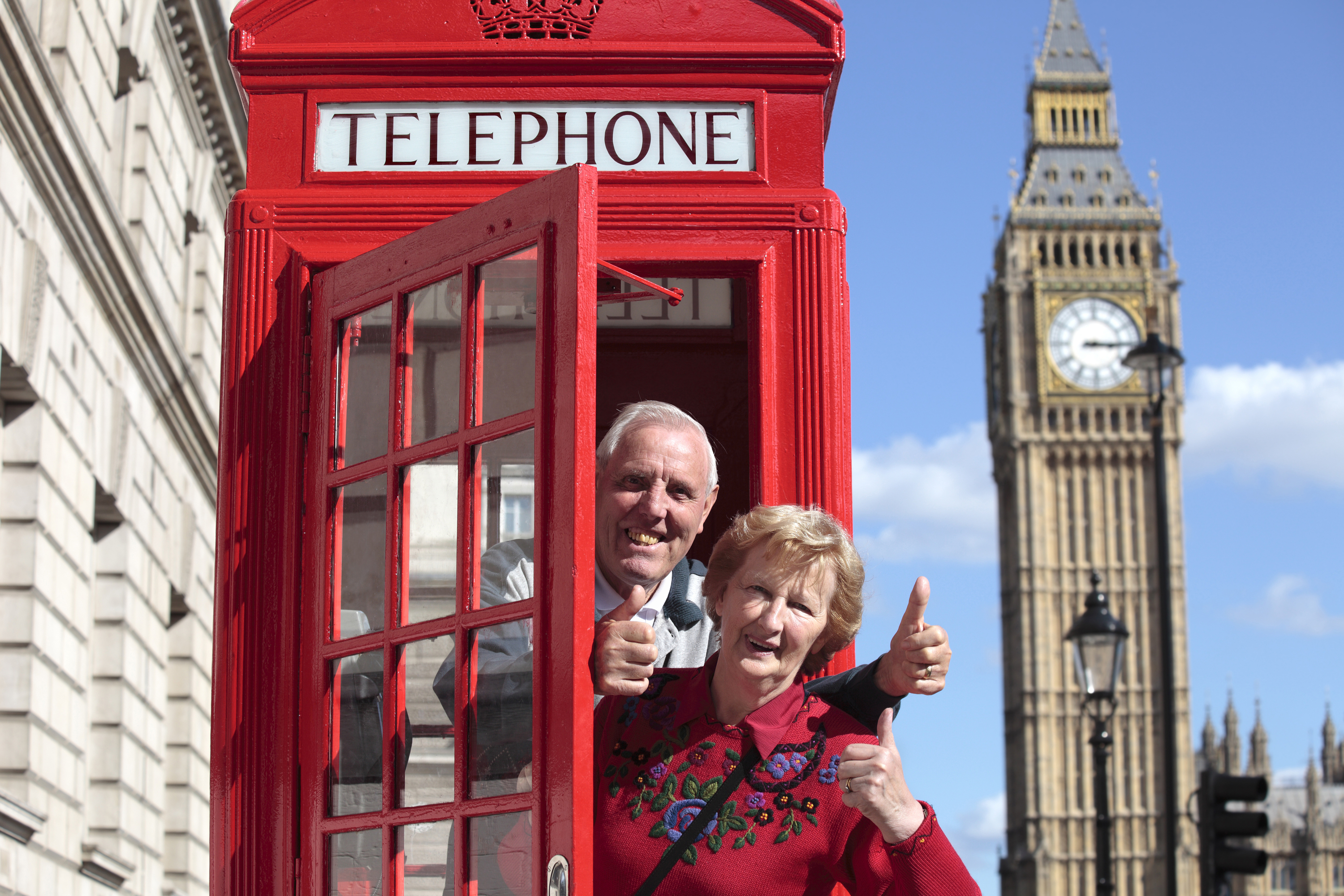
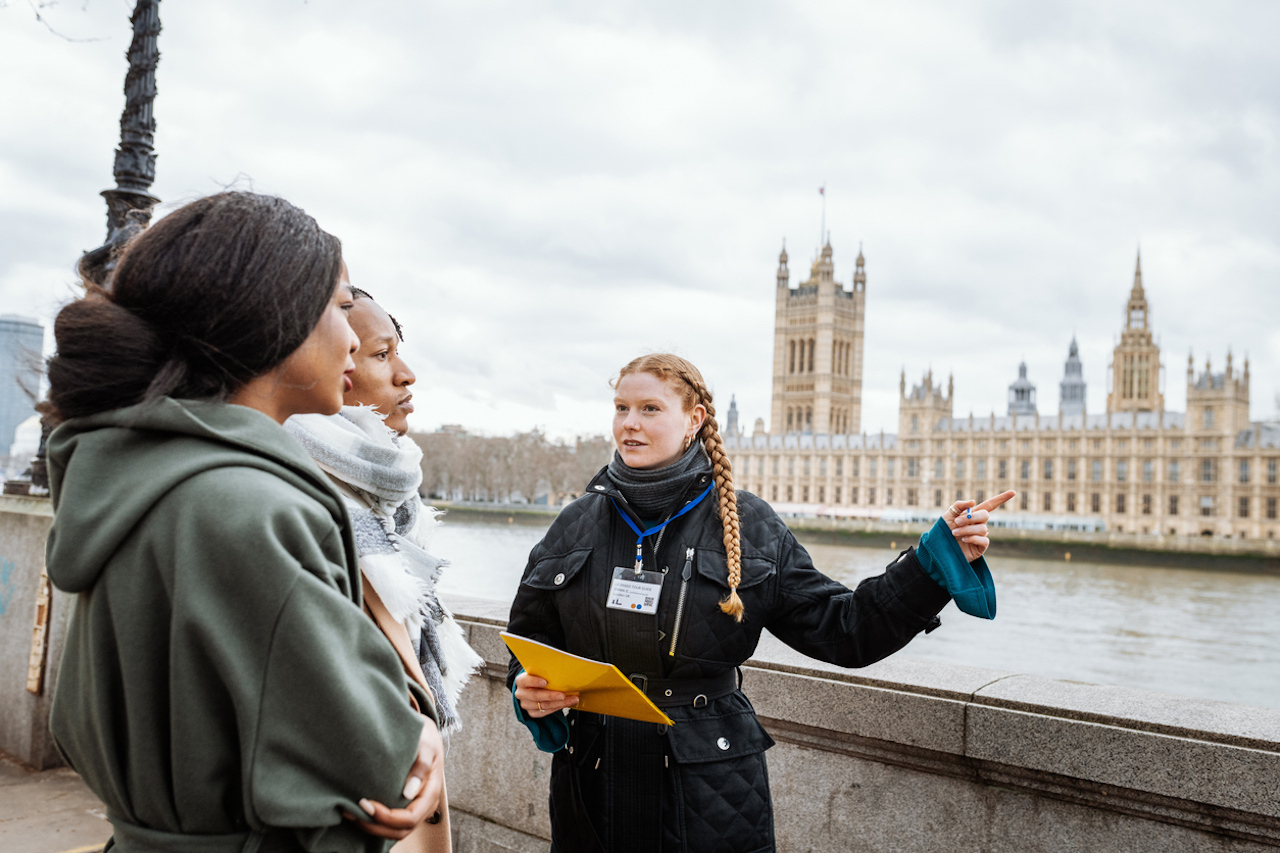
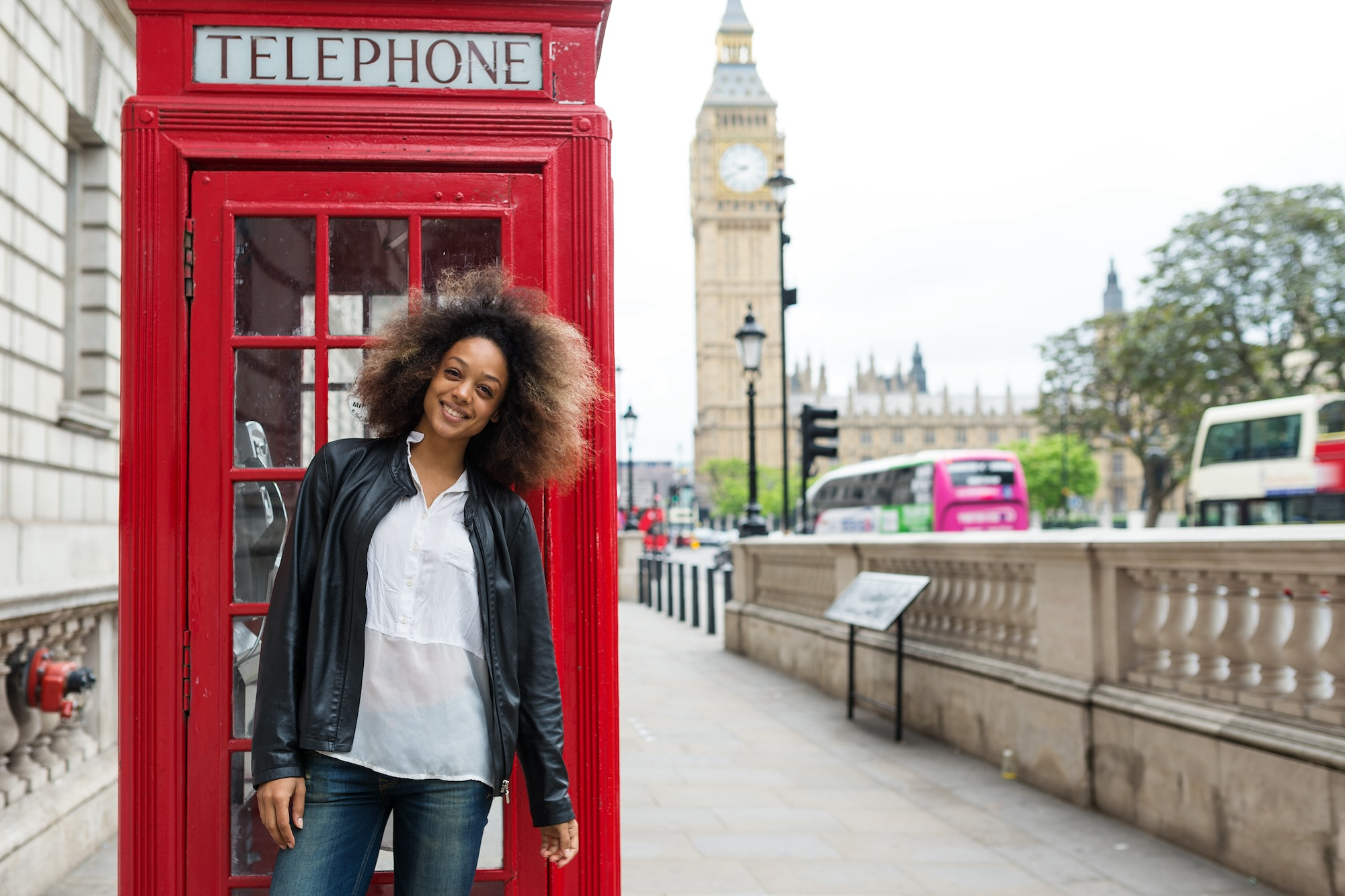
We are super happy to announce that LocalCoolTour is finally starting to provide private tourist services in London... Explore the city! Enjoy the fantastic city of London, following a local guide, and learn about its rich history. You can not miss visiting the famous Big Ben, and the incredible building of the Parliament, on the banks of the River Thames. Have a classic English tea in one of the most elegant neighborhoods: Notting Hill. Visit the most eccentric and authentic areas of London, like Camden Town or Shoreditch, where you can admire Banksy's famous graffitis. Visit Shakespeare's old theatre, the amazing St Paul's Cathedral, or the colorful Leadenhall Market, famous for the Harry Potter saga. A visit of the most emblematic buildings of the monarchy is a must, such as Westminster Abbey or the Towers of London. Discover the varied, often unknown, English gastronomy, and try the exquisite ‘fish & chips’, paired with a good local beer. Take a full-day trip out of London, to wonderful cities, full of history. Oxford, and its prestigious colleges, is a very good option to escape from the hustle and bustle of the city. Enjoy the original private tours that we offer in this magnificent city. This, and much more, awaits you in London! Follow us, as the journey has only just begun!
Read more →We use a single cookie, to remember this choice. We do not use analytics or advertising cookies. Read our cookie policy.