3 to 4 hrs
London
Highlights & Secrets of London Private Tour - Camden Town, Downtown & Markets
✓ Free cancellation Kids friendly
4.9(20 reviews)
From €267/ person
Book Now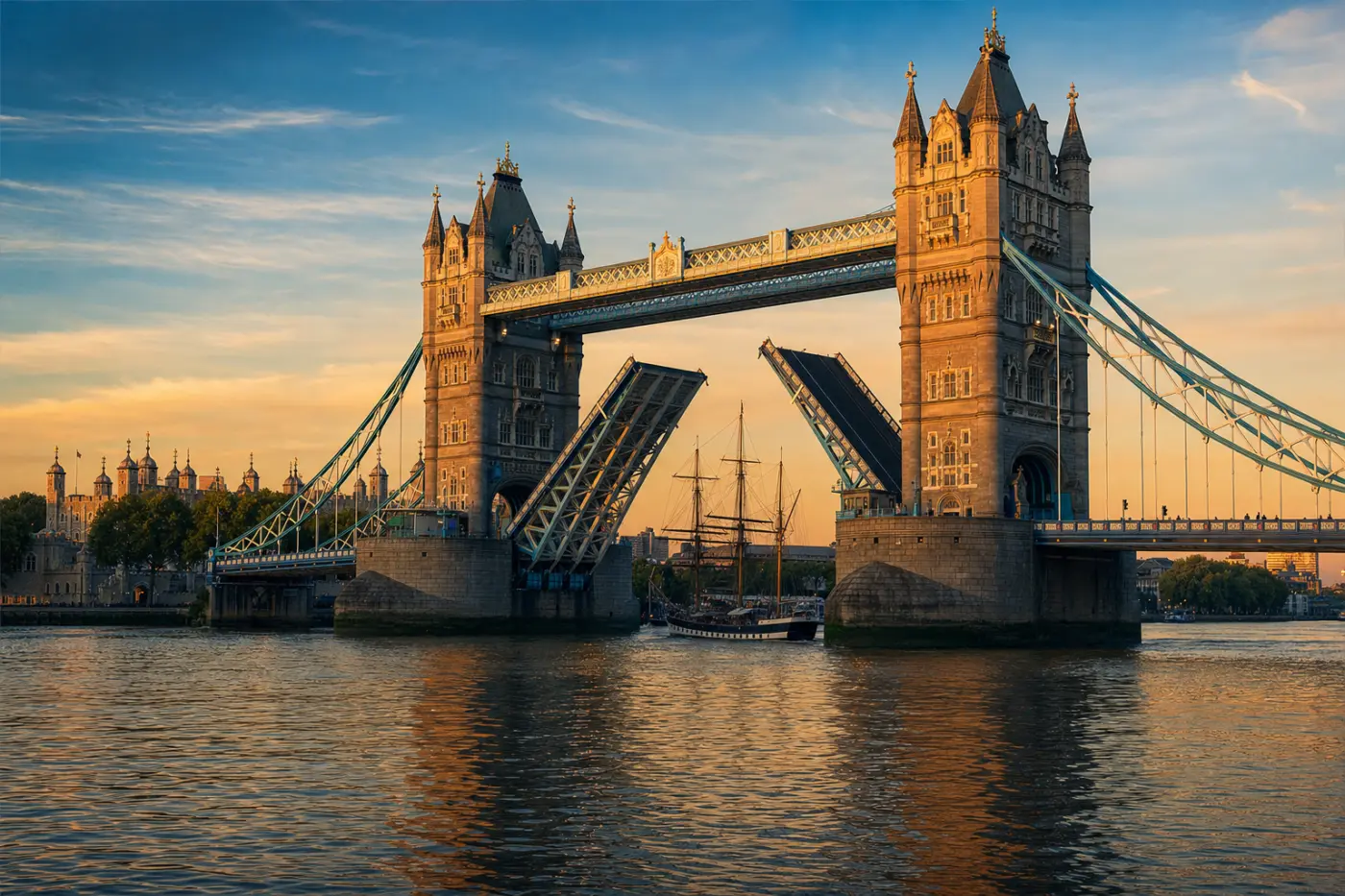
Tourist attraction
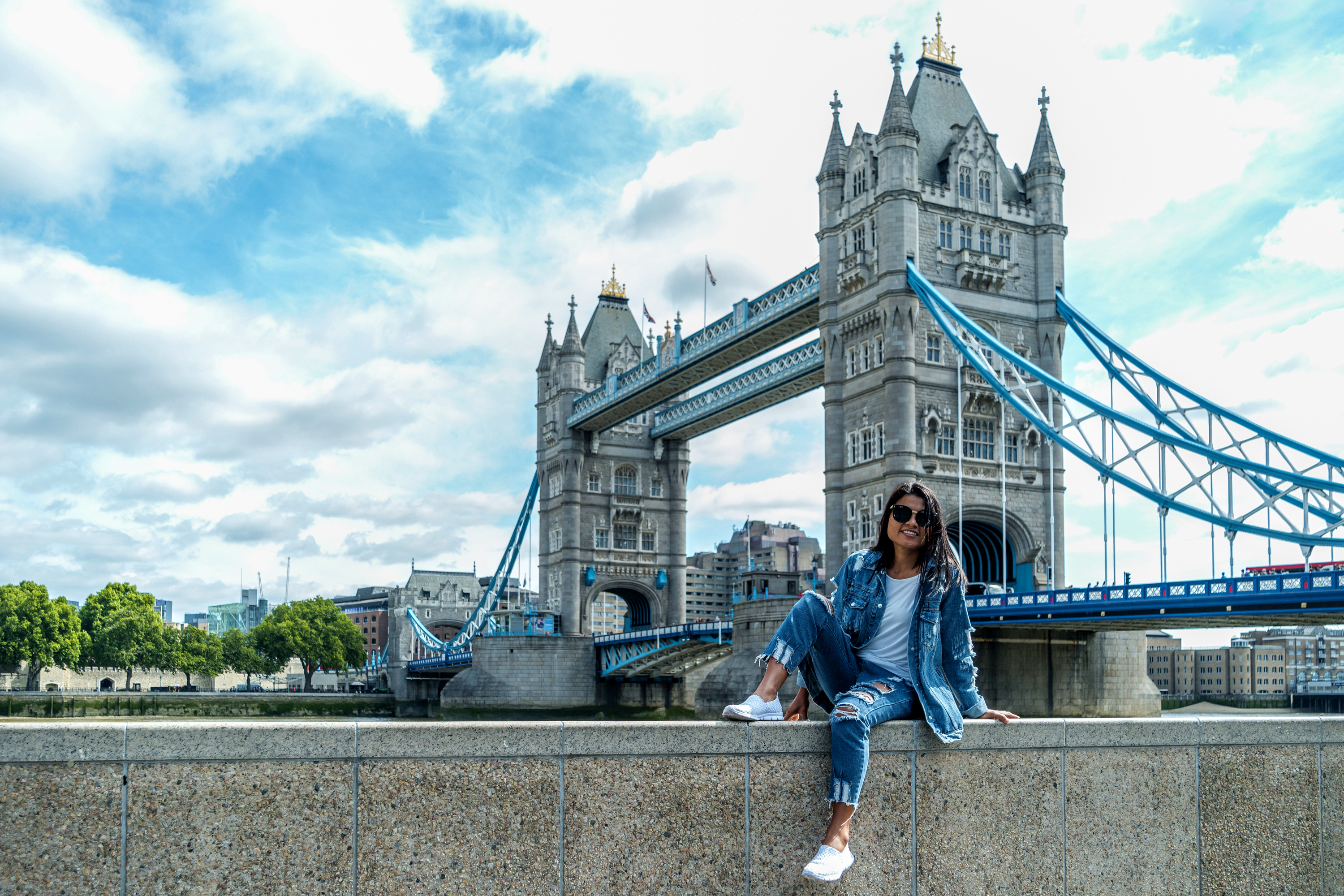
Tower Bridge is a combined bascule and suspension bridge spanning the River Thames in the London Borough of Tower Hamlets, immediately adjacent to the Tower of London. Stretching 244 metres (800 feet) in total length and rising to twin towers 65 metres (213 feet) tall, it was conceived to solve a crisis that had been building throughout the 1870s: the Port of London's eastern docks were booming, yet the nearest fixed river crossing was London Bridge, more than a kilometre upstream, forcing freight wagons and pedestrians into punishing detours. A Special Bridge or Subway Committee was formed in 1876, and after considering over fifty designs, the City of London Corporation accepted architect Horace Jones's Gothic Revival proposal — chosen partly because the towers' stone cladding would harmonise visually with the medieval Tower of London next door. Jones died in 1887, and engineer John Wolfe Barry saw the project through to completion, supported by the steel fabrication firm of William Arrol & Co., who were simultaneously constructing the Forth Rail Bridge in Scotland.
Construction began in April 1886 and required the labour of 432 workers over eight years. The foundations demanded the sinking of two massive caissons — each weighing some 70,000 tonnes — deep into the Thames riverbed to support the central piers. The bridge's skeleton is entirely steel, but Jones's original vision of Gothic stone cladding was faithfully executed in Cornish granite and Portland stone, giving the towers their distinctive cream-and-grey medieval silhouette. The bascule mechanism — from the French word for "see-saw" — originally ran on steam-powered hydraulic accumulators, each leaf of the central roadway capable of rising to a maximum angle of 86 degrees to allow tall-masted vessels through. At its Victorian peak the bridge opened up to 50 times a day. The Prince of Wales (the future King Edward VII) officially opened Tower Bridge on 30 June 1894. In 1976 the steam machinery was replaced by oil and electricity, and today the bascules are raised around 800 times a year, with 24-hours' notice available online via the official lifting schedule.
Visitors access the Tower Bridge Exhibition, which opened in 1982 and was significantly expanded over subsequent decades. The experience takes you through the Victorian Engine Rooms at river level — where the original 1894 steam-powered hydraulic pumping engines and accumulators are preserved in full working order — and up into the twin towers, where permanent displays cover the bridge's construction, engineering logic, and social history. The undeniable highlight is the 42-metre-high Glass Floor Walkway, installed in 2014 to mark the bridge's 120th anniversary: a fully transparent walkway between the two high-level corridors gives vertiginous views straight down to the road and the Thames below. The high-level walkways were originally built for pedestrians who needed to cross when the bascules were raised, but proved so popular with pickpockets that they were closed to the public in 1910 — and remained shut for over 70 years.
Tower Bridge is located on the north bank of the Thames in SE1, a short walk from London Bridge Station (National Rail and Jubilee/Northern lines) and Tower Hill Underground Station (District and Circle lines). Admission to the Tower Bridge Exhibition is ticketed; the road crossing itself is free and open 24 hours. The best photographic vantage points are from Horselydown Lane on the south bank or from The Scoop amphitheatre near City Hall. For the iconic illuminated night-time view, position yourself on the south bank looking north-west — the warm LED floodlights installed in 2012 emphasise the Gothic stonework beautifully. Book tickets in advance, particularly for school holiday periods, and check the lifting schedule before your visit if you want to witness the bascules in action.
Private tours with a local guide, at your own pace.
London
London
London
London
London
London
London

London
London
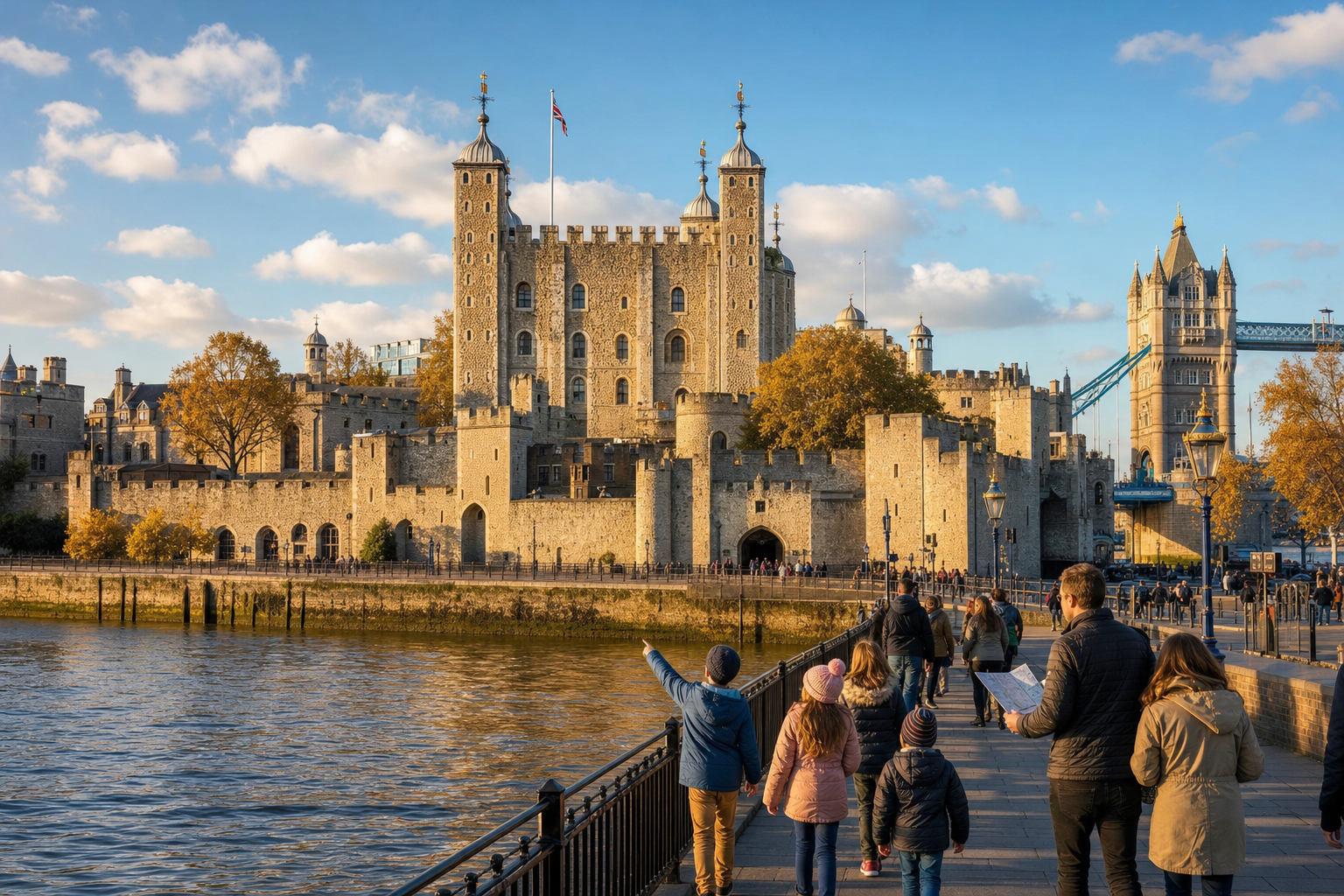
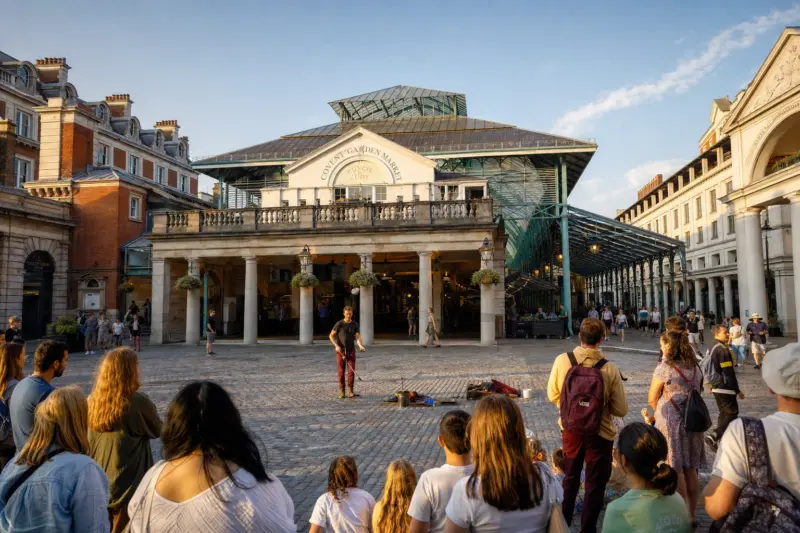
Here is a fact that changes the entire calculus of a London family trip: every child under 11 rides the Tube for free. Pair that with the Natural History Museum, Science Museum, British Museum, and Young V&A — all free to enter — and London stops being the expensive city of parental dread and becomes one of the most extraordinary-value family destinations on earth. The city has been entertaining children since at least 1662, when diarist Samuel Pepys noted watching a puppet show in Covent Garden's piazza — the earliest written record of Punch and Judy in England. That same square is still drawing crowds more than 360 years later. This guide is built around a single, honest itinerary: anchor your day on two world-class free experiences — Covent Garden's street performers and the Natural History Museum — sequence them by walking distance, and calibrate the pace to real child energy levels rather than a tour group's schedule. No inflated expectations, no wasted legs. Just a full, memorable London day.
Read more →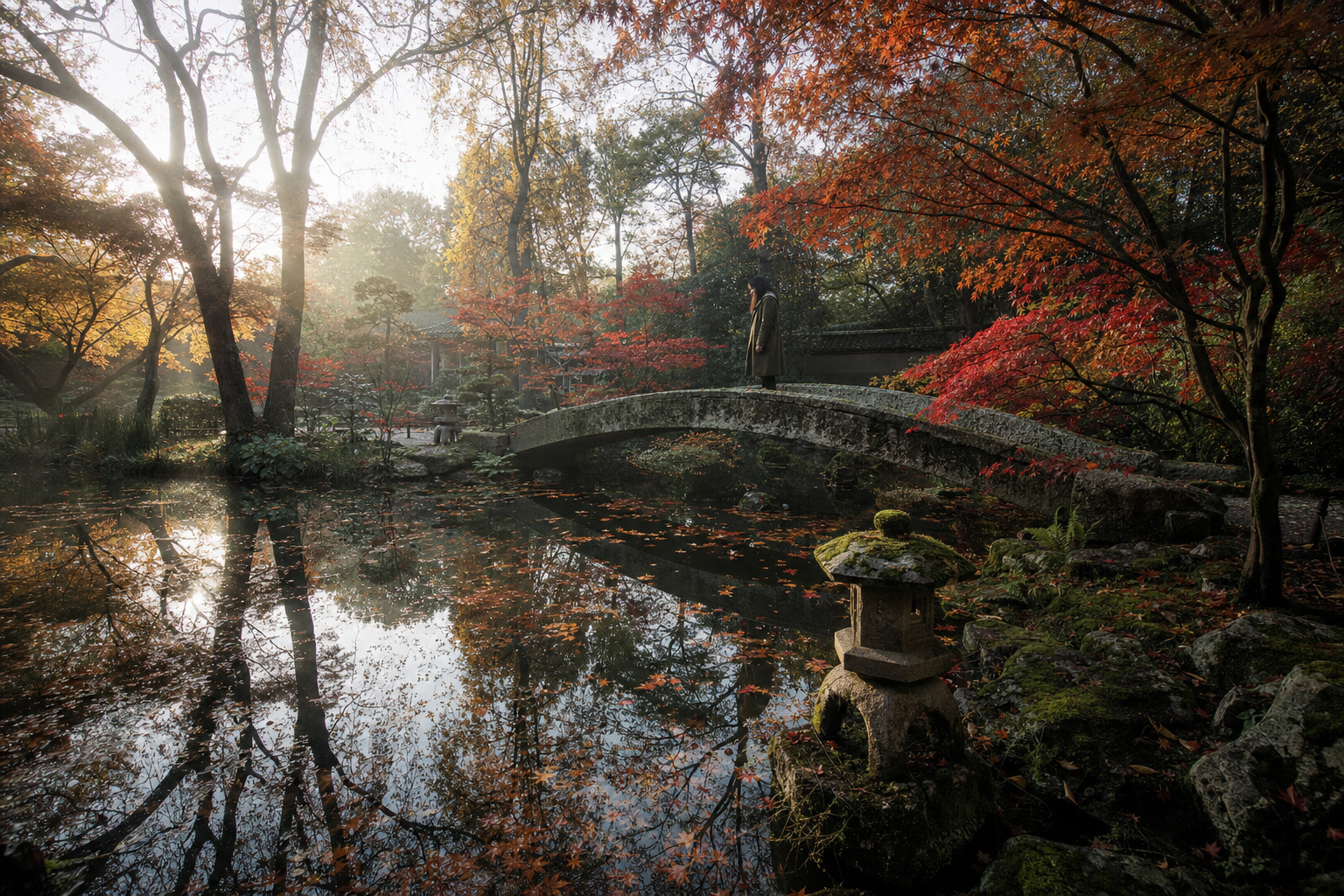
In 1988, construction workers digging beneath the Guildhall Art Gallery in the heart of the City of London broke through into something extraordinary: the curved walls of a Roman amphitheatre, buried and forgotten for nearly two millennia. That single discovery — and the fact that most visitors to London walk straight past the entrance without a second glance — tells you everything you need to know about this city. London doesn't just have history; it has layers of it, compressed beneath every pavement slab, tucked inside every Victorian archway, encoded in the walls of buildings that have changed faith four times over. The familiar postcard circuit — Big Ben, the Tower, Buckingham Palace — is worth doing once. But London's real character lives elsewhere: in a medieval lane built over a Roman forum, in a pub cellar that predates the Great Fire, in a market that local traders have used since the reign of King Canute. This guide is for the traveller who wants to go deeper.
Read more →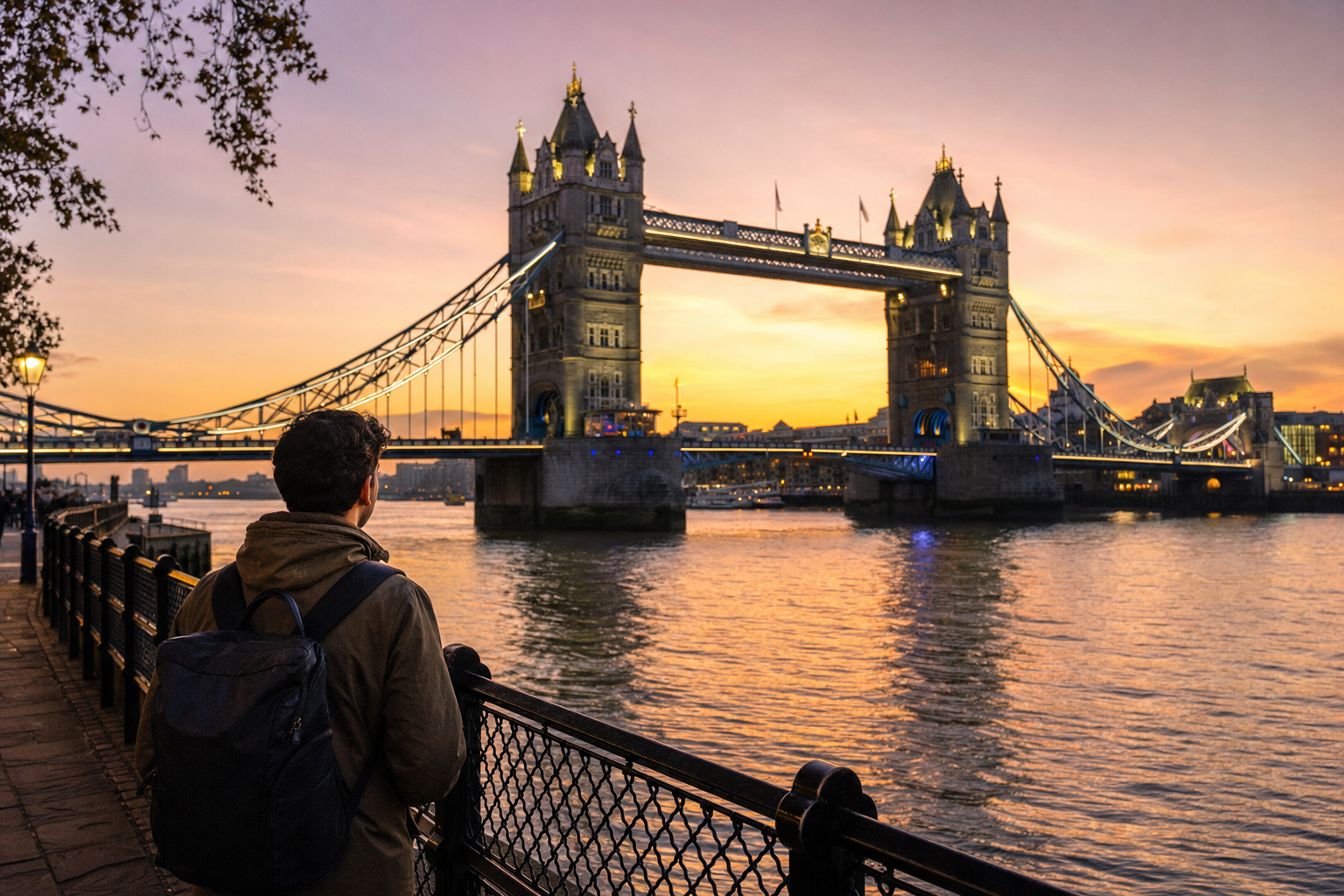
London has been continuously inhabited for nearly 2,000 years — and it shows, in the best possible way. Founded by the Romans as Londinium around 43 AD, the city has accumulated so many layers of history, culture, and contradiction that first-time visitors often feel simultaneously thrilled and overwhelmed. There are 32 boroughs, 272 Tube stations, eight Royal Parks, and more Michelin-starred restaurants than almost any city on earth. And yet, most first-timers follow the same postcard circuit: Big Ben, Tower Bridge, Buckingham Palace, done. This guide is built on a different premise. The more you understand London's strange, patchwork origins — its two founding cities, its explosive Victorian growth, its quietly rebellious neighbourhoods — the more every street corner starts to talk. Whether you have three days or ten, knowing what you're actually looking at transforms a sightseeing trip into something far more memorable. Read on for the specific facts, local intelligence, and neighbourhood stories that generic travel guides never bother to surface.
Read more →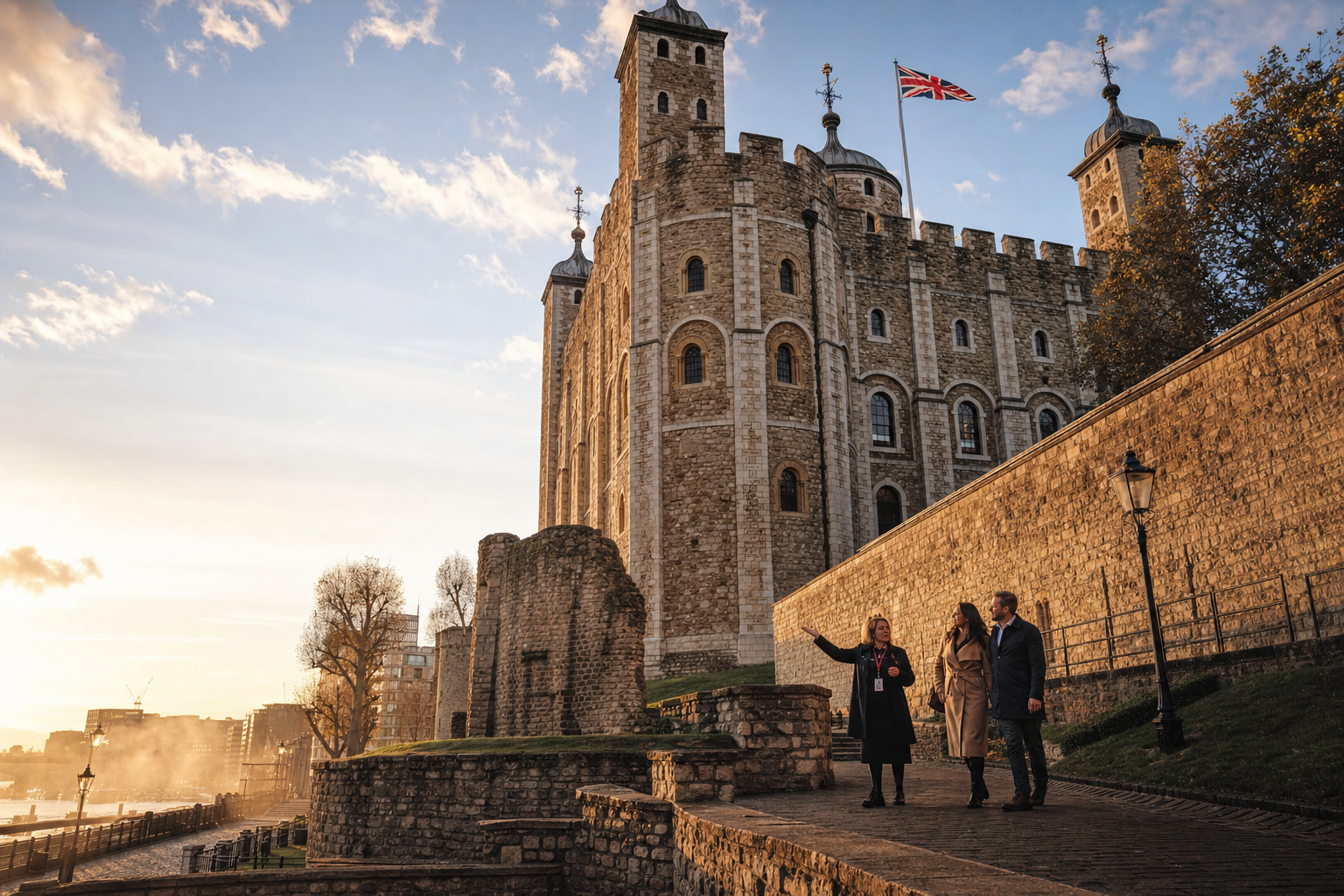
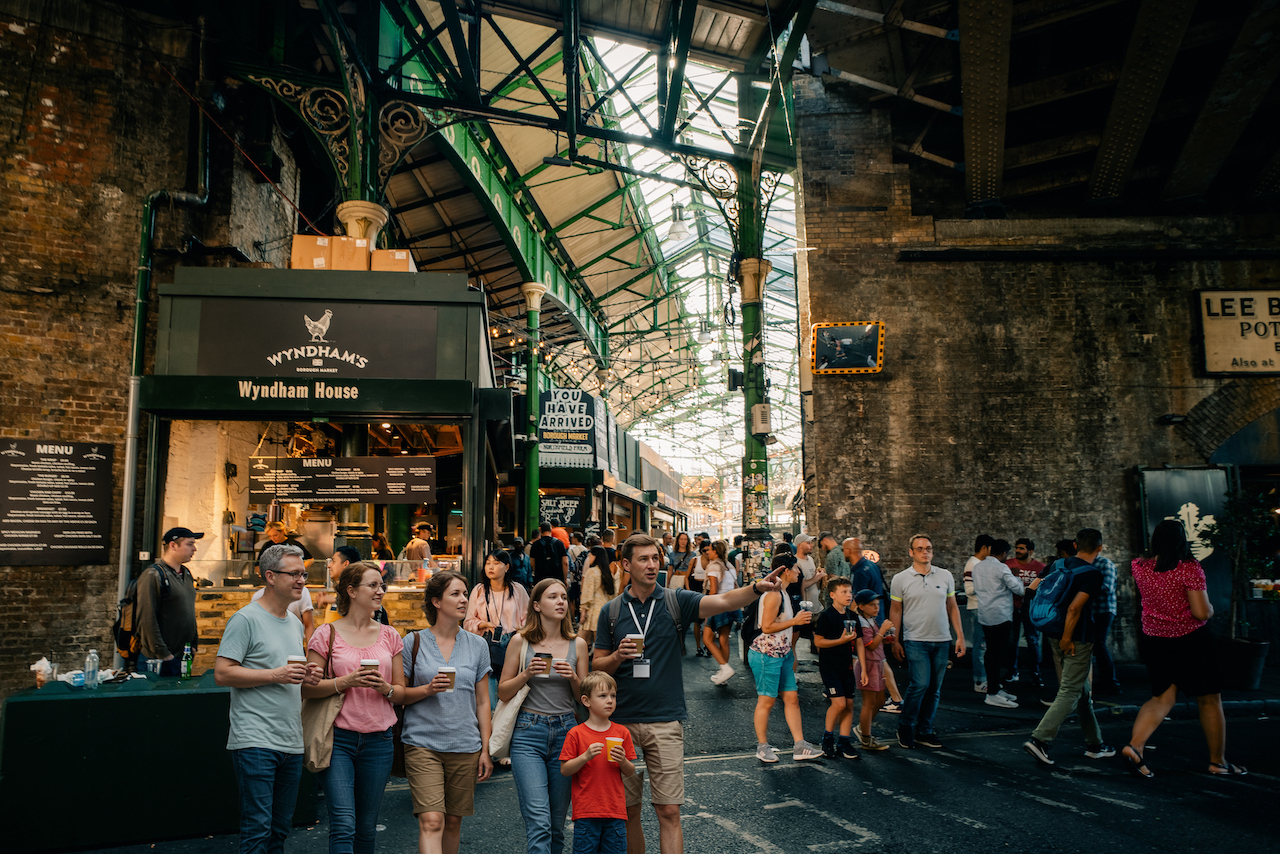
In AD 43, Roman soldiers drove stakes into the north bank of the Thames and founded Londinium — a city that would never stop growing. Nearly two millennia later, London covers 1,572 square kilometres, spans 33 boroughs, and layers Roman foundations, medieval lanes, Georgian terraces, and Victorian engineering so tightly that even long-term residents discover something new every week. That density is exactly what makes London one of the world's great travel destinations — and exactly what makes a generic group tour fall so short. Herded between the same ten landmarks with 30 strangers and a megaphone, most visitors leave having photographed London rather than understood it. A private tour with a knowledgeable local guide changes the equation entirely: the pace is yours, the stories go deeper, and the route bends around your curiosity rather than a fixed script. This guide makes the case for private tours in London, breaks down what the best ones actually show you, and gives you the practical detail you need to plan a visit that does justice to 2,000 years of extraordinary history.
Read more →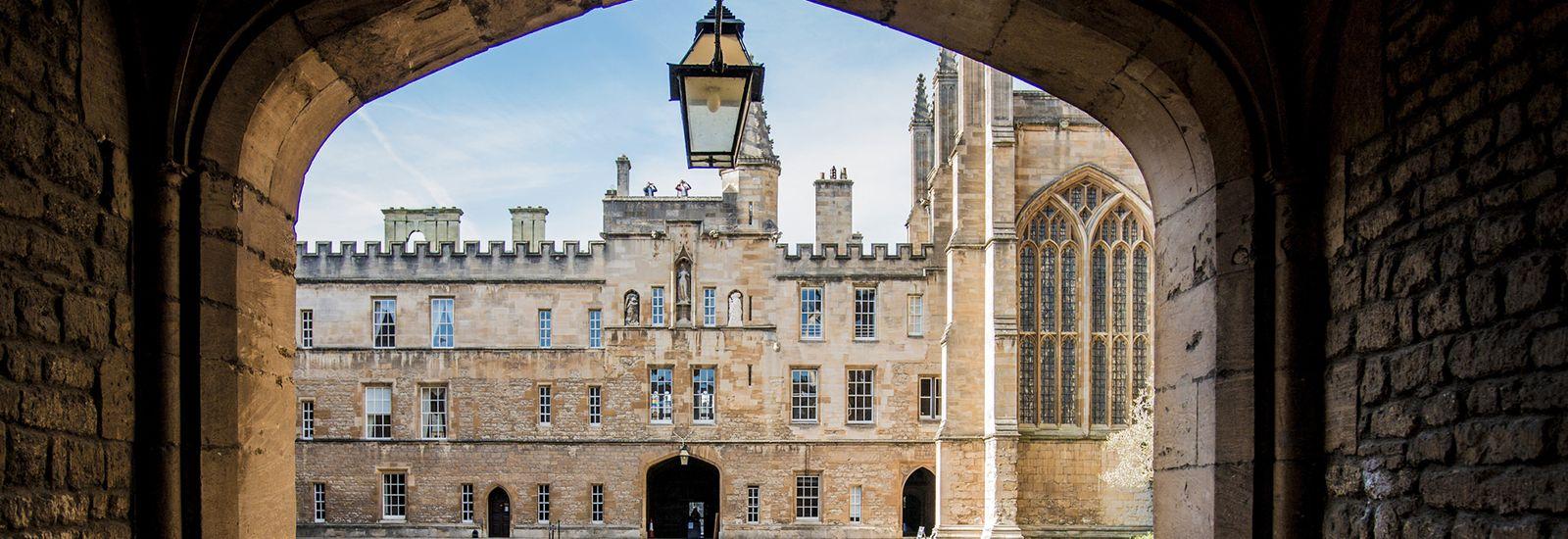
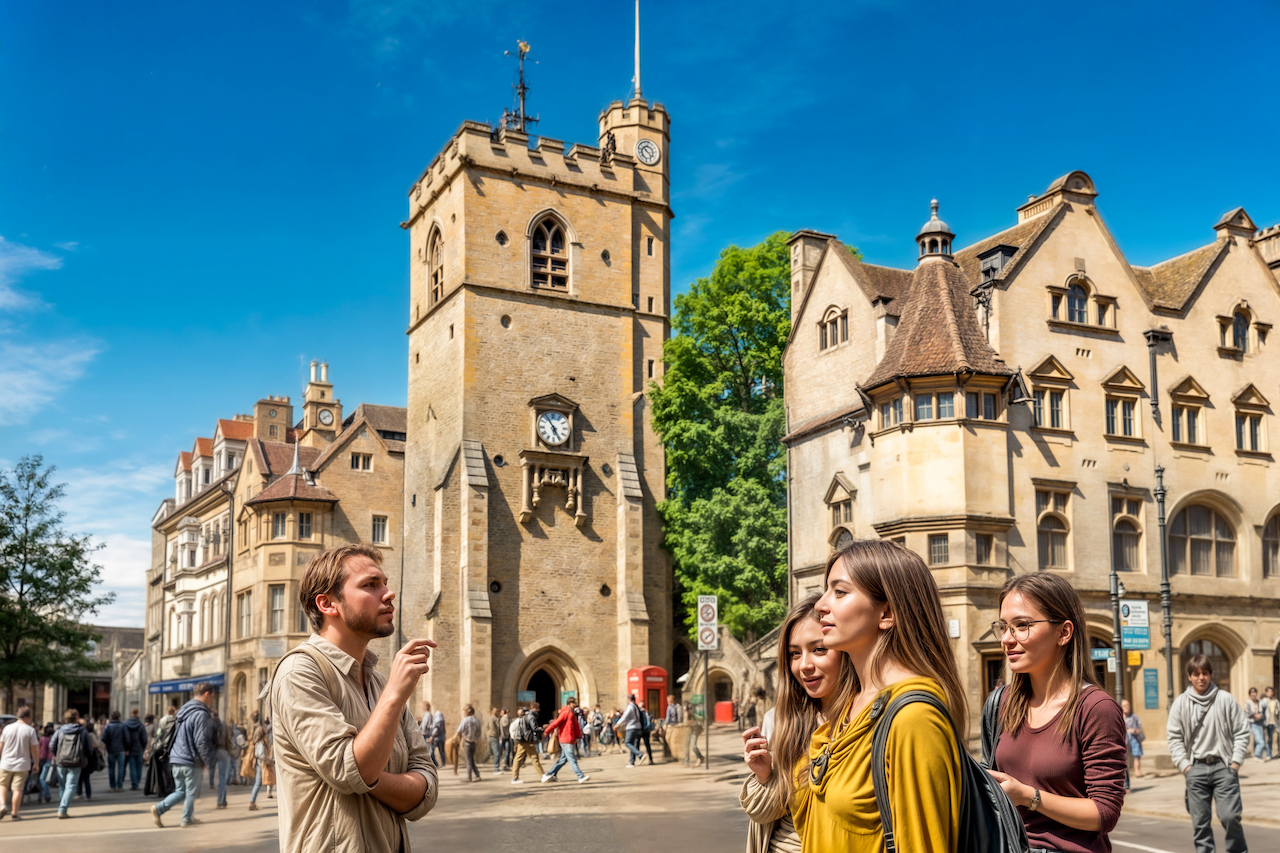
On the banks of the River Thames is one of the most important epicenters of knowledge, Oxford, a university town located in the county of Oxfordshire in England, home to Oxford University, the oldest university in Britain. Years of history and education, traditions and much prestige, mark the life of this place, a city where you can live the university atmosphere like nowhere else, and where you can enjoy the most academic and literary facet of England. Illustrious personalities visited Oxford...imagine Albert Einstein teaching in one of this Colleges?
Read more →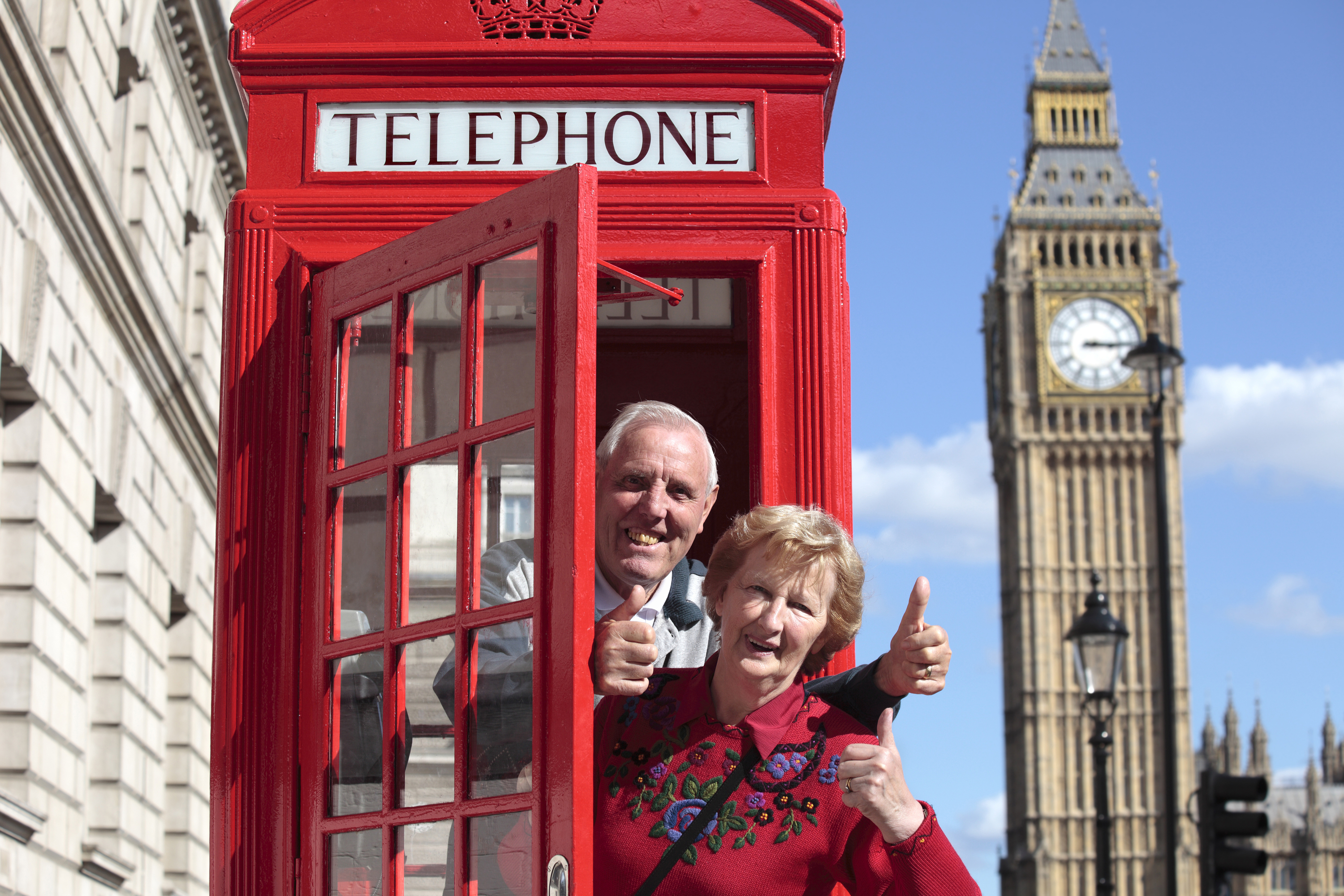
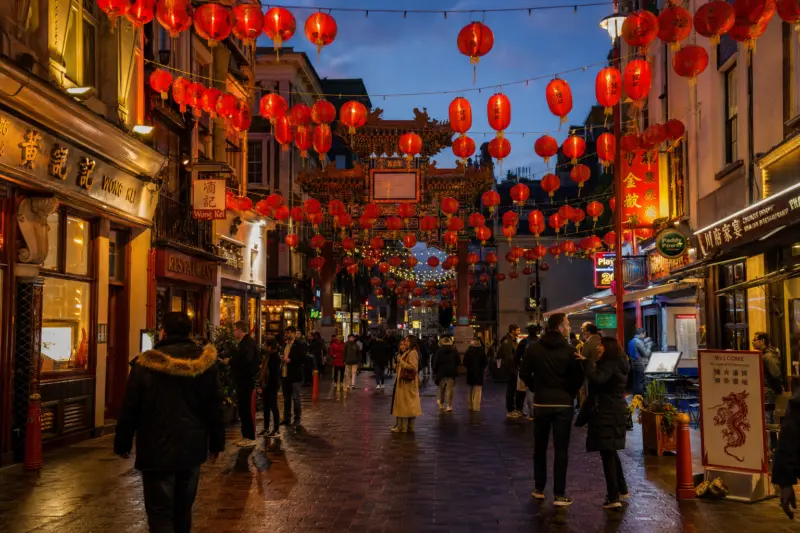
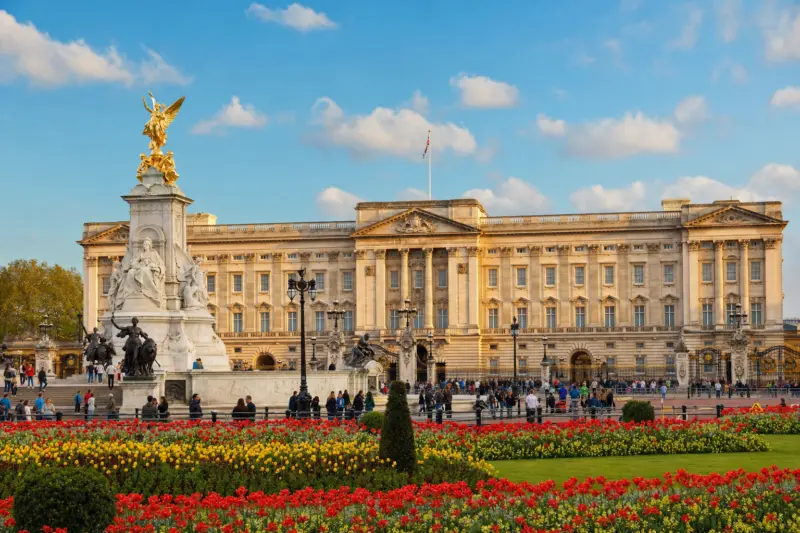
We are super happy to announce that LocalCoolTour is finally starting to provide private tourist services in London... Explore the city! Enjoy the fantastic city of London, following a local guide, and learn about its rich history. You can not miss visiting the famous Big Ben, and the incredible building of the Parliament, on the banks of the River Thames. Have a classic English tea in one of the most elegant neighborhoods: Notting Hill. Visit the most eccentric and authentic areas of London, like Camden Town or Shoreditch, where you can admire Banksy's famous graffitis. Visit Shakespeare's old theatre, the amazing St Paul's Cathedral, or the colorful Leadenhall Market, famous for the Harry Potter saga. A visit of the most emblematic buildings of the monarchy is a must, such as Westminster Abbey or the Towers of London. Discover the varied, often unknown, English gastronomy, and try the exquisite ‘fish & chips’, paired with a good local beer. Take a full-day trip out of London, to wonderful cities, full of history. Oxford, and its prestigious colleges, is a very good option to escape from the hustle and bustle of the city. Enjoy the original private tours that we offer in this magnificent city. This, and much more, awaits you in London! Follow us, as the journey has only just begun!
Read more →We use a single cookie, to remember this choice. We do not use analytics or advertising cookies. Read our cookie policy.