4 hrs
London
Highlights of London Private Tour - Downtown, Notting Hill & Portobello Market
✓ Free cancellation Kids friendly
4.7(27 reviews)
From €188/ person
Book Now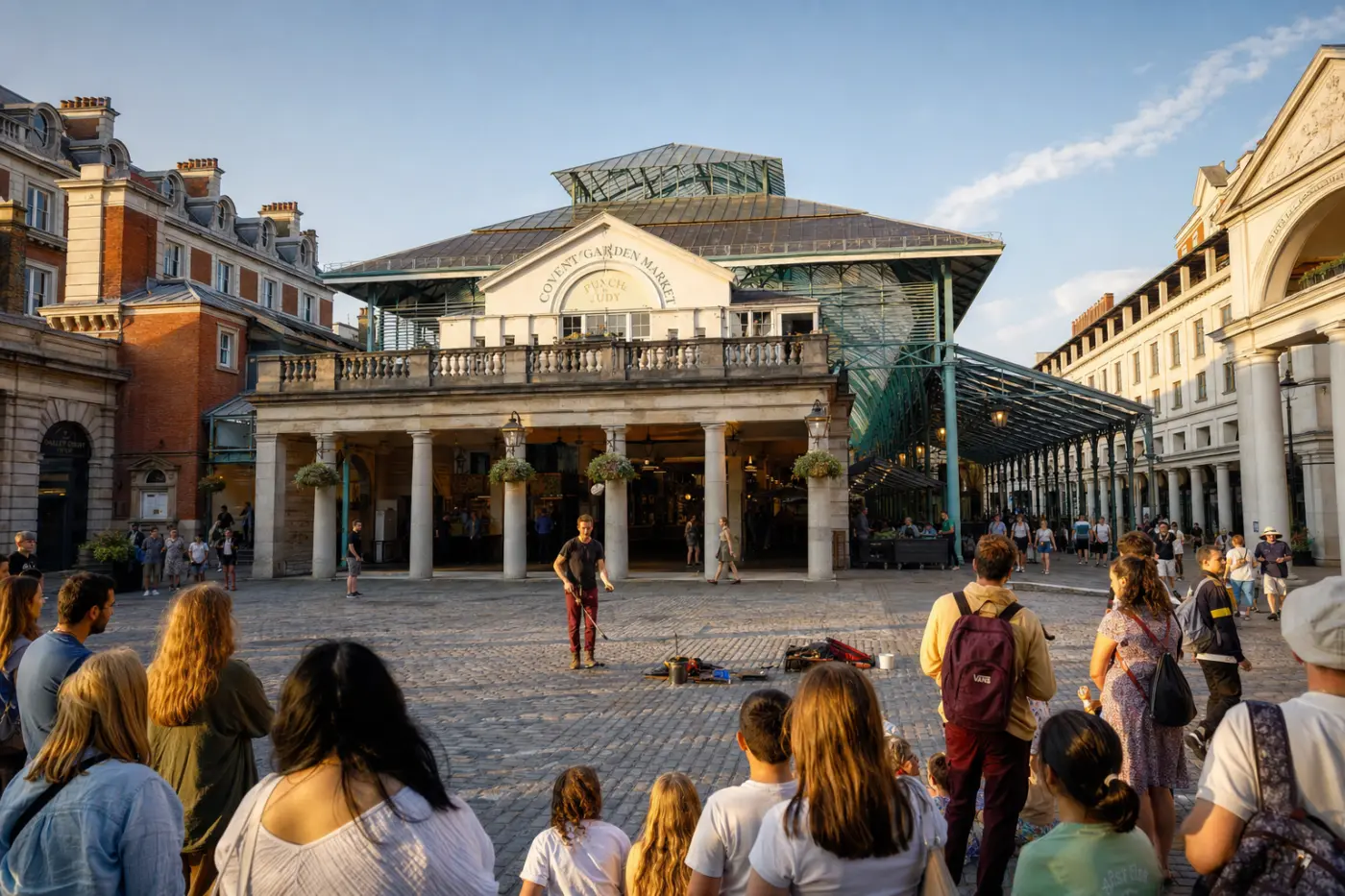
Tourist attraction
Covent Garden's story begins not with merchants or performers, but with monks. The land north of The Strand belonged to the Benedictines of Westminster Abbey, who cultivated it as a kitchen garden — a convent garden — supplying vegetables to the monastery from at least the 13th century. When Henry VIII dissolved the English monasteries in 1536, he seized the plot. In 1552, his son Edward VI granted it to John Russell, 1st Earl of Bedford, whose family would define the area's destiny for the next century. It was the 4th Earl of Bedford, Francis Russell, who transformed an overgrown estate into London's most celebrated piazza. In the 1630s, he commissioned Inigo Jones — architect to King Charles I and England's foremost interpreter of Italian Renaissance design — to build a formal residential square modelled on the arcaded piazzas of Livorno and Rome. Completed around 1637, it was London's first true piazza, a concept so successful that it spawned hundreds of imitators across the capital. Jones also designed St. Paul's Church on the western edge, a neoclassical masterpiece that still stands today and is known as the "Actors' Church" for its intimate connection to the theatre world surrounding it.
By the late 17th century, aristocratic residents had retreated west to newer fashionable addresses, and the square's open space drew market traders selling flowers, fruit, and vegetables. What began as an informal gathering of stalls was formalised by a Royal Charter granted to the Earl of Bedford in 1670, establishing the market legally. It would operate continuously for over 300 years, until the wholesale market relocated to Nine Elms in Battersea in 1974. The Victorian market building that visitors walk through today — the Central Market Hall, constructed between 1828 and 1830 to designs by Charles Fowler — survived that departure and was converted into shops, cafés, and craft stalls, becoming one of London's most beloved retail destinations. The Jubilee Market Hall, added in 1904, now hosts antiques on Mondays and crafts and general goods the rest of the week. Meanwhile, the Royal Opera House on Bow Street — whose origins date to a 1732 theatre on the same site — underwent a major £214 million redevelopment completed in 1999, adding the stunning Floral Hall as a public foyer and cementing Covent Garden's status as Britain's premier home of opera and ballet.
What makes Covent Garden uniquely compelling for visitors is its layered vitality. The piazza functions as London's premier outdoor performance venue, hosting jugglers, classical string quartets, opera singers, and mime artists who audition for coveted licensed pitches — a tradition regulated by Westminster Council since the 1970s. The underground station, designed by Leslie Green and opened in 1907, is famous for its 175-step spiral staircase (a lift is available, but most visitors make the climb at least once). The surrounding streets contain some of London's most characterful independent shopping: Neal's Yard, a hidden courtyard dating from the 1970s' whole-food movement, is a riot of brightly painted buildings and artisan food shops. Nearby Neal Street, Floral Street, and the boutique-lined Long Acre cater to everything from luxury fashion to specialist tea blenders established in the 18th century.
For practical visiting, Covent Garden is busiest between 11am and 6pm on weekends, when street performers draw large crowds in the central piazza. Arriving on a weekday morning allows you to explore the market halls and the crypt café of St. Paul's Church in relative calm. The London Transport Museum, housed in the Victorian Flower Market building on the eastern edge of the piazza since 1980, is an outstanding rainy-day destination with full-size historic buses, trams, and Underground carriages. The Royal Opera House offers free lunchtime recitals on most Mondays, and backstage tours are available most mornings — booking ahead is essential. The nearest Tube station is Covent Garden on the Piccadilly Line, though Holborn (Central and Piccadilly lines) and Leicester Square (Northern and Piccadilly lines) are equally walkable alternatives that avoid the famously crowded single-exit station.
Private tours with a local guide, at your own pace.
London
London

London
London
London
London
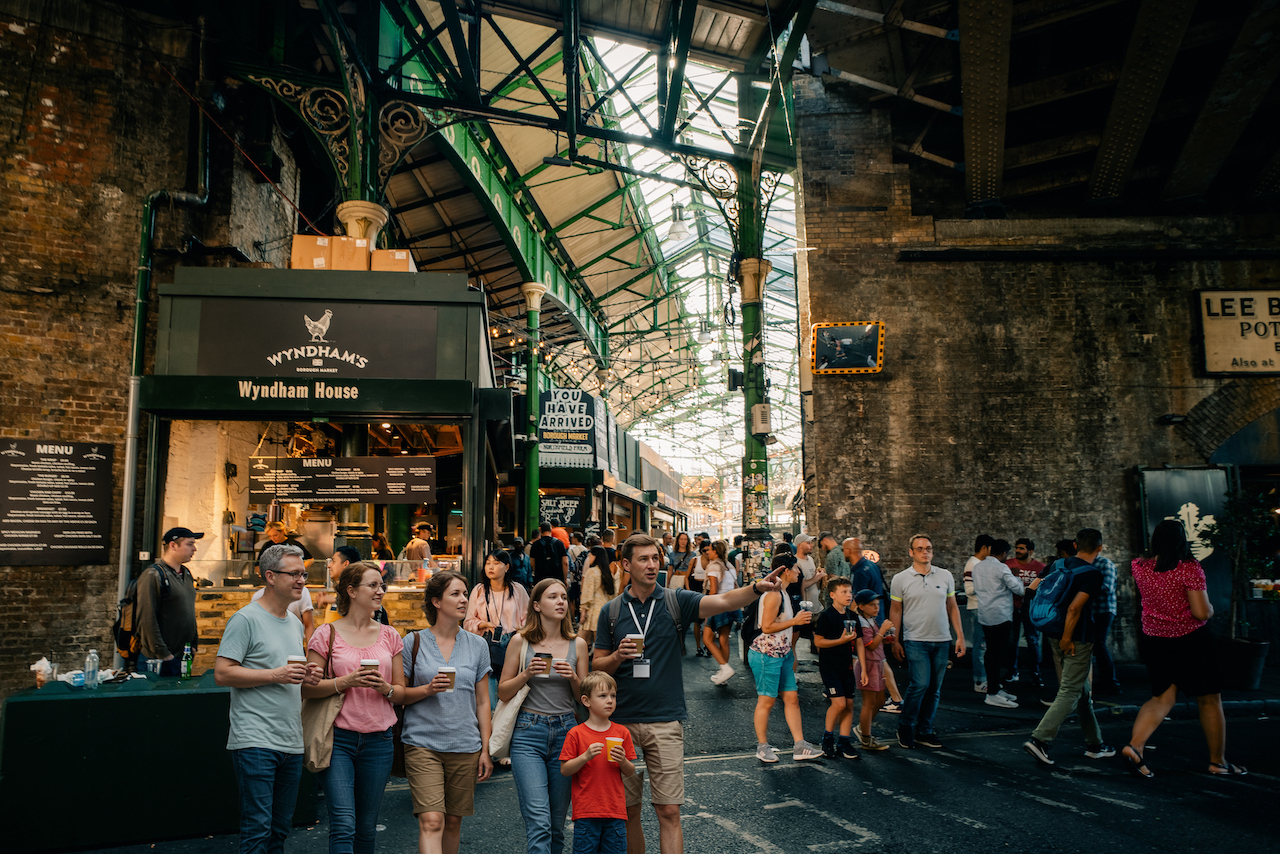
London
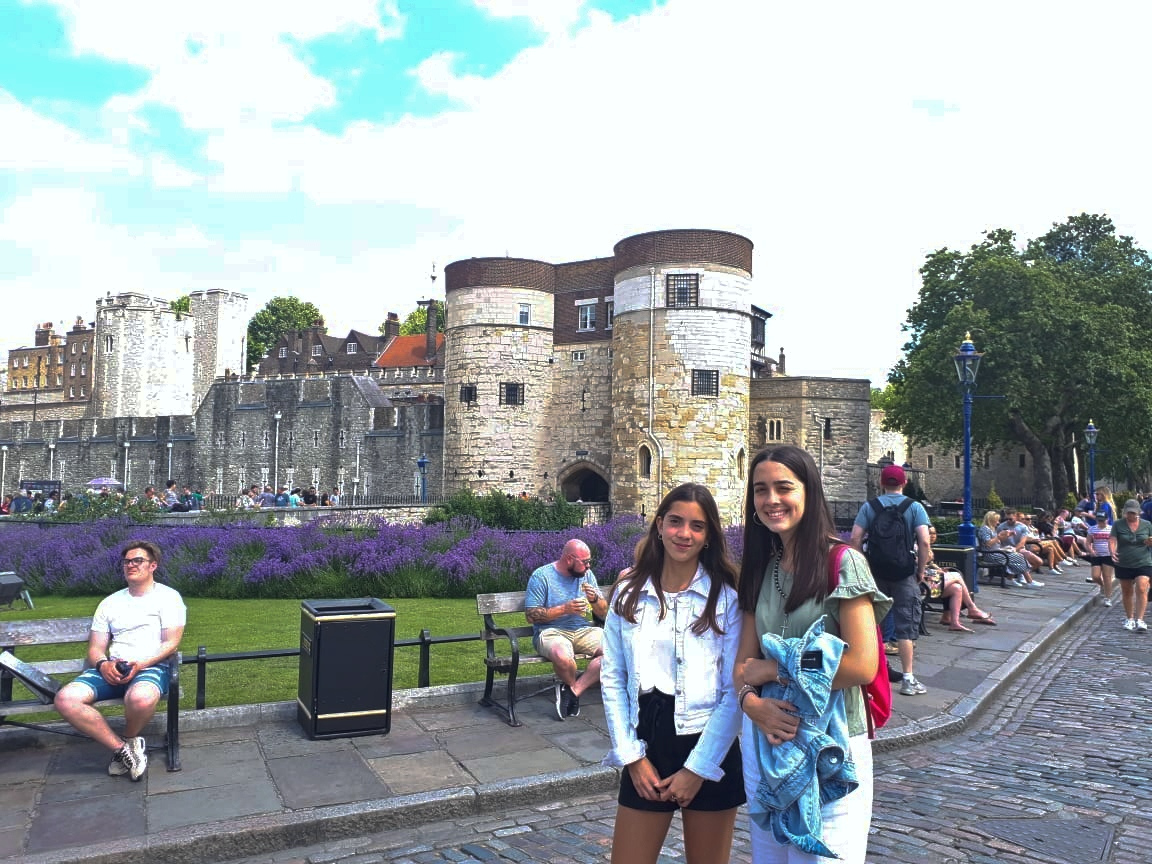
London

London
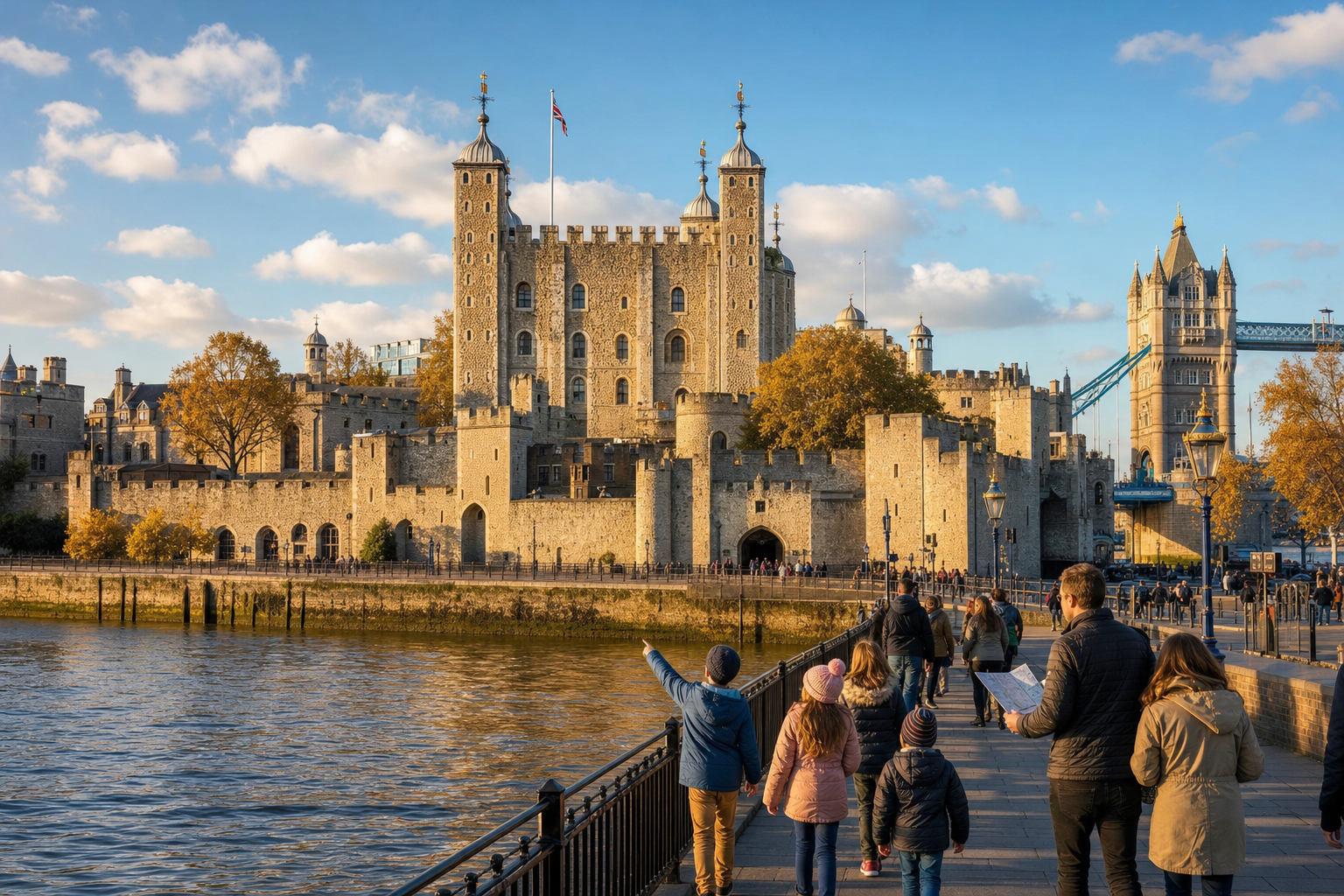
Here is a fact that changes the entire calculus of a London family trip: every child under 11 rides the Tube for free. Pair that with the Natural History Museum, Science Museum, British Museum, and Young V&A — all free to enter — and London stops being the expensive city of parental dread and becomes one of the most extraordinary-value family destinations on earth. The city has been entertaining children since at least 1662, when diarist Samuel Pepys noted watching a puppet show in Covent Garden's piazza — the earliest written record of Punch and Judy in England. That same square is still drawing crowds more than 360 years later. This guide is built around a single, honest itinerary: anchor your day on two world-class free experiences — Covent Garden's street performers and the Natural History Museum — sequence them by walking distance, and calibrate the pace to real child energy levels rather than a tour group's schedule. No inflated expectations, no wasted legs. Just a full, memorable London day.
Read more →
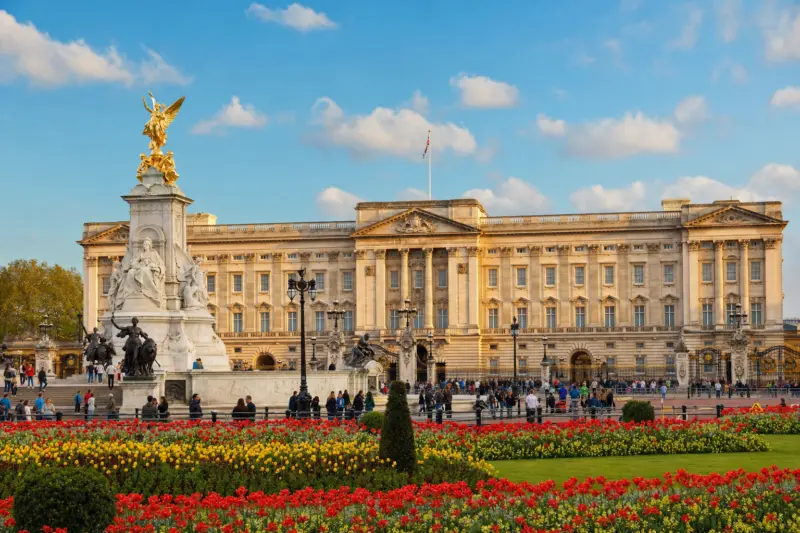
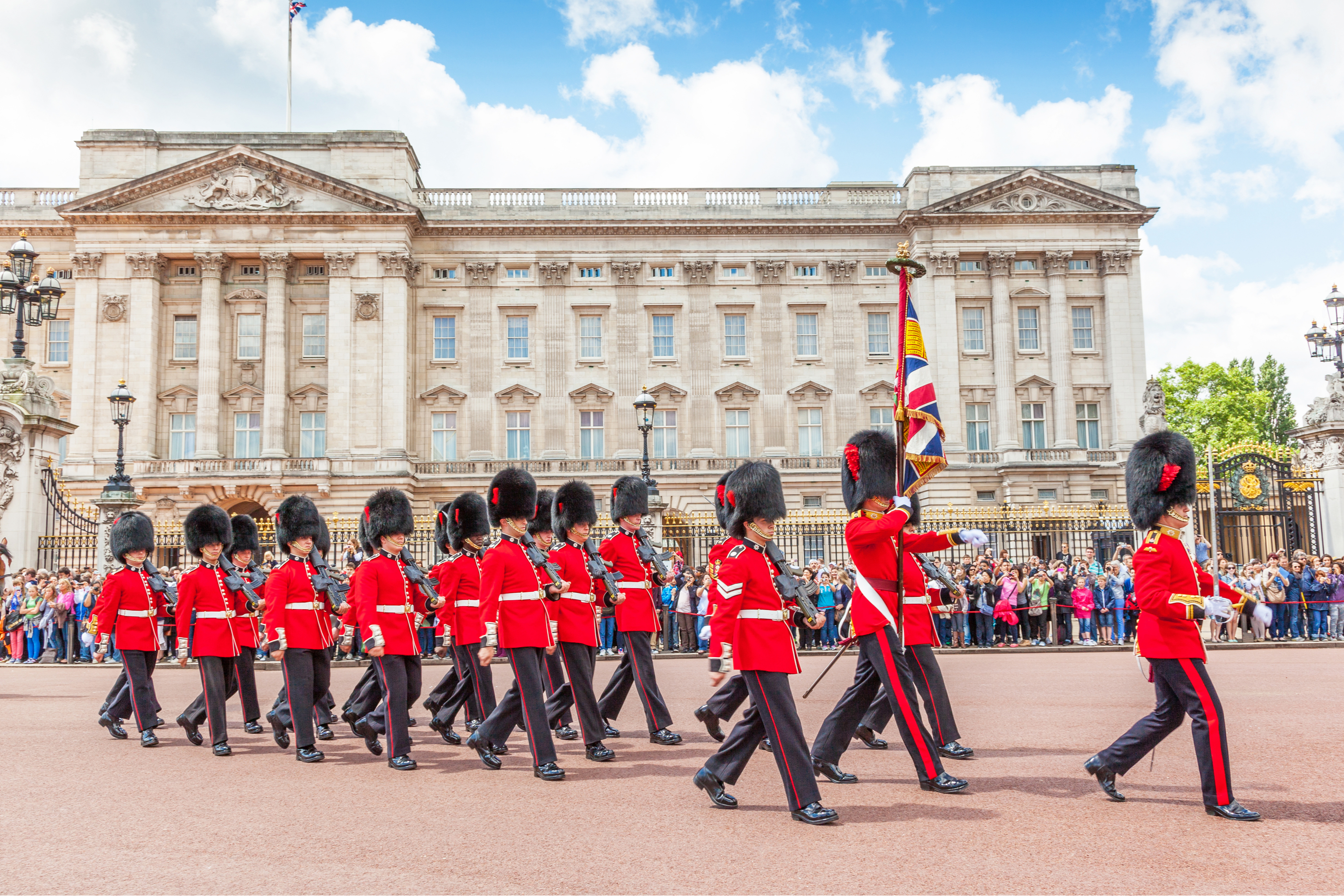
In 1988, construction workers digging beneath the Guildhall Art Gallery in the heart of the City of London broke through into something extraordinary: the curved walls of a Roman amphitheatre, buried and forgotten for nearly two millennia. That single discovery — and the fact that most visitors to London walk straight past the entrance without a second glance — tells you everything you need to know about this city. London doesn't just have history; it has layers of it, compressed beneath every pavement slab, tucked inside every Victorian archway, encoded in the walls of buildings that have changed faith four times over. The familiar postcard circuit — Big Ben, the Tower, Buckingham Palace — is worth doing once. But London's real character lives elsewhere: in a medieval lane built over a Roman forum, in a pub cellar that predates the Great Fire, in a market that local traders have used since the reign of King Canute. This guide is for the traveller who wants to go deeper.
Read more →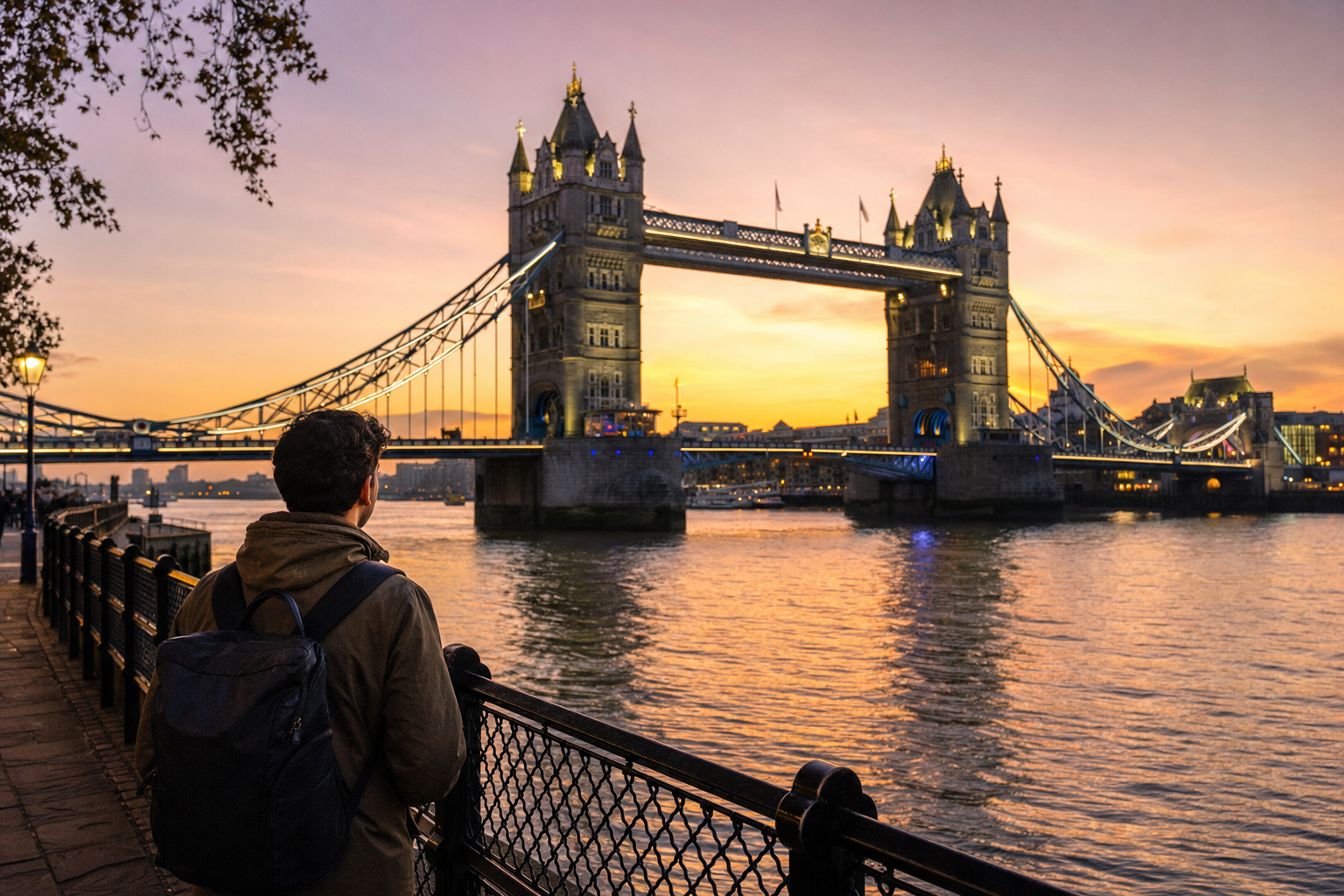
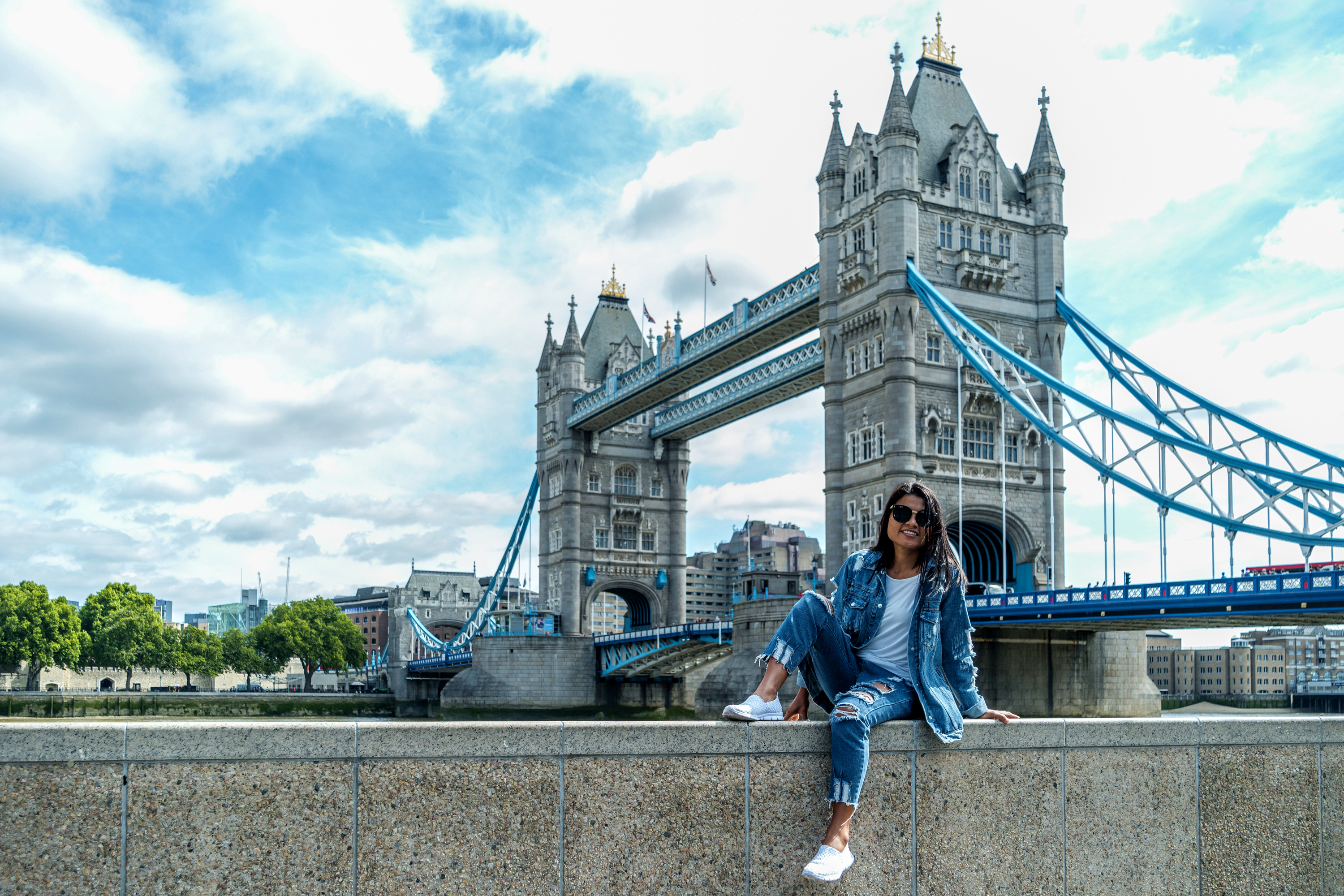
London has been continuously inhabited for nearly 2,000 years — and it shows, in the best possible way. Founded by the Romans as Londinium around 43 AD, the city has accumulated so many layers of history, culture, and contradiction that first-time visitors often feel simultaneously thrilled and overwhelmed. There are 32 boroughs, 272 Tube stations, eight Royal Parks, and more Michelin-starred restaurants than almost any city on earth. And yet, most first-timers follow the same postcard circuit: Big Ben, Tower Bridge, Buckingham Palace, done. This guide is built on a different premise. The more you understand London's strange, patchwork origins — its two founding cities, its explosive Victorian growth, its quietly rebellious neighbourhoods — the more every street corner starts to talk. Whether you have three days or ten, knowing what you're actually looking at transforms a sightseeing trip into something far more memorable. Read on for the specific facts, local intelligence, and neighbourhood stories that generic travel guides never bother to surface.
Read more →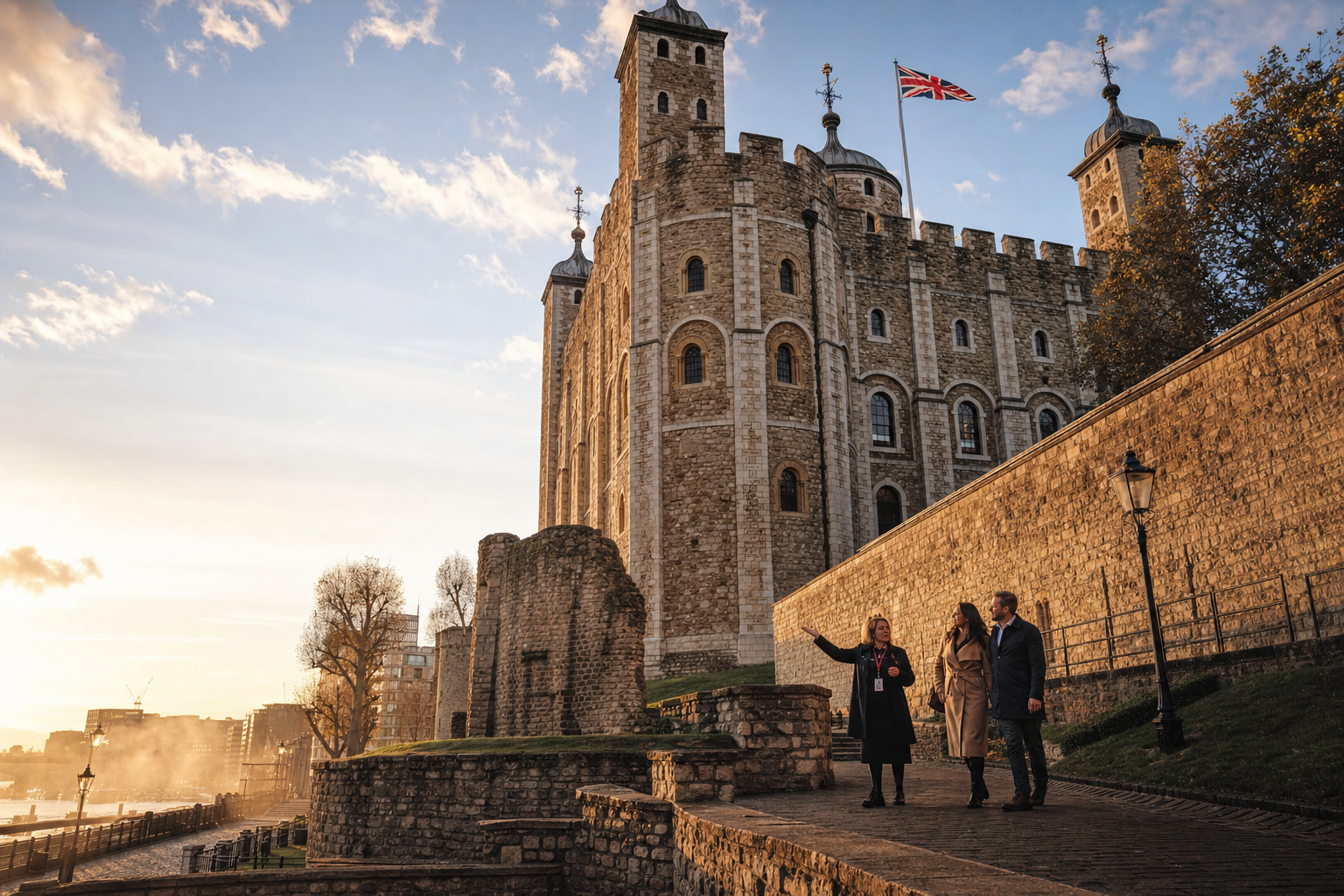
In AD 43, Roman soldiers drove stakes into the north bank of the Thames and founded Londinium — a city that would never stop growing. Nearly two millennia later, London covers 1,572 square kilometres, spans 33 boroughs, and layers Roman foundations, medieval lanes, Georgian terraces, and Victorian engineering so tightly that even long-term residents discover something new every week. That density is exactly what makes London one of the world's great travel destinations — and exactly what makes a generic group tour fall so short. Herded between the same ten landmarks with 30 strangers and a megaphone, most visitors leave having photographed London rather than understood it. A private tour with a knowledgeable local guide changes the equation entirely: the pace is yours, the stories go deeper, and the route bends around your curiosity rather than a fixed script. This guide makes the case for private tours in London, breaks down what the best ones actually show you, and gives you the practical detail you need to plan a visit that does justice to 2,000 years of extraordinary history.
Read more →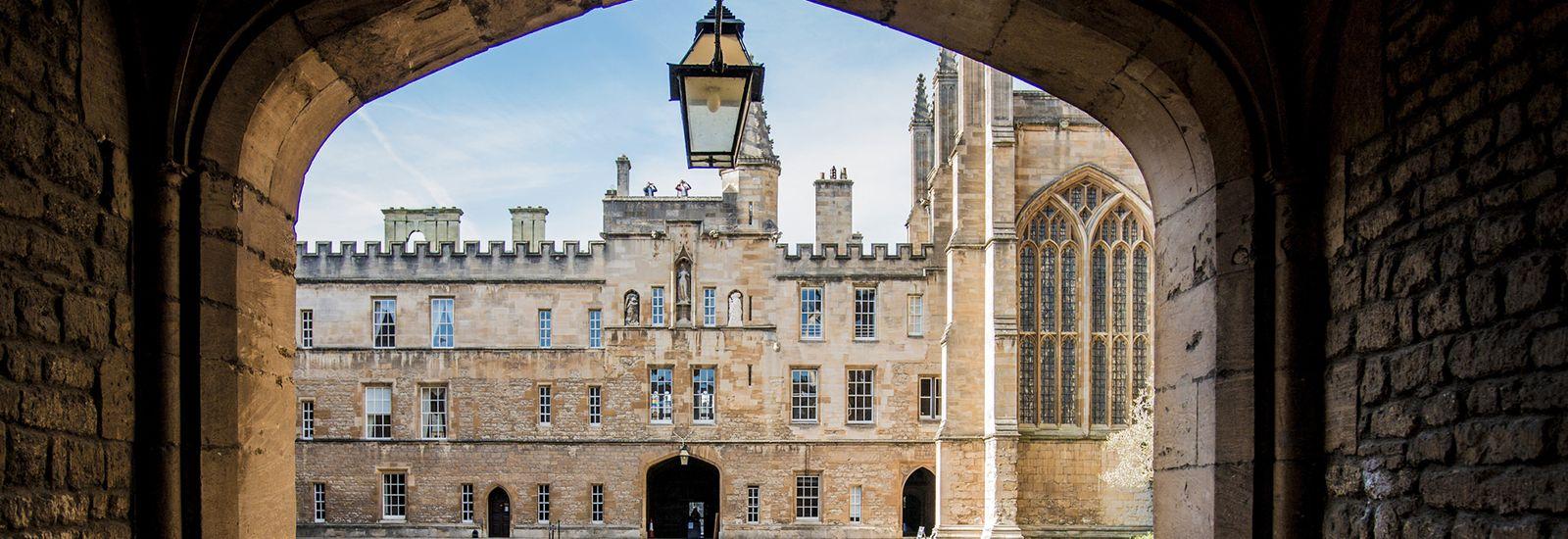
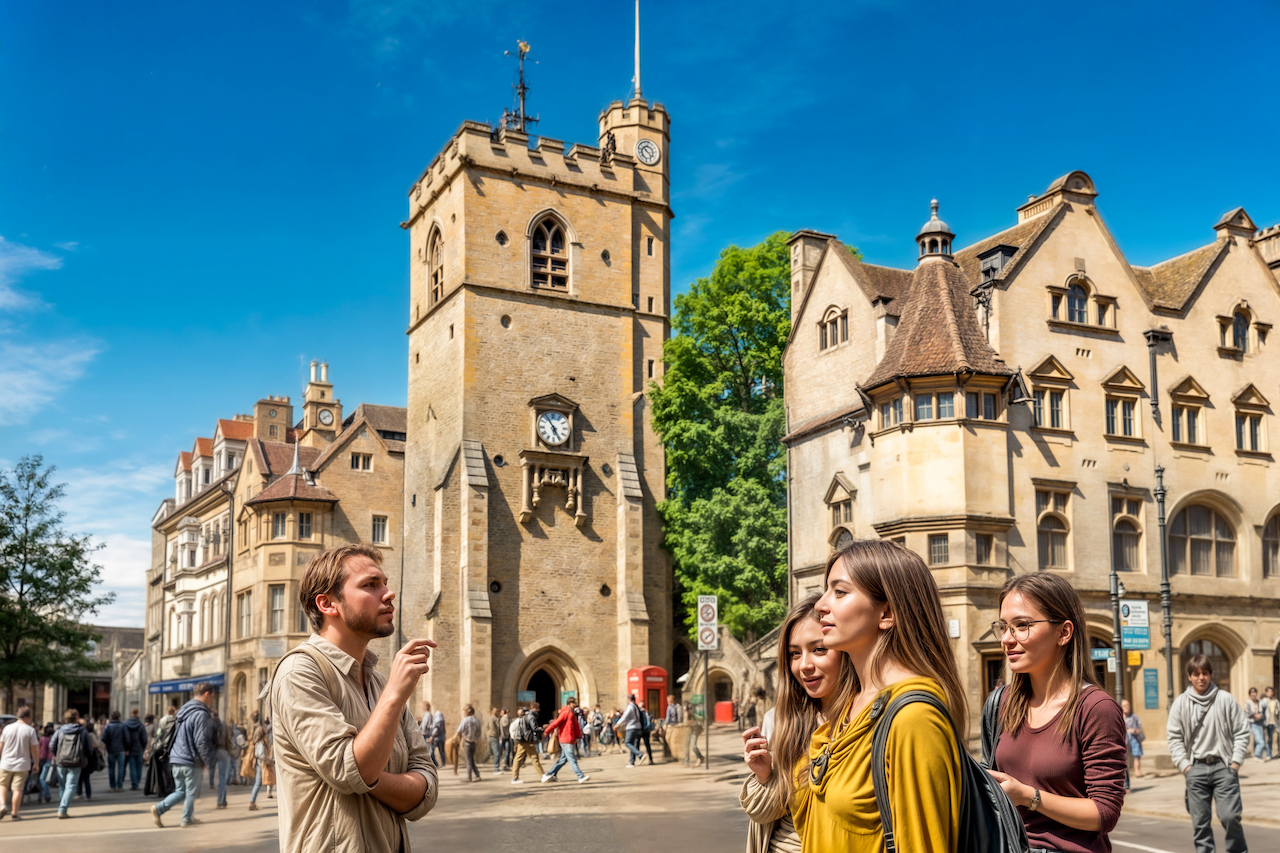
On the banks of the River Thames is one of the most important epicenters of knowledge, Oxford, a university town located in the county of Oxfordshire in England, home to Oxford University, the oldest university in Britain. Years of history and education, traditions and much prestige, mark the life of this place, a city where you can live the university atmosphere like nowhere else, and where you can enjoy the most academic and literary facet of England. Illustrious personalities visited Oxford...imagine Albert Einstein teaching in one of this Colleges?
Read more →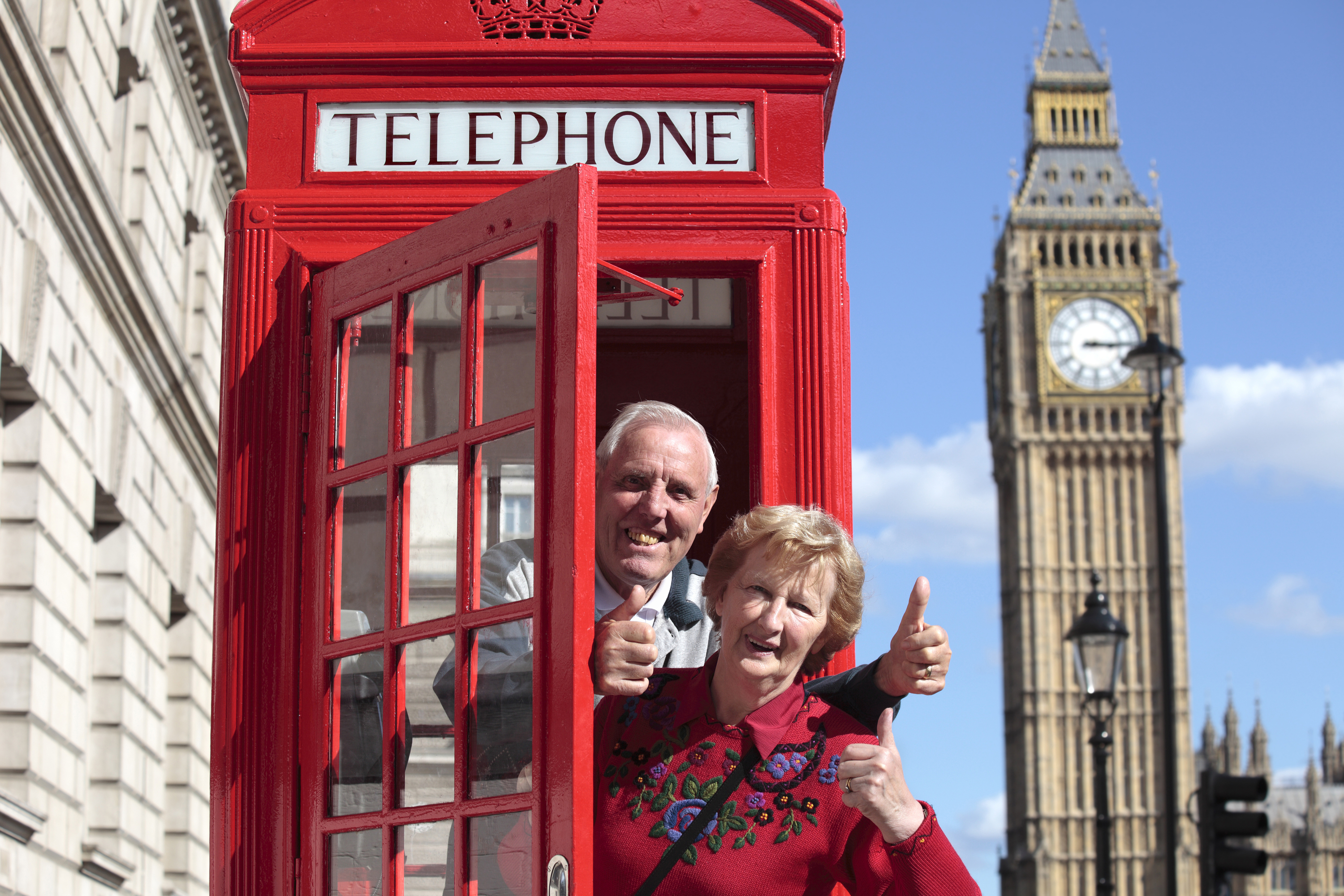
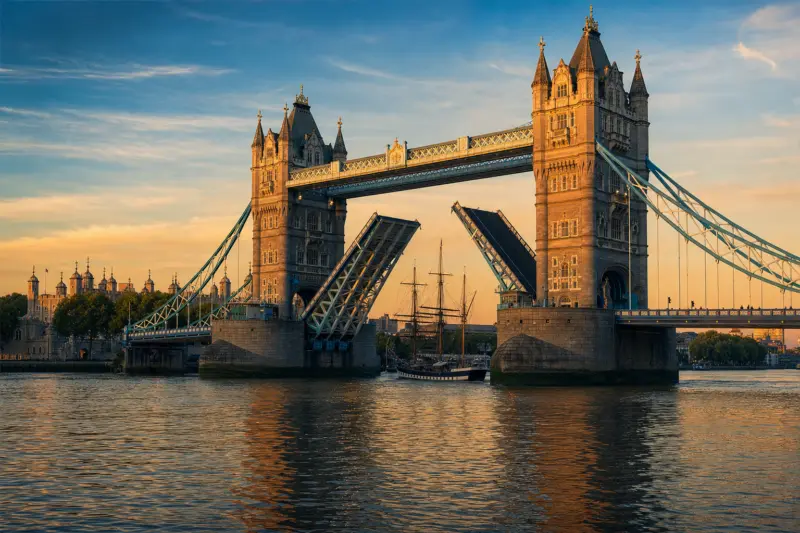
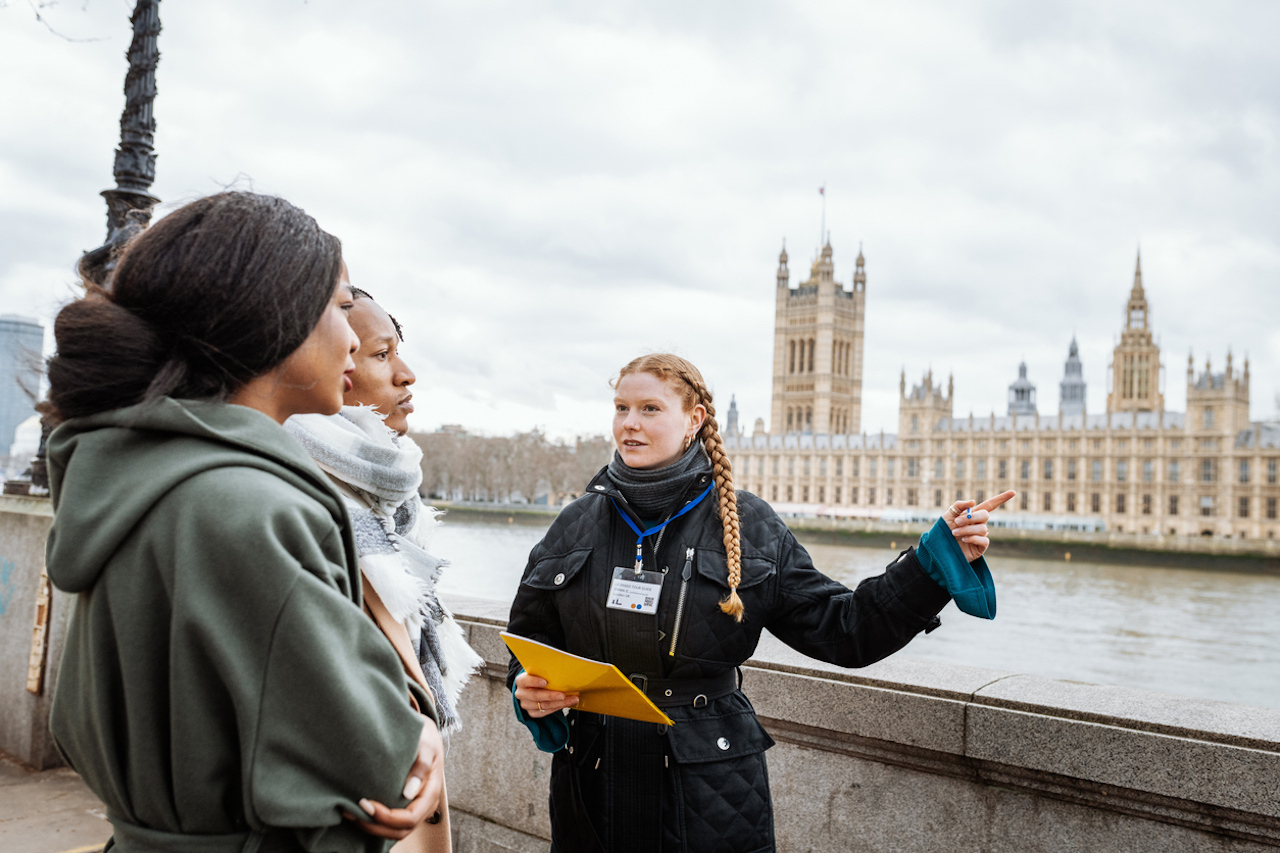
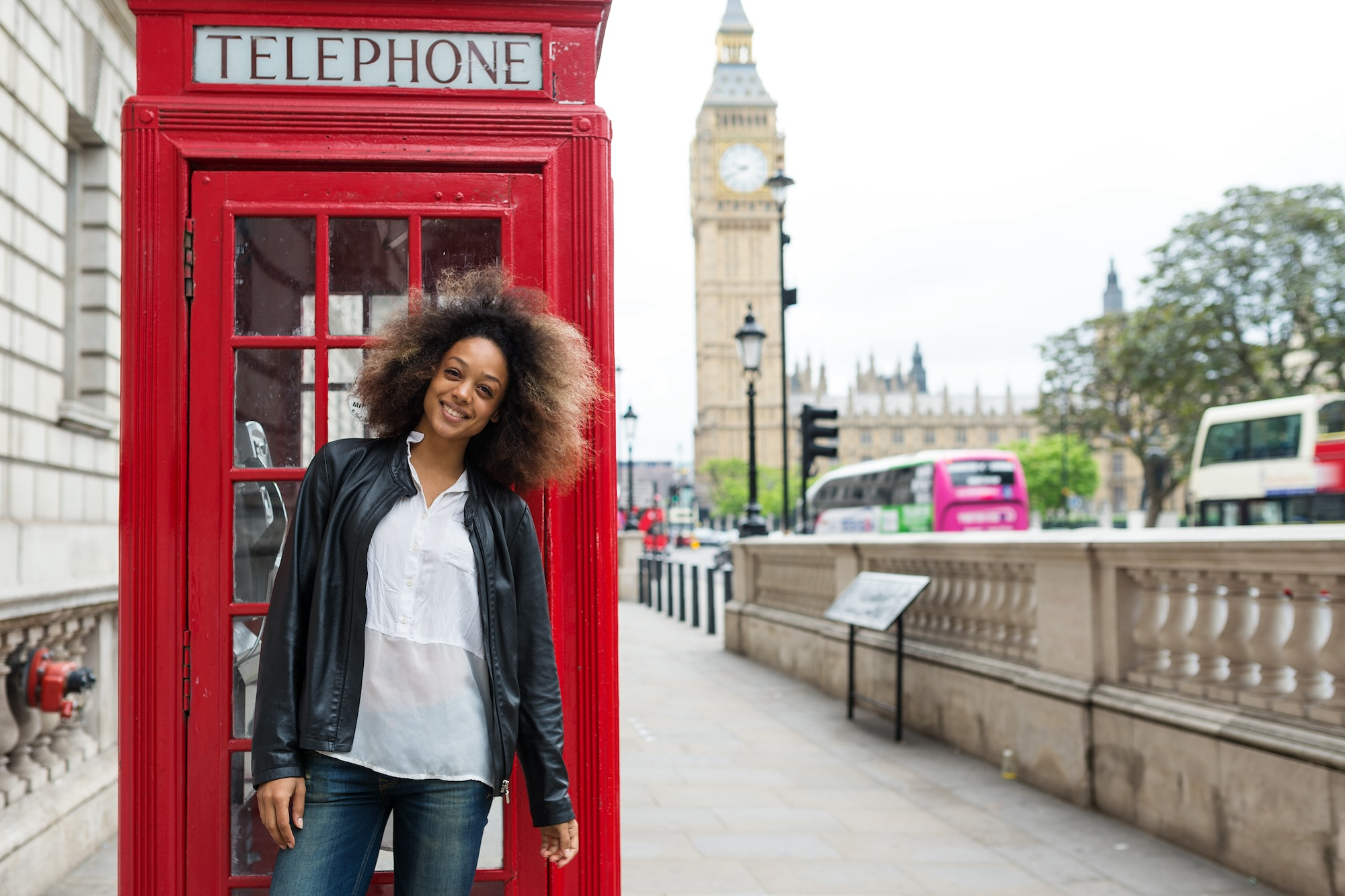
We are super happy to announce that LocalCoolTour is finally starting to provide private tourist services in London... Explore the city! Enjoy the fantastic city of London, following a local guide, and learn about its rich history. You can not miss visiting the famous Big Ben, and the incredible building of the Parliament, on the banks of the River Thames. Have a classic English tea in one of the most elegant neighborhoods: Notting Hill. Visit the most eccentric and authentic areas of London, like Camden Town or Shoreditch, where you can admire Banksy's famous graffitis. Visit Shakespeare's old theatre, the amazing St Paul's Cathedral, or the colorful Leadenhall Market, famous for the Harry Potter saga. A visit of the most emblematic buildings of the monarchy is a must, such as Westminster Abbey or the Towers of London. Discover the varied, often unknown, English gastronomy, and try the exquisite ‘fish & chips’, paired with a good local beer. Take a full-day trip out of London, to wonderful cities, full of history. Oxford, and its prestigious colleges, is a very good option to escape from the hustle and bustle of the city. Enjoy the original private tours that we offer in this magnificent city. This, and much more, awaits you in London! Follow us, as the journey has only just begun!
Read more →We use a single cookie, to remember this choice. We do not use analytics or advertising cookies. Read our cookie policy.