3 hrs
London
London: Private Family Tour, Natural History Museum & Games
✓ Free cancellation Kids friendly
4.5(0 reviews)
From €208/ person
Book Now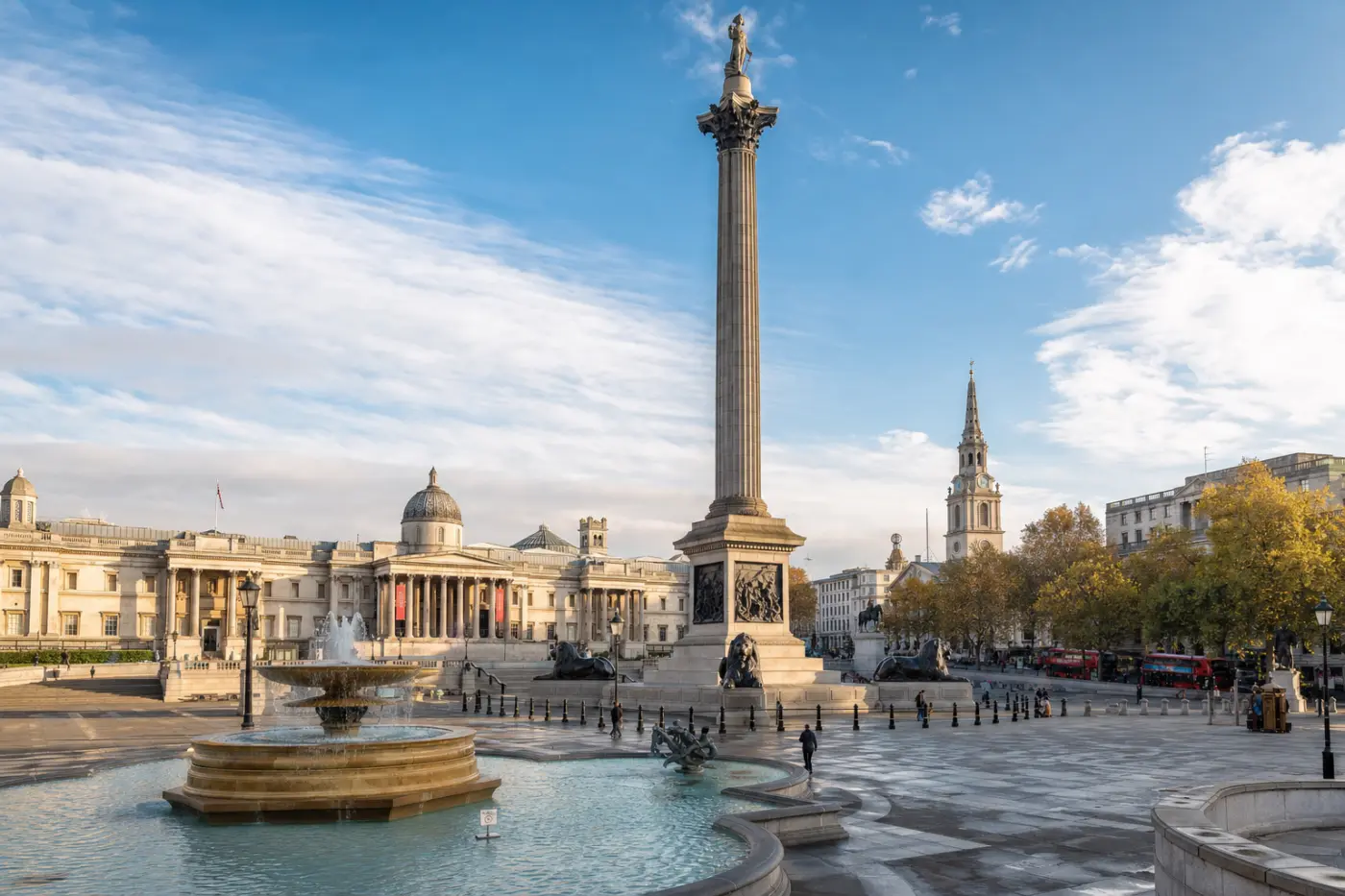
Tourist attraction
Trafalgar Square occupies the historic heart of central London in the City of Westminster, laid out on the site of the former King's Mews — the royal stables that served the Palace of Whitehall. Designed by architect John Nash in the 1820s and completed under Charles Barry in the 1840s, the square was named to commemorate the Battle of Trafalgar on 21 October 1805, in which Admiral Horatio Nelson led the Royal Navy to a decisive victory over the combined French and Spanish fleets off the coast of southern Spain — a battle that secured British naval supremacy for over a century, though Nelson himself was killed by a French sniper during the engagement. The square's centrepiece, Nelson's Column, was erected between 1840 and 1843: the granite shaft stands 51.6 metres (169 feet) tall, topped by a sandstone statue of Nelson carved by E.H. Baily. Four bronze lions, cast from cannons recovered from French and Spanish warships, were added by Edwin Landseer in 1867, completing the memorial's iconic silhouette.
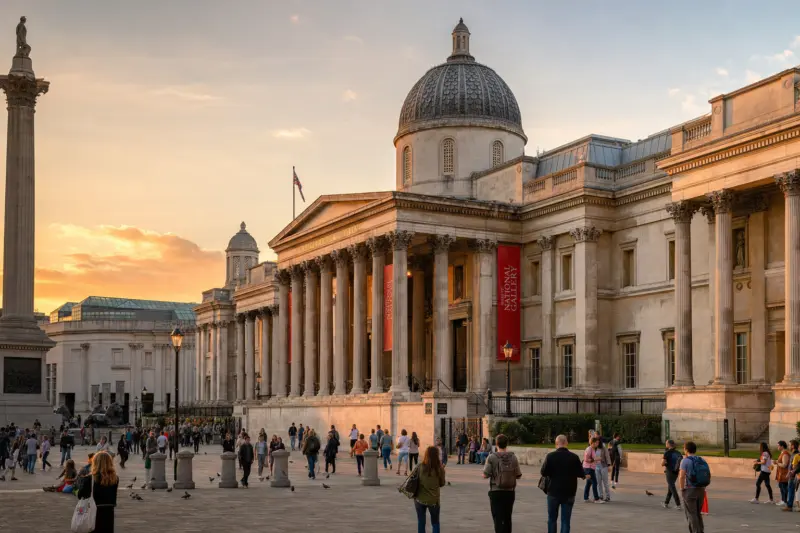
Flanking the square's northern edge is the National Gallery, which relocated to its neoclassical William Wilkins–designed building in 1838, housing one of the finest collections of Western European painting in the world — over 2,300 works spanning from 1250 to 1900. Three of the square's four plinths hold permanent Victorian statues: King George IV, General Sir Charles James Napier, and Major General Sir Henry Havelock. The fourth — the so-called Fourth Plinth — was left empty in 1841 due to lack of funds and has since 1999 hosted a rotating programme of specially commissioned contemporary artworks, making it one of the most unusual public art platforms in the world. Past commissions have included Marc Quinn's 2009 resin sculpture of a pregnant woman with limb differences and Heather Phillipson's inflatable rooftop sundae in 2020.
The square has served as London's primary gathering space for public protest and celebration for nearly two centuries. It was the site of major Chartist demonstrations in the 1840s, anti-apartheid vigils, and VE Day celebrations in 1945, when enormous crowds flooded the square upon the announcement of Germany's surrender. Today it hosts the Mayor of London's annual New Year's Eve celebrations, the Diwali festival of lights, Pride events, and the famous Christmas tree — a tradition dating to 1947, when Norway began gifting the tree annually as thanks for Britain's support during World War II. The two Edwin Lutyens–designed fountains, added in 1939, were partly designed to reduce the available space for large political gatherings — a practical detail that reveals much about the square's complicated political history.
Trafalgar Square is free to enter and accessible at all hours. The nearest Underground stations are Charing Cross (Bakerloo and Northern lines) and Embankment (District and Circle lines), each less than five minutes on foot. The National Gallery opens daily from 10:00 to 18:00 (Fridays until 21:00) with free general admission. Visitors arriving in the early morning will find the square at its quietest and most photogenic, with golden light falling across Nelson's Column before the tourist crowds gather. The square's elevated northern terrace — the Grand Staircase added during the 2003 pedestrianisation of the northern road — offers the best unobstructed view across the full length of Whitehall toward the Palace of Westminster.
Private tours with a local guide, at your own pace.
London
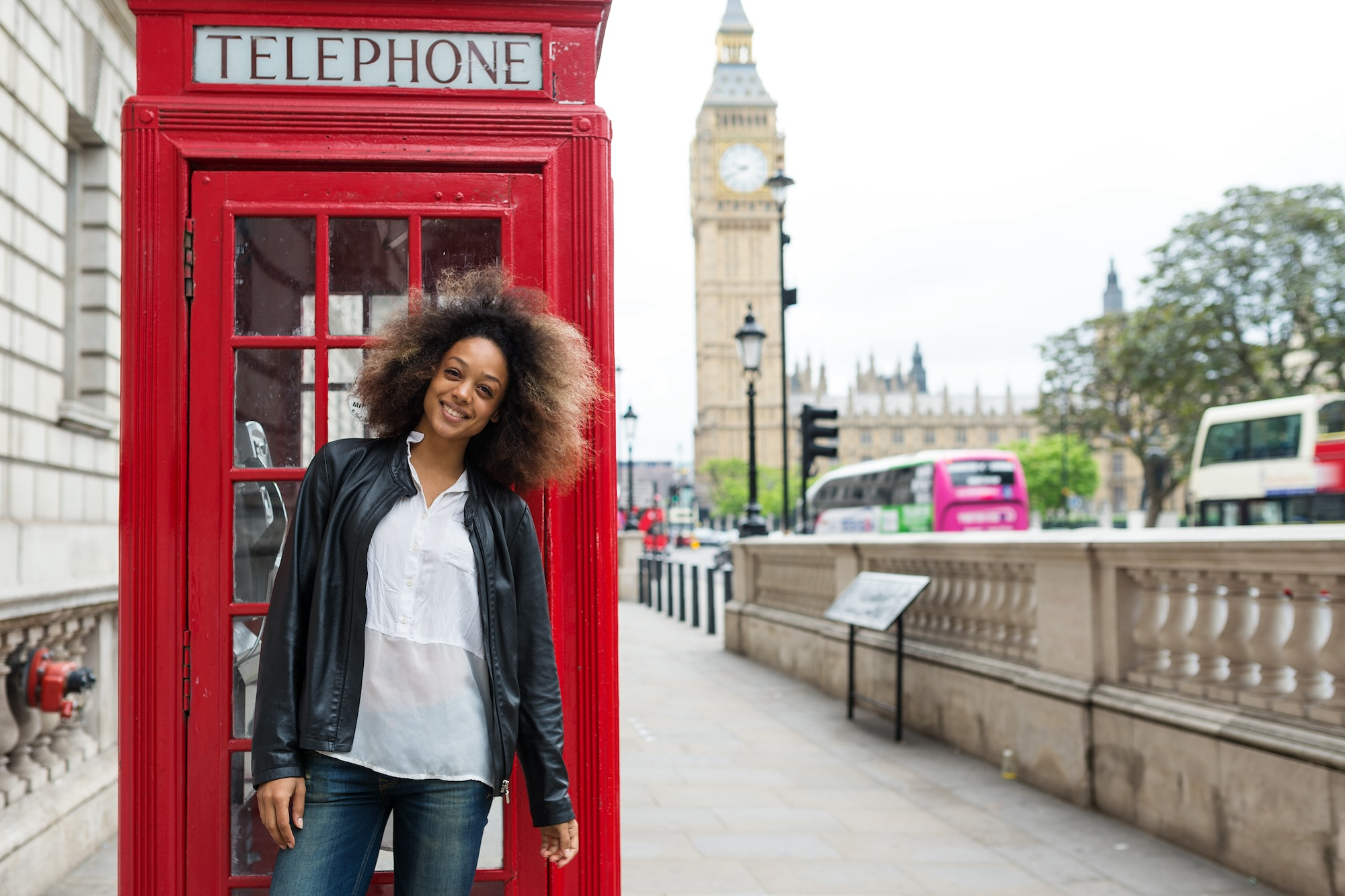
London

London
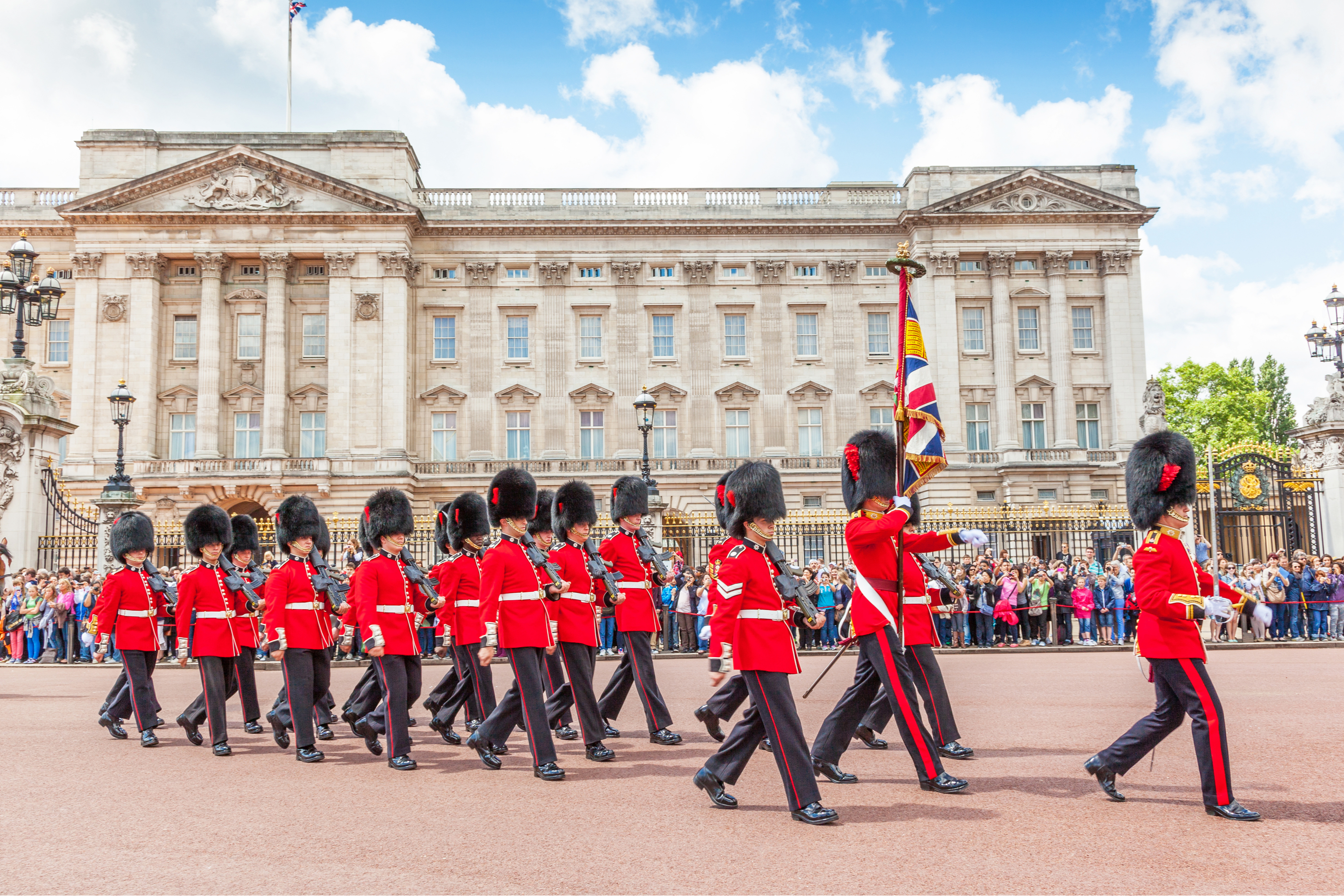
London
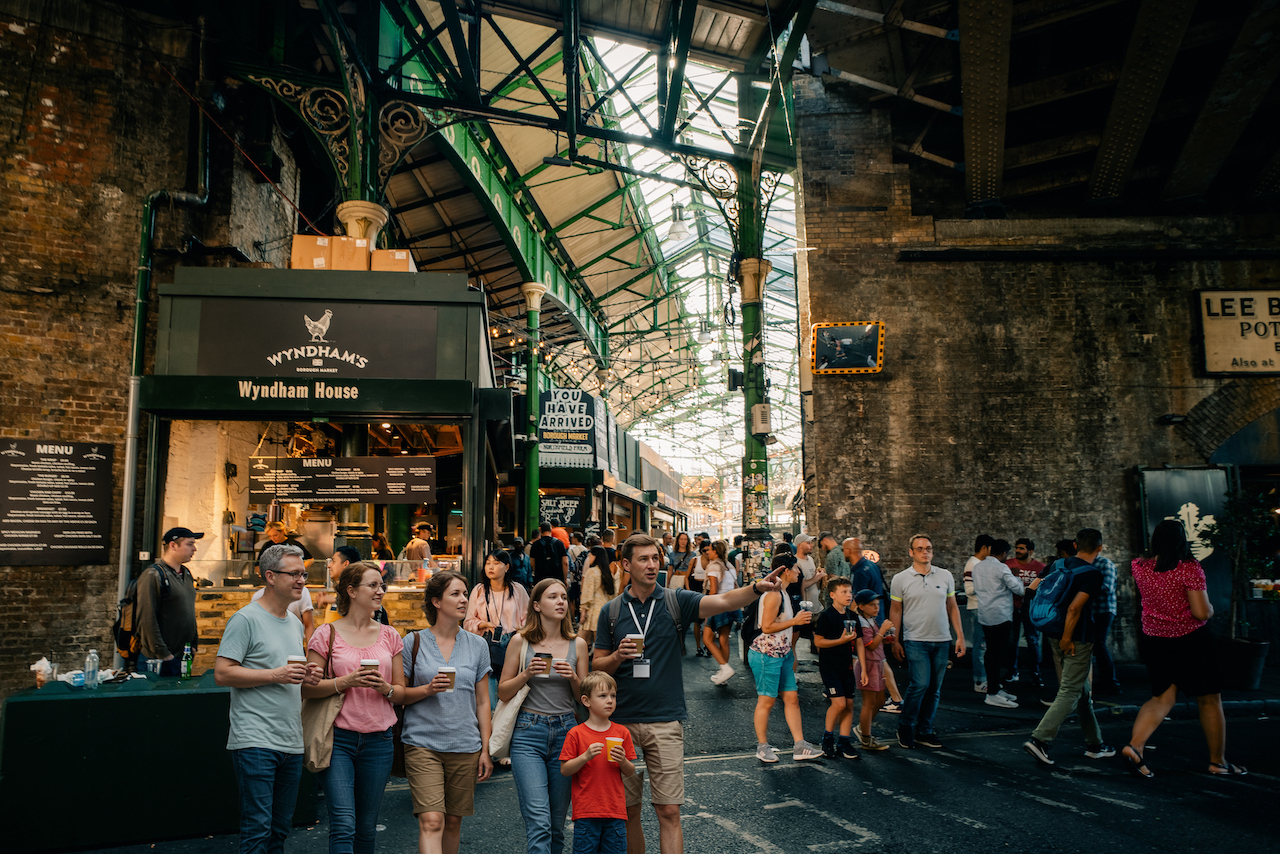
London
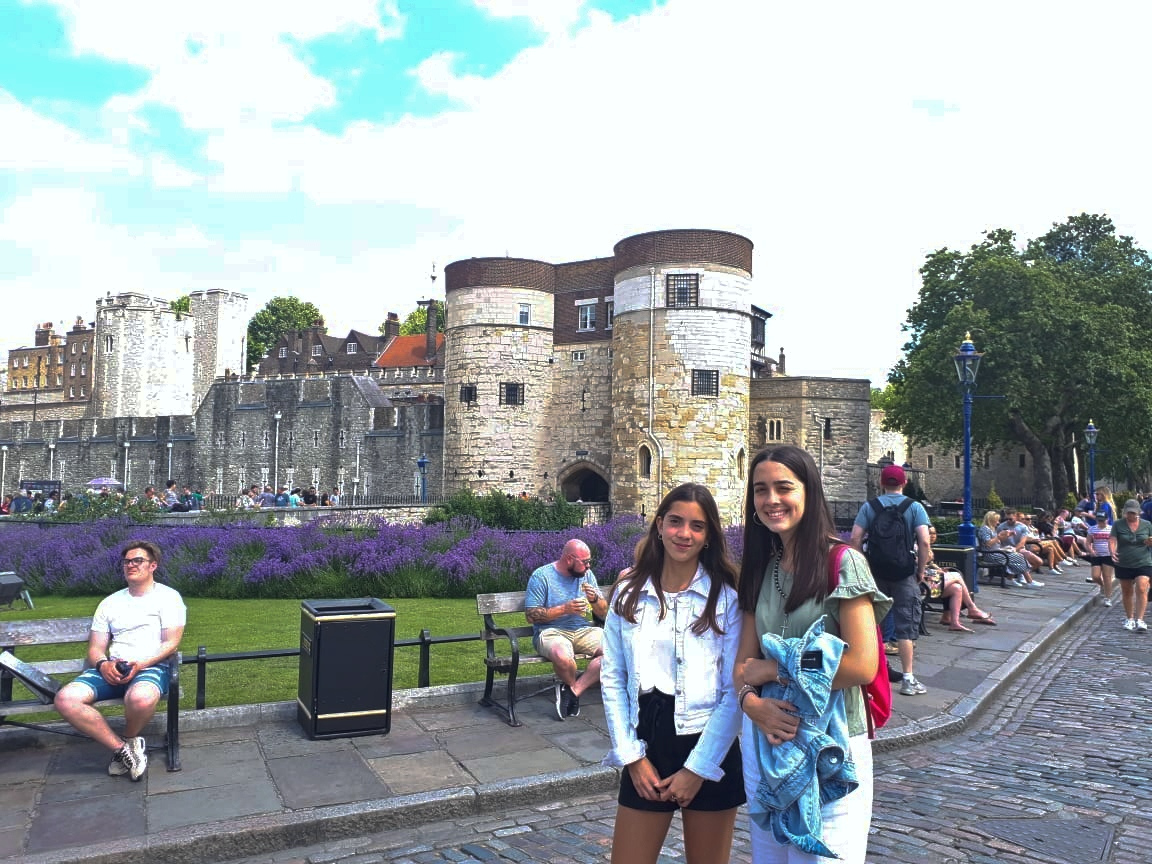
London
London
London
We use a single cookie, to remember this choice. We do not use analytics or advertising cookies. Read our cookie policy.