3 hrs
Rome
Rome Private Family Walking Tour with Games for Kids
✓ Free cancellation Kids friendly
4.7(32 reviews)
From €177/ person
Book Now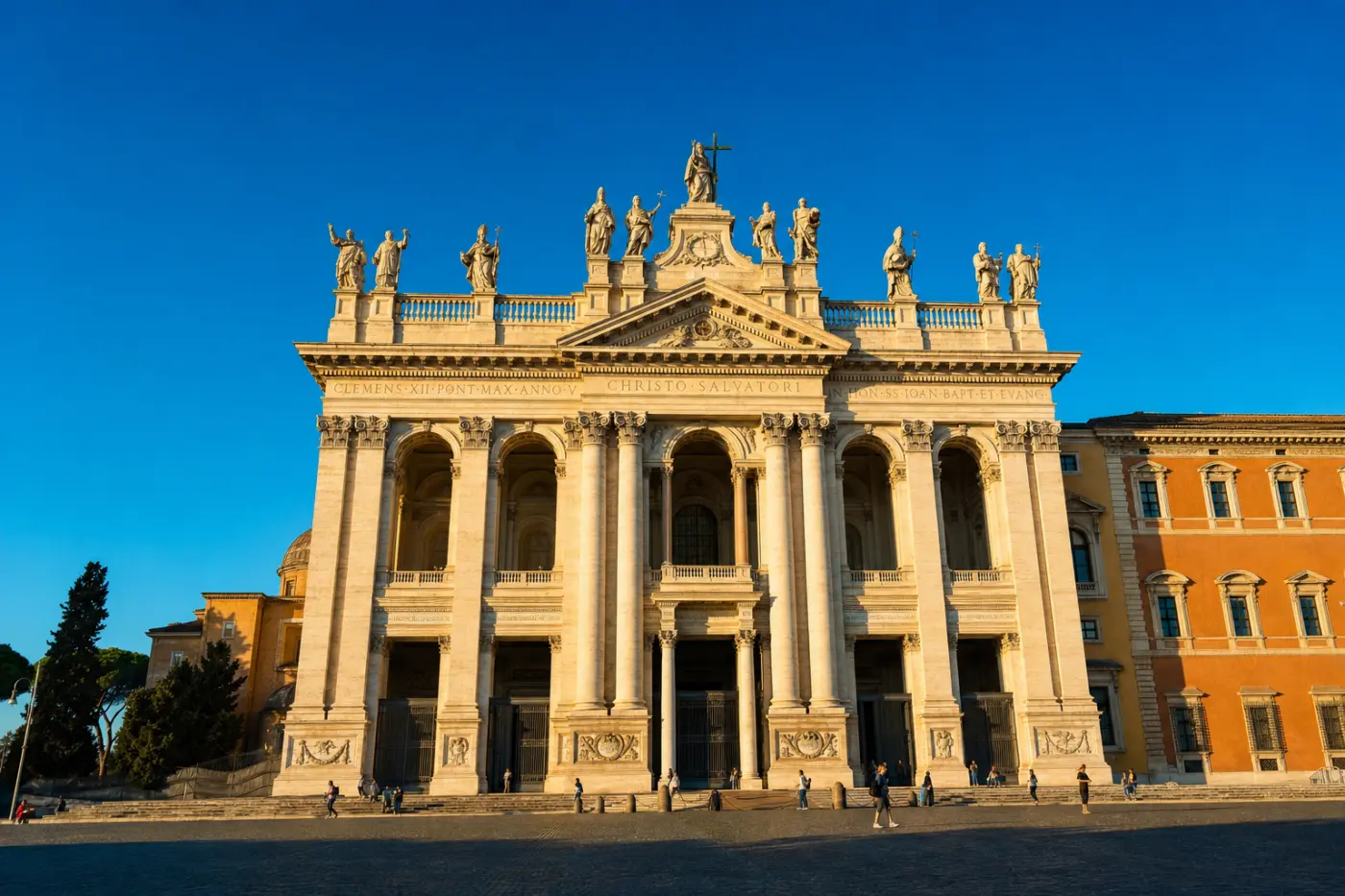
Tourist attraction
The Basilica of San Giovanni in Laterano — formally the Papal Archbasilica of St. John Lateran — holds a distinction no other church on earth can claim: it is simultaneously the oldest Christian basilica in Rome, the cathedral of the Diocese of Rome, and the official ecclesiastical seat of the Pope. Its founding dates to 324 AD, when Emperor Constantine I commissioned it on land previously owned by the aristocratic Laterani family, whose estate had passed to the imperial household generations earlier. Consecrated by Pope Sylvester I, the original structure predates both St. Peter's Basilica and the great churches of the Byzantine Empire, making it the earliest of the four papal major basilicas and the one ranked highest in precedence over all Catholic churches worldwide. Its formal Latin inscription above the entrance — Omnium urbis et orbis ecclesiarum mater et caput, meaning "Mother and Head of all churches of the city and the world" — is not a metaphor but an ecclesiastical title with canonical weight.
Over seventeen centuries, the basilica has survived fire, earthquake, sacking, and relocation of the papacy to Avignon. It burned severely in 1308 and again in 1361, and was radically rebuilt multiple times. Pope Clement VIII commissioned a sweeping interior renovation completed around 1600, during which Giacomo della Porta redesigned the nave. The most transformative exterior intervention came in 1735, when Pope Clement XII commissioned Alessandro Galilei to design the current monumental façade — a late Baroque composition of fifteen colossal statues of Christ, John the Baptist, John the Evangelist, and the Doctors of the Church crowning a travertine screen of five arched portals. Inside, the nave was reshaped again by Francesco Borromini between 1646 and 1649, who encased the original columns within massive pilasters and installed the dramatic Baroque niches holding 4.6-metre-tall statues of the twelve Apostles, each carved in the early 18th century by sculptors from Bernini's circle. The gilded wooden ceiling, dating to the late 16th century, was commissioned under Pope Pius IV.
Visitors enter through one of five bronze doors — the central pair was relocated from the ancient Roman Curia in the Forum in the 17th century and dates to antiquity. The interior's scale is staggering: the nave stretches 130 metres in length, making it one of the longest church interiors in Rome. The transept's frescoes were painted by Cavalier d'Arpino in the 1590s. Behind the main altar stands the Gothic baldachin, built around 1367, which is said to contain the heads of Saints Peter and Paul in reliquaries above the papal altar — an altar at which, by tradition, only the Pope may celebrate Mass facing the people. The adjacent Lateran Baptistery, built by Constantine and rebuilt under Pope Sixtus III in 432 AD, is the oldest baptistery in the Christian world and served as the model for baptisteries across Europe for centuries.
San Giovanni in Laterano sits on the Caelian Hill in Rome's Laterano district, a quieter quarter well east of the historic centre and far less crowded than the Vatican. Admission to the basilica is free; the cloister, built between 1215 and 1232 by the Vassalletto family in Cosmatesque style with twisted inlaid columns, requires a small entrance fee and rewards close inspection. The attached Lateran Palace, rebuilt by Domenico Fontana in 1586 for Pope Sixtus V, now houses the Diocesan Museum. The basilica is easily reached by metro (Line A, San Giovanni stop) and is best visited on a weekday morning, when the light through the clerestory windows illuminates the Apostle statues and the nave's ancient scale becomes fully apparent. Every 9 June, the feast day of the Dedication of the Lateran Basilica is observed, drawing pilgrims from across Rome.
Private tours with a local guide, at your own pace.
Rome
Rome

Rome

Rome
Rome
Rome
Rome
Rome
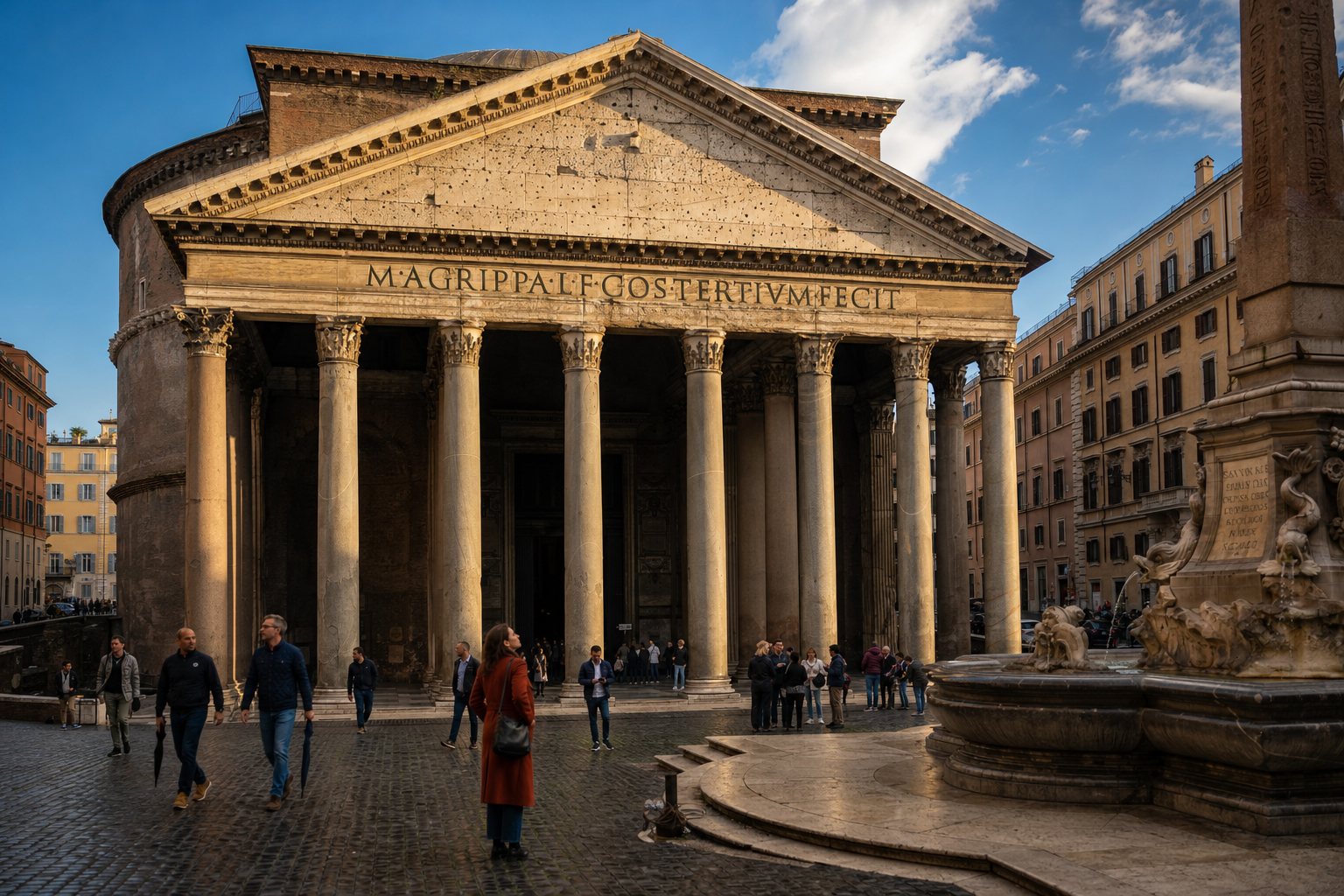
On the afternoon of 2 November 1950, Rome received 108mm of rain in a single day — one of the heaviest downpours in the city's recorded history. Locals ducked into trattorias, lingered over lunch, and emerged hours later to find the Sampietrini cobblestones of the historic center gleaming like polished obsidian. Here's the thing no travel guide tells you: rain doesn't ruin Rome. It transforms it. The same city that feels exhausting under July heat — queues snaking past the Trevi Fountain, tour groups stacked three-deep at the Pantheon — becomes something quieter, moodier, and far more liveable when clouds roll in off the Tyrrhenian Sea. Rome averages around 800mm of rainfall per year, with October, November, and February forming the wettest windows. That means millions of visitors each year encounter rain, yet most arrive with no plan beyond panic. This guide is that plan.
Read more →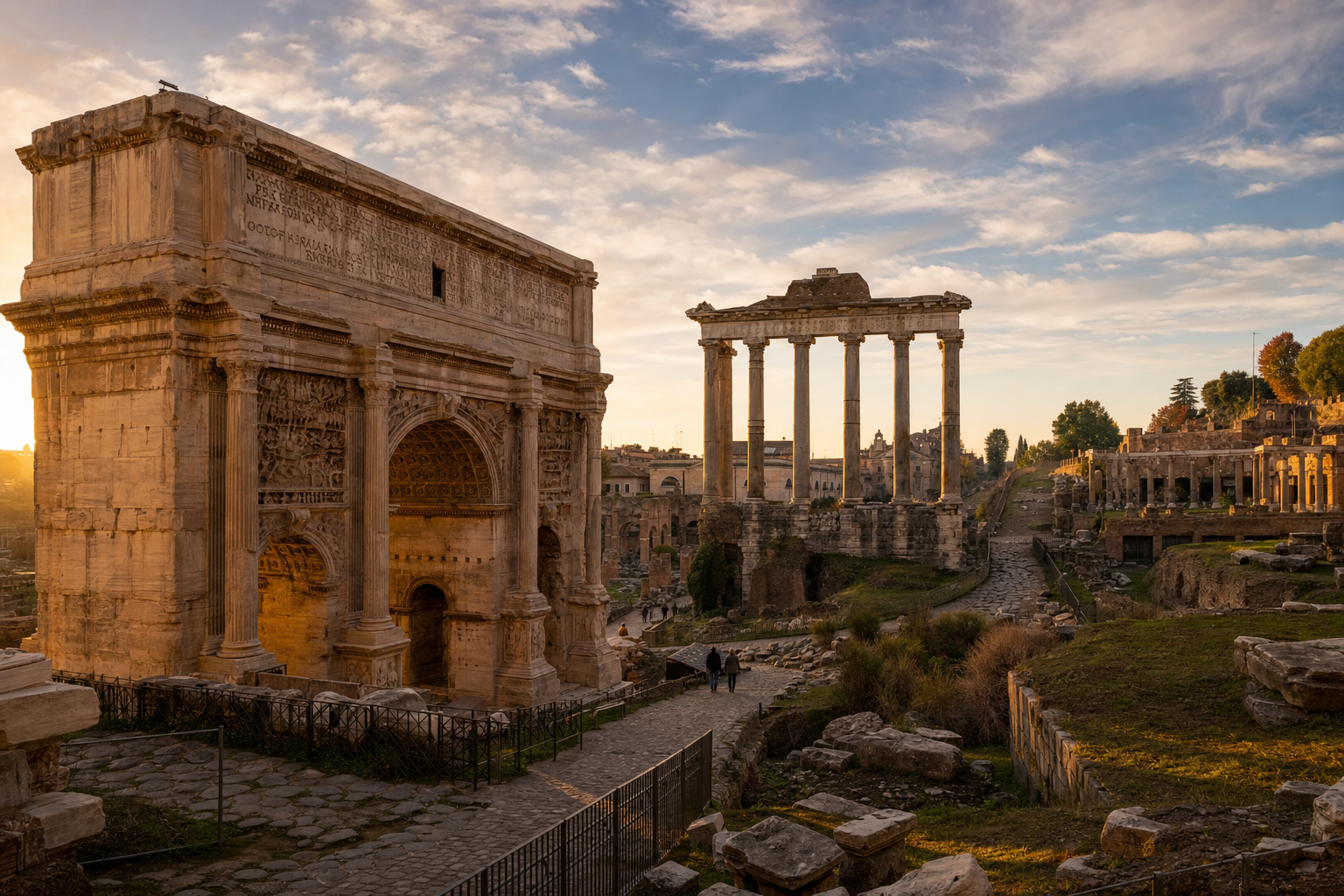
Rome was not built in a day — and it cannot be truly experienced in one either. Founded, according to tradition, on 21 April 753 BC, the city has been welcoming visitors for over two millennia, yet the question of when to go remains as contested as the Senate floor once was. Average annual tourist arrivals at the Colosseum alone exceed 7 million, meaning timing your visit is not a minor detail — it is everything. July temperatures regularly breach 35°C on the cobblestones of the Roman Forum, while a wet November morning at the Fontana di Trevi can feel like a private audience with Anita Ekberg's ghost. Each month carries its own character, crowd density, price point, and light quality. This guide cuts through the noise with specific facts, seasonal realities, and honest advice drawn from years of walking Rome's streets — so you arrive at exactly the right moment for the trip you actually want.
Read more →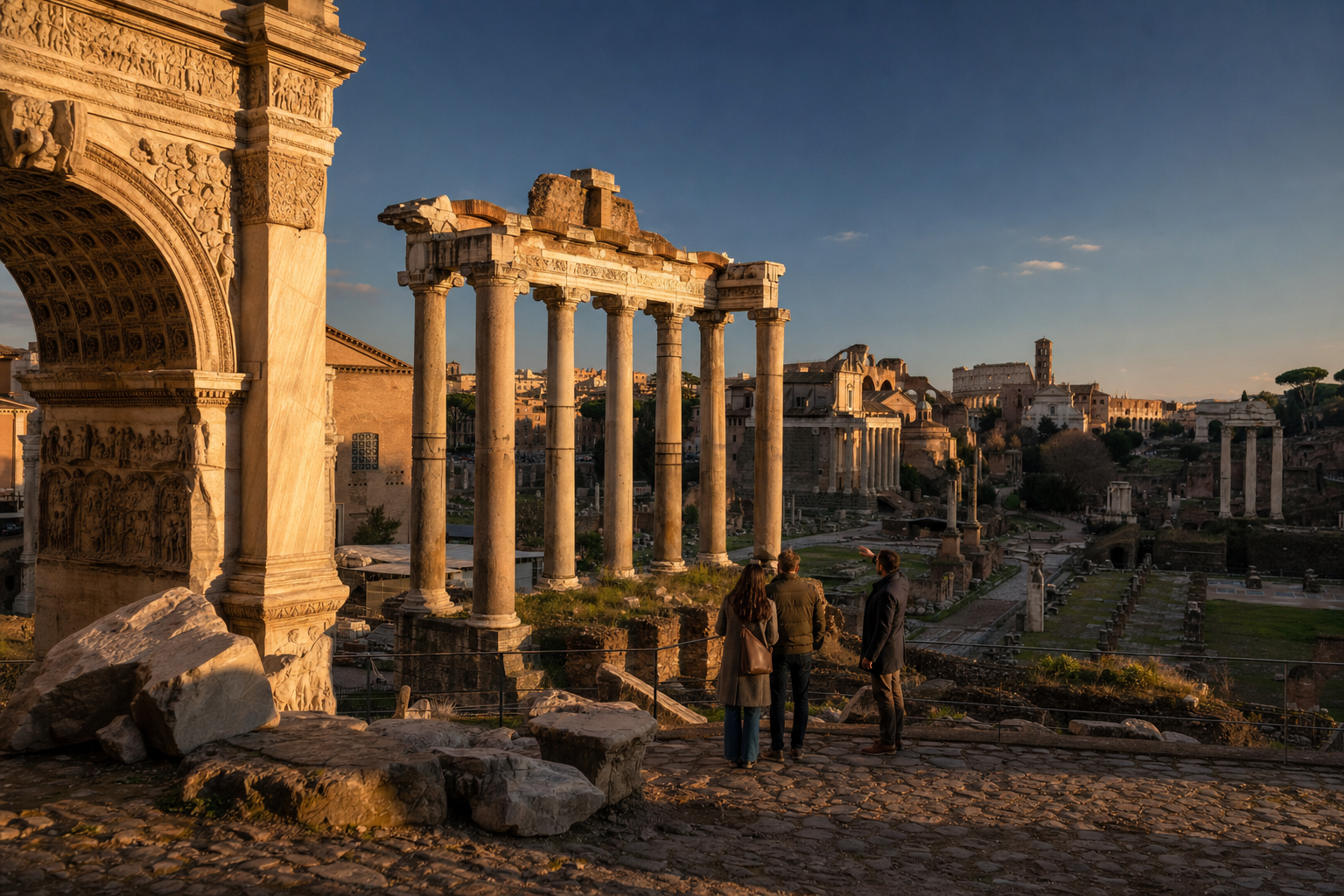
In 27 BC, Augustus Caesar famously boasted that he had found Rome a city of brick and left it a city of marble. What he didn't mention was that the city already contained several hundred years of Republican-era stone beneath his feet — and that future emperors, popes, and Renaissance architects would keep adding layers on top for the next two millennia. Today, Rome packs more than 2,000 years of continuous civilisation into 1,287 km², making it arguably the most historically dense urban environment on Earth. That density is precisely the problem with seeing it quickly, on a coach, in a crowd of strangers following a flag on a stick. Every piazza hides a deeper story. Every church floor covers an older church floor. Private tours in Rome don't just make the experience more comfortable — they make it genuinely comprehensible, turning a blur of ancient stones into a living, breathing city you actually understand.
Read more →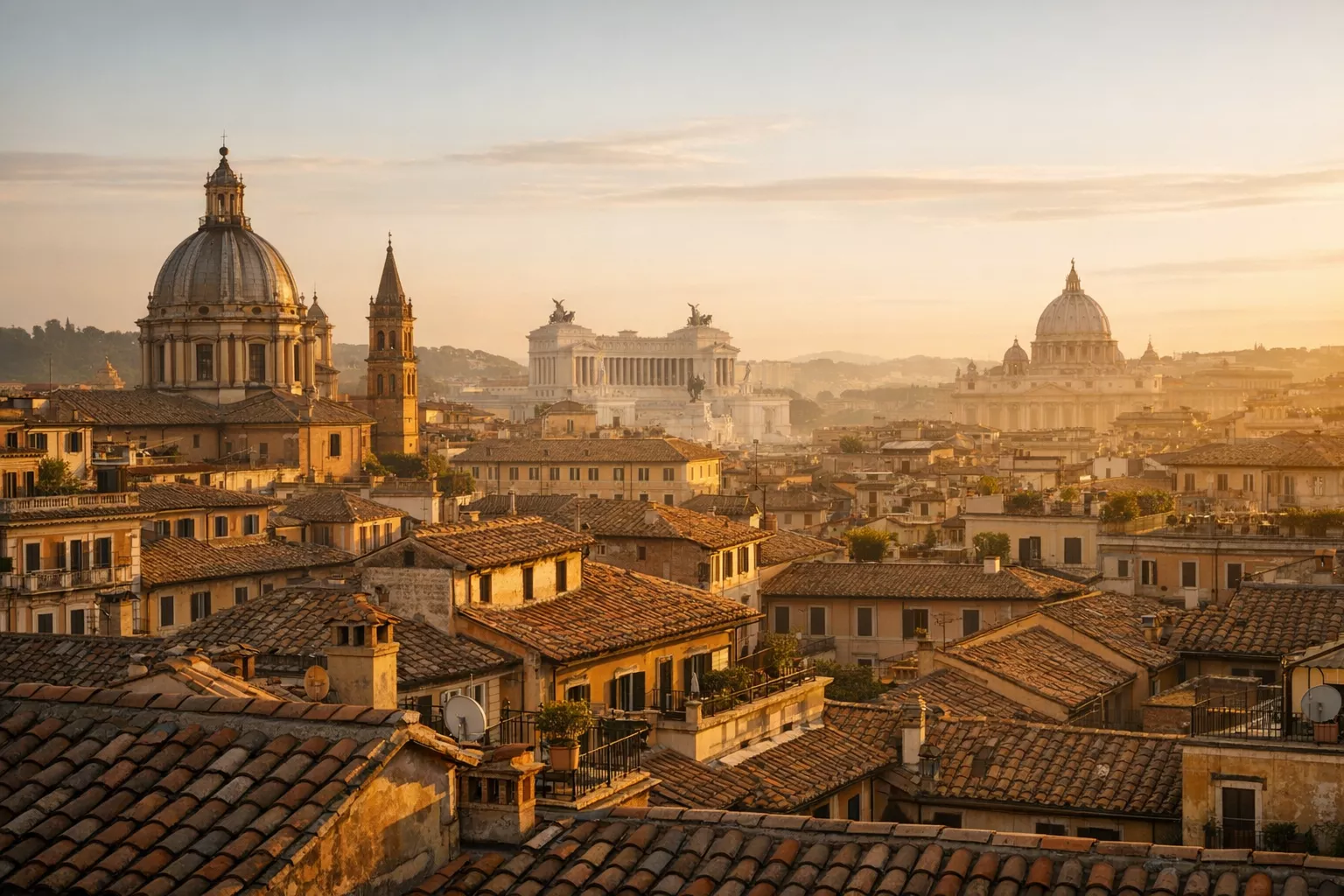
Discover the charm and beauty of Rome with our ultimate guide on what to do in this historic city. From iconic landmarks to hidden gems, we've got you covered with exciting tours and activities.
Read more →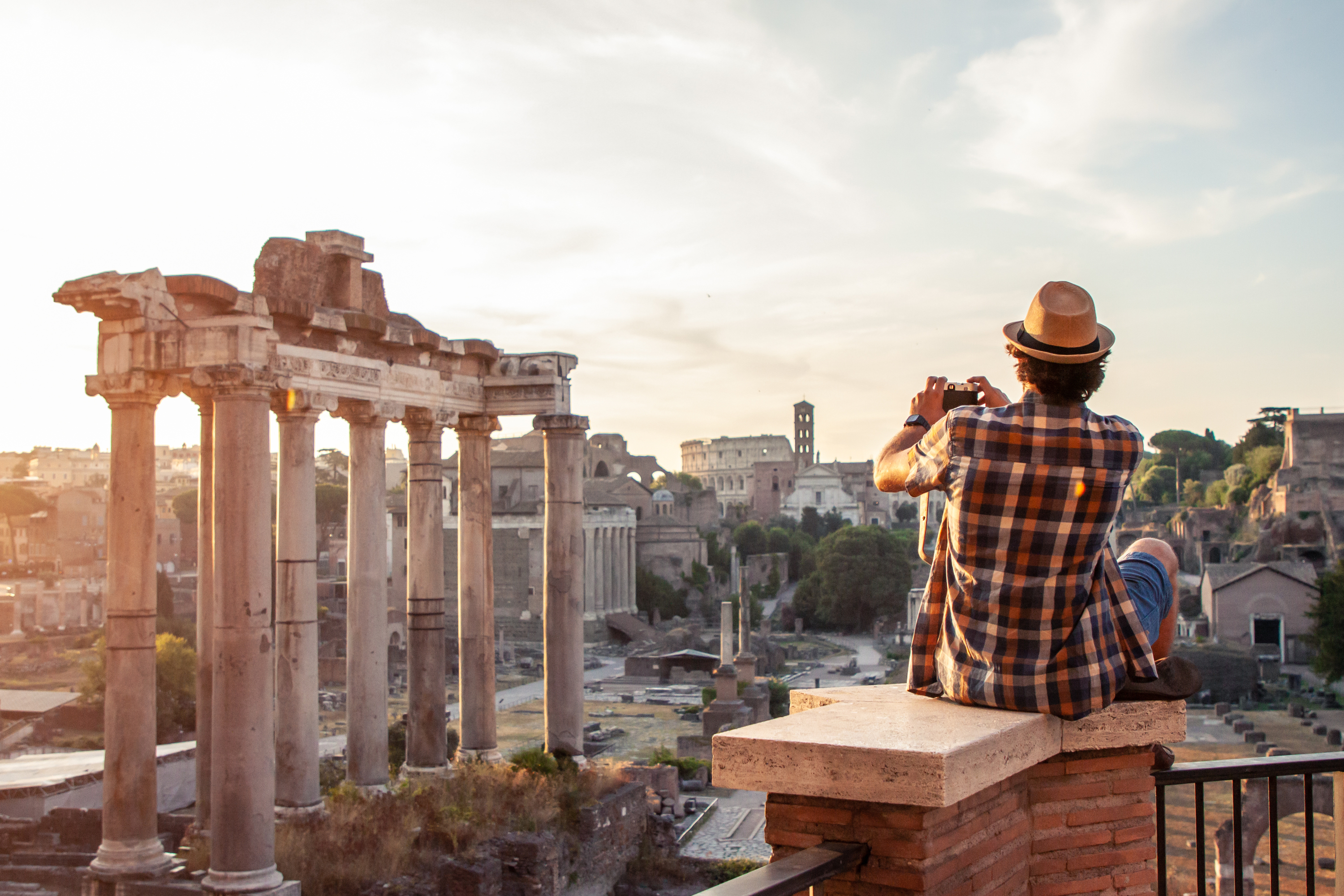
The Forum, the Colosseum and the Palatine are the three great archaeological sites that are preserved in the city of Rome. The concepts of "Forum" (the Roman Forum) or "The Forums" (the Imperial Forums), are difficult to understand what was done in them and how their spaces were organized. What is the difference between the traditional Roman Forum and the so-called Imperial Forums?
Read more →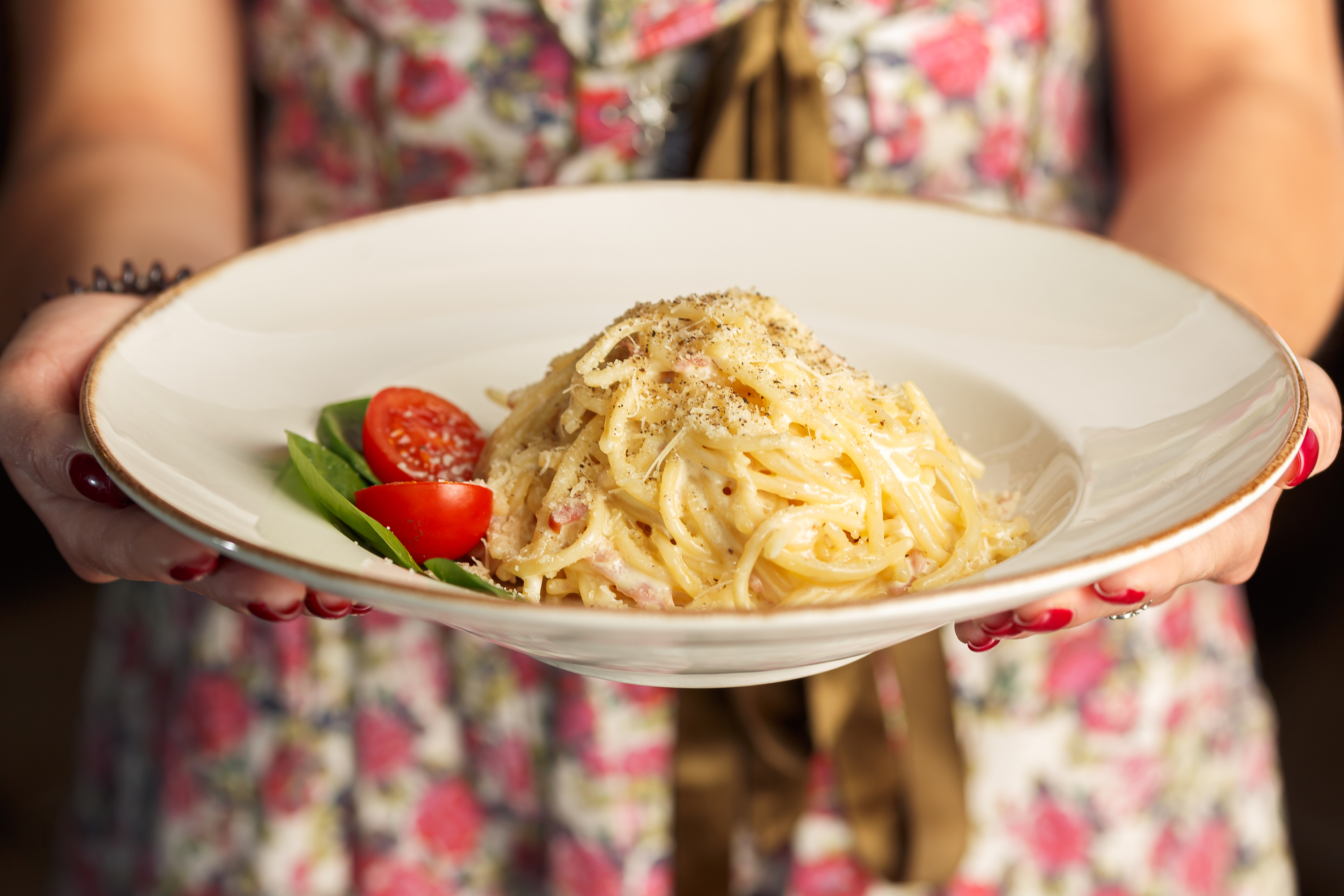
If you travel around Rome, there are dishes that you should not miss for anything in the world. Its typical dishes are very tasty and nutritious as they are very old recipes that have their origin in the villages of the region: they were thought to meet the great energy needs of the peasants. Due to this 'poor' origin, the typical dishes of the Roman cuisine are usually simple, they are made with very daily ingredients and often rich in cholesterol. It is very difficult to make a selection of recommended dishes... but we will give it a try!
Read more →We use a single cookie, to remember this choice. We do not use analytics or advertising cookies. Read our cookie policy.