3 hrs
London
Authentic British Food and Drink Private Tour in London- Local Taverns & Pubs
✓ Free cancellation Kids friendly
4.8(15 reviews)
From €206/ person
Book Now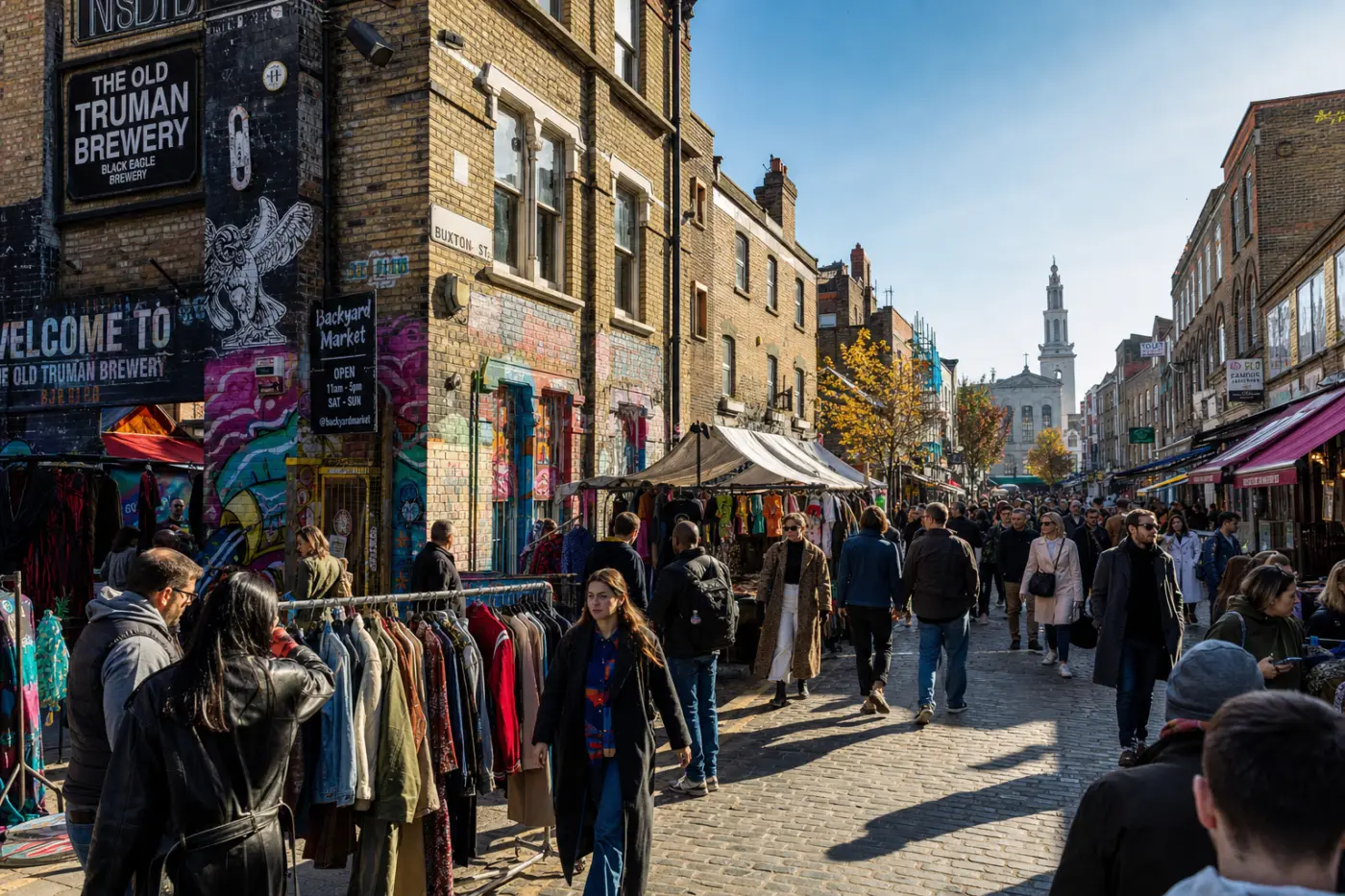
Tourist attraction
Brick Lane is a 1.2-kilometre street running through the London Borough of Tower Hamlets, stretching from Bethnal Green Road in the north to Whitechapel in the south. Its name derives from the 15th-century brickfields and tile kilns that once operated on this marshy land east of the City walls. By the 17th century it had become a road connecting those works to the city, and what grew along it reflects every wave of migration that has shaped working-class London since. Today it functions simultaneously as a historic corridor, a Bangladeshi culinary hub, a street-art gallery, and one of the city's most concentrated independent retail districts.
The street's layered identity begins with the Huguenots — Protestant refugees who fled Catholic persecution in France and arrived in London in large numbers after the revocation of the Edict of Nantes in 1685. They settled in Spitalfields and built the neighbourhood's distinctive early-Georgian terraces, many of which survive along Fournier Street. The congregation they established at the corner of Fournier Street and Brick Lane built their church in 1743; that same building was later converted into a Methodist chapel, then a synagogue serving the wave of Ashkenazi Jewish immigrants fleeing pogroms in Eastern Europe from the 1880s onward, and finally — in 1976 — into the Jamme Masjid mosque, now serving the Bangladeshi community that became dominant in the area from the 1970s. No single building in London compresses so many chapters of immigrant history into one structure.
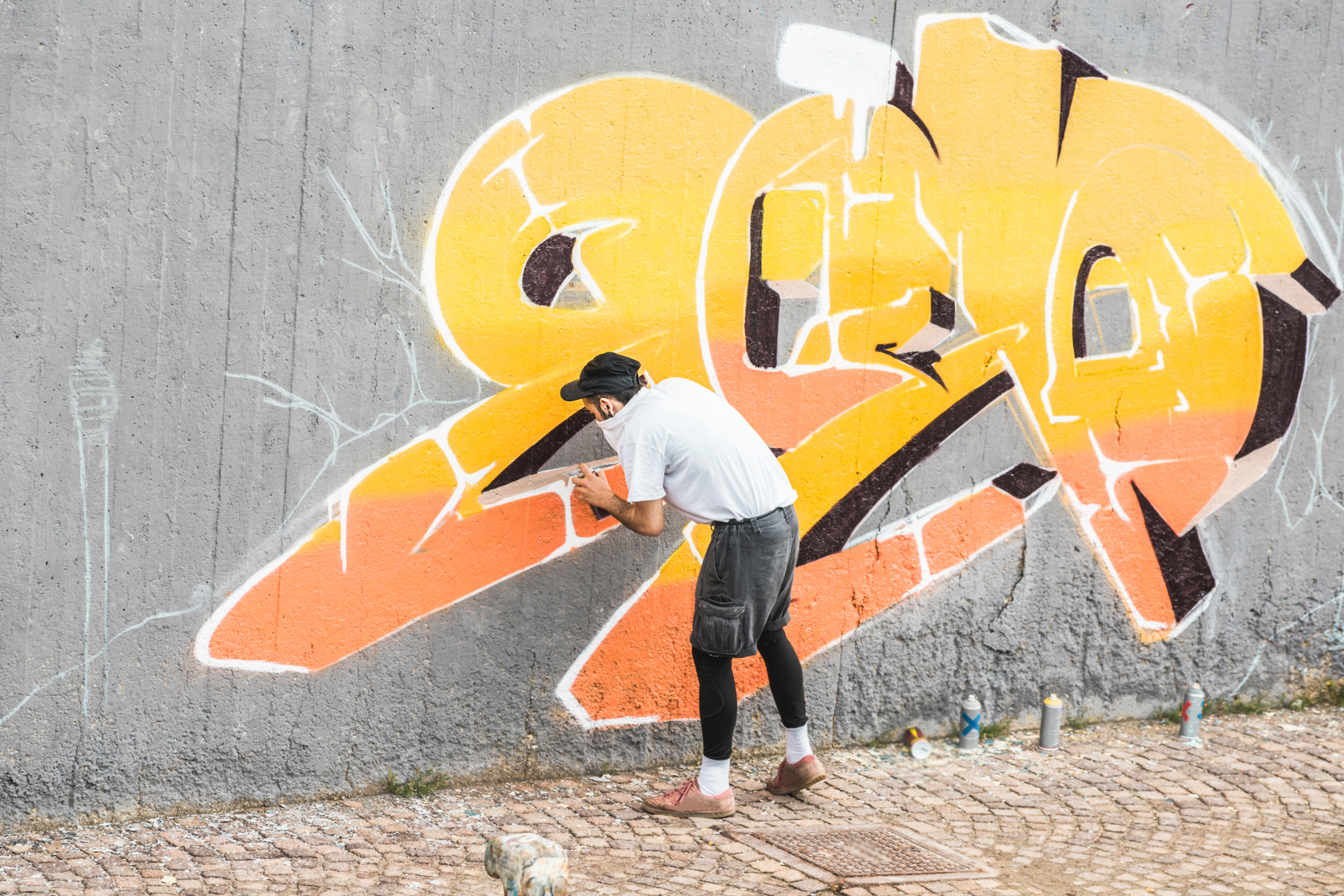
Visitors walking the full length of Brick Lane encounter this history in physical layers. The northern stretch is anchored by the Old Truman Brewery, a complex of Victorian brick buildings that operated as a working brewery from the 1660s until 1989, when it was converted into one of London's most important creative spaces, now housing independent market stalls, galleries, pop-up restaurants, and event venues every weekend. The southern stretch is lined with Bangladeshi curry houses and grocers — earning the area the informal name "Banglatown" — alongside bagel shops that date to the Jewish East End, most famously Beigel Bake at No. 159, which has operated 24 hours a day since 1974. The street's walls serve as a rotating open-air exhibition of street art, with works by internationally recognised artists appearing alongside those by local talents.
Sundays are the best day to visit: the Brick Lane Market and the adjacent Truman Brewery markets fill the entire northern section with hundreds of stalls selling vintage clothing, records, street food, and antiques, drawing crowds from mid-morning until around 5pm. The street is served by Shoreditch High Street Overground station (a five-minute walk) and Aldgate East Underground station on the District and Hammersmith & City lines. Most of the curry restaurants are open daily from noon, and Beigel Bake operates around the clock. Come prepared to walk slowly — the density of detail on every facade, doorway, and gatepost rewards attention.
Private tours with a local guide, at your own pace.
London
London
London
London
London
London
London
London
London
We use a single cookie, to remember this choice. We do not use analytics or advertising cookies. Read our cookie policy.