6 to 7 hrs
Rome
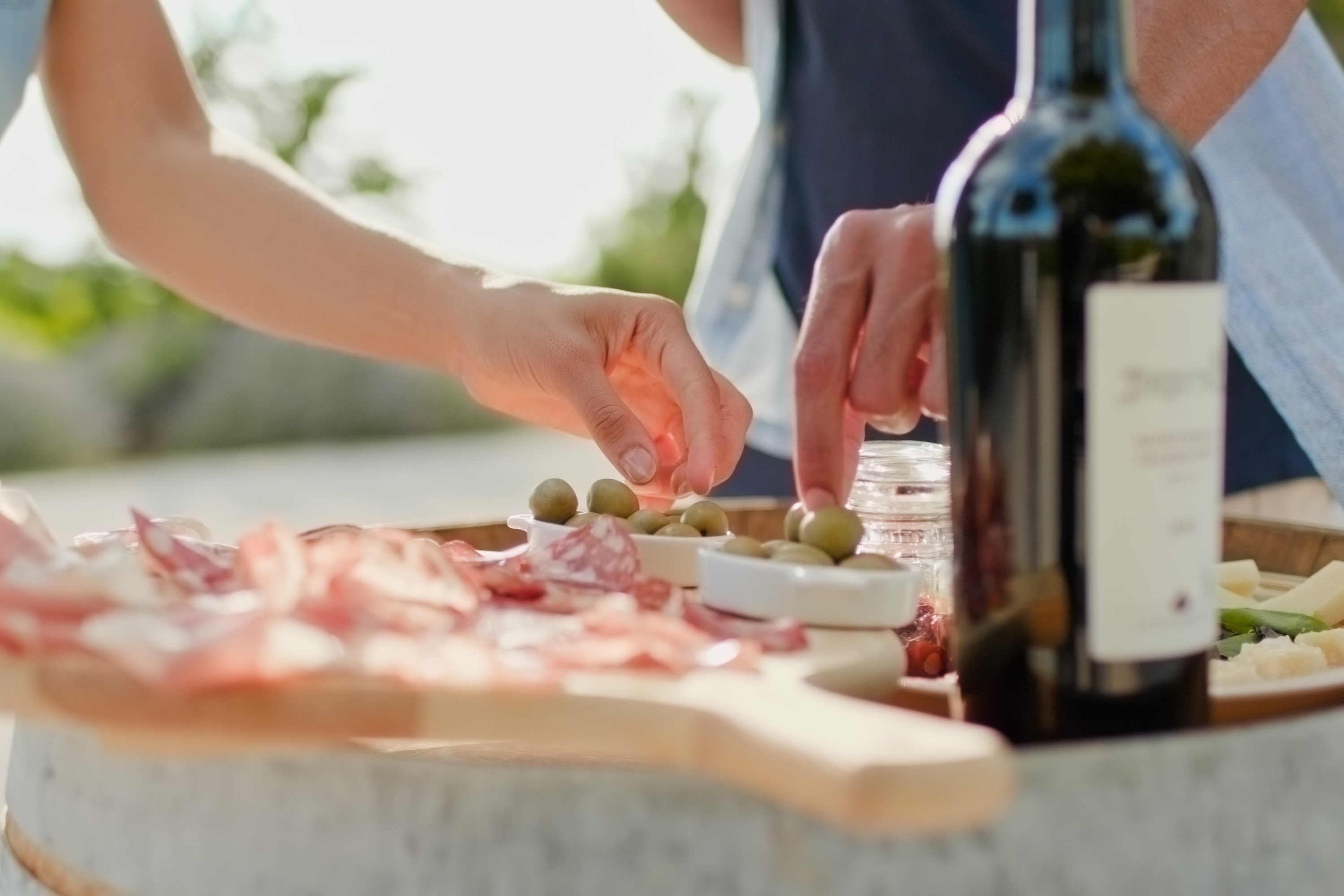
Rome: Frascati Private Day Trip - Town Tour, Lunch & Wine Tasting
✓ Free cancellation Kids friendly
4.9(25 reviews)
From €562/ person
Book Now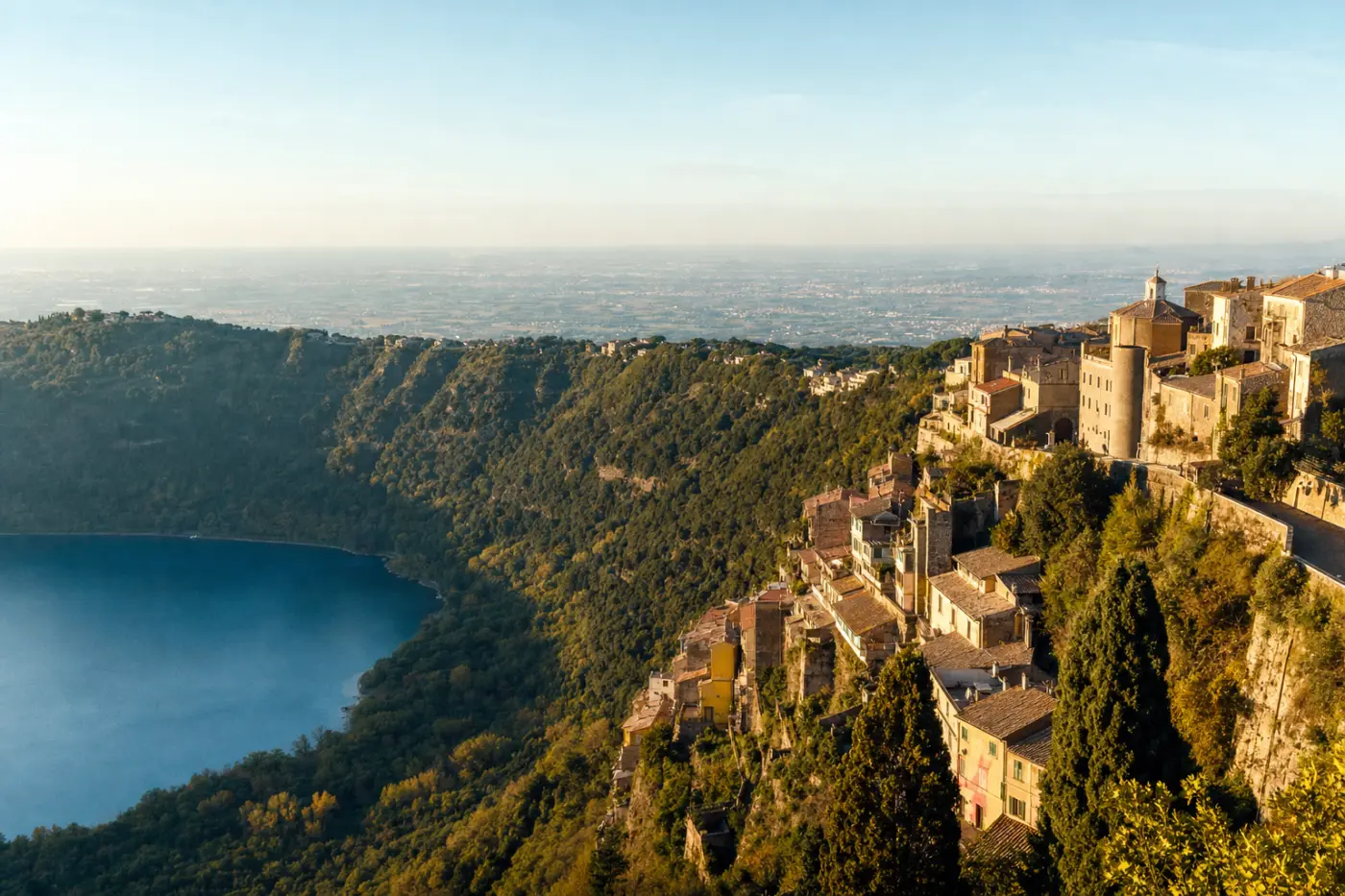
Tourist attraction
The Castelli Romani is a cluster of seventeen towns — including Frascati, Castel Gandolfo, Albano Laziale, Genzano, Nemi, Ariccia, and Marino — perched on the Alban Hills (Colli Albani) southeast of Rome. The hills themselves are the remnant of a large Pleistocene-era volcanic complex, and their craters now hold two serene lakes: Lago Albano and Lago di Nemi. The elevation, which reaches 956 metres at Rocca Priora, kept these towns cooler than the city throughout summer, making them a prized escape for Roman aristocracy, popes, and emperors for over two millennia. The regional park protecting the area, the Parco Regionale dei Castelli Romani, was established in 1984 and covers more than 30,000 hectares of chestnut, oak, and beech woodland.
The area's recorded history begins long before Rome's imperial era. The Latins and Volscians occupied these hills from at least the 7th century BC, and the ancient sanctuary of Jupiter Latiaris stood atop Monte Cavo, the site of the annual Feriae Latinae festival that bonded the Latin League of towns. During the Republic and Empire, the Alban Hills became studded with aristocratic villas — Cicero maintained a villa at Tusculum, and Emperor Domitian built a vast imperial palace near what is now Castel Gandolfo in the 1st century AD. The medieval period saw powerful Roman families — the Colonna, the Savelli, and the Frangipane — fortify these hilltops, giving the area its enduring name: the "castles of the Romans." From 1596, Castel Gandolfo became the official summer residence of the popes, a role it held without interruption until Pope Francis opened the grounds to the public in 2016.
Visitors moving between the towns encounter a distinctly different character in each. Frascati is celebrated for its crisp DOC white wine, produced from Malvasia and Trebbiano grapes on mineral-rich volcanic soil, and for the 17th-century Villa Aldobrandini, whose terraced baroque gardens overlook the town. Ariccia preserves Gian Lorenzo Bernini's 17th-century Palazzo Chigi and the circular church of Santa Maria dell'Assunzione (1662), set on a dramatic piazza he designed entirely. Nemi, clinging to the rim of its crater lake, is inseparable from its wild strawberry harvest celebrated every June since the 1920s, and from the memory of Caligula's giant pleasure barges, two of which were raised from the lake floor in 1932 before being destroyed by fire in 1944. Marino holds its famous Sagra dell'Uva wine festival each October, during which the town's fountains literally flow with local wine.
The Castelli Romani are reachable from Rome's Termini station via the Ferrovie dei Castelli Romani regional rail line, which runs to Frascati, Albano, and Velletri in roughly 30–45 minutes. The best time to visit is September through early November, when the grape and chestnut harvests are underway and the woodland turns gold and amber. Each town is compact enough to explore on foot, but hiring a car allows you to trace the full arc of the Colli Albani, stopping at lakeside villages, roadside porchetta stands, and wine cellars that have been carved directly into the tufo rock.
Private tours with a local guide, at your own pace.
Rome
Rome
Rome

Rome
Rome
Rome
Rome
Rome

Rome
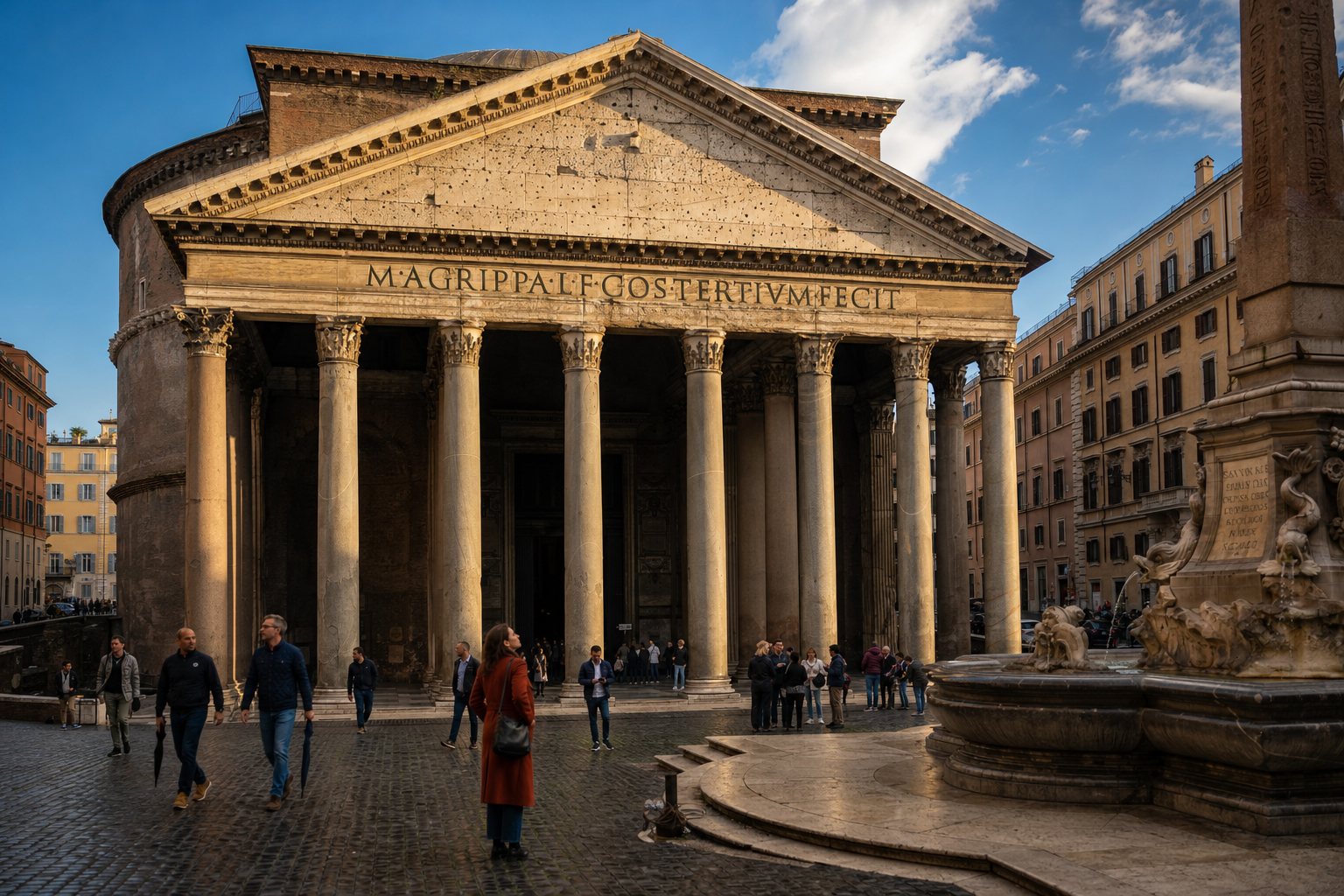
On the afternoon of 2 November 1950, Rome received 108mm of rain in a single day — one of the heaviest downpours in the city's recorded history. Locals ducked into trattorias, lingered over lunch, and emerged hours later to find the Sampietrini cobblestones of the historic center gleaming like polished obsidian. Here's the thing no travel guide tells you: rain doesn't ruin Rome. It transforms it. The same city that feels exhausting under July heat — queues snaking past the Trevi Fountain, tour groups stacked three-deep at the Pantheon — becomes something quieter, moodier, and far more liveable when clouds roll in off the Tyrrhenian Sea. Rome averages around 800mm of rainfall per year, with October, November, and February forming the wettest windows. That means millions of visitors each year encounter rain, yet most arrive with no plan beyond panic. This guide is that plan.
Read more →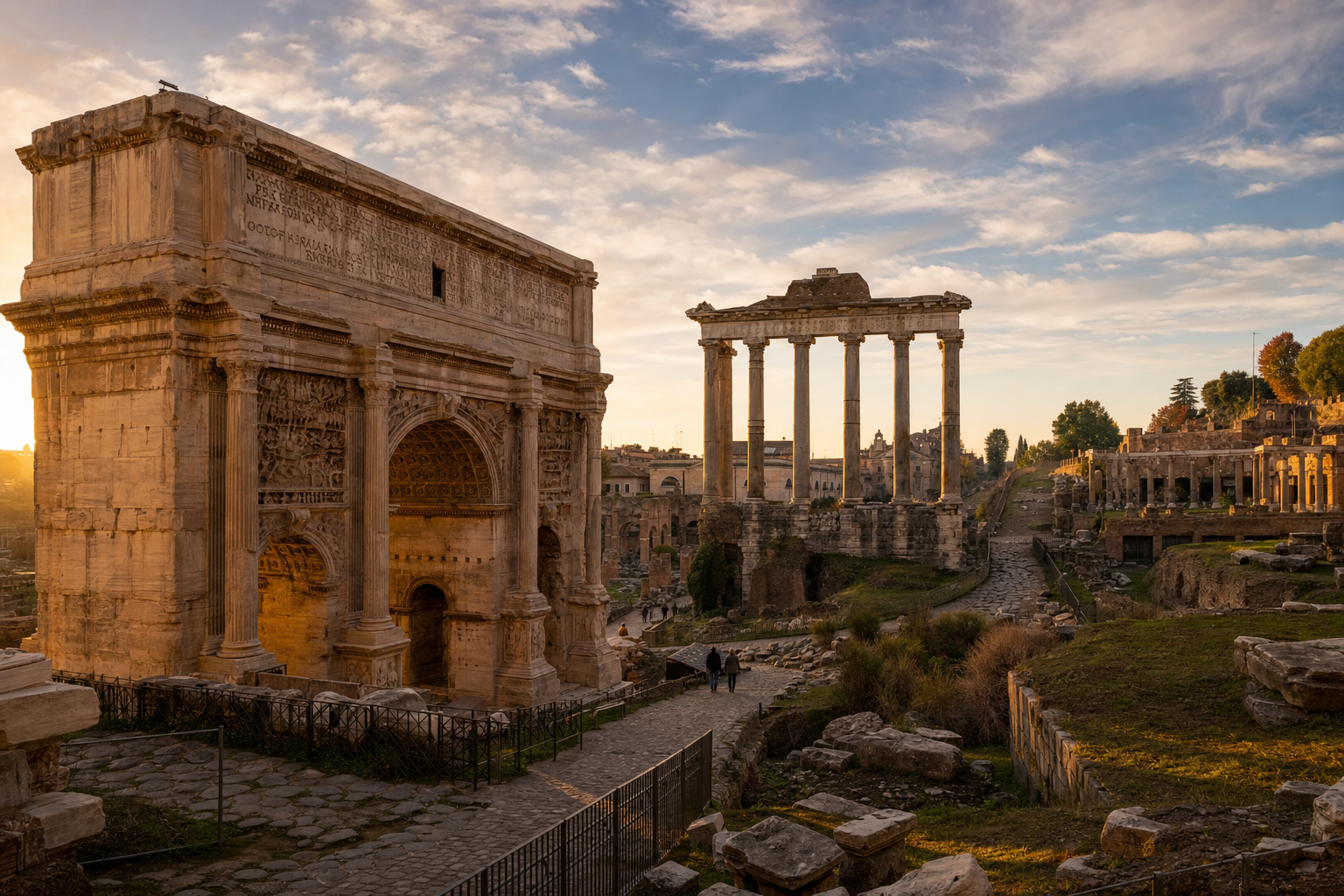
Rome was not built in a day — and it cannot be truly experienced in one either. Founded, according to tradition, on 21 April 753 BC, the city has been welcoming visitors for over two millennia, yet the question of when to go remains as contested as the Senate floor once was. Average annual tourist arrivals at the Colosseum alone exceed 7 million, meaning timing your visit is not a minor detail — it is everything. July temperatures regularly breach 35°C on the cobblestones of the Roman Forum, while a wet November morning at the Fontana di Trevi can feel like a private audience with Anita Ekberg's ghost. Each month carries its own character, crowd density, price point, and light quality. This guide cuts through the noise with specific facts, seasonal realities, and honest advice drawn from years of walking Rome's streets — so you arrive at exactly the right moment for the trip you actually want.
Read more →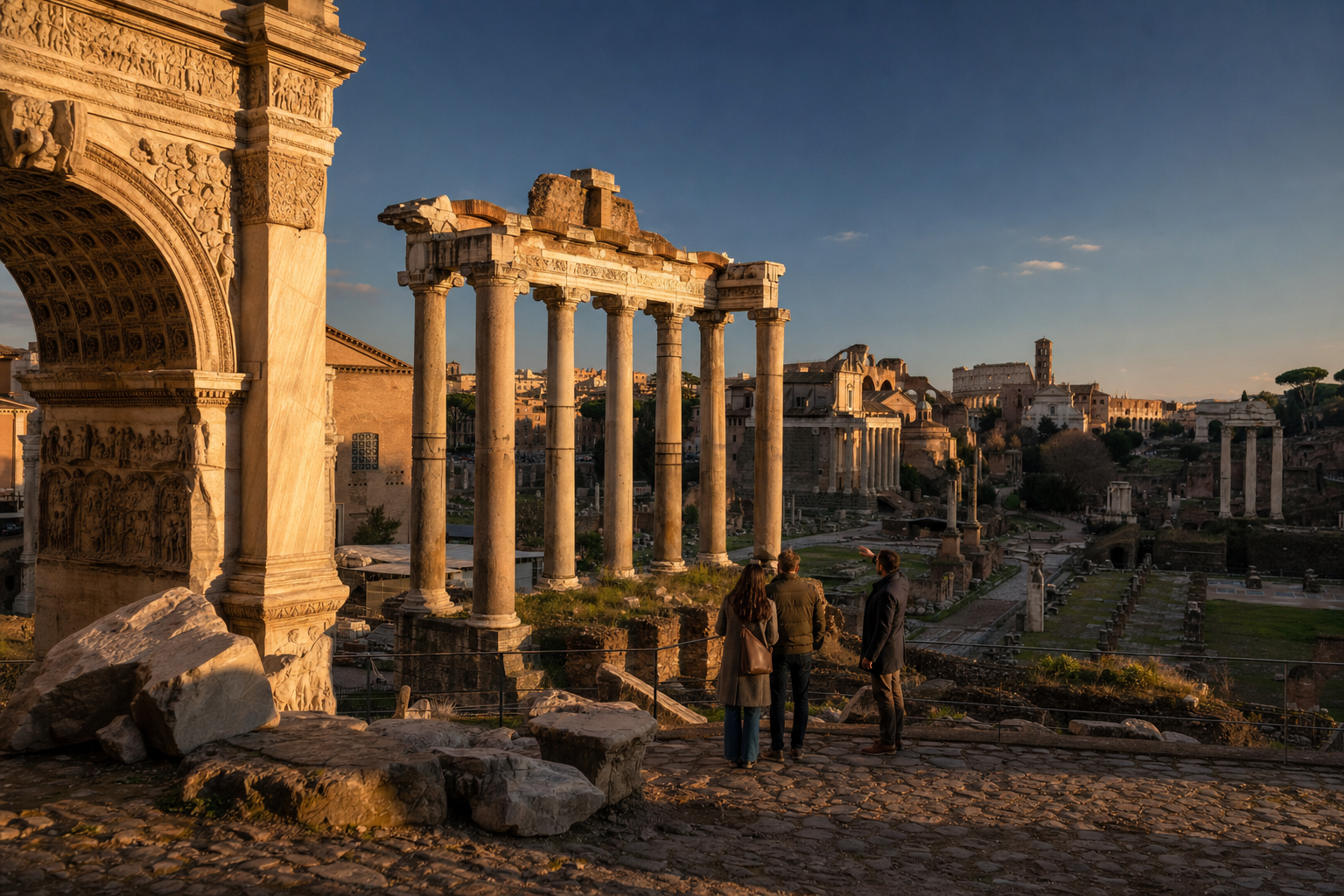
In 27 BC, Augustus Caesar famously boasted that he had found Rome a city of brick and left it a city of marble. What he didn't mention was that the city already contained several hundred years of Republican-era stone beneath his feet — and that future emperors, popes, and Renaissance architects would keep adding layers on top for the next two millennia. Today, Rome packs more than 2,000 years of continuous civilisation into 1,287 km², making it arguably the most historically dense urban environment on Earth. That density is precisely the problem with seeing it quickly, on a coach, in a crowd of strangers following a flag on a stick. Every piazza hides a deeper story. Every church floor covers an older church floor. Private tours in Rome don't just make the experience more comfortable — they make it genuinely comprehensible, turning a blur of ancient stones into a living, breathing city you actually understand.
Read more →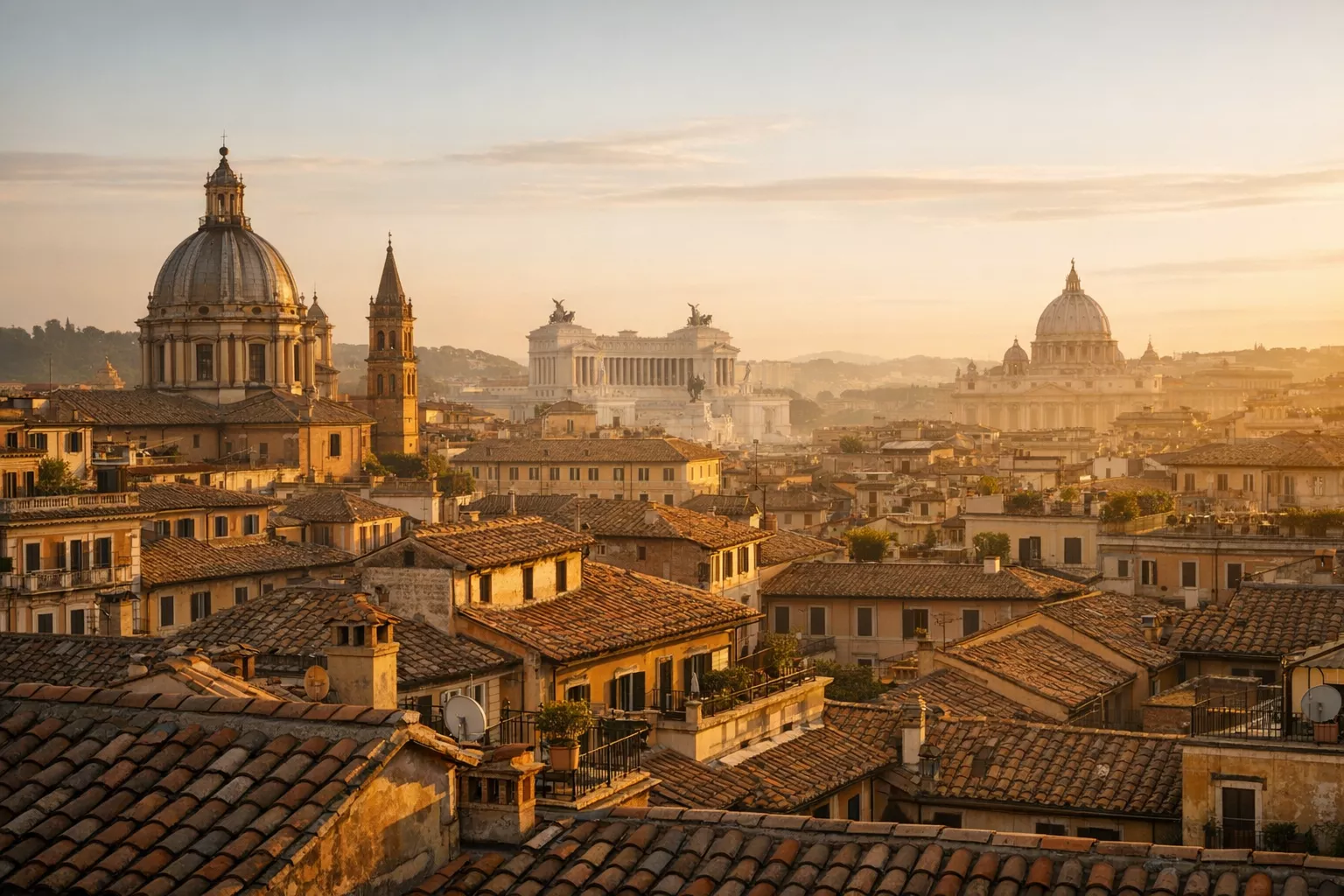
Discover the charm and beauty of Rome with our ultimate guide on what to do in this historic city. From iconic landmarks to hidden gems, we've got you covered with exciting tours and activities.
Read more →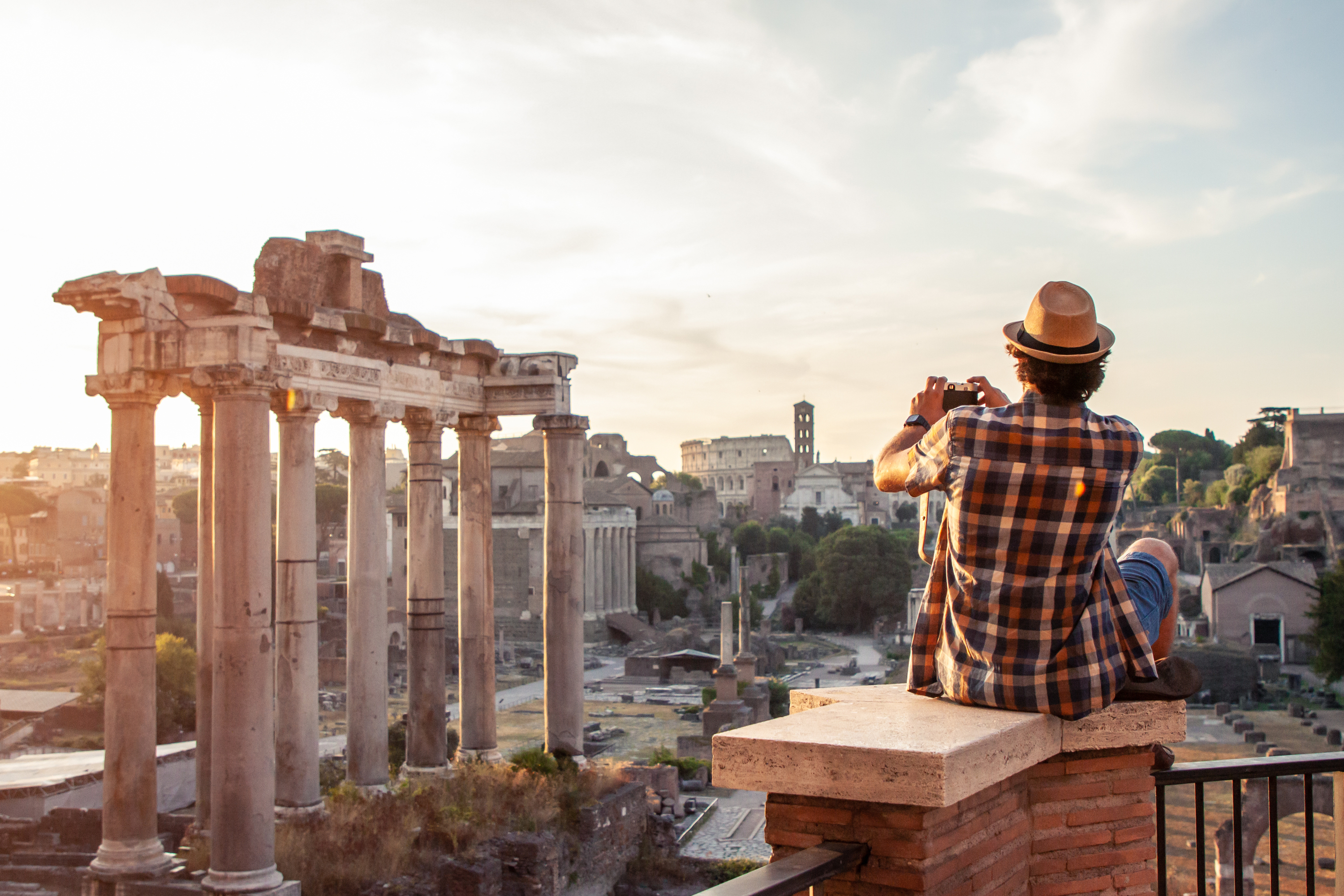
The Forum, the Colosseum and the Palatine are the three great archaeological sites that are preserved in the city of Rome. The concepts of "Forum" (the Roman Forum) or "The Forums" (the Imperial Forums), are difficult to understand what was done in them and how their spaces were organized. What is the difference between the traditional Roman Forum and the so-called Imperial Forums?
Read more →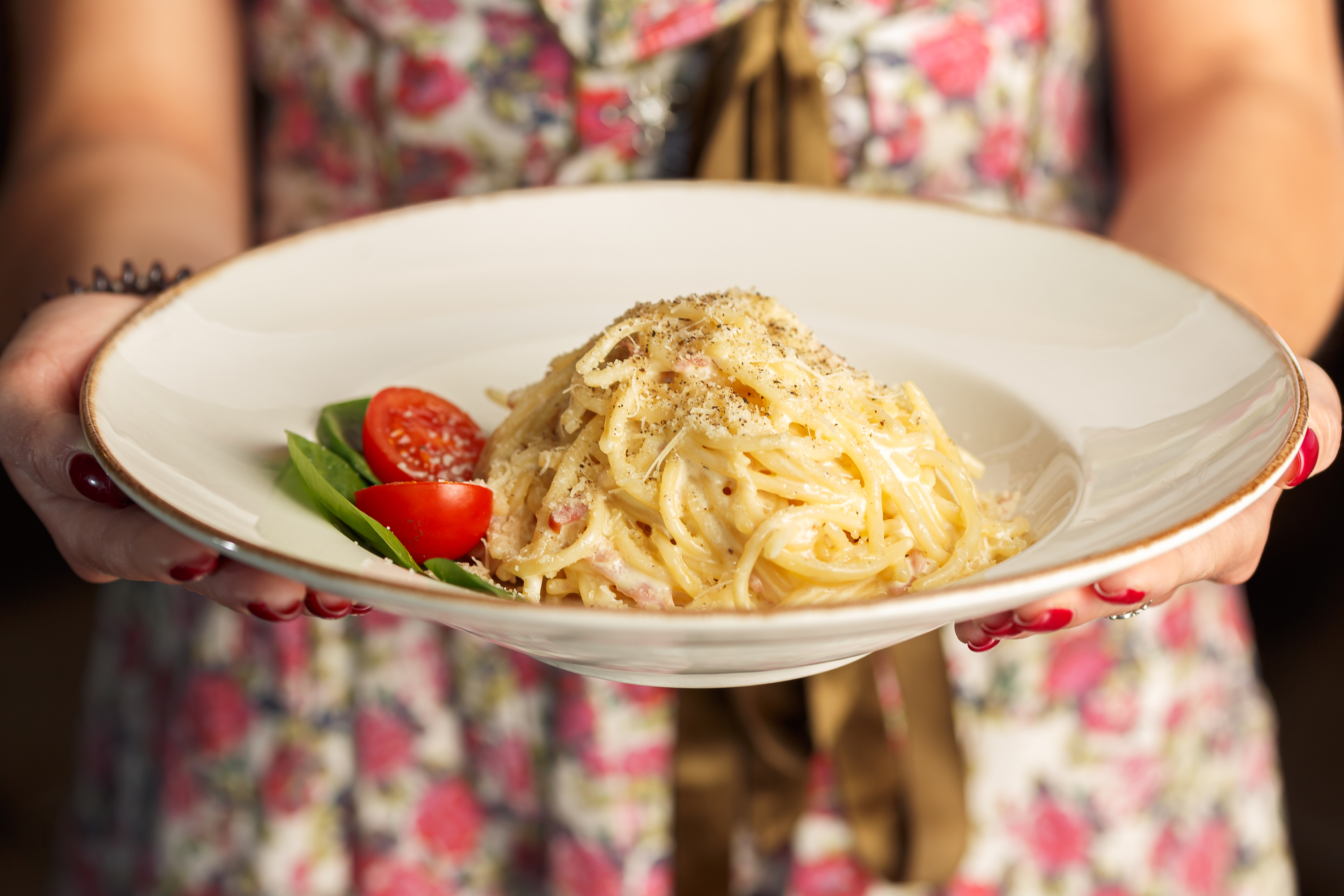
If you travel around Rome, there are dishes that you should not miss for anything in the world. Its typical dishes are very tasty and nutritious as they are very old recipes that have their origin in the villages of the region: they were thought to meet the great energy needs of the peasants. Due to this 'poor' origin, the typical dishes of the Roman cuisine are usually simple, they are made with very daily ingredients and often rich in cholesterol. It is very difficult to make a selection of recommended dishes... but we will give it a try!
Read more →We use a single cookie, to remember this choice. We do not use analytics or advertising cookies. Read our cookie policy.