3.5 hrs
copenhagen
Copenhagen Alternative Private Tour: Vesterbro & Christianshavn
✓ Free cancellation Kids friendly
4.7(0 reviews)
From €311/ person
Book NowTourist attraction
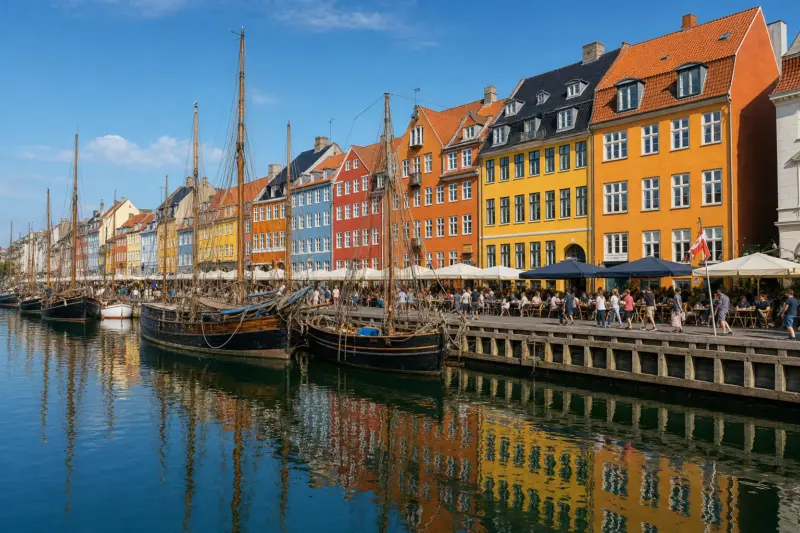
Christianshavn is one of Copenhagen's most distinctive neighbourhoods — a man-made island constructed in the early 17th century on the orders of King Christian IV, who gave it his name. Inspired directly by Amsterdam's canal city design, Christian IV had the district purpose-built from 1617 onwards as a fortified merchant town, complete with earthen ramparts, bastions, and a grid of navigable canals. Wealthy Dutch and German merchants settled here, erecting the tall, stepped-gable brick townhouses that still line the waterways today. The neighbourhood sits just across the Inderhavn (Inner Harbour) from Copenhagen's city centre, connected by the iconic Knippelsbro bridge, yet it retains a character entirely its own.
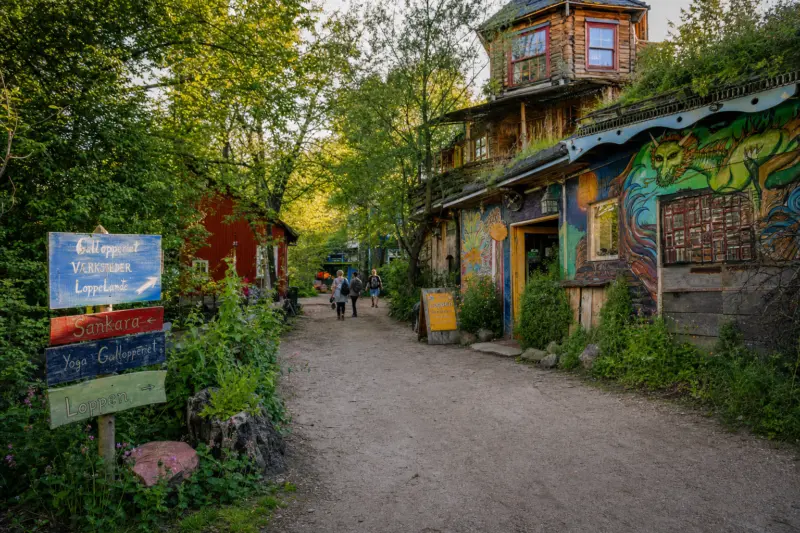
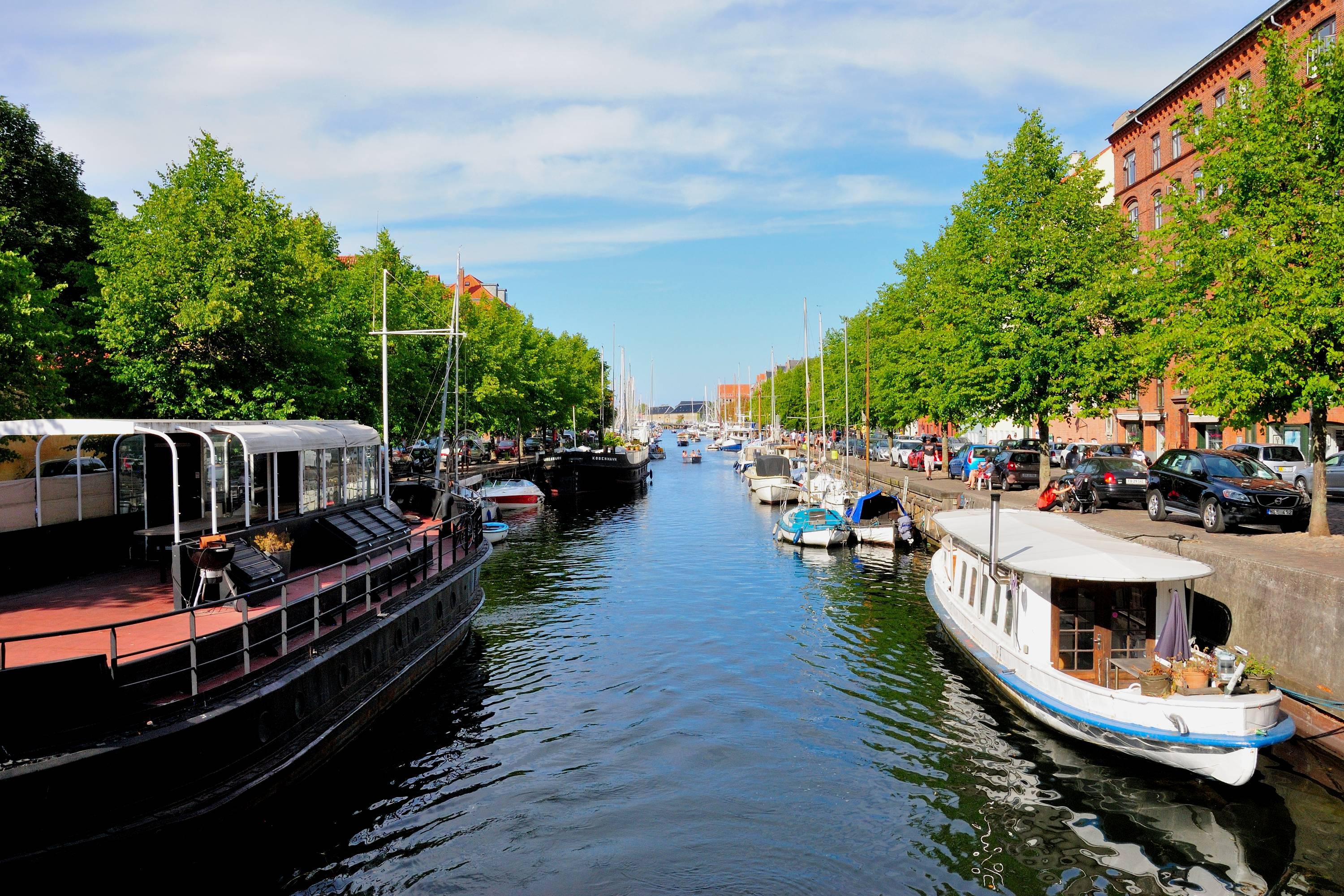
The area's most striking landmark is the Church of Our Saviour (Vor Frelsers Kirke), completed in 1696 and crowned with its unmistakable external helical spire added between 1749 and 1752 — a 90-metre tower whose 400 steps spiral outward around the outside of the steeple, offering a panoramic view over Copenhagen's rooftops and harbour. Equally significant is the Christianshavn Canal itself, dug in the early 1600s and still lined with moored houseboats whose residents tend small floating gardens. The neighbourhood also borders Christiania, the famous self-declared autonomous community established in 1971 on the grounds of a former 17th-century military barracks, which adds a countercultural edge to the otherwise well-preserved historic streetscape.
Walking through Christianshavn today, visitors move along Torvegade — the neighbourhood's main artery — and branch off into quieter cobblestone lanes where 17th and 18th-century merchant homes stand largely intact. The canal embankments, known as the Overgaden oven Vandet and Overgaden neden Vandet (literally "the upper road above the water" and "the lower road below the water"), are ideal for an unhurried stroll. In warmer months, locals gather on the canal steps with food and wine, and kayakers navigate between the houseboats. The neighbourhood has also become a significant dining destination, anchored in part by Noma, which operated from its Refshalevej address nearby from 2003 and helped define the New Nordic cuisine movement internationally.
Christianshavn is easily reached via the Copenhagen Metro at Christianshavn Station on the M1/M2 lines, making it a straightforward addition to any city itinerary. The neighbourhood rewards slow exploration on foot or by bicycle — the flat terrain and dedicated cycle lanes make cycling the most natural way to move between the canal embankments, Christiania's open green spaces, and the waterfront. Visit on a weekday morning for quiet streets and the best light on the canal, or on a summer evening when the embankments come alive with residents and visitors alike.
Private tours with a local guide, at your own pace.
copenhagen
copenhagen
copenhagen
copenhagen

copenhagen