3.5 hrs
copenhagen
Copenhagen Alternative Private Tour: Vesterbro & Christianshavn
✓ Free cancellation Kids friendly
4.7(0 reviews)
From €311/ person
Book NowTourist attraction
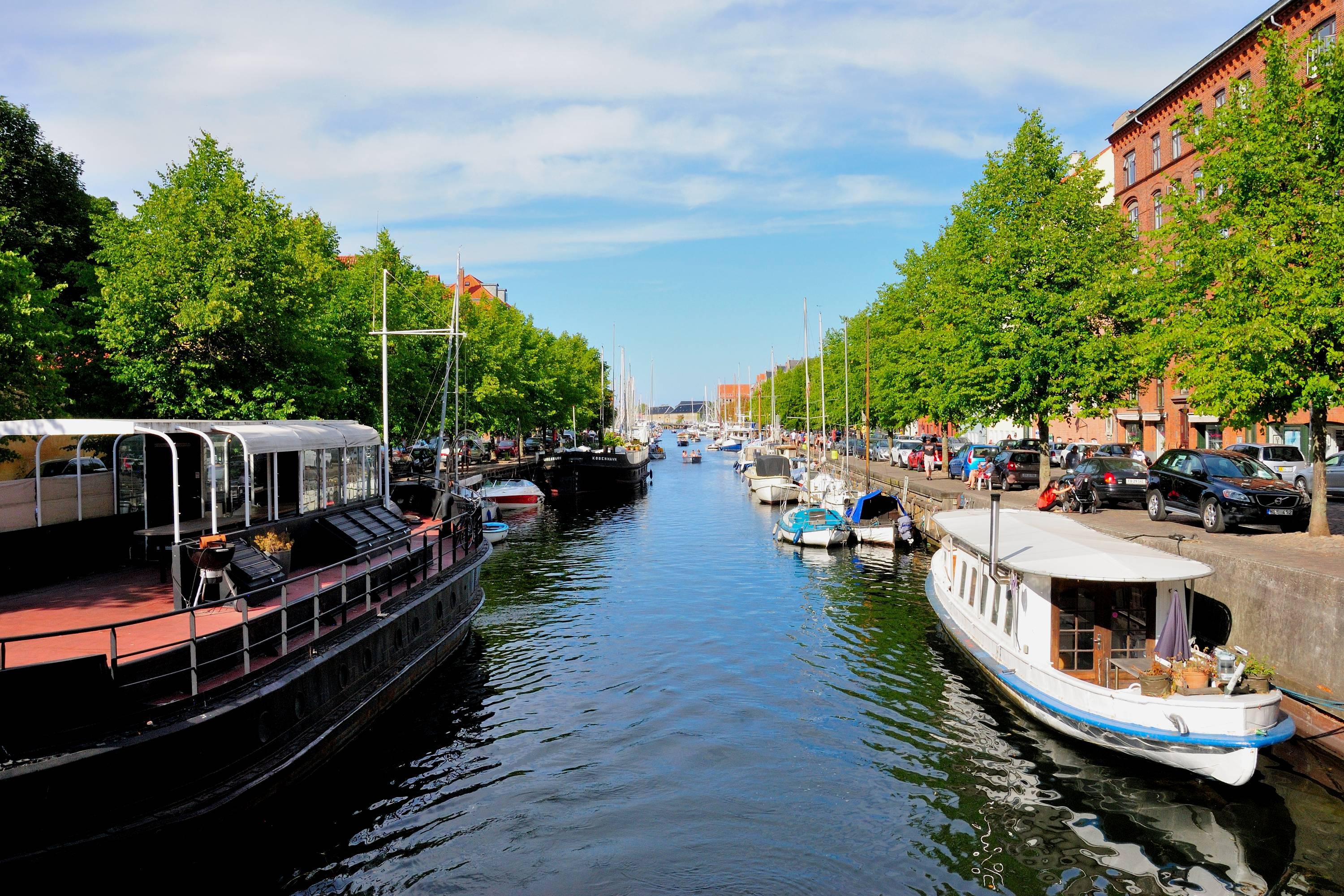
The Church of Our Saviour — Vor Frelsers Kirke in Danish — is a landmark Baroque church in Copenhagen's Christianshavn district, consecrated on April 19, 1696, after 14 years of construction on foundations sunk into reclaimed seabed. The project was initiated under King Christian V in the 1680s, conceived as a deliberate architectural assertion of Danish absolute monarchy following the territorial losses of 1660. Dutch architect Lambert van Haven designed the building on a Greek cross ground plan with corner chapels, red brick walls on a granite base, and sandstone cornices that climb to a 36-metre-high ceiling — a composition that draws heavily from Palladian and Netherlandic Baroque precedents. The interior's most arresting features are its 1695 marble altarpiece depicting the Garden of Gethsemane and an elaborate Baroque pipe organ, both of which remain in active liturgical use by a parish of around 8,000 residents today.
The church's famous external helical spire was not part of van Haven's original design. It was added more than half a century later under architect Lauritz de Thurah and consecrated on August 28, 1752, by King Frederik V. Rising to 90 metres in total, the spire is crowned by a gilded globe and a 3-metre-tall figure of Christ. An external spiral staircase of 400 steps winds around the outside of the tower in an anti-clockwise direction — a detail that spawned an enduring urban legend claiming the architect leapt to his death upon realising he had built it the wrong way round. No historical evidence supports the story, but it has persisted for nearly three centuries. The spire quickly became a navigational landmark for sailors approaching Copenhagen Harbour and remains one of the most distinctive silhouettes on the city's skyline.
Climbing the tower is the singular experience most visitors come for. The first 311 steps run inside the spire through increasingly narrow wooden staircases; the final 89 steps are on the open external staircase, where the steps narrow to a point at the inner edge and the handrail is the only thing between you and a vertiginous drop. At the top, the view takes in the copper rooftops of Christianshavn, the canals below, Amalienborg Palace, and on clear days the Swedish coastline across the Øresund. The carillon housed in the tower plays at regular intervals, audible across the neighbourhood.
The church sits at Sankt Annæ Gade 29 in Christianshavn, easily reached on foot across one of the district's canal bridges or via the Copenhagen Metro (Christianshavn station, a 7-minute walk). Tower access is seasonal — typically open from late March through October — and the climb is not recommended for those with vertigo, as the external section is fully exposed. Arrive early on summer mornings to beat queues and enjoy the clearest light over the city. The church interior is free to enter on most days outside service times, making it one of the more accessible examples of Danish Baroque architecture in the city.
Private tours with a local guide, at your own pace.
copenhagen
copenhagen
copenhagen

copenhagen

copenhagen