3.5 hrs
copenhagen
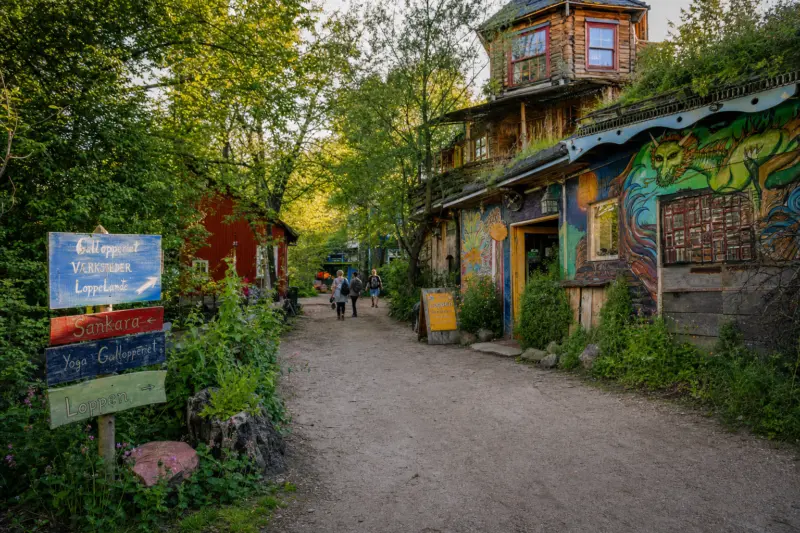
Copenhagen Alternative Private Tour: Vesterbro & Christianshavn
✓ Free cancellation Kids friendly
4.7(0 reviews)
From €311/ person
Book Now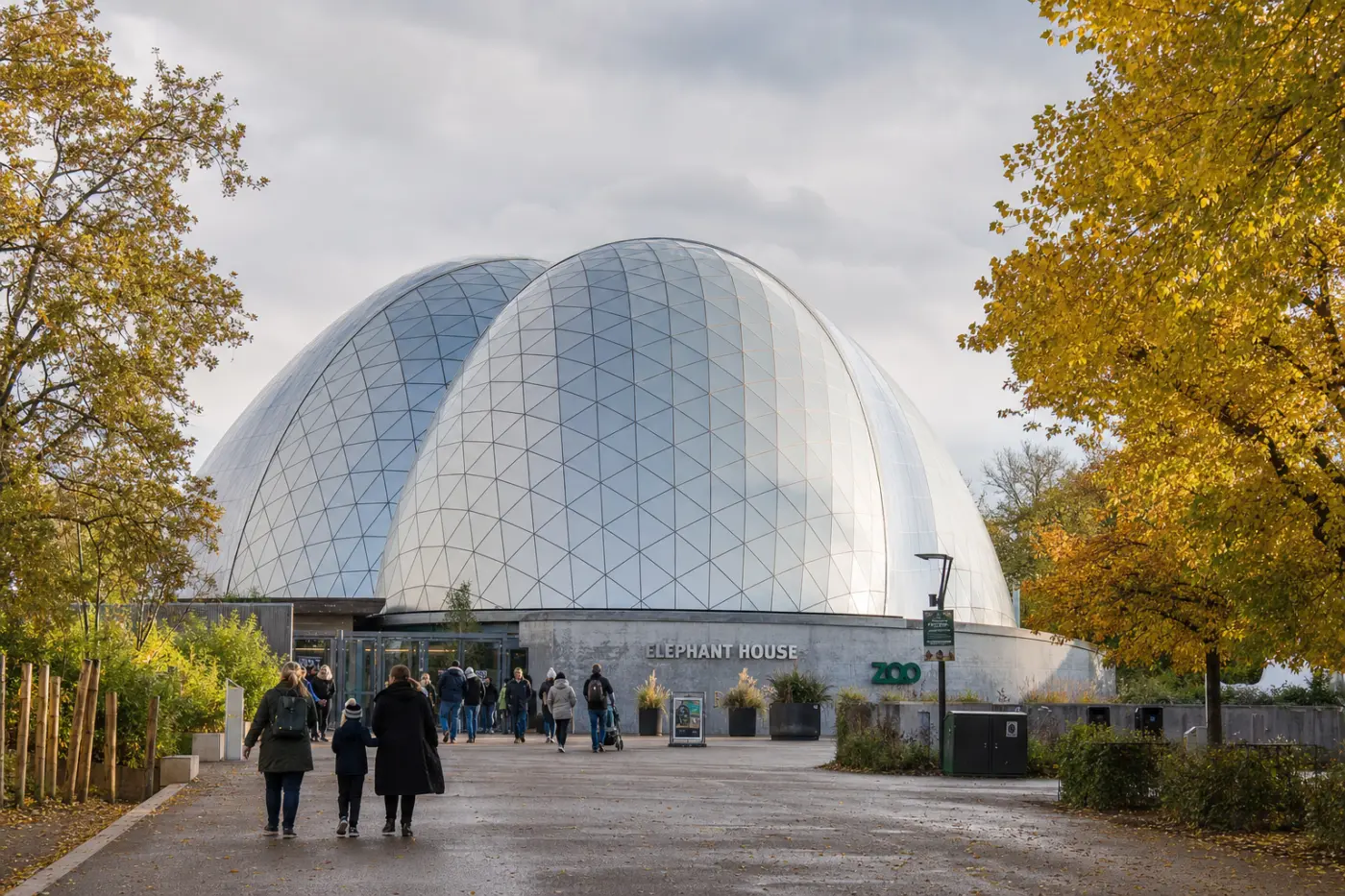
Tourist attraction
Founded in 1859, Copenhagen Zoo — known in Danish as Zoologisk Have — is one of the oldest zoological gardens in Europe and among Scandinavia's most visited cultural institutions. Situated in the leafy Frederiksberg district, just a short walk from the city centre, the zoo spans 11 hectares and is home to over 3,500 animals representing approximately 264 species, ranging from Arctic polar bears to African savannah dwellers. Its founding predates the unification of Germany and the opening of the Suez Canal, placing it firmly among the continent's pioneering institutions in zoological science and public natural education.
The zoo's most celebrated architectural landmark is its Elephant House, completed in 2008 and designed by Sir Norman Foster — the Pritzker Prize-winning British architect also responsible for the Reichstag dome in Berlin and 30 St Mary Axe in London. The structure features two enormous domed enclosures clad in aluminium and glass, flooding the interior with natural light while offering Asian elephants a climate-controlled environment. The design won the World Architecture Festival Award and remains one of the most photographed zoo buildings in the world. Beyond elephants, the zoo maintains dedicated habitats for giraffes, hippopotamuses, gorillas, snow leopards, and a substantial collection of Scandinavian native wildlife including lynx and wolves.
Copenhagen Zoo has long positioned itself as an active conservation organisation rather than a display institution. It participates in the European Endangered Species Programme (EEP), coordinating captive breeding efforts for threatened animals across member zoos. The zoo attracted significant international attention in 2014 when it made the controversial but scientifically defended decision to euthanise a young male giraffe named Marius, sparking a global debate about population management ethics in modern zoos — a moment that underscored how seriously the institution approaches genetic diversity in captive breeding.
Visitors entering through the main gate on Roskildevej are immediately immersed in a landscape that blends Victorian-era heritage structures with modern naturalistic enclosures. The Children's Zoo area allows close interaction with domestic animals, while the nocturnal house, introduced sections on tropical rainforest fauna, and elevated boardwalks over the hippopotamus pool give the site a layered, exploratory quality. The zoo is open year-round, with reduced winter hours from November through February. Tickets are significantly cheaper when purchased online in advance, and the zoo is directly accessible by bus from Copenhagen Central Station or by a pleasant walk through Frederiksberg Gardens.
Private tours with a local guide, at your own pace.
copenhagen
copenhagen
copenhagen

copenhagen
copenhagen