6 to 7 hrs
Rome
Rome: Frascati Private Day Trip - Town Tour, Lunch & Wine Tasting
✓ Free cancellation Kids friendly
4.9(25 reviews)
From €562/ person
Book Now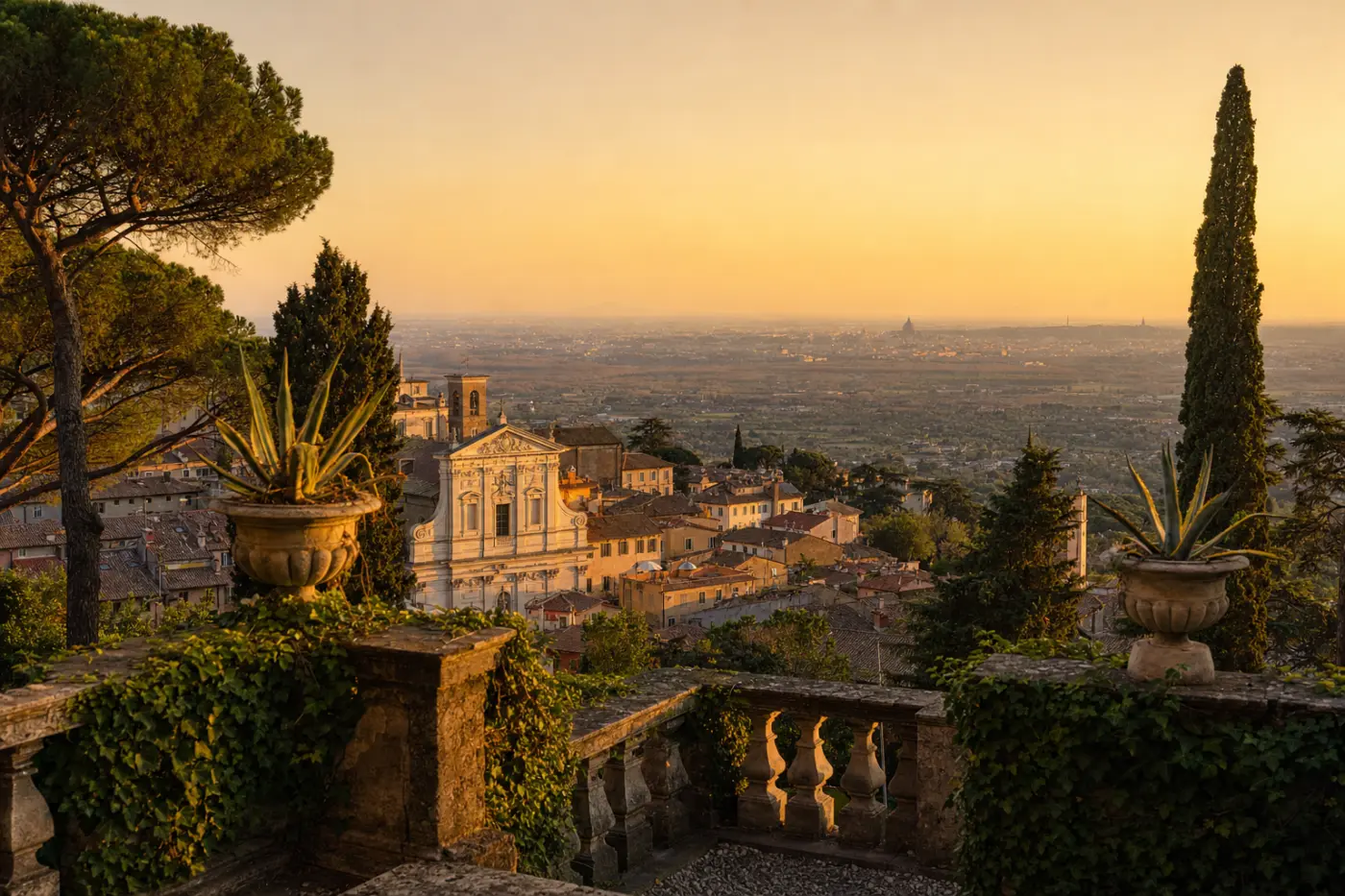
Tourist attraction
Frascati sits at 322 metres above sea level on the volcanic Alban Hills, the ancient Mons Albanus of Latin legend, roughly 20 kilometres southeast of Rome in the Castelli Romani region of Lazio. The town occupies the site of ancient Tusculum, one of the oldest Latin cities, whose citizens were granted full Roman citizenship as early as 381 BC. After Tusculum's destruction in 1191, its inhabitants resettled on the present hill, gradually building the compact baroque townscape visible today. The name itself is thought to derive from frasche — the leafy branches that once hung above tavern doorways to signal fresh wine was available — a fitting etymology for a place that has been synonymous with viticulture for two millennia.
From the 16th century onward, the Roman aristocracy and the papacy claimed Frascati as their preferred summer retreat, commissioning a spectacular series of Renaissance and Baroque villas along its slopes. Villa Aldobrandini, begun in 1598 for Cardinal Pietro Aldobrandini, nephew of Pope Clement VIII, is the grandest survivor: its nymphaeum, water theatre, and cascading fountains engineered by Giacomo della Porta and Carlo Maderno represent some of the most ambitious hydraulic garden design of the Counter-Reformation era. Cardinal Richelieu visited in 1625 and reportedly declared its gardens superior to anything in France. Villa Mondragone, completed in 1613 for the Borghese family, hosted Pope Gregory XIII and is where the Gregorian Calendar reform discussions are said to have taken place. Though many villas were severely damaged by Allied bombing raids on September 8, 1943 — Frascati served as the Wehrmacht's headquarters for the defence of central Italy — their terraced gardens and gateways remain among the most atmospheric in the region.
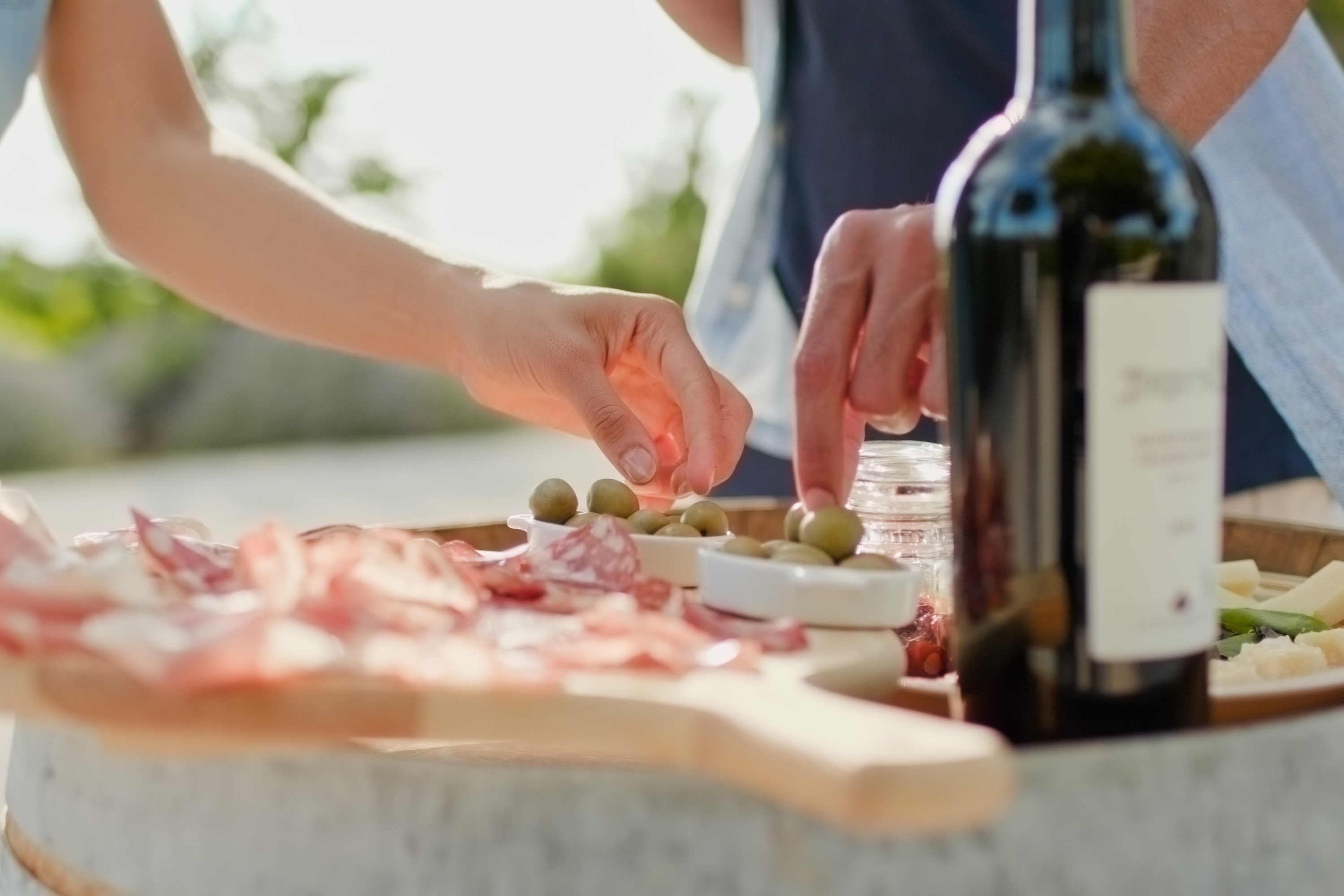
Visitors arriving in the central Piazza Marconi are immediately drawn to the grand facade of the Cathedral of San Pietro Apostolo, originally consecrated in the 11th century and rebuilt after wartime damage, and to the unobstructed view west toward Rome and the Tiber plain that stretches to the horizon. The town's enotecas and osterie serve Frascati Superiore DOCG, a dry white wine produced from Malvasia and Trebbiano grapes grown on the iron-rich volcanic soil — a wine recorded in papal provisioning records as far back as the 13th century and still one of Italy's most exported whites. The weekly Saturday market in the historic centre trades in local porchetta, pecorino romano, and wild mushrooms gathered from the oak forests of the surrounding Regional Natural Park of the Castelli Romani, established in 1984 across 15,276 hectares.
Frascati is reachable by direct regional train from Roma Termini in approximately 30 minutes on the FM4 line, with services running every 30 minutes throughout the day — making it one of the most practical day trips from the capital. The best time to visit is September, when the grape harvest animates the hillside vineyards and the Sagra dell'Uva festival fills the piazzas with music and free wine. For Villa Aldobrandini's gardens, advance booking through the Azienda di Soggiorno di Frascati is required, as access is limited; the view from the garden terrace down over the town rooftops to the Roman skyline alone justifies the effort.
Private tours with a local guide, at your own pace.
Rome
Rome
Rome

Rome
Rome
Rome
Rome
Rome

Rome
We use a single cookie, to remember this choice. We do not use analytics or advertising cookies. Read our cookie policy.