3 to 4 hrs
London
Highlights & Secrets of London Private Tour - Camden Town, Downtown & Markets
✓ Free cancellation Kids friendly
4.9(19 reviews)
From €267/ person
Book Now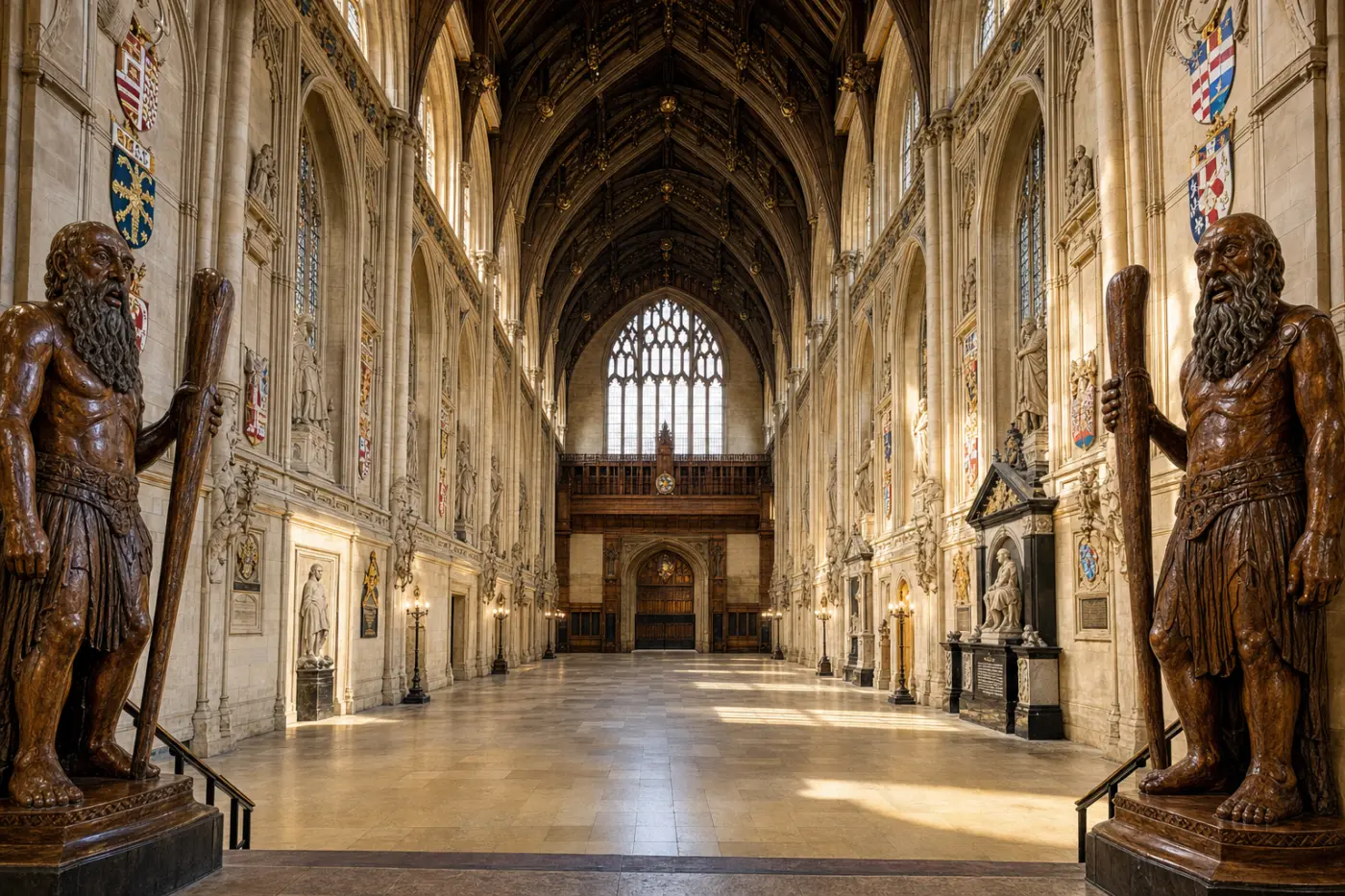
Tourist attraction
Guildhall, on Gresham Street in the heart of the Square Mile, is London's only surviving secular medieval building and the seat of the City of London Corporation — the world's oldest continuously elected local government. Construction began in 1411 under master mason John Croxton and was completed by 1440, though the site itself sits atop the remains of London's Roman amphitheatre, built around AD 70. The Great Hall, standing 27 metres high with a cathedral-like nave, is the third largest civic hall in England. Beneath it lies London's largest surviving medieval crypts, divided into East and West sections, dating from the same 15th-century build. The complex also houses the Guildhall Art Gallery, where a 1297 copy of Magna Carta — belonging to the City Corporation — is kept on permanent display.
The building has borne witness to some of the most consequential moments in English history. During the turmoil of the Reformation, the Great Hall served as a court for state trials of peers, an archbishop, and most dramatically, 16-year-old Lady Jane Grey, the de facto Queen of England for just nine days in 1553, who was found guilty of high treason and sentenced to death here. The building survived the Great Fire of London in September 1666 — Samuel Pepys described its burning roof as "a fearfull spectacle... as if it had been a Pallace of gold or a great building of burnished brass" — and again on the night of 29 December 1940, the Second Great Fire of London, when Luftwaffe incendiary bombs razed the roof for a second time. The current roof, the fourth in the building's history, was designed by Sir Giles Gilbert Scott (of red telephone box fame) and erected in 1953.
Visitors entering the Great Hall step into a space that has hosted state banquets, mayoral inaugurations, and royal occasions since 1502. The hall is lined with impressive monuments to national figures including the Duke of Wellington, Lord Nelson, Sir Winston Churchill, and William Pitt the Elder. Colourful carved shields of the City's ancient livery companies line the clerestory, and the two giant figures of Gog and Magog — legendary guardians of the City, with their current versions carved in 1953 to replace those destroyed in the Blitz — stand watch at the west end of the hall.
The Great Hall is open to the public when not in use for civic or state functions, and guided tours run monthly on the days the Court of Common Council meets — allowing visitors to observe the City's centuries-old democratic process in action. Tours must be booked in advance through the City of London Guides website. The Guildhall Art Gallery, which incorporates the visible remains of the Roman amphitheatre in its undercroft, maintains its own opening hours and is free to enter on Fridays. The complex is a short walk from Bank and St Paul's Underground stations, and admission to the Great Hall itself is free on open days.
Private tours with a local guide, at your own pace.
London
London
London
London
London
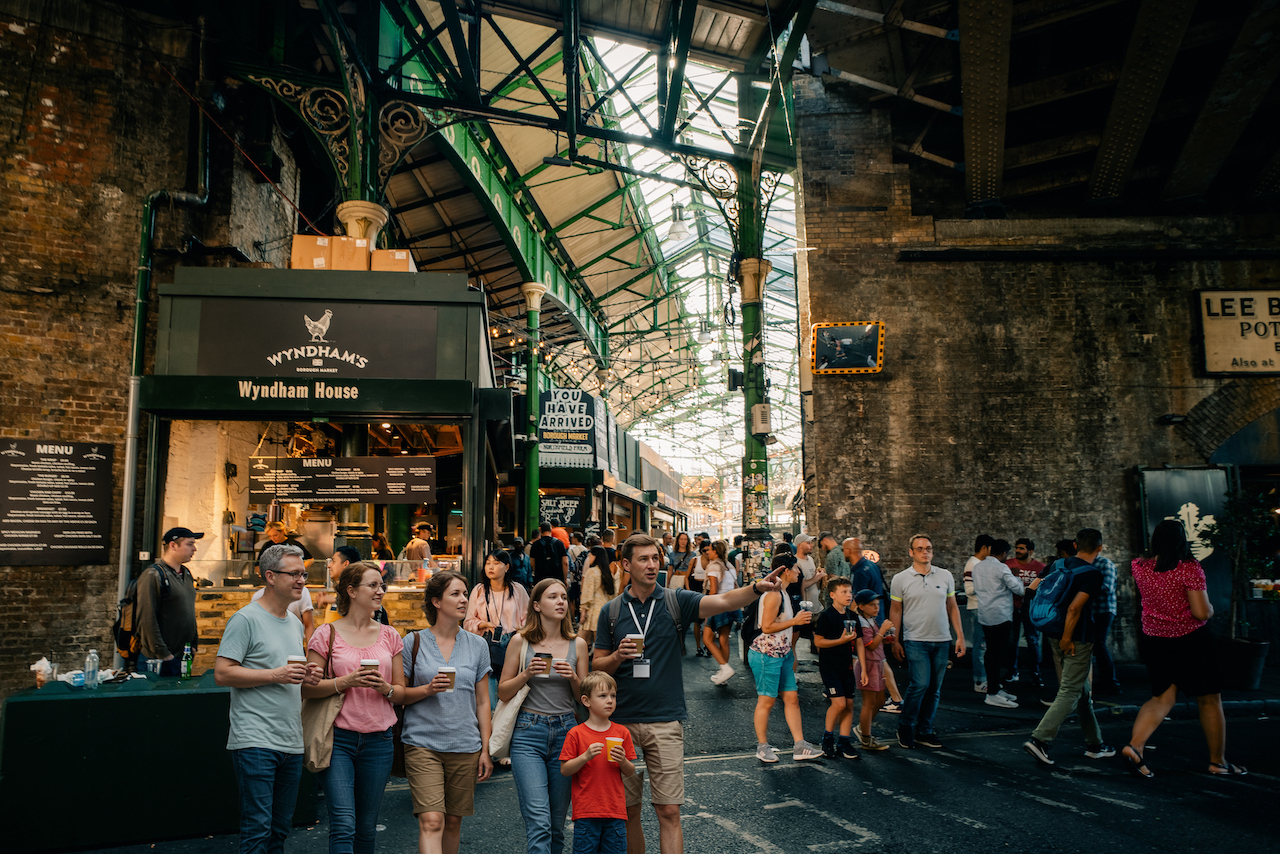
London
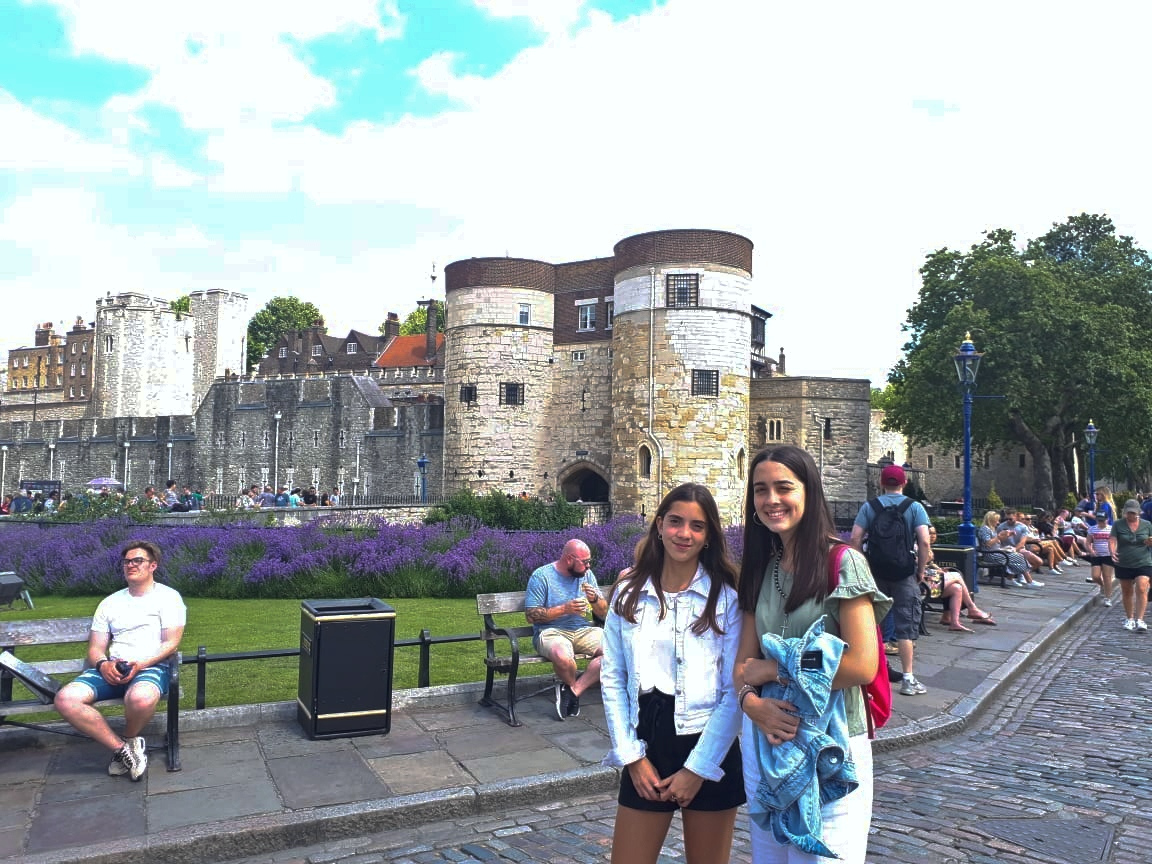
London

London

London
We use a single cookie, to remember this choice. We do not use analytics or advertising cookies. Read our cookie policy.