3 hrs
Rome
Rome Private Family Walking Tour with Games for Kids
✓ Free cancellation Kids friendly
4.7(32 reviews)
From €177/ person
Book Now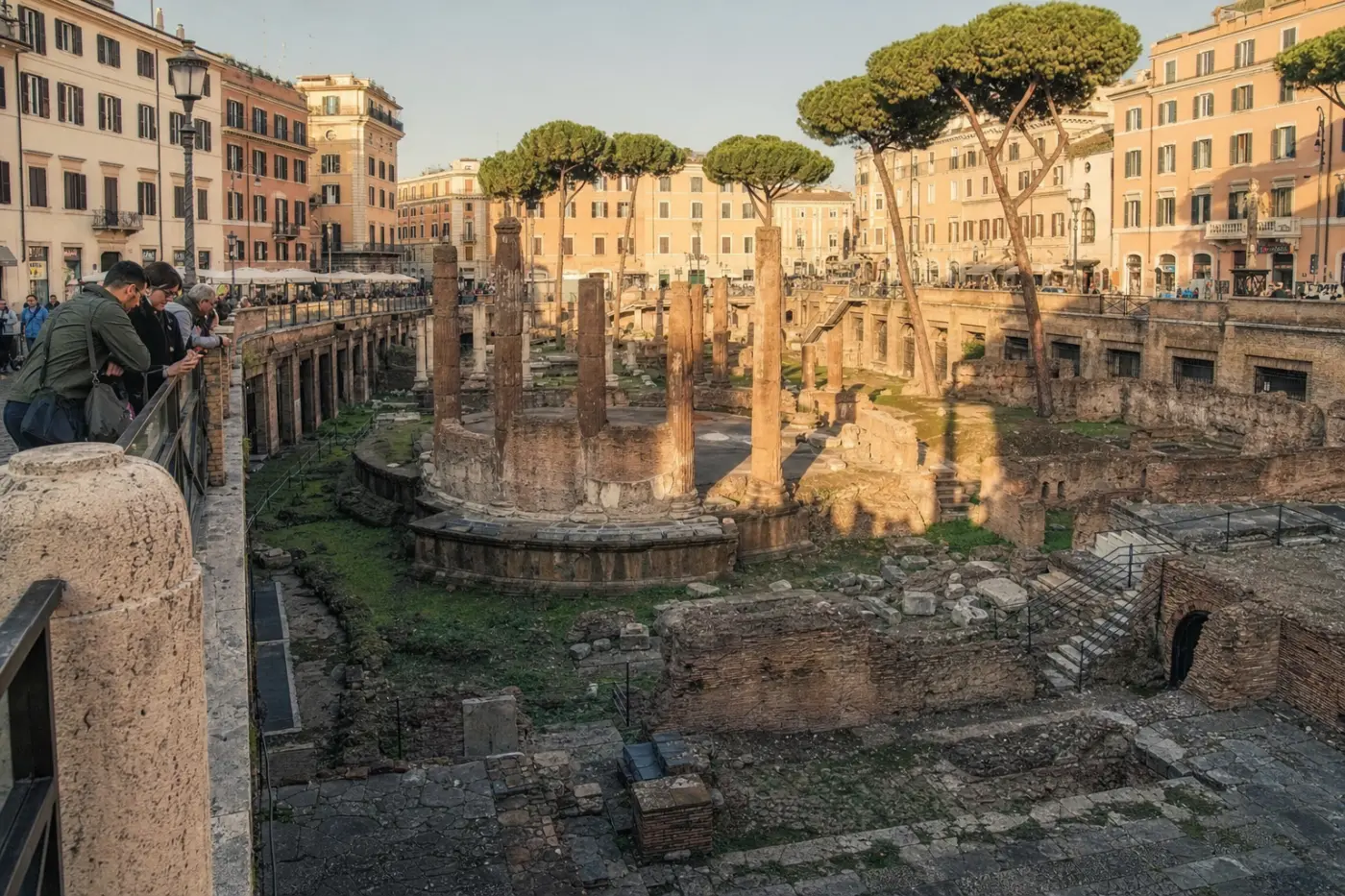
Tourist attraction
Largo di Torre Argentina sits in the heart of Rome's historic center, between the Jewish Ghetto and the Pantheon, and contains one of the most consequential patches of ground in Western history. At its core is the Area Sacra — an archaeological complex exposing four Republican-era temples, labeled A through D, built between the 3rd and 2nd centuries BC as part of the ancient Campus Martius. These temples, still standing several meters below street level, represent some of the best-preserved examples of Roman Republican sacred architecture in existence. Nearby stood the Curia of Pompey, an annex of Rome's first permanent stone theatre, built by Pompey the Great in 55 BC — and it was in that curia that Julius Caesar was assassinated on 15 March, 44 BC, by a group of senators led by Marcus Junius Brutus and Gaius Cassius Longinus.
The square's curious name has nothing to do with South America. "Argentina" derives from "Argentoratum," the ancient Latin name for Strasbourg. In the 15th century, Johannes Burckardt — a native of Strasbourg who served as papal master of ceremonies under several popes including Alexander VI Borgia — built a tower residence in this area and named it the Torre Argentina in honor of his hometown. The name passed to the square, and later to the Teatro Argentina, which opened in 1732 and remains one of Rome's most prestigious opera houses. It was on that stage that Gioachino Rossini's The Barber of Seville received its world premiere in 1816. The Sacred Area itself lay hidden beneath centuries of urban buildup until 1926–1929, when Mussolini ordered demolitions in the neighborhood that accidentally uncovered the ancient ruins.
The site reopened to in-person visitors on 20 June 2023, complete with interpretive panels and improved site access, allowing the public to walk through the ruins for the first time in decades. Standing among the column stumps and travertine plinths, visitors can trace the outlines of the four temples and look across to the spot where Rome's Late Republic effectively ended. The site also houses one of Rome's best-known feline sanctuaries, home to dozens of resident cats that have lived among the ruins for generations — a quirky but beloved feature that draws as many visitors as the archaeology itself.
Largo di Torre Argentina is free to view from street level at any hour, and the excavated area has ticketed access with guided options available. The square is well served by bus along Corso Vittorio Emanuele II and is a short walk from Campo de' Fiori and the Pantheon. Arrive in the morning for the best light on the temples and to avoid crowds. The site is entirely outdoors, so wear sun protection in summer and check for seasonal closures of the interior sections.
Private tours with a local guide, at your own pace.
Rome

Rome

Rome

Rome
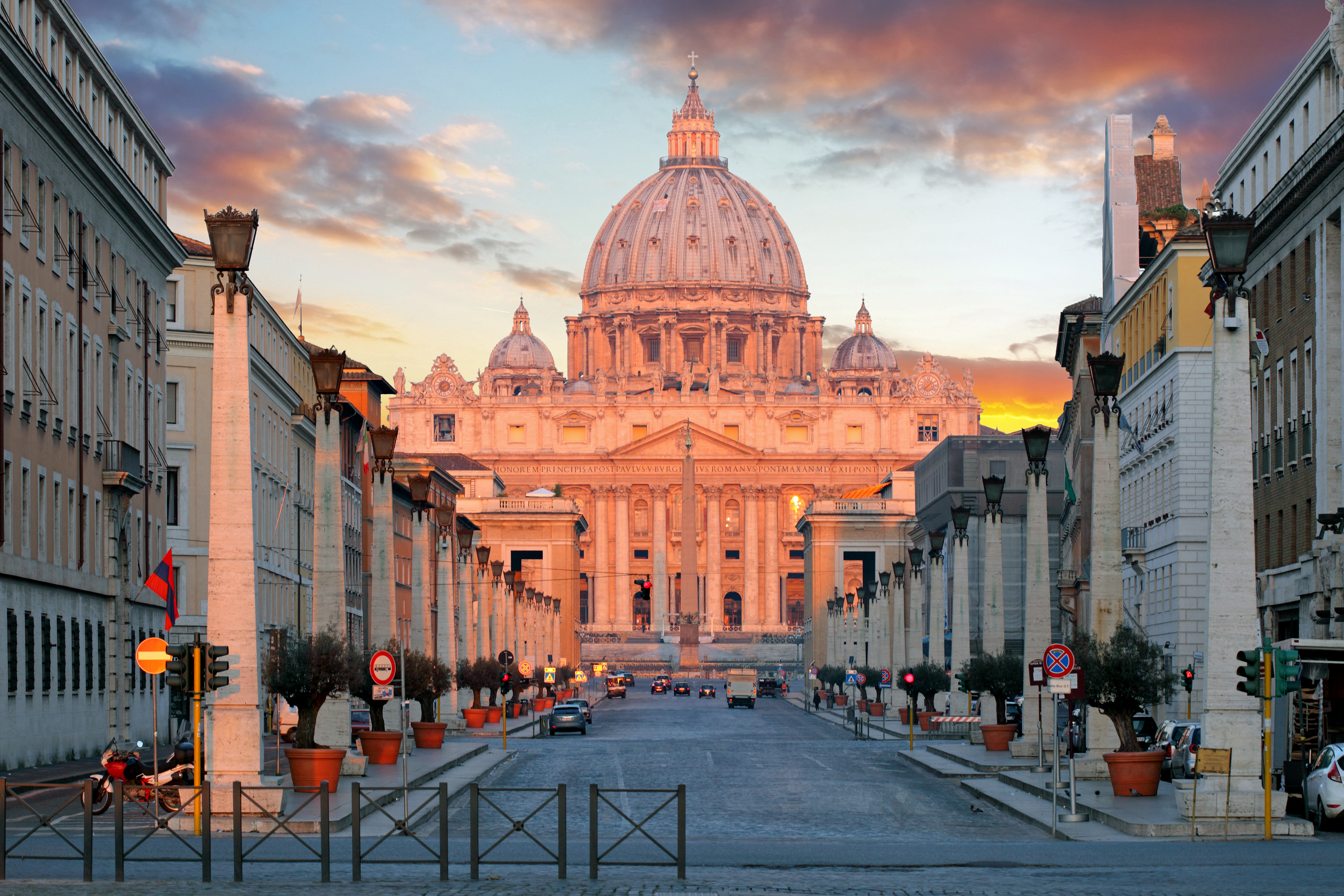
Rome
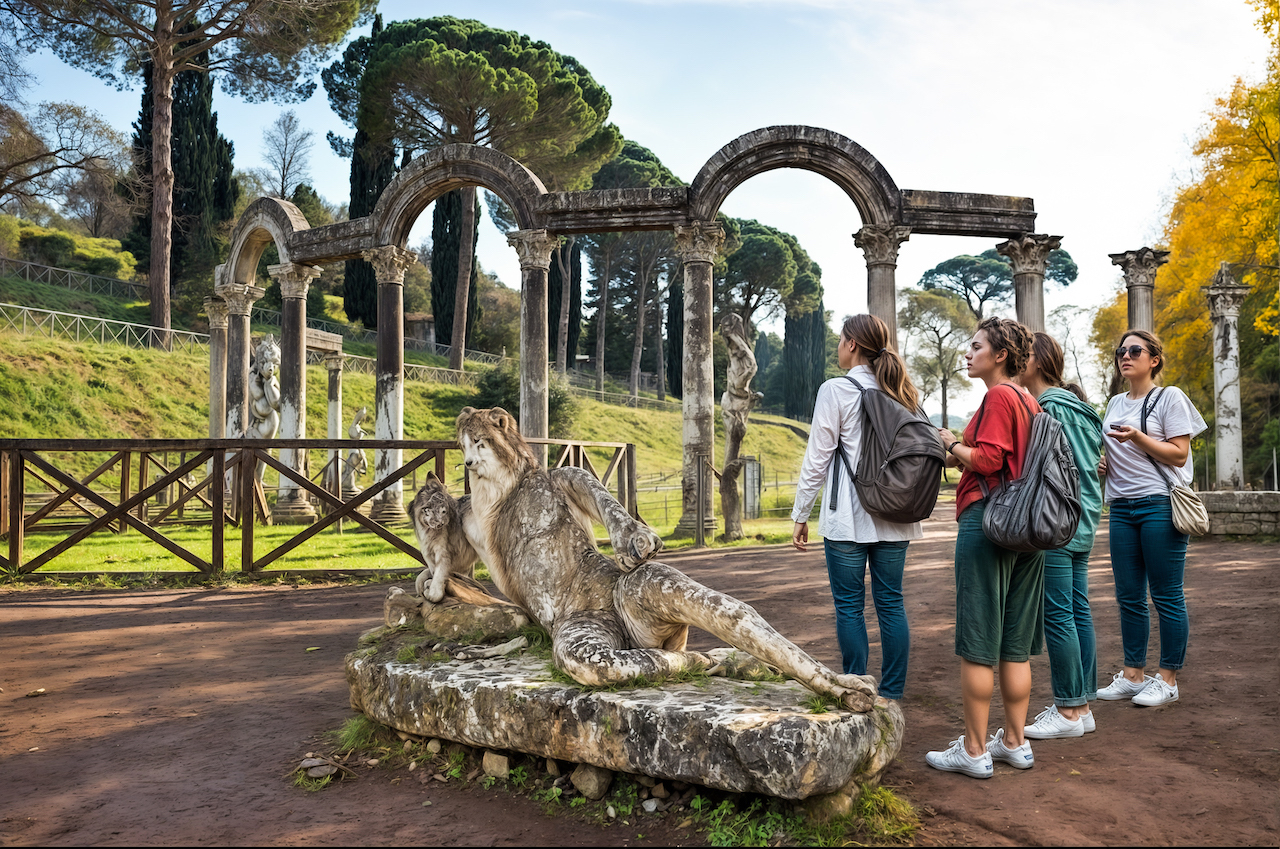
Rome

Rome
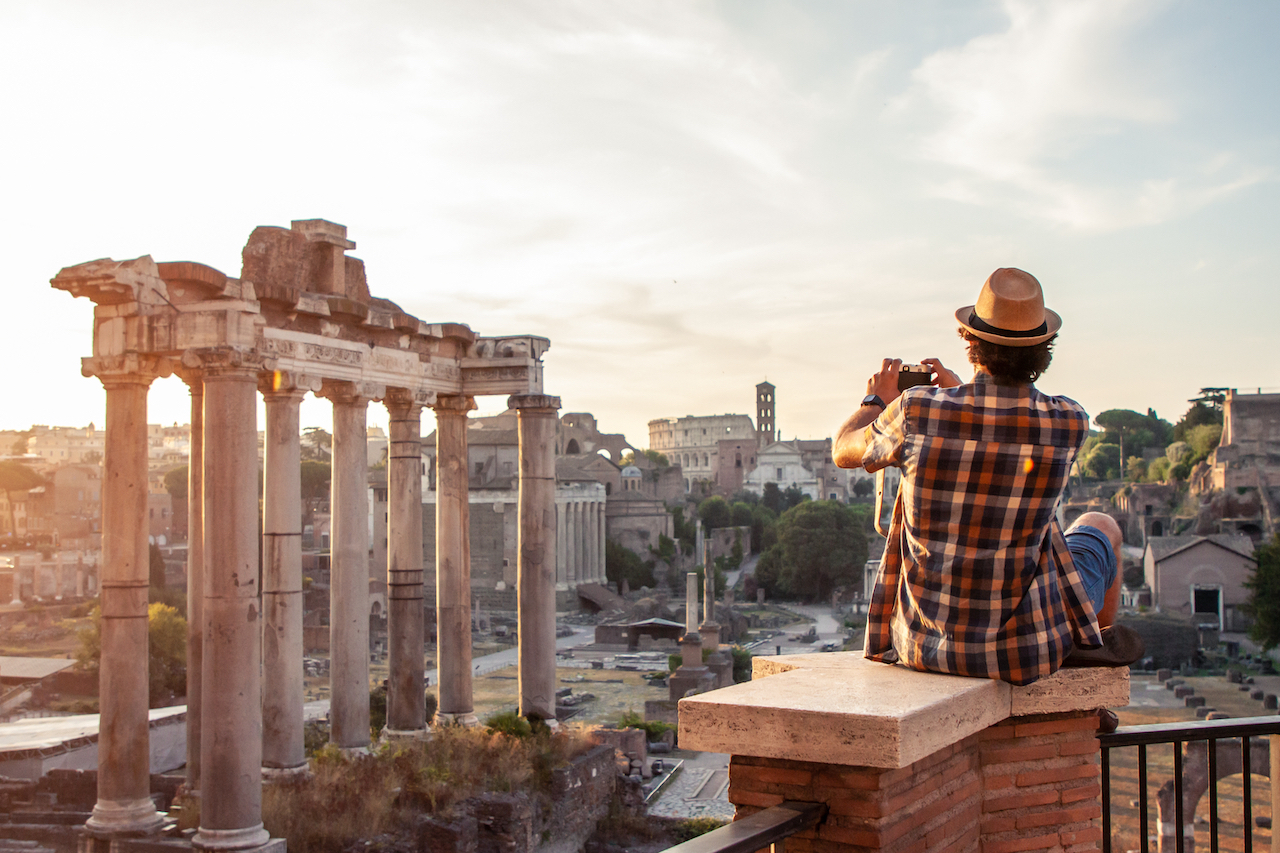
Rome
We use a single cookie, to remember this choice. We do not use analytics or advertising cookies. Read our cookie policy.