4 hrs
London
Highlights of London Private Tour - Downtown, Notting Hill & Portobello Market
✓ Free cancellation Kids friendly
4.7(27 reviews)
From €188/ person
Book Now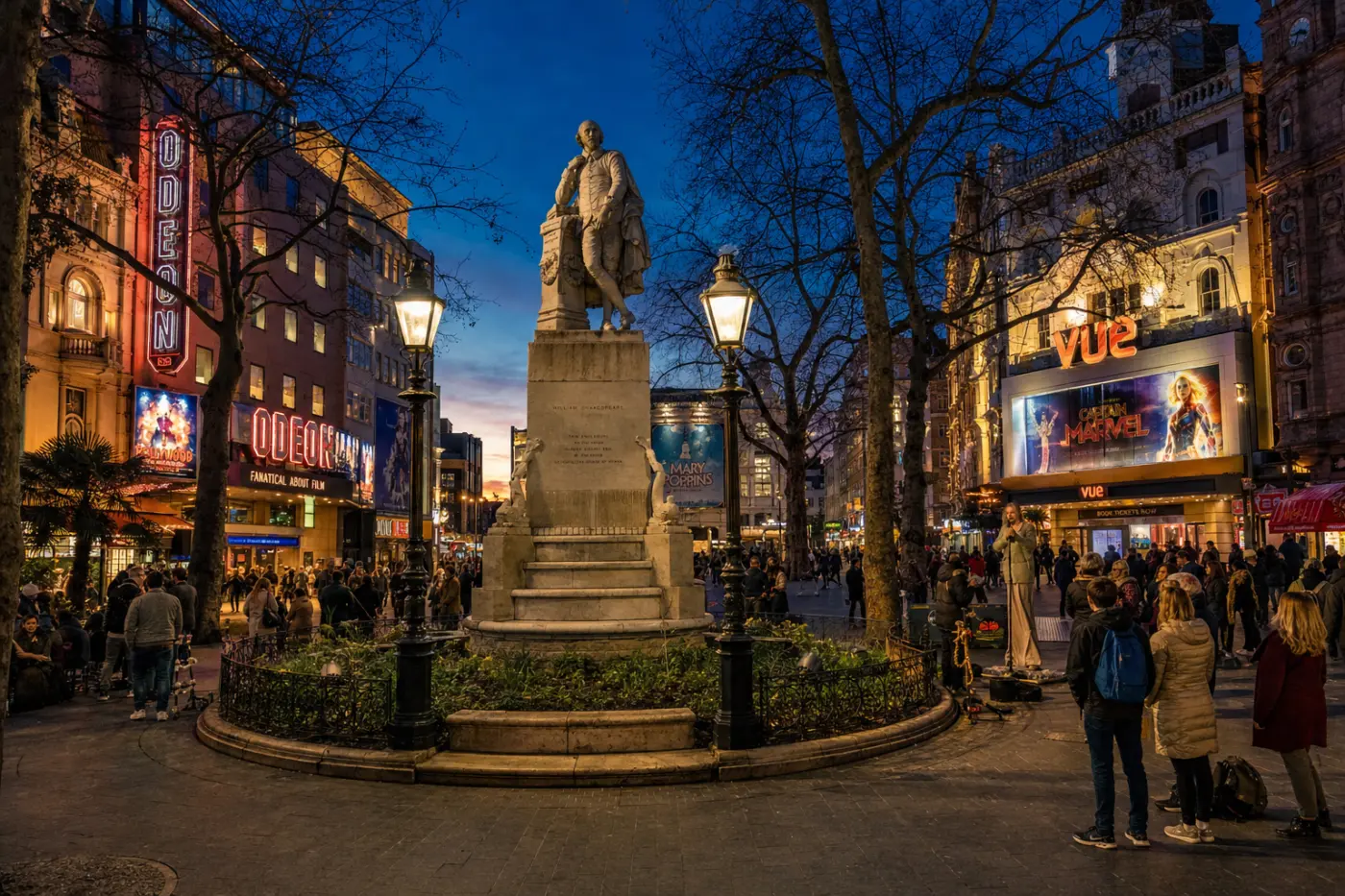
Tourist attraction
Leicester Square sits at the heart of London's West End, but its origins bear little resemblance to the neon-lit plaza visitors encounter today. The land was entirely open fields until Robert Sidney, the 1st Earl of Leicester, constructed Leicester House on its northern edge between 1632 and 1636. The surrounding area was still rural enough that a 16th-century map shows the site as a drying-ground for clothes, with cattle grazing in adjacent fields. The formal square, lined with terrace housing, only took shape in the late 17th and early 18th centuries — and was long known as Leicester Fields, a name that persisted well into the 1700s. By 1755, the central garden was laid out with formal paths and grass, with a statue of King George I installed in 1747, replacing an earlier ornamental tree at the garden's centre.
The square's most dramatic historical moment came in 1727. The Prince of Wales — who had been expelled from the royal apartments at St. James's Palace following a bitter quarrel with his father, King George I — had made Leicester House his primary London residence since the end of 1717. When George I died on 11 June 1727, his son rushed back from outside the city and was proclaimed King George II at the gates of Leicester House itself. It remains the only occasion in history that a British monarch has been proclaimed in what is now Leicester Square. The house also sheltered a future George III during his childhood, and later housed Sir Ashton Lever's celebrated natural history museum. John Hunter, the pioneering surgeon and anatomist, maintained a residence on the square, as did the painters Sir Joshua Reynolds and William Hogarth, making it briefly one of the most intellectually distinguished addresses in Georgian London.
The 19th century brought spectacle of a more populist kind: Burford's Panorama, Wyld's Great Globe — a 60-foot diameter model of the Earth that visitors could walk inside — and the Alhambra Theatre, which stood on the eastern side from 1854 and became one of London's premier music halls. The square fell into neglect mid-century before being entirely renovated in 1874 by MP and financier Albert Grant, who gifted it to the Metropolitan Board of Works. Grant installed the central garden, new paths, and a marble statue of Shakespeare that still stands today. The 20th century cemented its identity as the capital's cinema district: the Empire, Odeon, and Vue cinemas surrounding the square have hosted some of Britain's most glamorous film premieres since the 1930s.
Today the pedestrianised square is a lively mix of street performers, cinema queues, and the TKTS booth on the south side — London's official half-price theatre ticket outlet, where same-day West End seats can be secured at a significant discount. The gardens are freely accessible at all times, with the Shakespeare fountain and four busts of notable former residents — Newton, Reynolds, Hogarth, and Hunter — dotting the perimeter. The square is at its most atmospheric in the evening, when cinema marquees light up and crowds spill out from the surrounding bars and restaurants. It is directly served by Leicester Square Underground station on the Northern and Piccadilly lines, making it one of the easiest landmarks in London to reach.
Private tours with a local guide, at your own pace.
London
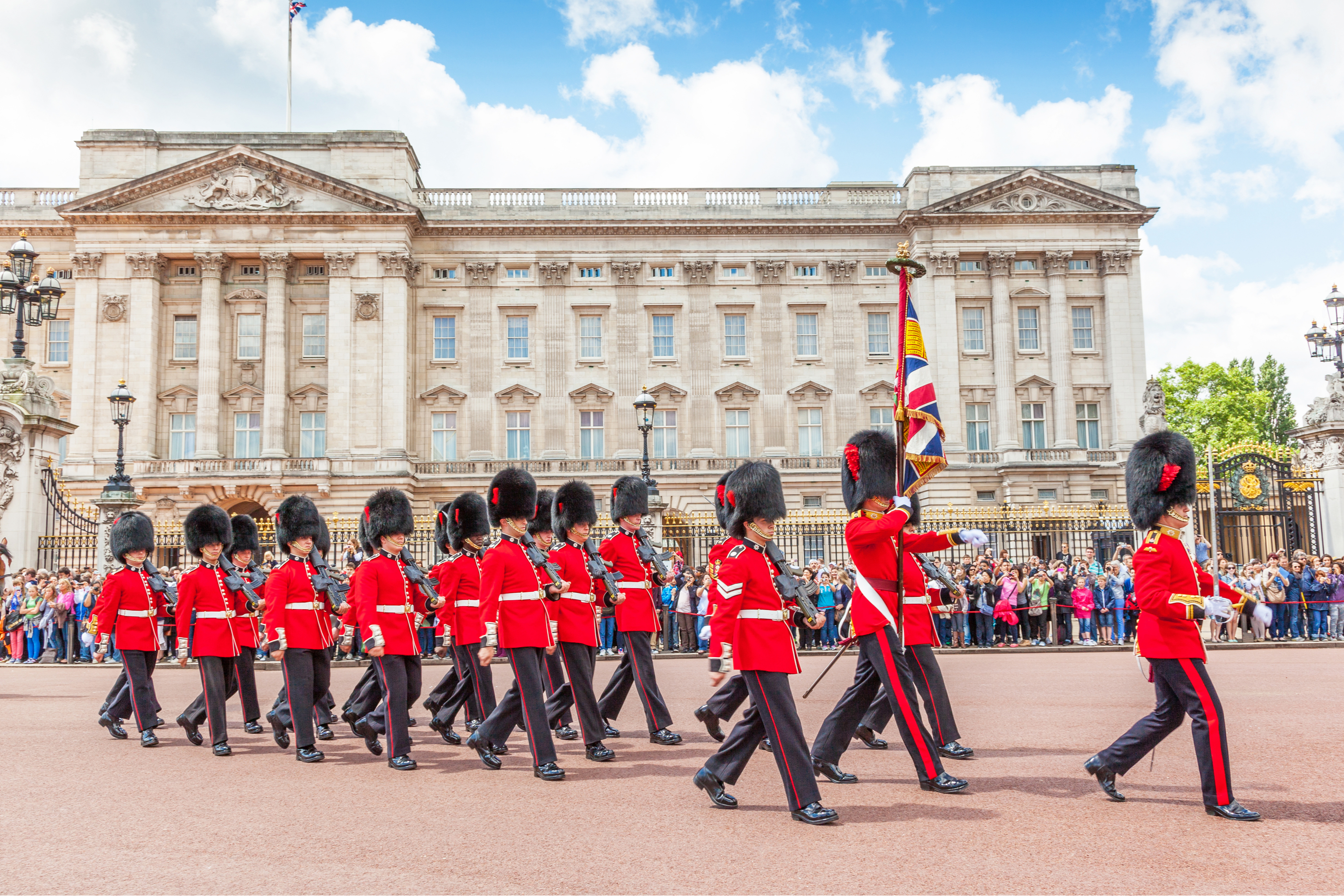
London

London
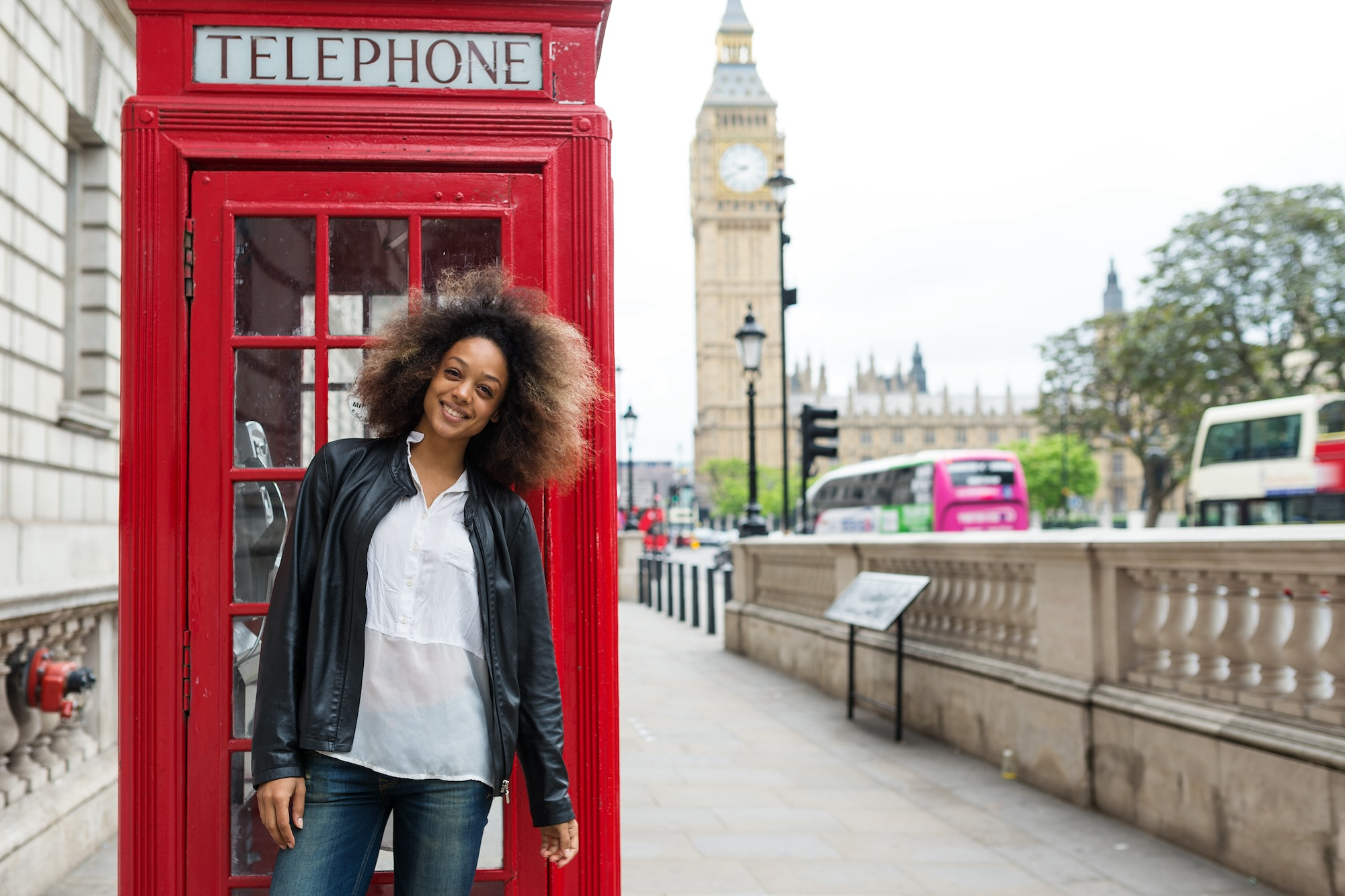
London
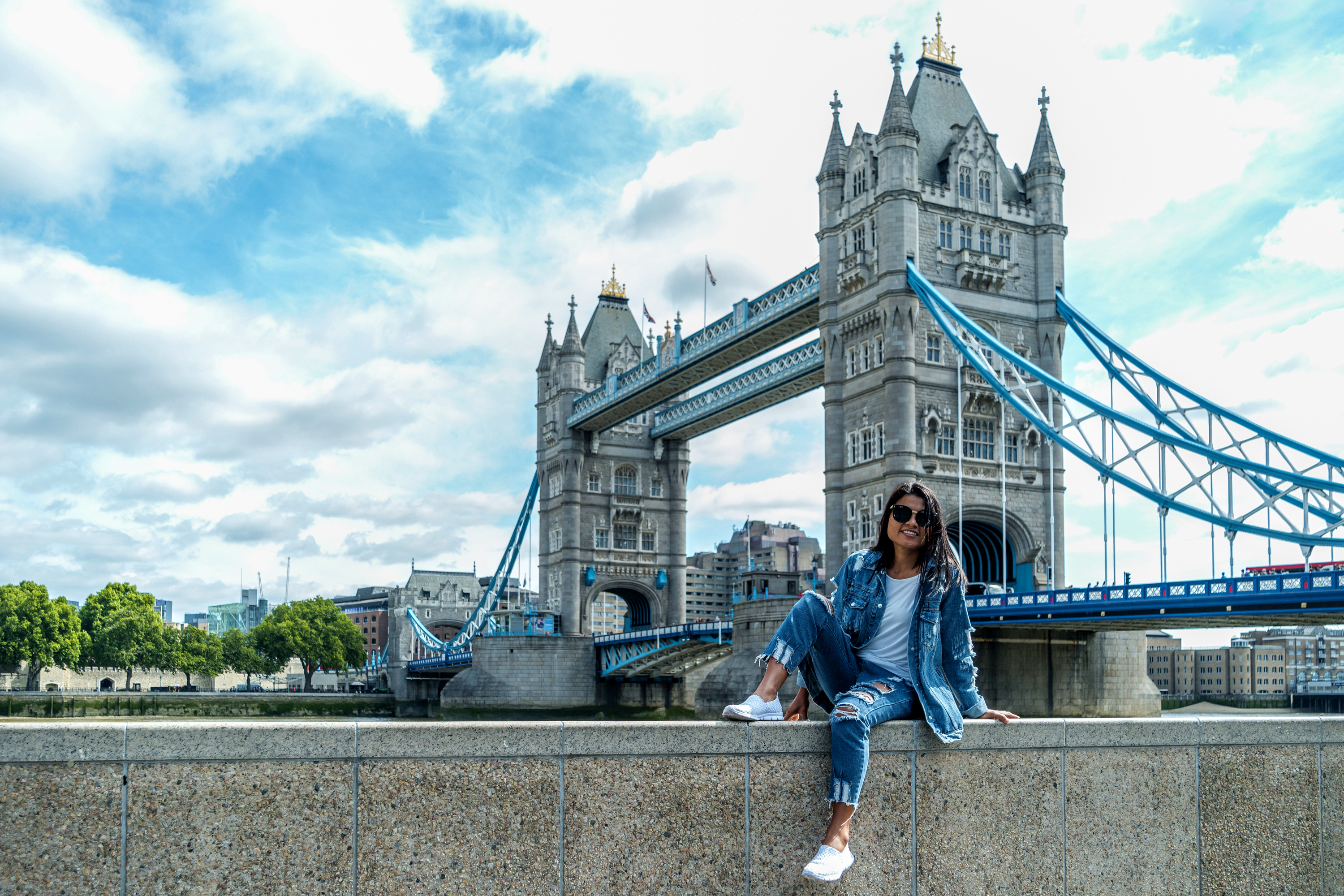
London
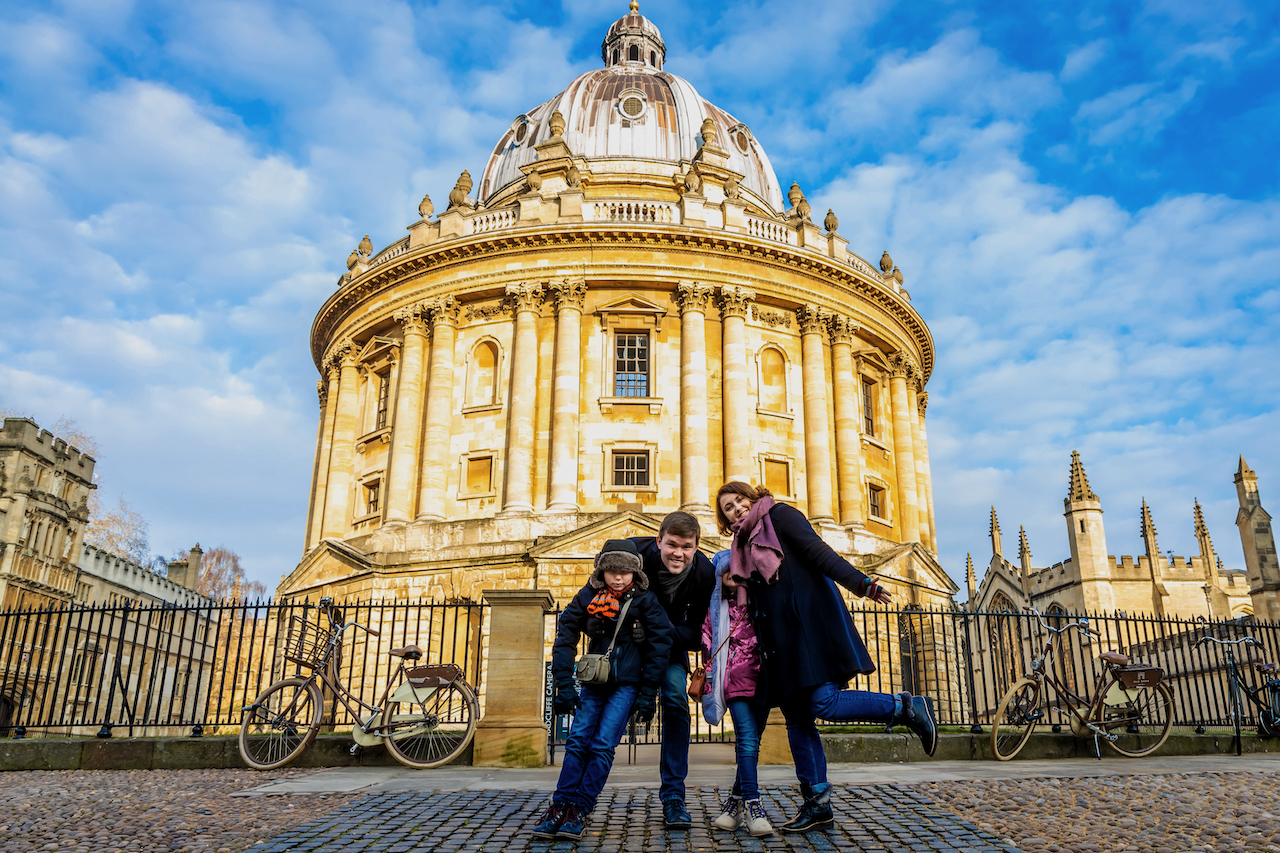
London
London
London
London
We use a single cookie, to remember this choice. We do not use analytics or advertising cookies. Read our cookie policy.