4 hrs
London
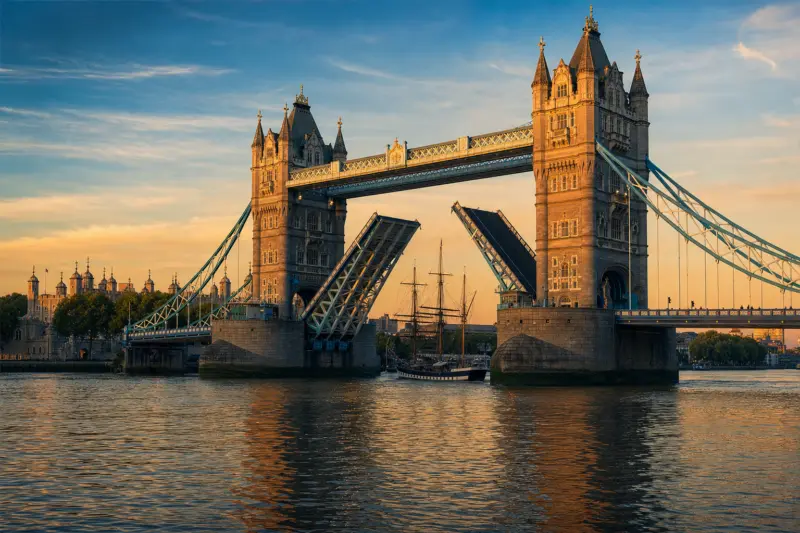
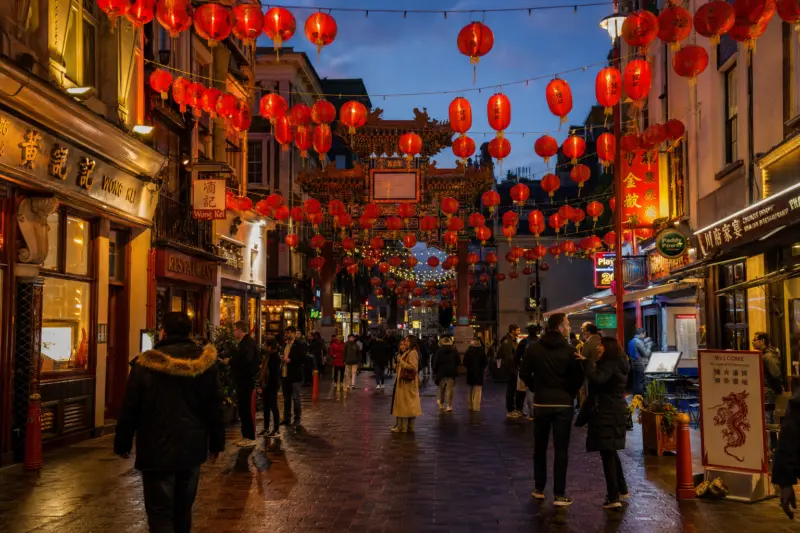
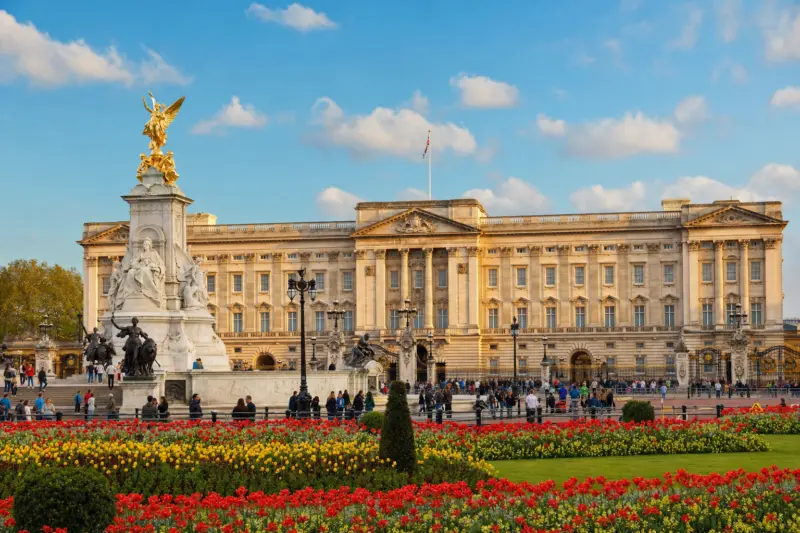
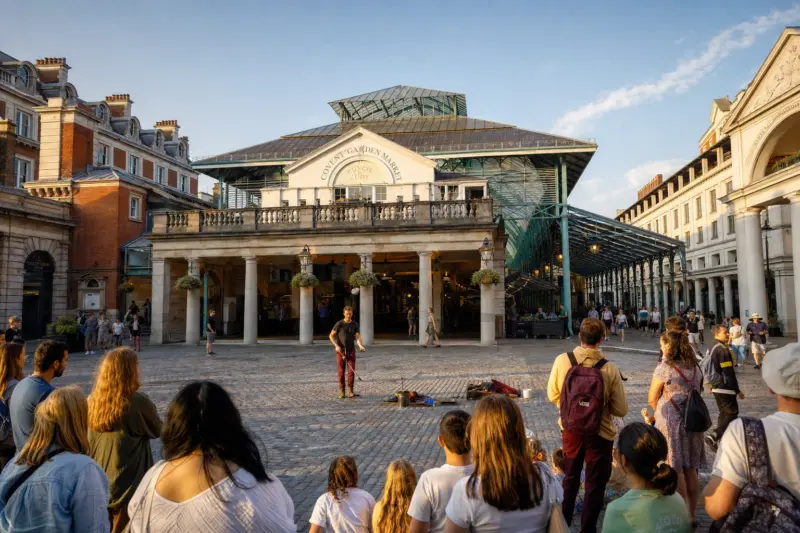
Private Full Day Tour – Skip the line Tickets to Tower of London & British Lunch
✓ Free cancellation Kids friendly
4.8(13 reviews)
From €295/ person
Book Now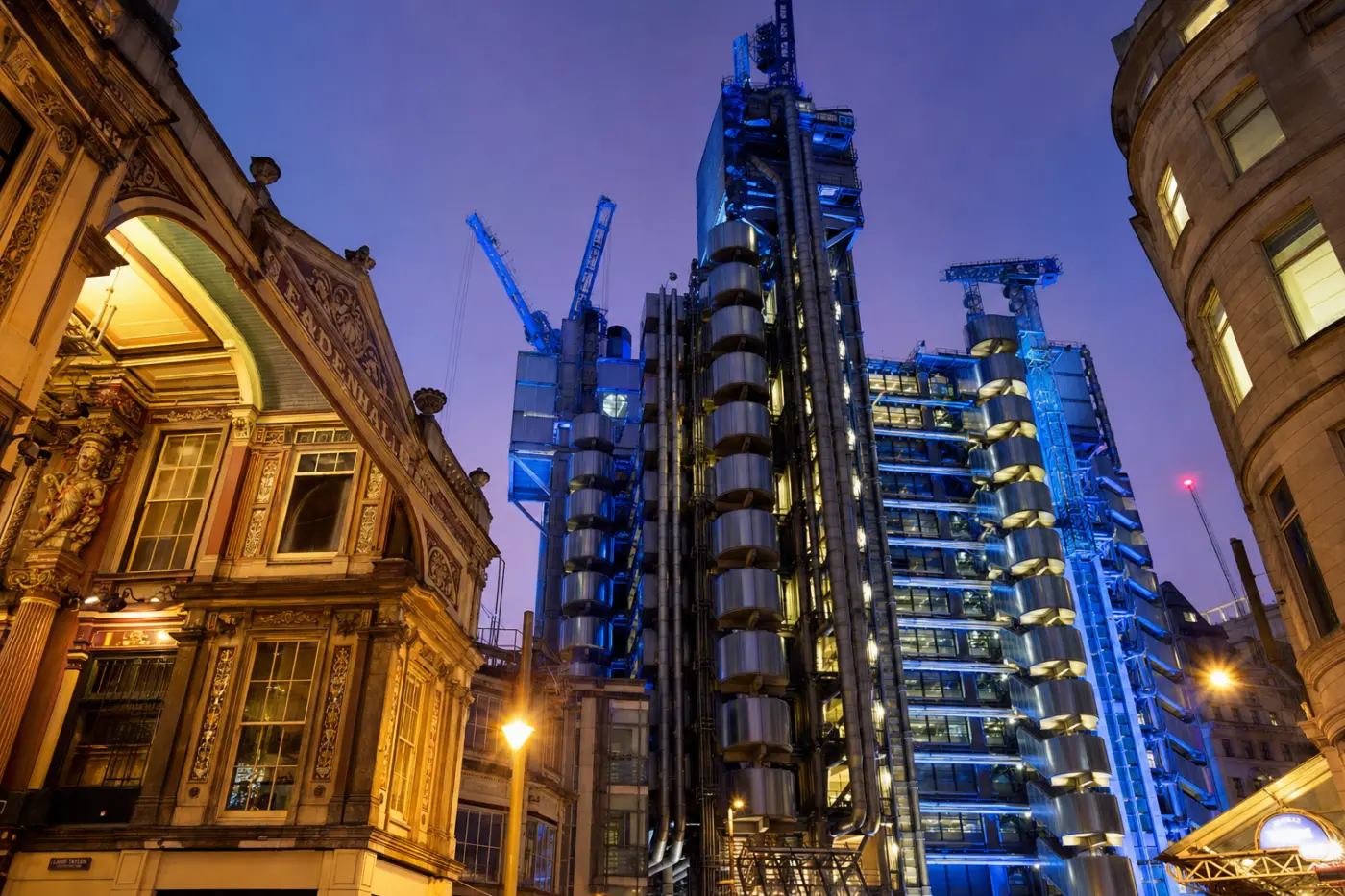
Tourist attraction
The Lloyd's Building, rising 95 metres above Lime Street in the heart of the City of London, is one of the most audacious works of architecture produced in 20th-century Britain. Designed by Richard Rogers — fresh from his collaboration with Renzo Piano on the Centre Pompidou in Paris — and completed in 1986, the building was commissioned by Lloyd's of London, the world's oldest and most storied insurance market. Lloyd's traces its origins to Edward Lloyd's coffee house on Tower Street, where merchants and underwriters gathered from around 1686 to trade risk on ships and cargo. By the late 20th century, that tradition of face-to-face underwriting still demanded a vast, flexible trading floor, and Rogers delivered exactly that — wrapped in one of the most provocative steel-and-glass exoskeletons ever built.
Rogers' central design philosophy was radical but logical: by placing all service elements — lifts, staircases, electrical conduits, water pipes, and mechanical ductwork — on the outside of the structure across six towers of stainless steel, the building's interior floors could remain entirely open and column-free. The result is a 60-metre-high atrium, the Underwriting Room, topped by a barrel-vaulted glass roof borrowed aesthetically from Victorian railway stations. At its core sits the Lutine Bell, salvaged from the French frigate HMS Lutine which sank in 1799 carrying £1.2 million in gold and bullion. For generations, the bell was rung once to signal bad news and twice for good — a ritual that became the defining ceremony of the global insurance trade. The building was awarded Grade I listed status in 2011, making it one of the youngest structures ever to receive that designation, confirming its status as a building of exceptional architectural interest.
Visiting the Lloyd's Building is an exercise in architectural revelation. From the narrow medieval street grid of Lime Street and Leadenhall Street, the structure erupts into view as an assemblage of cranes that never left — twelve external blue cranes mounted permanently on the roof, silver cylindrical service towers, and external glass lifts that glide up and down the façade exposing the full mechanical honesty of the design. The adjacent Leadenhall Market, a Victorian cast-iron covered arcade from 1881, provides one of London's great urban contrasts: ornate painted ironwork against Rogers' uncompromising stainless steel. At night, the Lloyd's Building is fully illuminated in blue-white light, transforming it into a futuristic beacon visible across the Square Mile.
The building's interior is not regularly open to the public, though Lloyd's organises periodic open days — most notably during the annual Open House London festival each September, when thousands visit to see the Underwriting Room, the original Adam Room (a lavishly decorated 18th-century dining room relocated from Bowood House in Wiltshire and installed on the 11th floor), and the suspended glass atrium up close. For all other visits, the exterior is freely viewable at any hour from the surrounding streets. The best vantage points are from the corner of Lime Street and Leadenhall Street, or from the upper walkways of the nearby Leadenhall Building. Arrive early on weekday mornings to watch underwriters in suits pass through the building's glass doors — a living reminder that this remains, as it has been since 1686, a working marketplace of global risk.
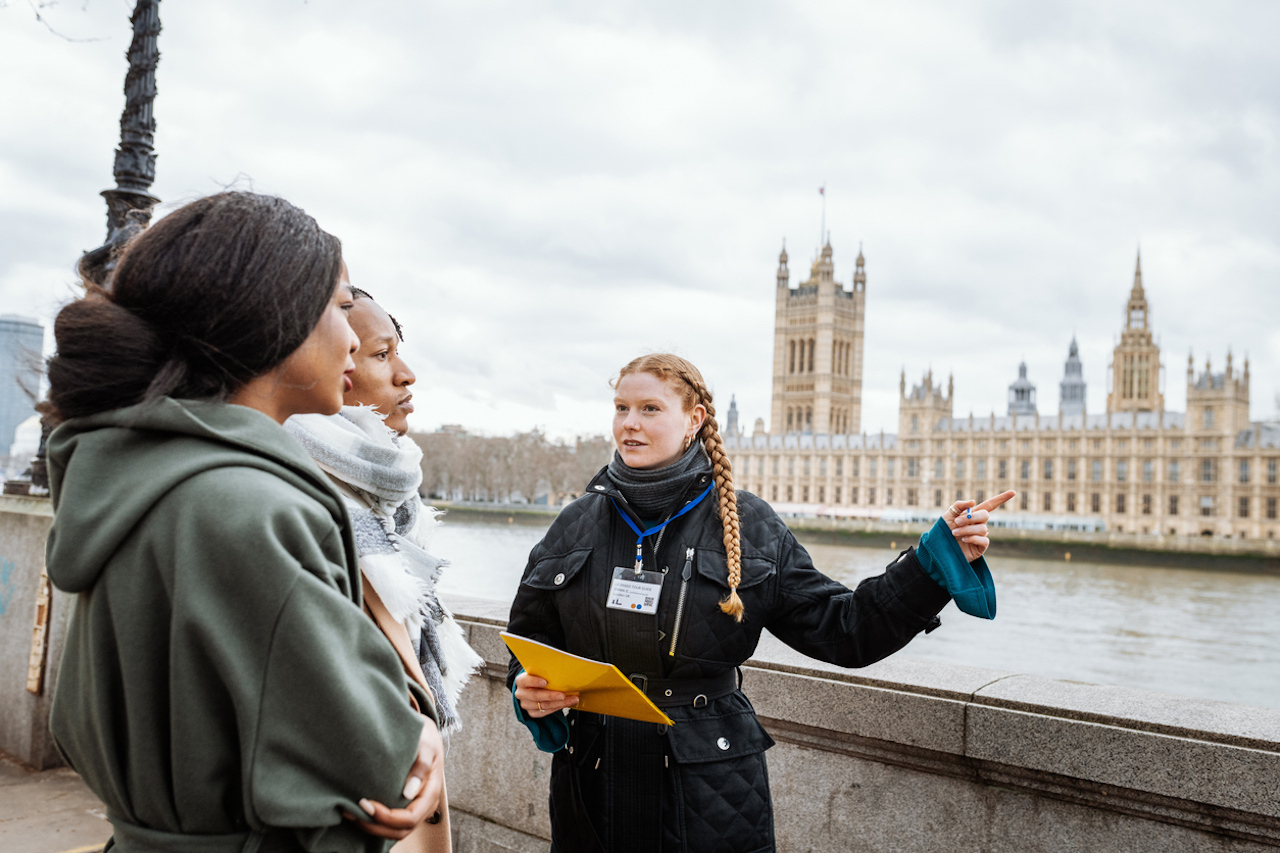
Private tours with a local guide, at your own pace.
London
London
London
London
London
London
London

London

London
We use a single cookie, to remember this choice. We do not use analytics or advertising cookies. Read our cookie policy.