7 to 7,5 hrs
Barcelona
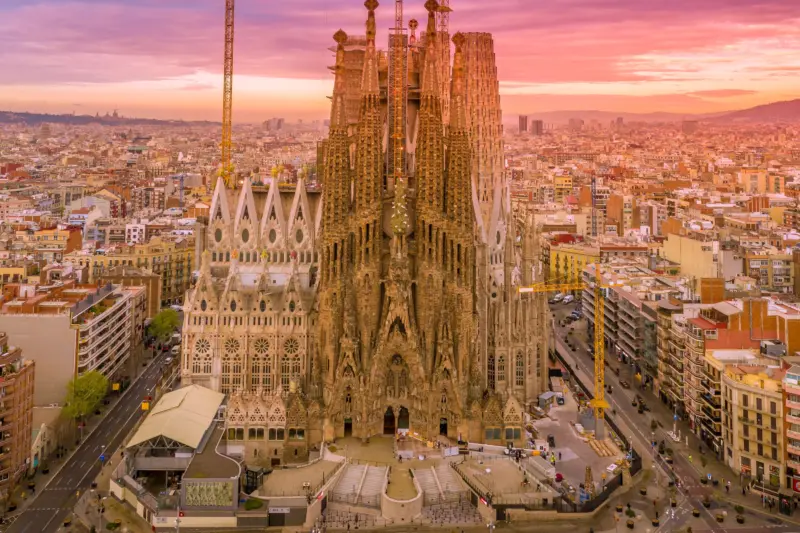
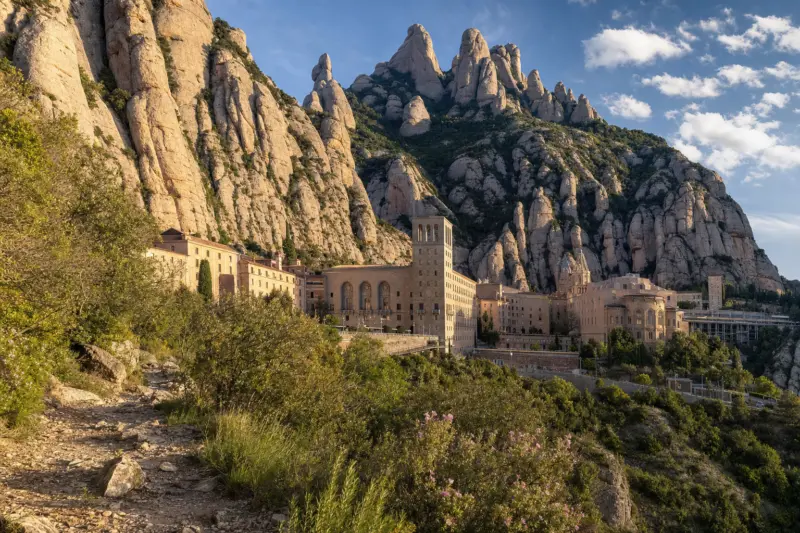
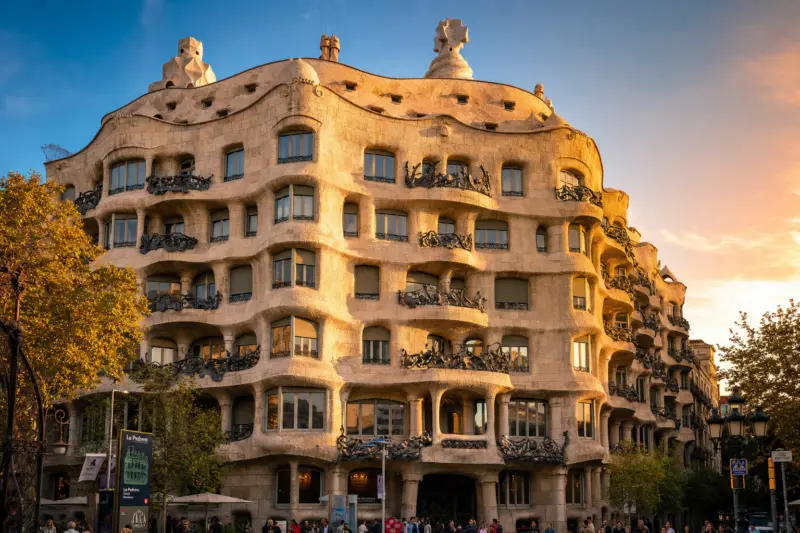
Barcelona & Montserrat Day Trip with Sagrada Familia Guided Tour
✓ Free cancellation Kids friendly
4.5(17 reviews)
From €134/ person
Book Now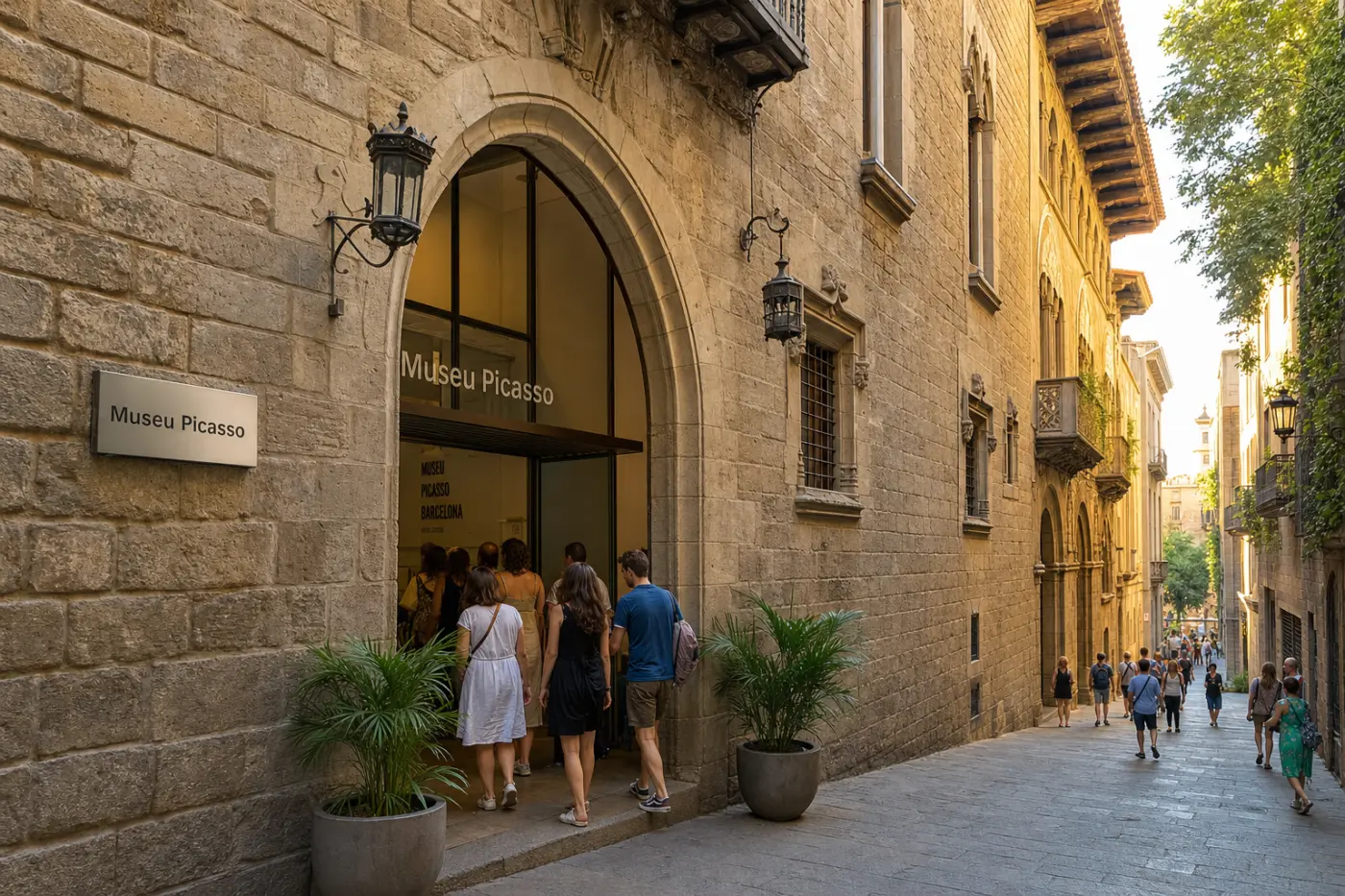
Tourist attraction
The Museu Picasso occupies five adjoining Gothic palaces on Carrer de Montcada in Barcelona's El Born neighbourhood — Palau Aguilar, Palau del Baró de Castellet, Palau Meca, Casa Mauri, and Palau Finestres — all built between the 13th and 15th centuries. The museum opened on 9 March 1963, making it one of the first museums dedicated to Picasso's work during the artist's own lifetime. Its founding was driven by Jaume Sabartés, Picasso's lifelong friend and personal secretary, who donated his personal collection to the city of Barcelona. Picasso himself later donated 41 paintings from his celebrated series Las Meninas (1957) — 58 reinterpretations of Velázquez's 1656 masterpiece — cementing the collection's international importance.
The collection of over 4,200 works is especially prized for its depth in Picasso's formative years. Barcelona was the city where the Málaga-born artist arrived at age 13 in 1895, trained at the Llotja School of Fine Arts, and frequented the bohemian café Els Quatre Gats. Works from his Blue Period (1901–1904), early academic paintings like Science and Charity (1897) — which won an honorary mention at Madrid's National Fine Arts Exhibition — and hundreds of drawings and prints chart his evolution with an intimacy unavailable anywhere else in the world. The medieval courtyards and stone staircases of the palace complex provide a striking architectural counterpoint to the avant-garde work displayed within.
Visitors move through chronologically arranged galleries that reveal how rigorously Picasso trained before dismantling convention. The Las Meninas room is a highlight: the 58 canvases, displayed together, show Picasso systematically deconstructing Velázquez's composition across weeks of work in his Cannes studio in the autumn of 1957. Beyond the permanent collection, the museum mounts rotating temporary exhibitions and maintains a specialist library and archive that draw researchers from across the world. The museum attracts over one million visitors annually, ranking it among Spain's most visited cultural institutions.
Carrer de Montcada itself warrants time before or after your visit — the narrow medieval street is lined with 15th-century merchant mansions, several of which house galleries and the Basílica de Santa Maria del Mar is a five-minute walk away. Book tickets online in advance, as queues at the door are long year-round. Thursday evenings offer free admission from 5 pm and tend to be quieter than weekend mornings. The museum is closed on Mondays.
Private tours with a local guide, at your own pace.
Barcelona
Barcelona
Barcelona
Barcelona
Barcelona
Barcelona

Barcelona
Barcelona
Barcelona
Barcelona
Barcelona
Barcelona
Barcelona
Barcelona
We use a single cookie, to remember this choice. We do not use analytics or advertising cookies. Read our cookie policy.