10,5 hrs
Barcelona
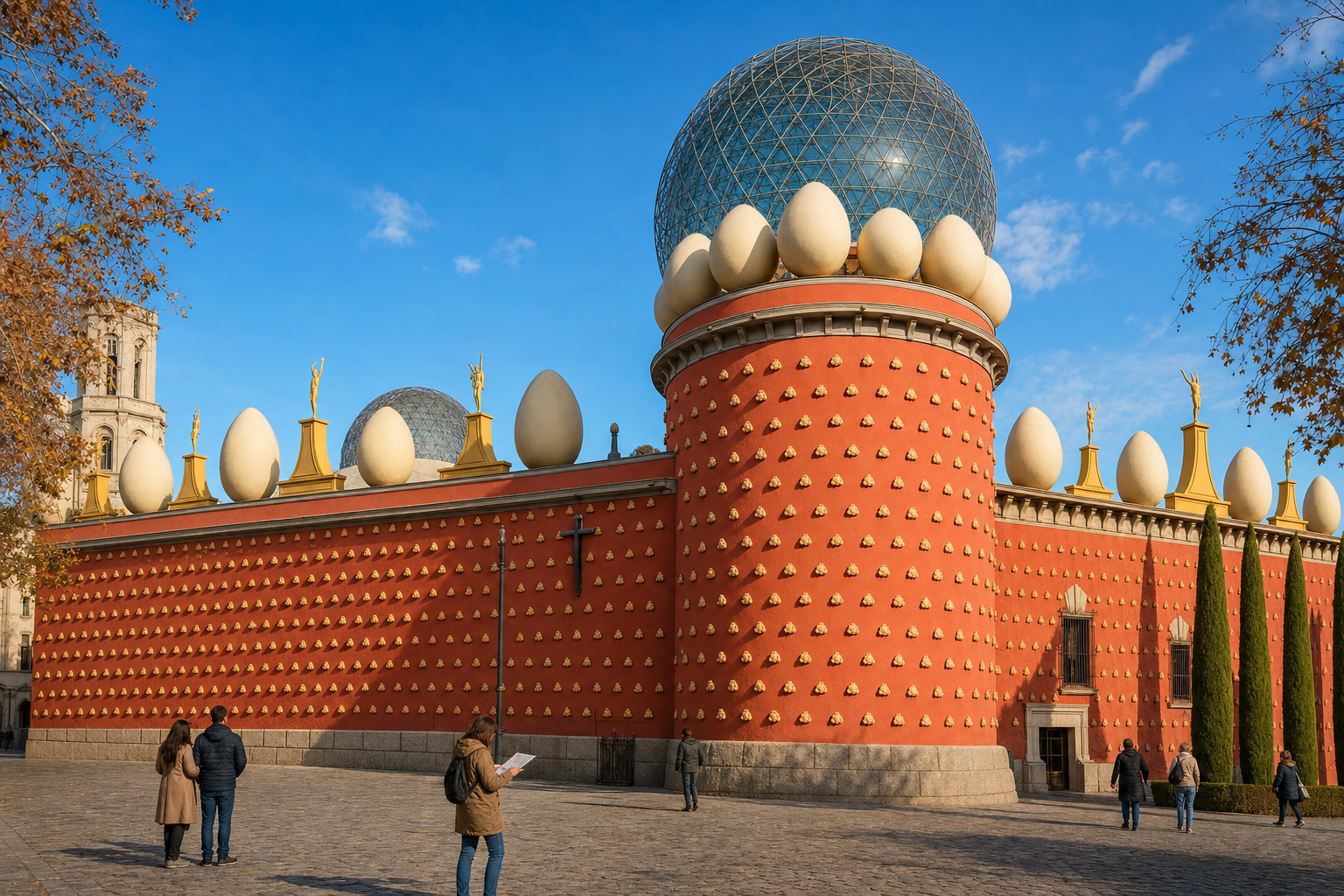
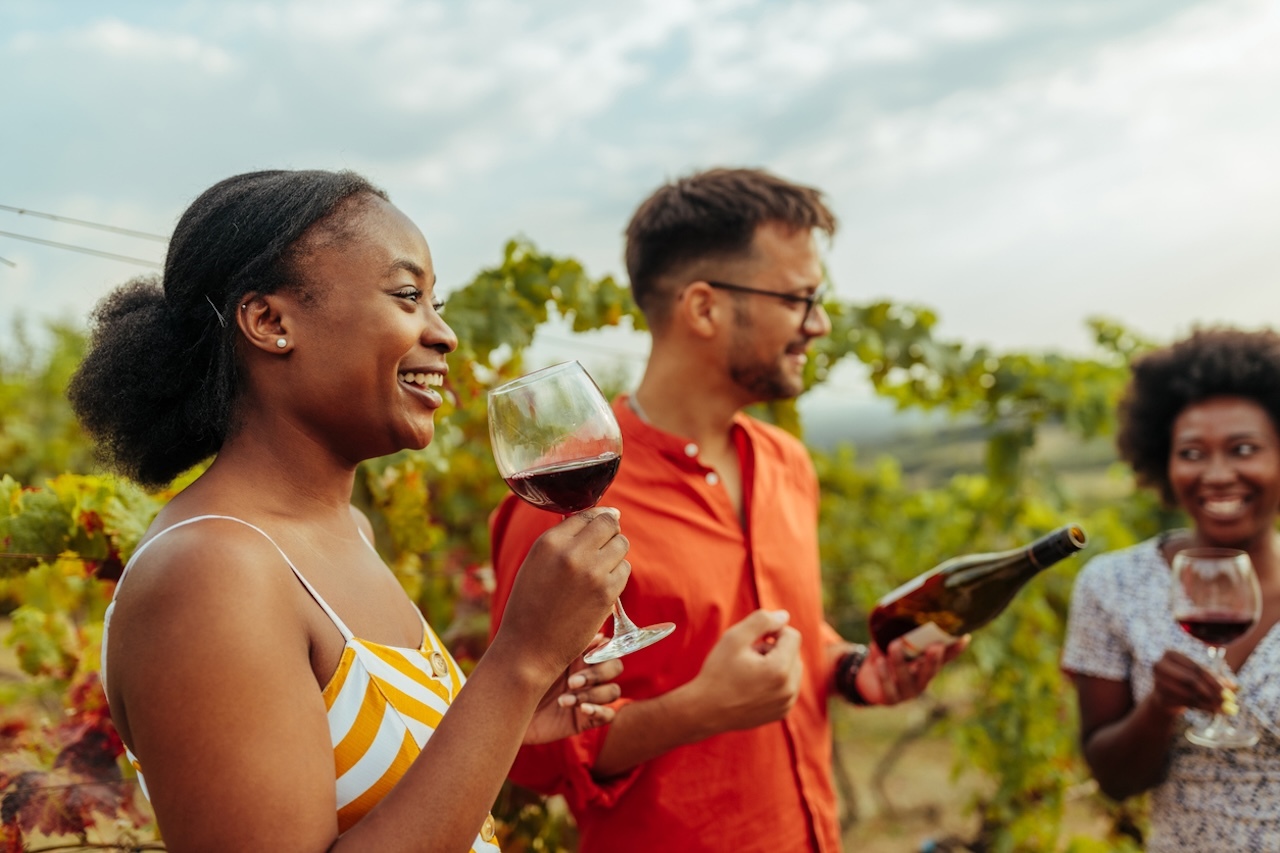
Private Cadaqués and Dalí Museum Tour with Celler & Lunch Option
✓ Free cancellation Kids friendly
From €517/ person
Book Now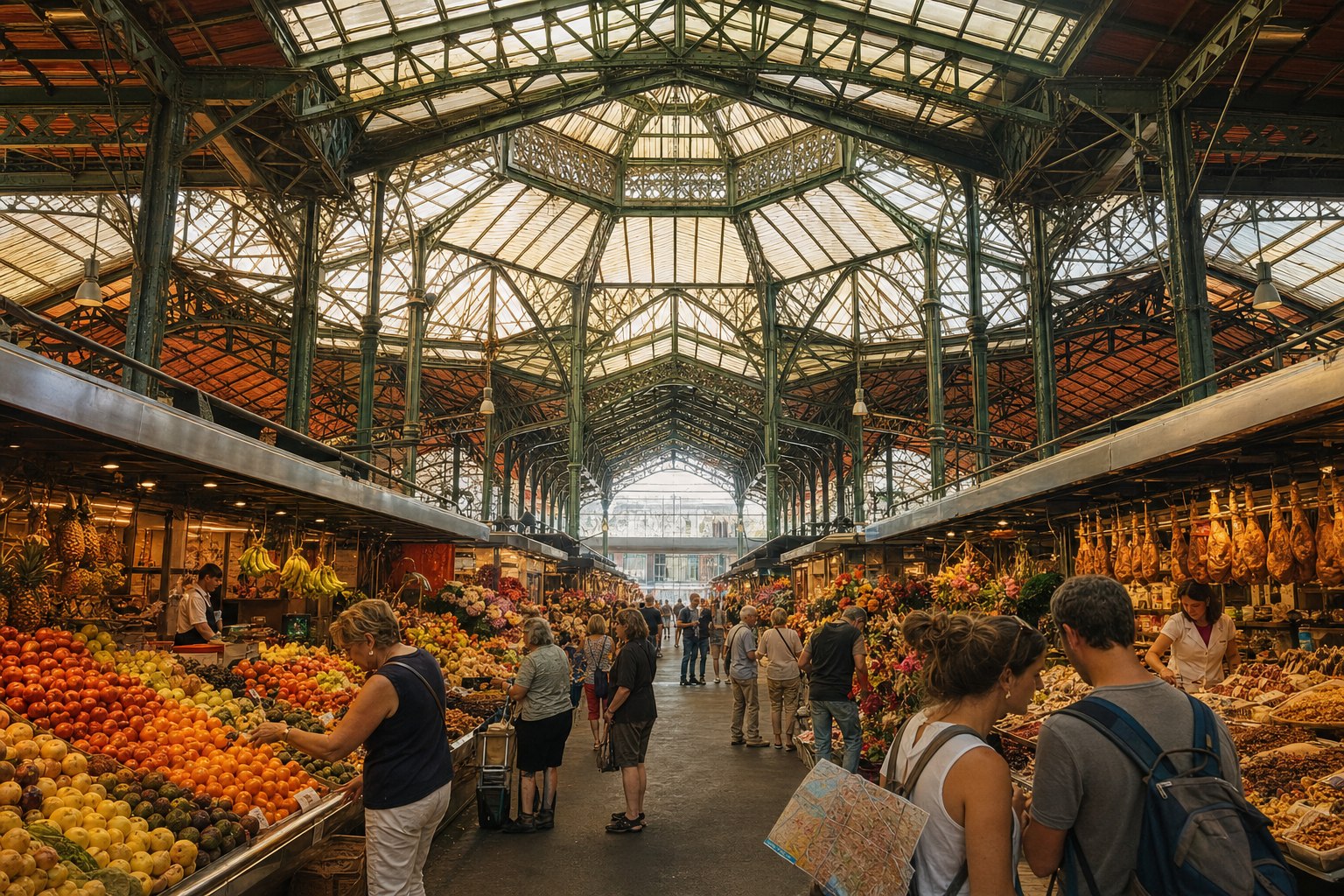
Check out other tourist attractions in the same city
Barcelona
Barcelona
Barcelona
Barcelona
Barcelona
Barcelona
Barcelona
Barcelona
Barcelona sits in a semi-arid Mediterranean climate zone. Official meteorological records show the city receives rain on roughly 55 days per year — fewer than London (109), Amsterdam (130), or even Rome (79). The bulk of those days cluster between October and January, which means that if you are travelling in autumn or early winter, a wet afternoon is essentially guaranteed at some point. The question is what you do with it.
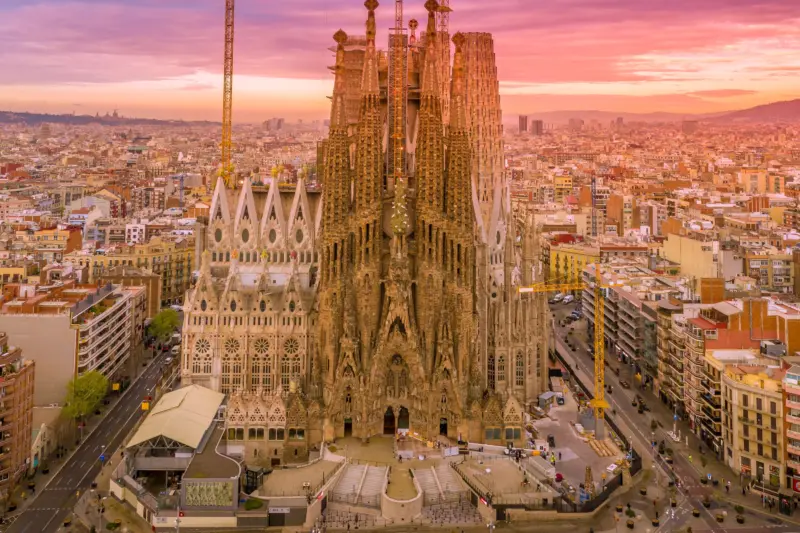
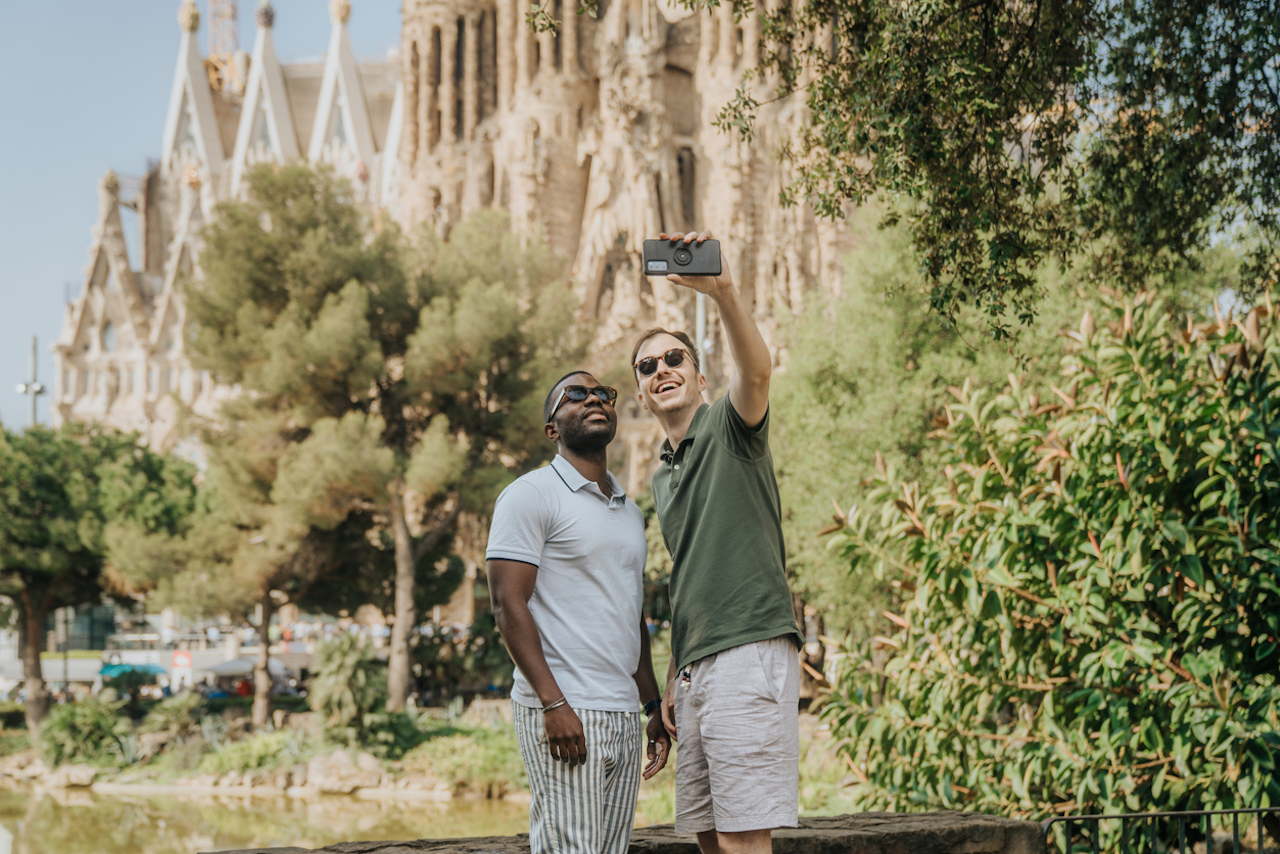
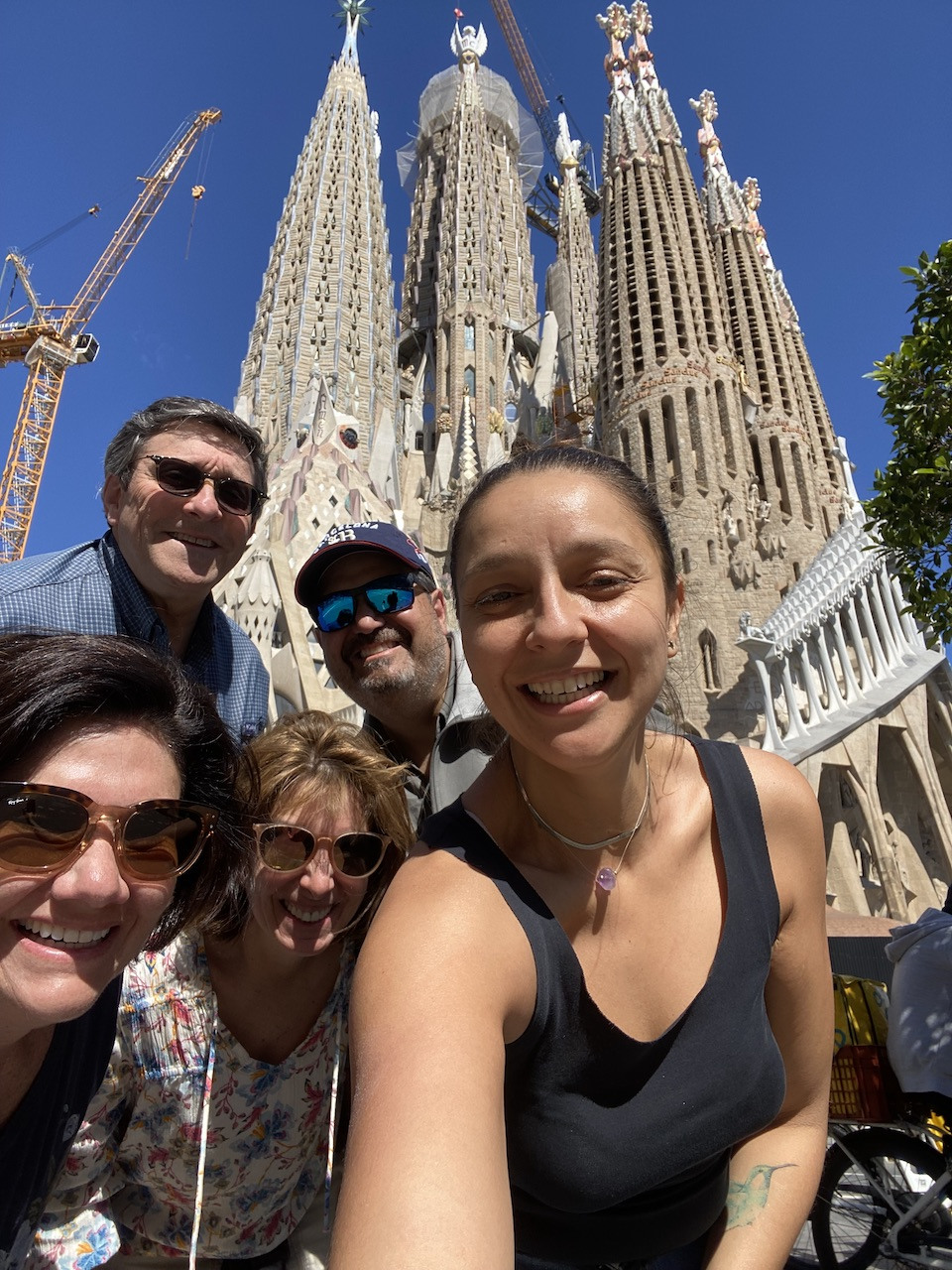
The crowd math alone makes rain worth embracing. The Sagrada Família receives close to 4.5 million visitors annually — roughly 12,300 per day in peak months. On overcast weekday mornings, that number drops by an estimated 30–40%, and the difference inside the nave is palpable: you can hear the acoustics, follow a guide's whisper, and actually look upward without someone's selfie stick crossing your sightline. The same logic applies to the Picasso Museum, Casa Batlló, and the Palau de la Música Catalana.
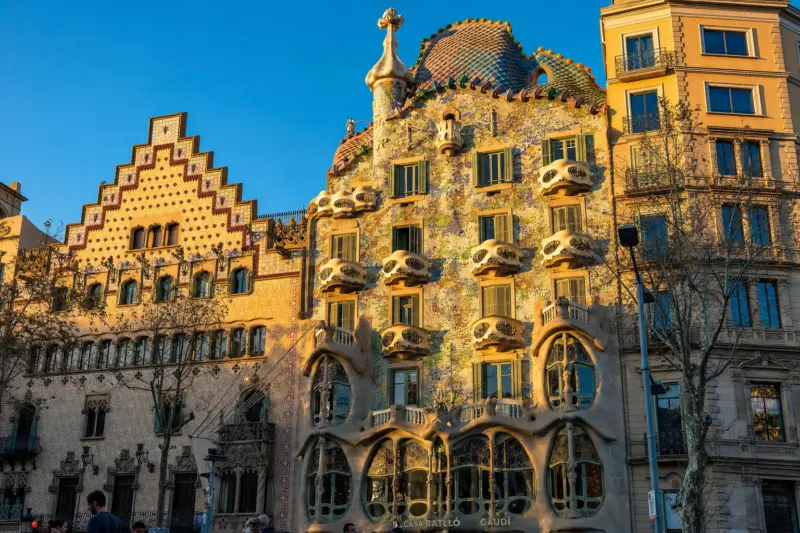
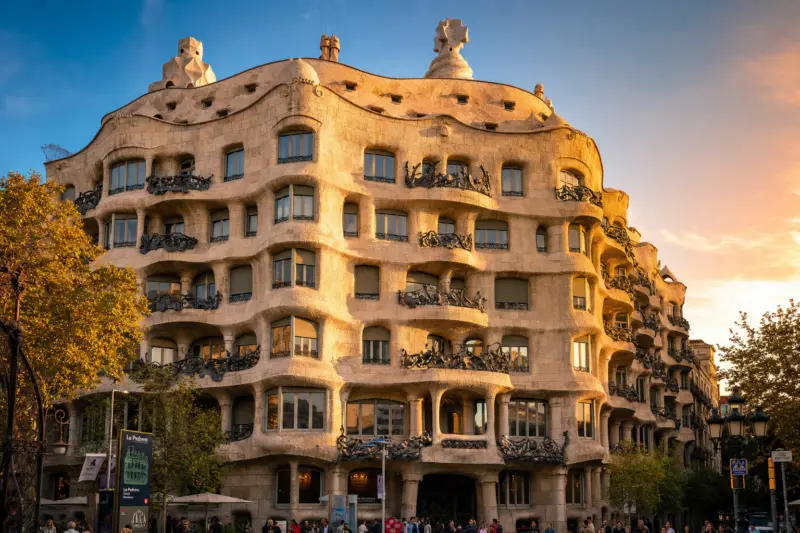
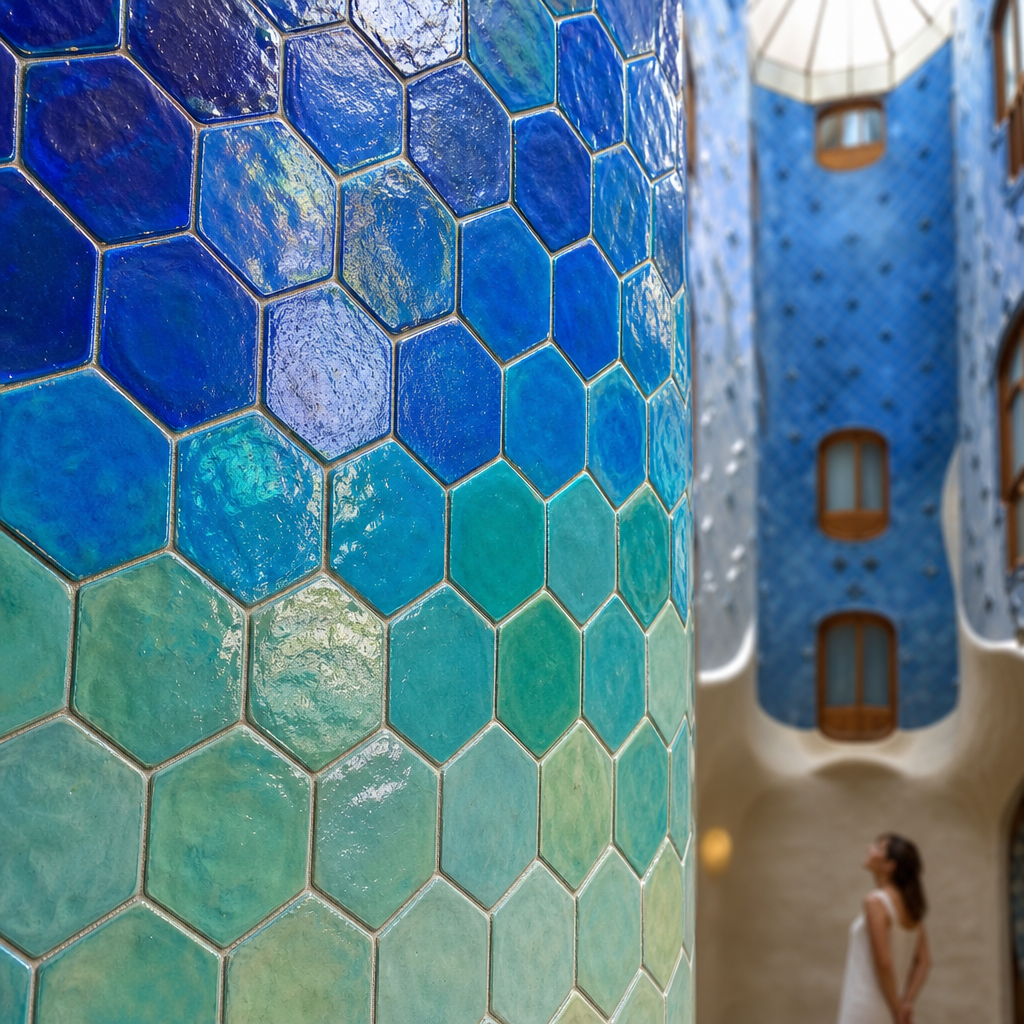
But the deeper argument is architectural. Barcelona's Modernista masters were not designing for postcards. They were solving a specific problem: how to bring Mediterranean light — variable, shifting, sometimes grey — into dense urban buildings. Gaudí's answer at Casa Batlló and La Pedrera was the light well, an interior shaft tiled to amplify and distribute diffused natural light. These spaces are more legible, not less, on an overcast day. The colours read clearly without the blown-out contrast of direct sun.
Then there is the Catalan rhythm of a rainy afternoon: a long menú del día that stretches past three o'clock, a hot chocolate at a historic granja, an audio guide at a museum with no queue. The Sagrada Família & Gaudí private tour turns a morning that might have felt wasted into one of the most concentrated cultural experiences Barcelona offers. Rain is not a problem to solve. It is a premise to build on.
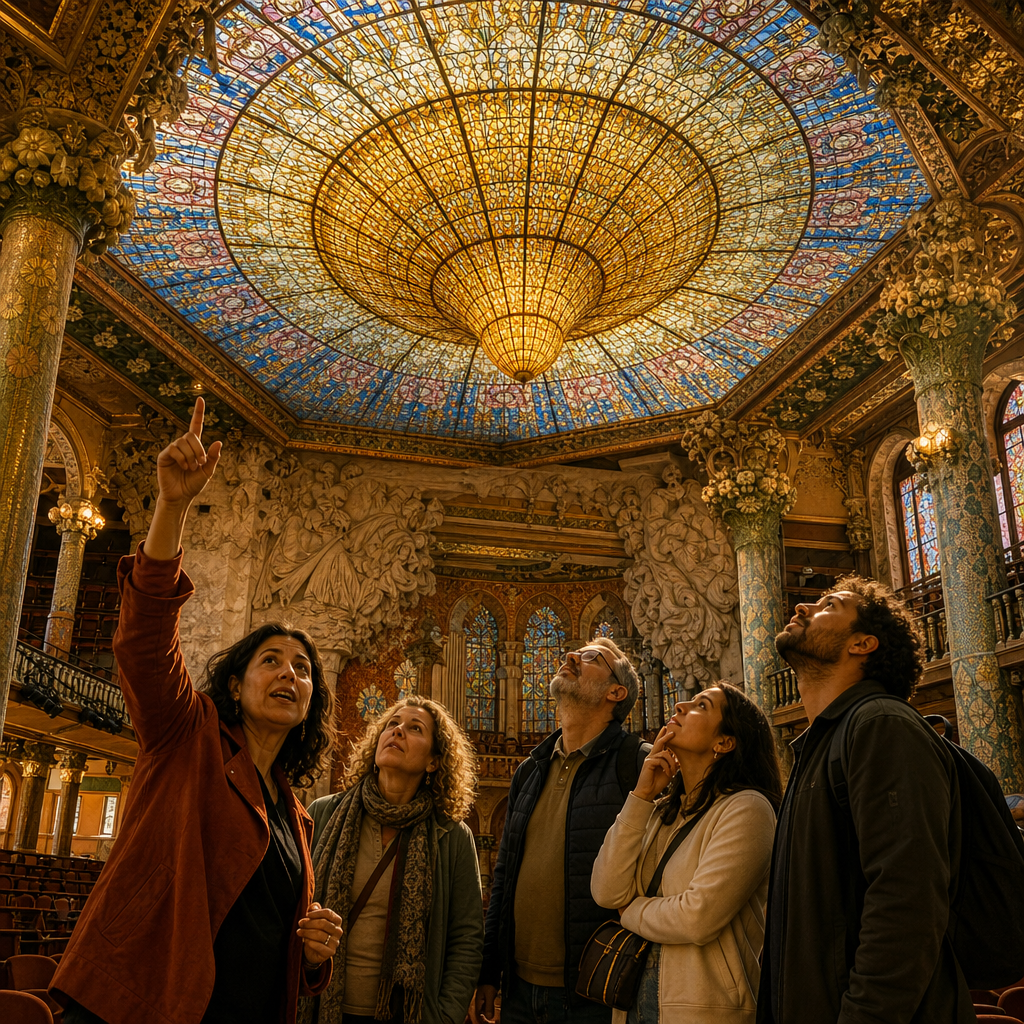
The three Modernista interiors that repay the most attention on a rainy day were each, in a precise engineering sense, designed for diffused light — and all three are misread by visitors who only glance at the façade and move on.
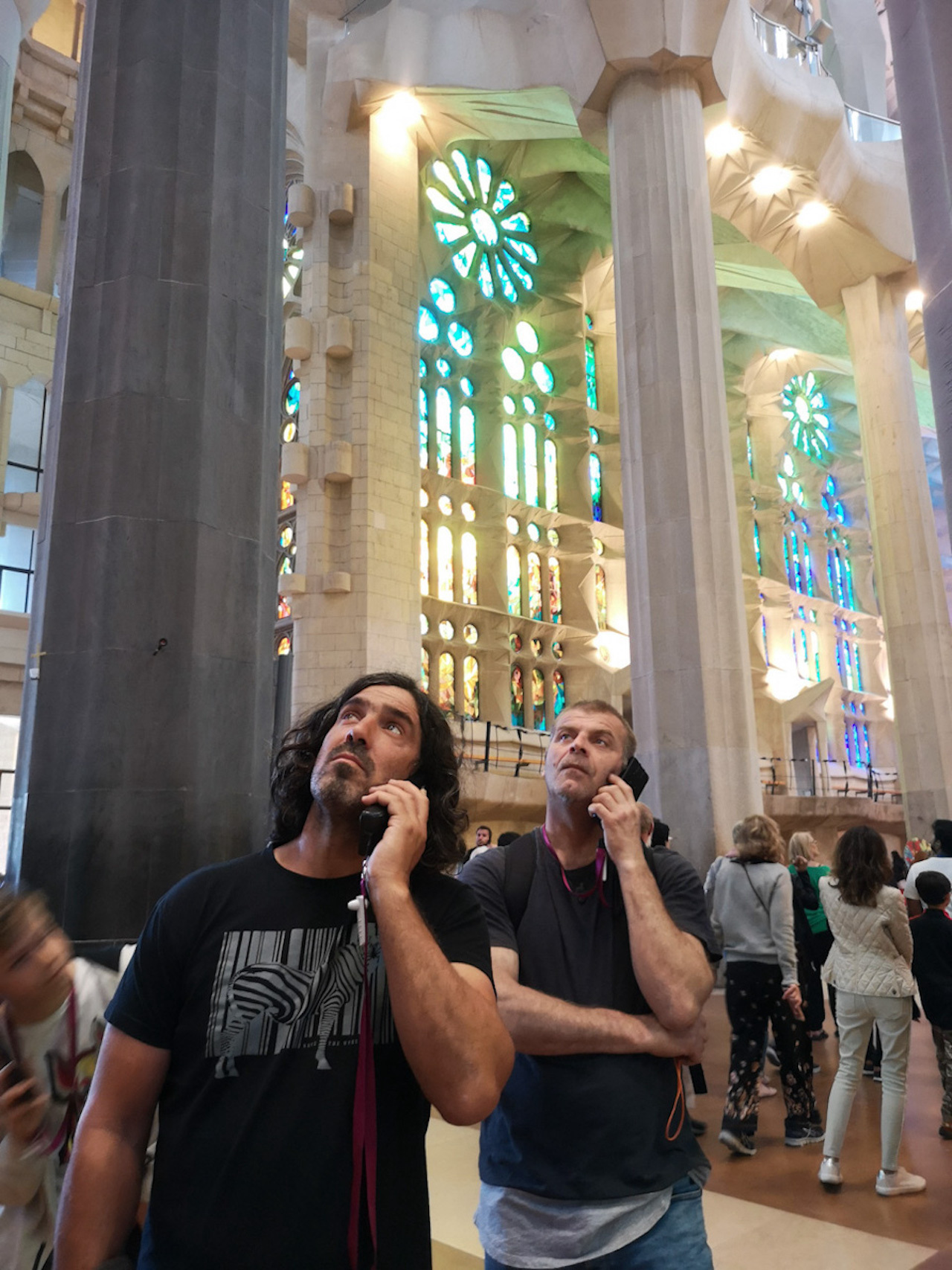
Sagrada Família. Construction began in March 1882 under architect Francisco de Paula del Villar. Antoni Gaudí took over the project in November 1883 and spent the remaining 43 years of his life on it. The nave's branching stone columns are modelled on a hyperboloid tree structure — Gaudí studied the load-bearing geometry of real forests — and they support a canopy of star-burst vaults at 45 metres. The stained-glass windows on the Nativity façade face east, designed for morning light; the Passion façade faces west. An overcast afternoon is therefore the ideal moment to read the nave's full colour spectrum, from the warm ambers of the Nativity side to the cool blues and greens of the Passion side, without harsh shadows cutting across either. Book the Sagrada Família & Gaudí private tour and a guide will position you at the precise spot in the crossing where both colour fields are simultaneously visible.
Casa Batlló. Textile baron Josep Batlló i Casanovas commissioned Gaudí in 1904 to remodel an existing building on the Passeig de Gràcia. The interior light well is tiled in 33 distinct shades of blue ceramic — the tiles are lighter at the base and deepen toward the top, compensating mathematically for the diminishing natural light that reaches lower floors. This is pre-electric environmental engineering of the highest order. The building's roof silhouette, with its ceramic-scaled arch, references the dragon slain by Sant Jordi (St George), Catalonia's patron saint — a legend embedded in the very spine of the building. The Gaudí Iconic Houses private tour takes you inside both Casa Batlló and La Pedrera with a guide who knows where to stand and what to look for.
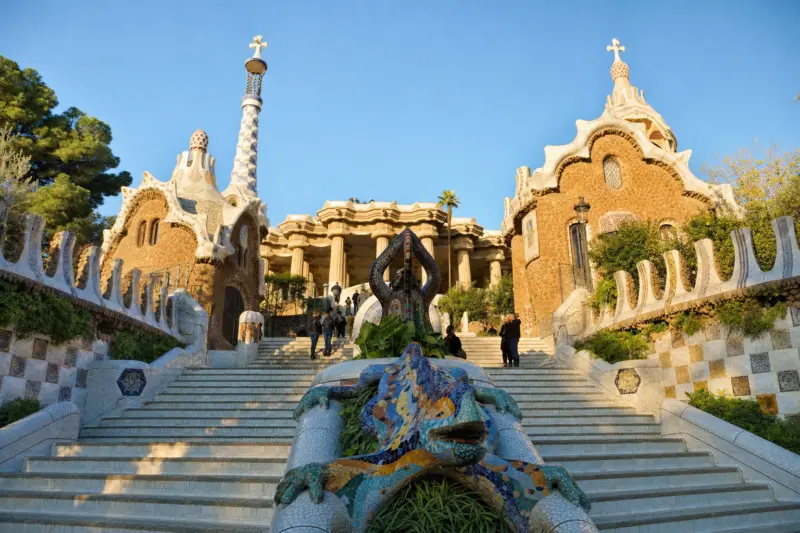
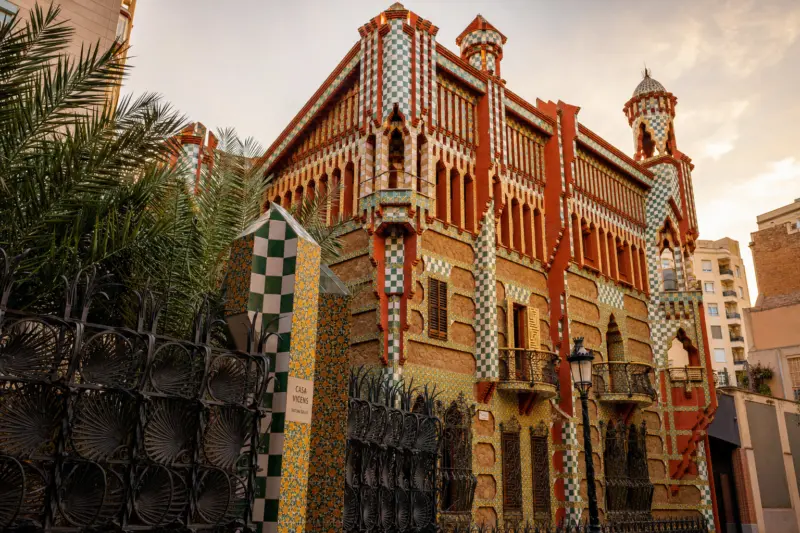
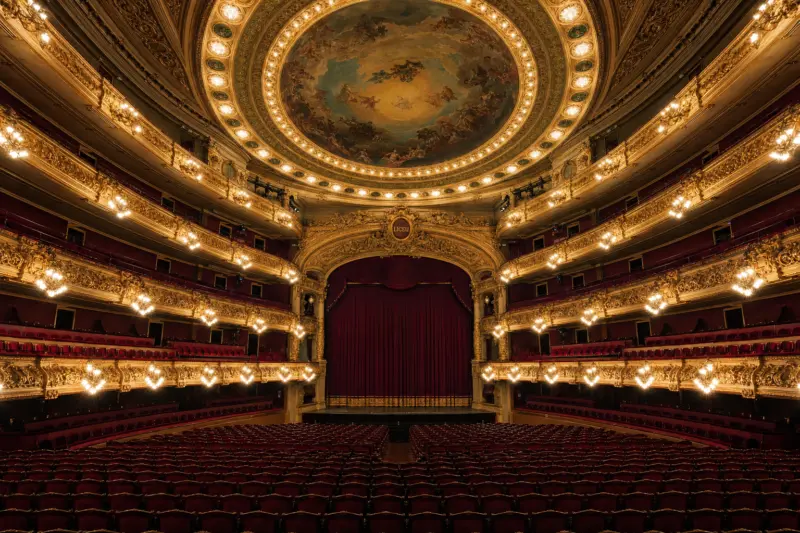
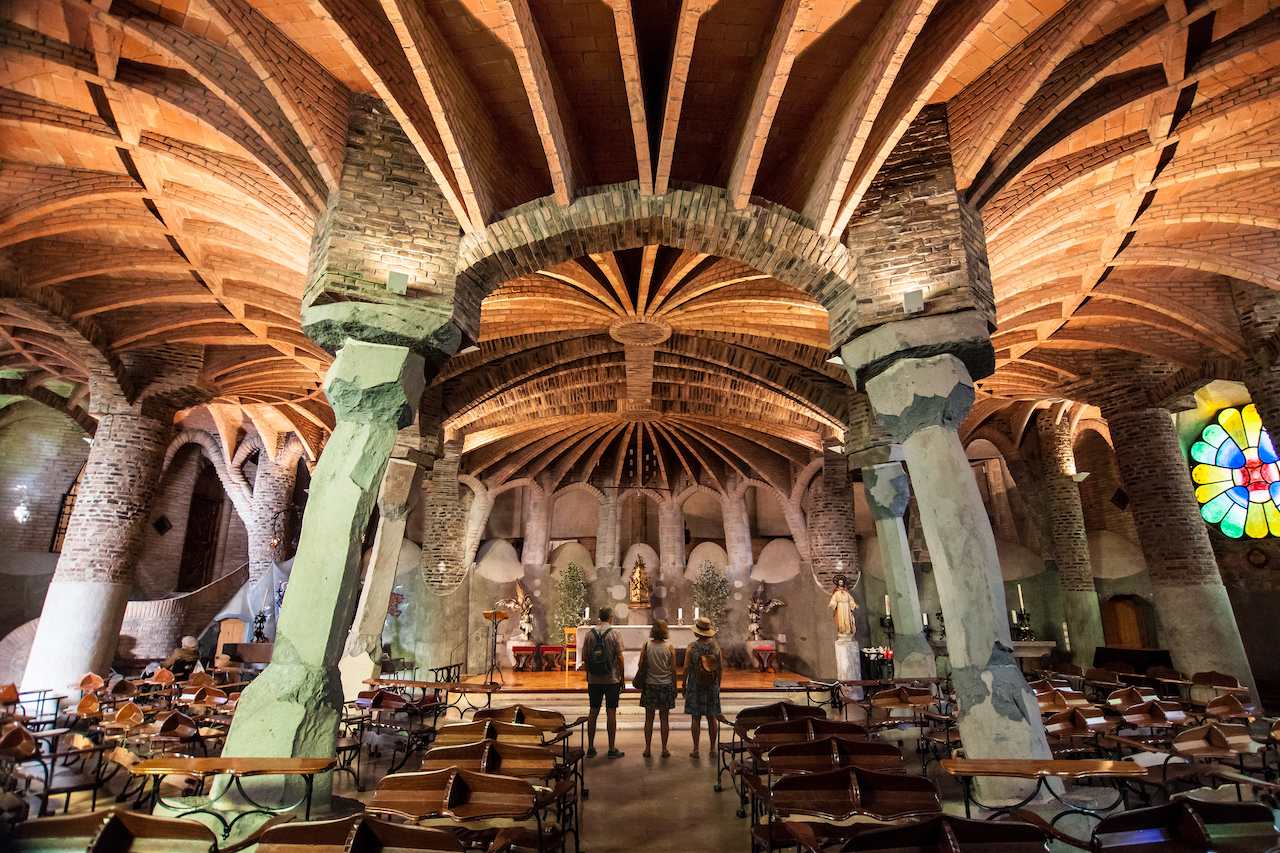
Palau de la Música Catalana. Gaudí's great rival, Lluís Domènech i Montaner, completed this concert hall in 1908. It was awarded UNESCO World Heritage status in 1997. The centrepiece is an inverted stained-glass dome above the auditorium, assembled from approximately 2,000 individual pieces of glass and designed to flood the hall with diffused northern light — Domènech called it 'a garden of light.' A concert here on a rainy evening is transformative in a way that a sunny afternoon simply is not: the grey sky outside becomes the dome's canvas. For the full Gaudí architectural deep-dive beyond the main sites, the Gaudí Unexpected Secrets private tour covers Casa Vicens and Colònia Güell — two buildings that most visitors never reach and which reveal an entirely different dimension of his work.
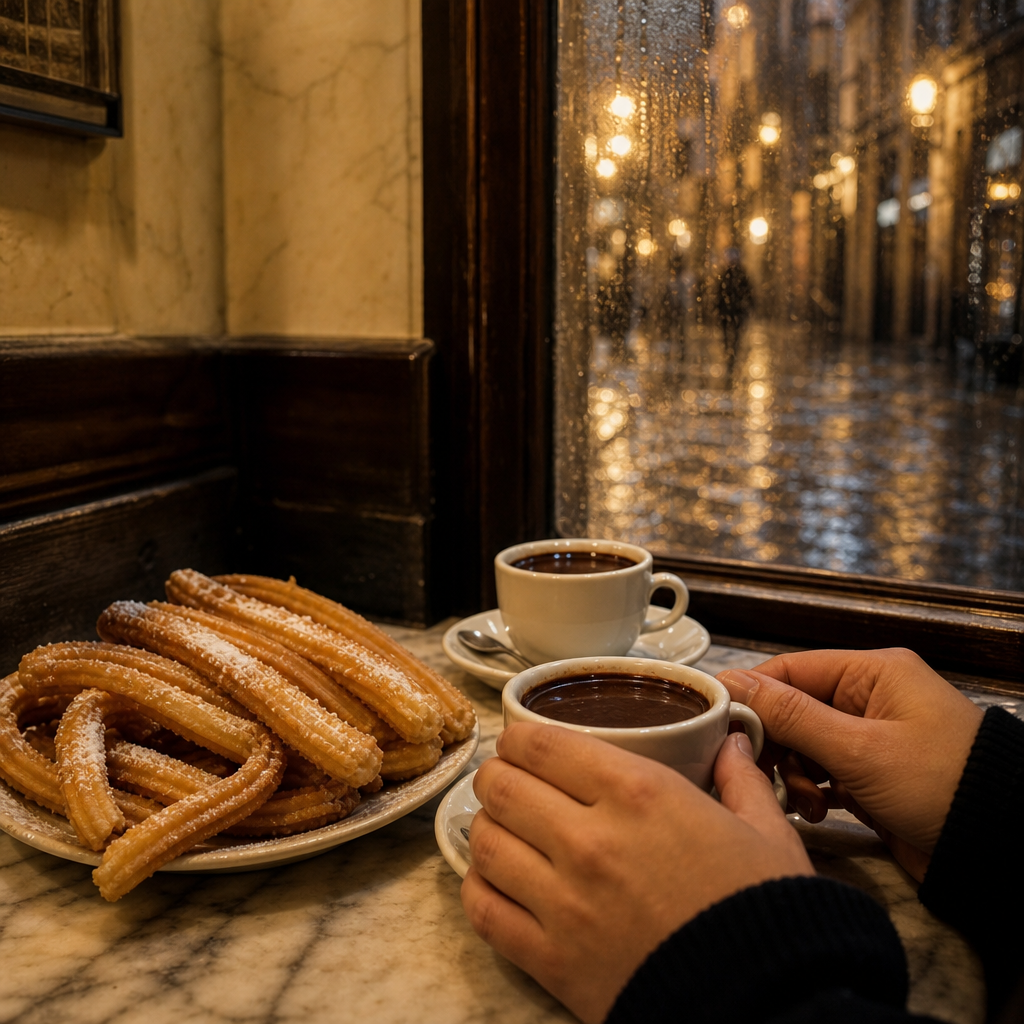
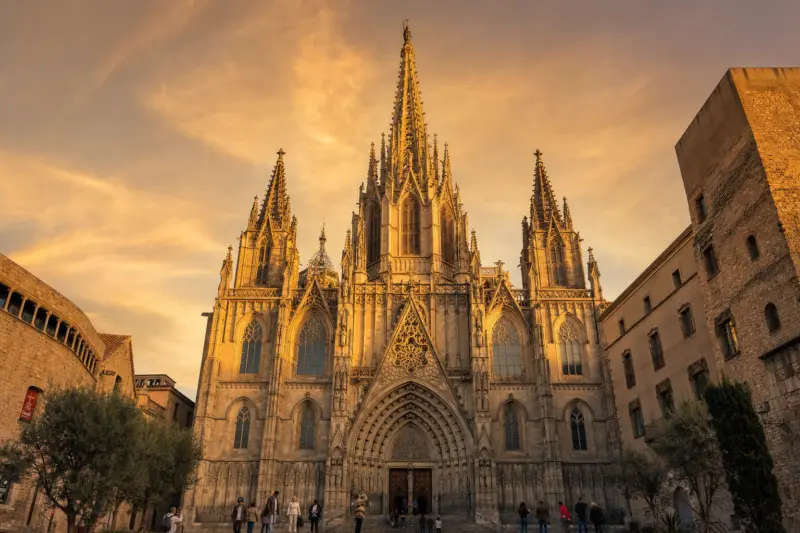
The Barri Gòtic contains a density of indoor experiences that most visitors — following the standard Ramblas-to-Boqueria circuit — never reach. A rainy day is the prompt to actually find them.
Picasso Museum. Housed in five connected 15th-century Gothic palaces on Carrer de Montcada, the Museu Picasso holds 4,251 works and is organised as a chronological study of Pablo Picasso's development — not a greatest-hits survey. Its anchor is the complete Las Meninas series: 58 canvases painted in 1957, all deconstructing the same Velázquez masterpiece. It is one of the most rigorous artistic obsessions on public display anywhere in Europe. Rain shortens the queue at the door and quietens the courtyard galleries.
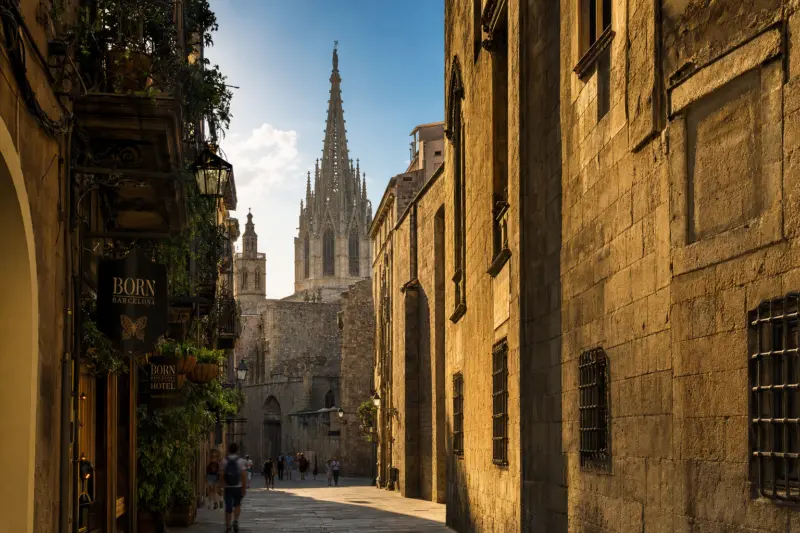
The Gothic Quarter's hidden interiors. The Roman Temple of Augustus (1st century BC) survives inside a medieval courtyard at Carrer del Paradís 10 — four intact Corinthian columns, free to enter, almost always empty. Two minutes away, in El Call, Barcelona's old Jewish Quarter, the Ancient Synagogue of Barcelona dates to at least the 3rd century CE and is one of the oldest in Europe. The Old Jewish Quarter tour with Virtual Reality brings both the medieval and ancient layers of this neighbourhood to life in a way that solo wandering cannot.
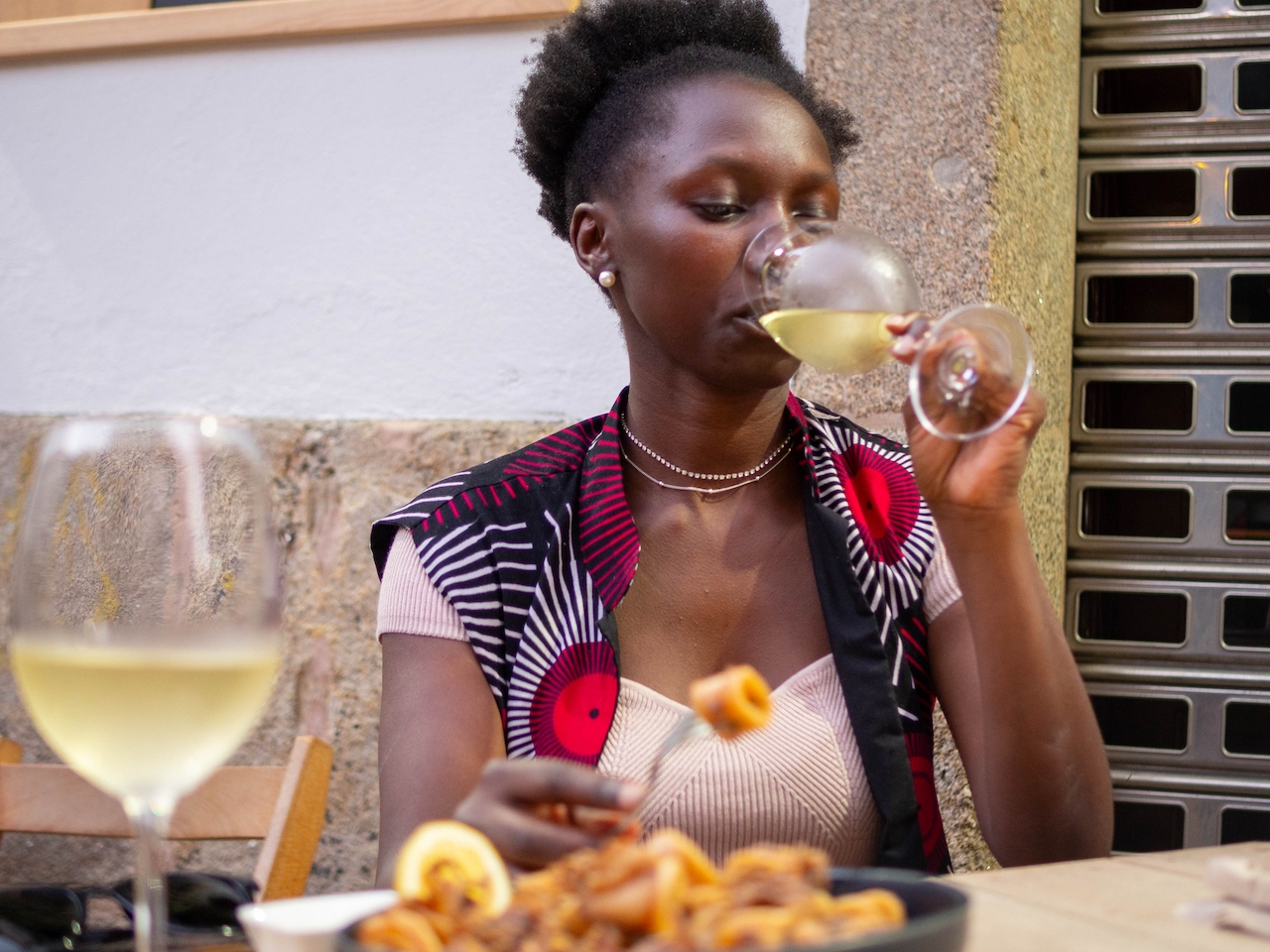
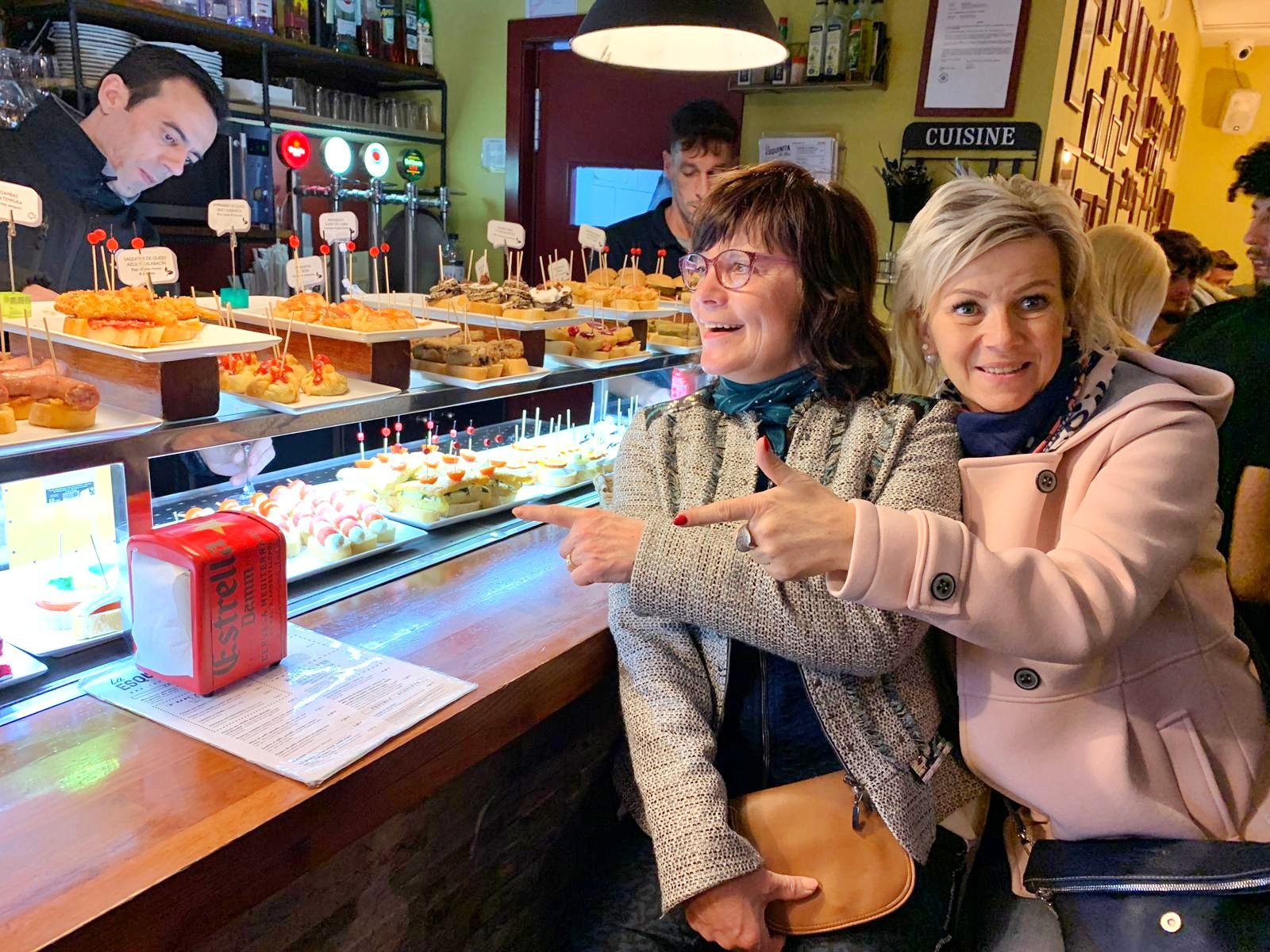
Food as the best possible reason to stay indoors. La Boqueria is worth visiting before 11am — after that, the tourist-to-local ratio tips sharply. The Catalan menú del día tradition — three courses with wine for €12–16 — was invented precisely for the long, slow midday that a grey afternoon demands. The Gourmet Food & Drinks Gothic Quarter tour threads the best of El Born's market culture and tapas bars into a single guided afternoon. For the evening, flamenco: brought to Barcelona by Andalusian migrants in the mid-20th century, a tablao show on a rainy night — with the Tapas & Flamenco tour — is one of the most atmospherically perfect experiences the city offers. Finish with a glass of cava and no regrets about the weather. The Food, Drink & Tapas Wine tour is equally strong for a more relaxed evening without the show.
A private guide changes the arithmetic of a rainy day completely. No standing in the wrong queue, no missing the detail that makes the whole building click into place, no retracing your steps. LocalCoolTour's Barcelona tours are 100% private — your group only, flexible pace, with a guide who adapts the itinerary in real time around weather and crowd patterns. Here are three tours built for exactly this kind of day:
For the ultimate indoor architectural deep-dive: the Sagrada Família & Gaudí private tour. For a slow, delicious rainy afternoon in El Born and the Gothic Quarter: the Gourmet Food & Drinks Gothic Quarter tour. For a rainy evening that ends on a high: the Tapas & Flamenco show.
Other tours worth exploring for a rainy visit: Gaudí Iconic Houses · Gaudí Unexpected Secrets · Old Jewish Quarter & Virtual Reality · Food, Drink & Tapas Wine · Barcelona Full Day Tour · Foodie Gothic Quarter & Sagrada Família · Sagrada Família Official Guide · Food, Drink & Sagrada Família · Highlights & Secrets of Barcelona · Kickstart Barcelona · Barcelona Like a Local · Barcelona Family Tour · 2-Day Private Tour Barcelona.
See the full collection on the Barcelona tours page. Rain in Barcelona is not a problem to solve — it's an excuse to go deeper.
Explore the city with a local guide
Barcelona
Barcelona
Barcelona
Barcelona
Barcelona
Barcelona
Barcelona
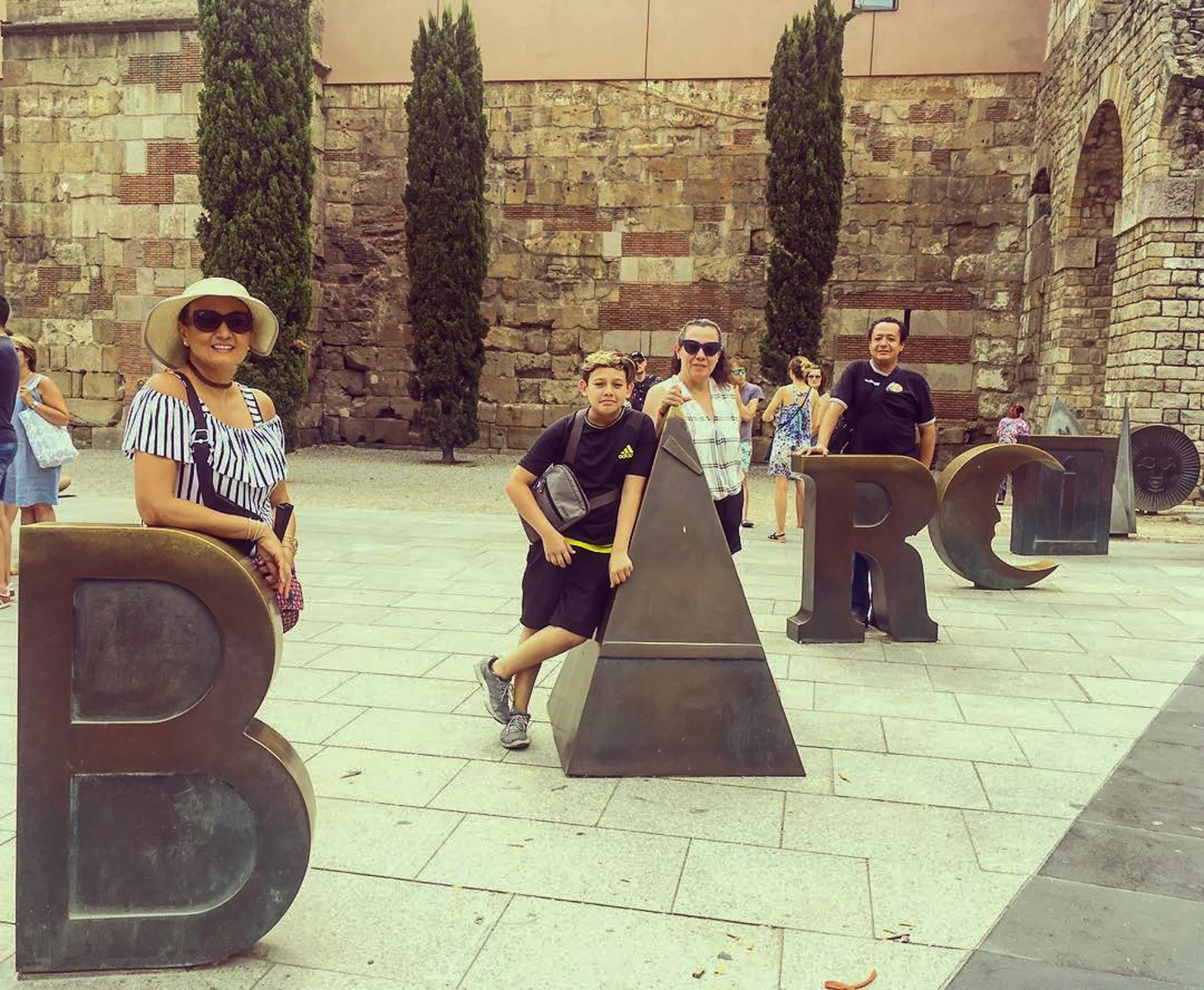
Barcelona
We use a single cookie, to remember this choice. We do not use analytics or advertising cookies. Read our cookie policy.