4 hrs
London
Highlights of London Private Tour - Downtown, Notting Hill & Portobello Market
✓ Free cancellation Kids friendly
4.7(27 reviews)
From €188/ person
Book Now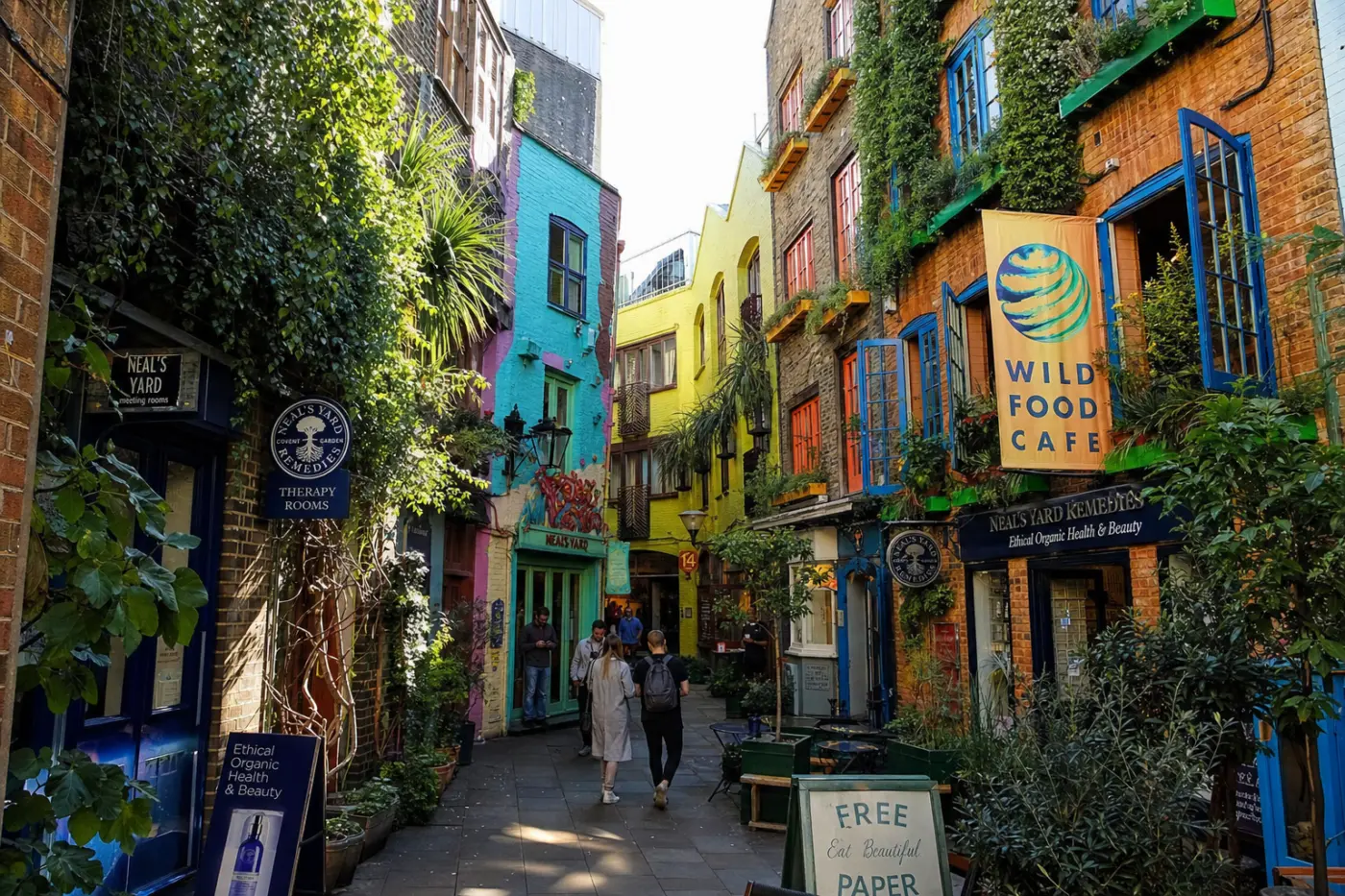
Tourist attraction
Neal's Yard is a small courtyard — roughly the size of a tennis court — tucked behind two easily missed alleys off Shorts Gardens and Monmouth Street in Covent Garden. Its buildings are painted in vivid cobalt blue, acid yellow, hot pink, and forest green, hung with window boxes and bicycles, and are collectively the most photographed 30 square metres in London's West End. What most photographs fail to convey is that this place was invented deliberately, by one man, in 1976 — and that the businesses it launched went on to shape how Britain thinks about food, coffee, and natural health.
The yard takes its name from Thomas Neale, who in 1690 received a parcel of land from King William III and developed the surrounding Seven Dials district. For nearly three centuries the yard remained a functional backwater, eventually becoming a rat-infested, derelict service yard supporting the Covent Garden wholesale fruit and vegetable market. It didn't even appear in the London A–Z until the mid-1970s. In 1976, entrepreneur and counterculture publisher Nicholas Saunders — who had spent time living in Christiania, the celebrated free-town community in Copenhagen — purchased 2 Neal's Yard for £7,000 and opened the Whole Food Warehouse, a deliberately no-nonsense, low-cost alternative to the inefficient hippie health shops of the era. Saunders rejected folksy open sacks and vague pricing; he wanted efficiency and accessibility. From that single act of stubborn idealism, the yard was transformed. Monmouth Coffee opened its original roastery and shop in the yard (it remains one of London's most respected independent roasters). Neal's Yard Dairy, now a cornerstone of Britain's artisan cheese revival, started here. So did Neal's Yard Remedies, the natural health brand. Even Michael Palin and Terry Gilliam of Monty Python kept offices in the buildings above.
Visiting today, you enter through a narrow alley and emerge into an enclosed square where the colourful facades, hand-lettered signs, and cascading plants create an atmosphere unlike anywhere else in central London. The courtyard has evolved significantly in recent years. In October 2025, the celebrated London restaurant St John moved its famous bakery operation — long known for custard doughnuts sold from a tiny hatch — into a full two-floor site at number 6, complete with a wine licence, so visitors can now sit at tables drinking St John rosé with oysters. The cereal grain café 26 Grains also operates from the yard and features on several best-breakfast lists in the city.
Neal's Yard is free to enter and open to wander at any hour, though the businesses keep daytime hours. It is busiest on weekend afternoons when photographers and tourists crowd in; a weekday morning visit allows you to appreciate the architecture and the working rhythm of the place more quietly. The yard is a short walk from Covent Garden Underground station (Piccadilly line) and sits at the heart of the Seven Dials conservation area, making it a natural starting point for exploring the independent shops of Monmouth Street and the surrounding lanes.
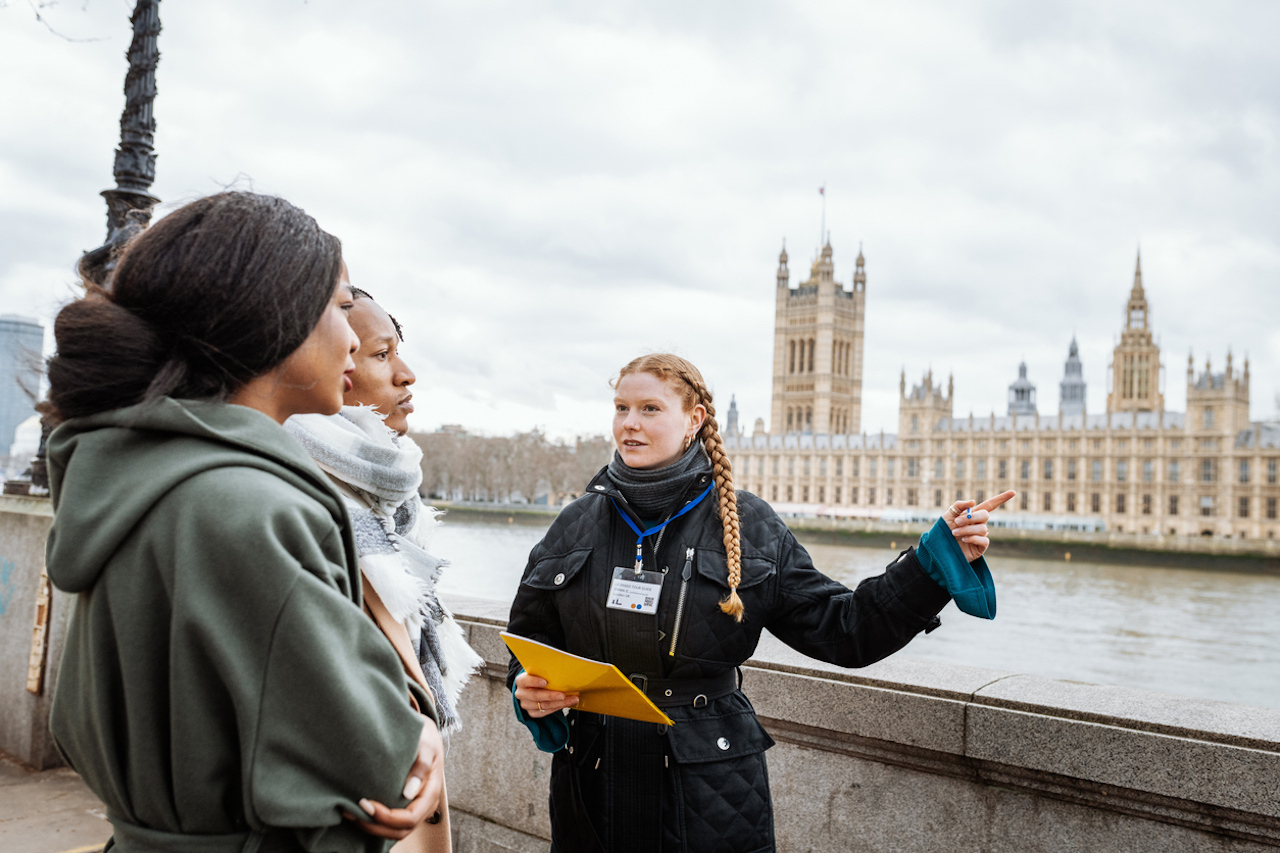
Private tours with a local guide, at your own pace.
London

London
London
London
London
London
London
London

London
We use a single cookie, to remember this choice. We do not use analytics or advertising cookies. Read our cookie policy.