3 hrs
Rome
Rome Private Family Walking Tour with Games for Kids
✓ Free cancellation Kids friendly
4.7(32 reviews)
From €177/ person
Book Now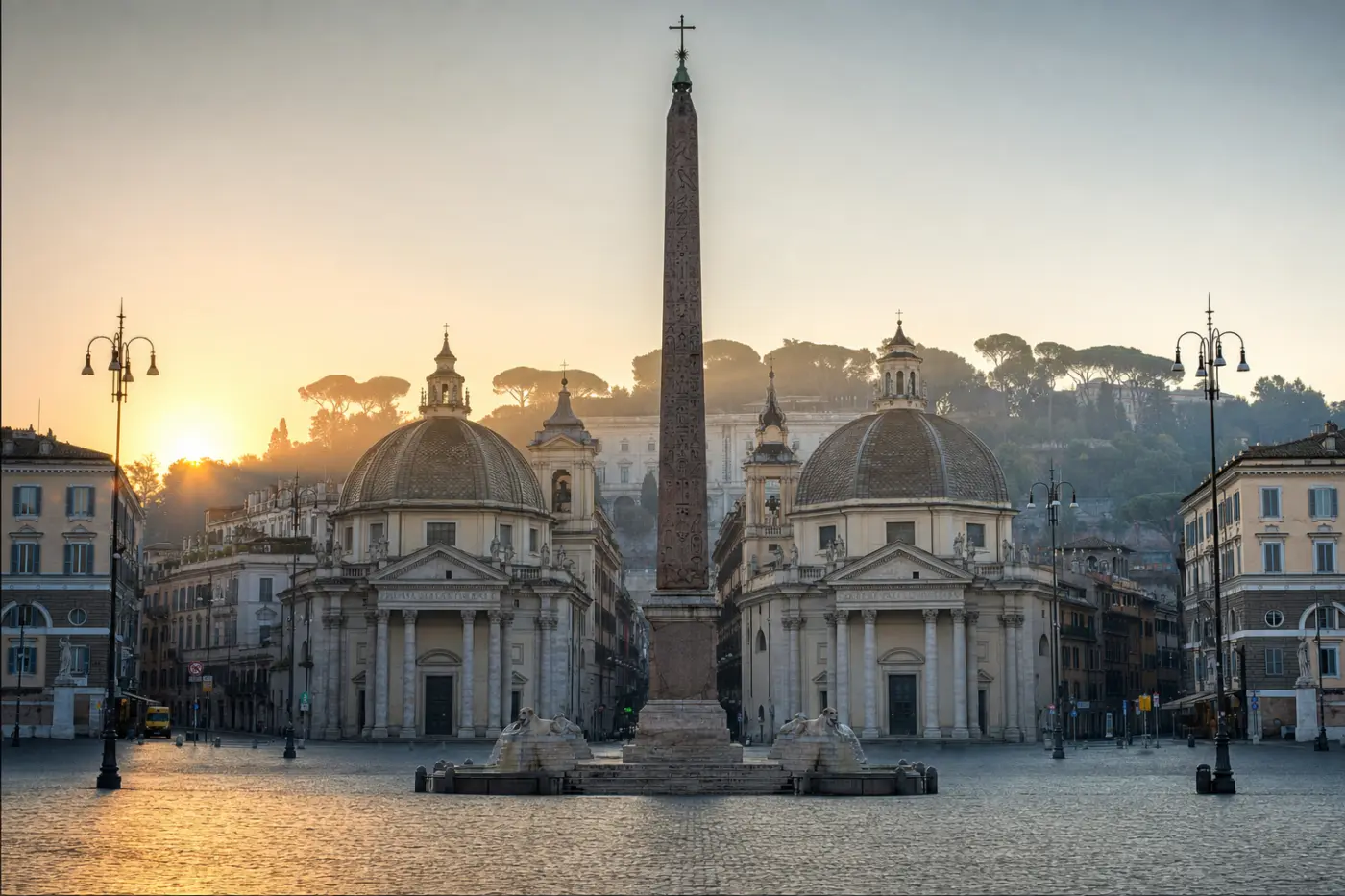
Tourist attraction
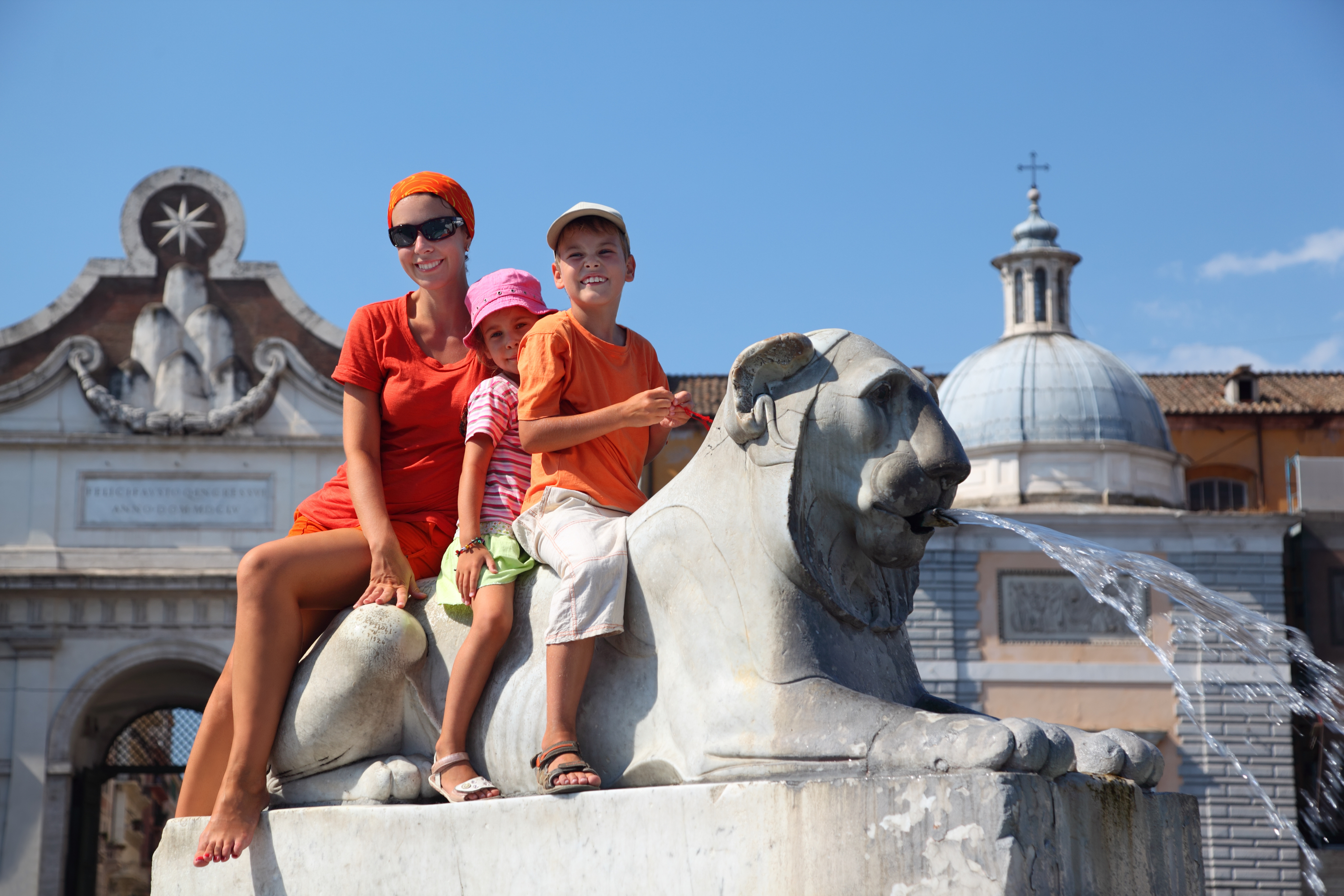
Piazza del Popolo occupies the northern edge of Rome's historic center, where the Via Flaminia — built in 220 BC to connect Rome with the Adriatic coast — once funneled every traveler, pilgrim, and invading army into the city. For more than a millennium, this square was the first sight of Rome: the moment of arrival that writers, merchants, and monarchs described with awe. Its current neoclassical form was designed by architect Giuseppe Valadier between 1811 and 1822, who transformed a medieval entry point into a grand elliptical piazza flanked by terraced gardens climbing the Pincian Hill — one of the most deliberate exercises in urban theater in Italian history.
At the geometric center of the square stands an Egyptian obelisk 23.2 meters (72 feet) tall, originally quarried and carved around 1300 BC for the Sun Temple at Heliopolis. Emperor Augustus brought it to Rome in 10 BC as a trophy of his conquest of Egypt, and it stood at the Circus Maximus for centuries before Pope Sixtus V and his architect Domenico Fontana re-erected it here in 1589. Flanking the southern end of the piazza are the twin Baroque churches of Santa Maria dei Miracoli (1681) and Santa Maria in Montesanto (1679), designed to appear perfectly symmetrical despite sitting on plots of different widths — an architectural illusion engineered by Carlo Rainaldi and refined by both Gian Lorenzo Bernini and Carlo Fontana. Anchoring the northern side is the Porta del Popolo, originally the ancient Porta Flaminia. Pope Pius IV had it rebuilt in 1562 by Nanni di Baccio Bigio to impress arriving pilgrims; in 1655, Bernini added a dedicatory inscription above its inner arch reading "For a Happy and Propitious Entrance" to mark the arrival of Queen Christina of Sweden, who had abdicated her throne, converted to Catholicism, and settled permanently in Rome — never leaving again.
The square's name traces to the church of Santa Maria del Popolo, tucked into the northwest corner beside the gate. Built in 1472 on the orders of Pope Sixtus IV, the church contains two Caravaggio paintings — the Conversion of Saint Paul and the Crucifixion of Saint Peter (both c. 1601) — in the Cerasi Chapel, as well as works by Pinturicchio, Raphael, and Bramante. The name "Popolo" itself derives not from the Italian word for "people" but from the Latin populus, referring to the poplar trees that once grew on the site.
Visitors today enter the square from the Flaminio metro stop directly beneath the piazza, emerging into the open space with the obelisk immediately overhead. The twin churches are free to enter. The terrace of the Pincian Hill, accessible via a ramp on the east side of the square, offers one of Rome's finest panoramic views over the piazza's full elliptical layout and the dome of St. Peter's beyond — best visited in the late afternoon when the western light catches the travertine facades. The square itself is pedestrianized and uncrowded in the early morning, making it ideal for unhurried exploration before the tour groups arrive.
Private tours with a local guide, at your own pace.
Rome
Rome
Rome

Rome
Rome
Rome
Rome
Rome
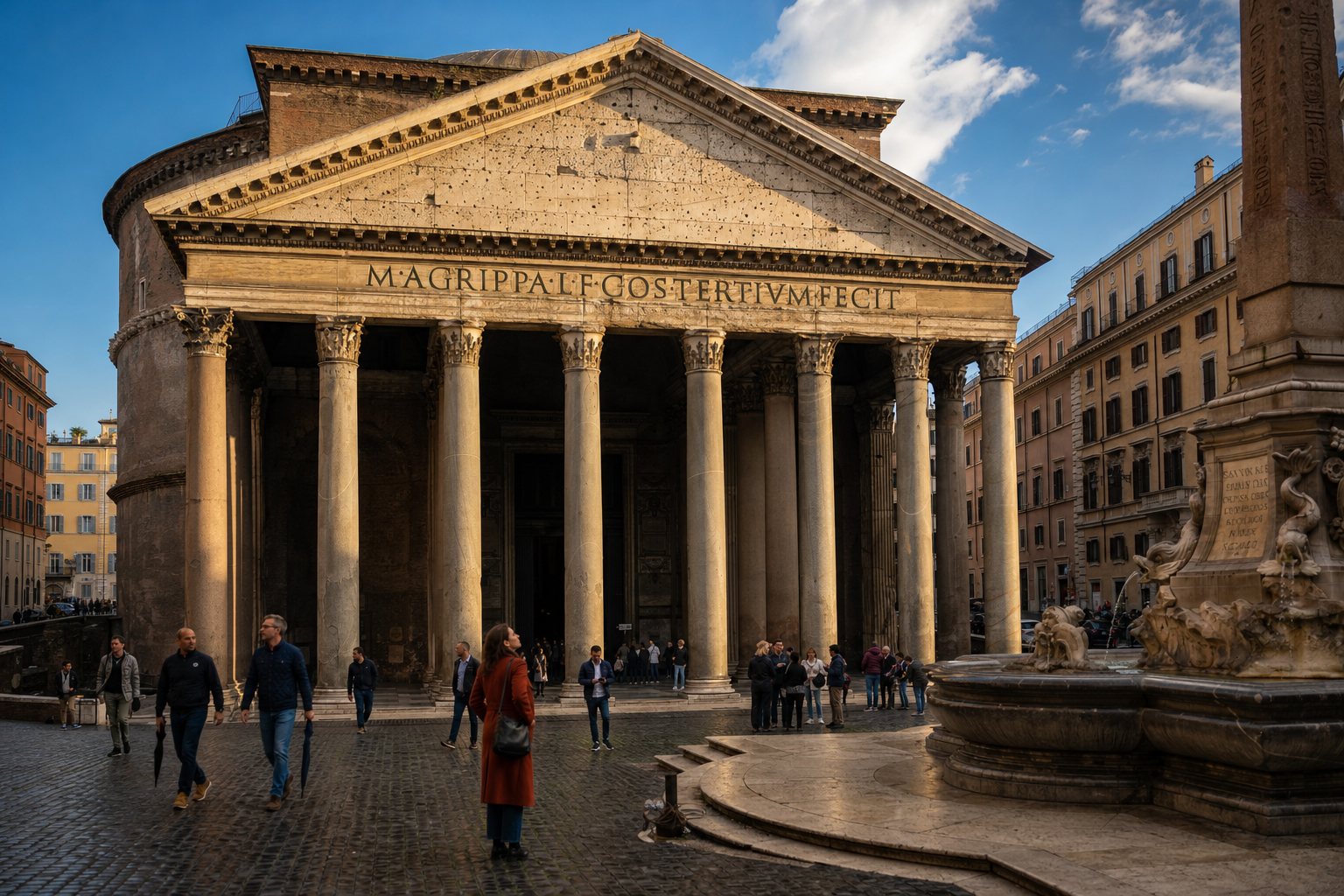
On the afternoon of 2 November 1950, Rome received 108mm of rain in a single day — one of the heaviest downpours in the city's recorded history. Locals ducked into trattorias, lingered over lunch, and emerged hours later to find the Sampietrini cobblestones of the historic center gleaming like polished obsidian. Here's the thing no travel guide tells you: rain doesn't ruin Rome. It transforms it. The same city that feels exhausting under July heat — queues snaking past the Trevi Fountain, tour groups stacked three-deep at the Pantheon — becomes something quieter, moodier, and far more liveable when clouds roll in off the Tyrrhenian Sea. Rome averages around 800mm of rainfall per year, with October, November, and February forming the wettest windows. That means millions of visitors each year encounter rain, yet most arrive with no plan beyond panic. This guide is that plan.
Read more →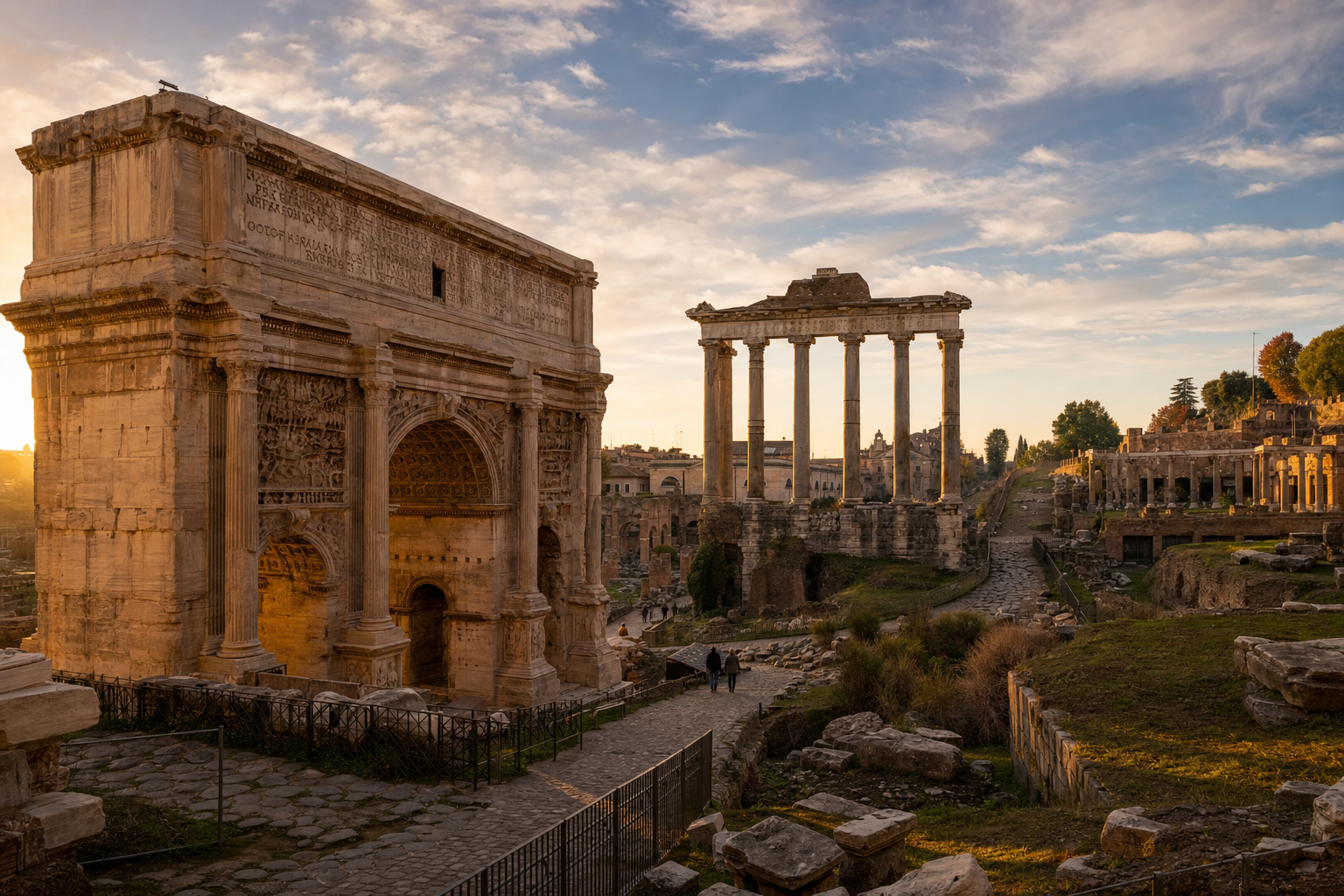
Rome was not built in a day — and it cannot be truly experienced in one either. Founded, according to tradition, on 21 April 753 BC, the city has been welcoming visitors for over two millennia, yet the question of when to go remains as contested as the Senate floor once was. Average annual tourist arrivals at the Colosseum alone exceed 7 million, meaning timing your visit is not a minor detail — it is everything. July temperatures regularly breach 35°C on the cobblestones of the Roman Forum, while a wet November morning at the Fontana di Trevi can feel like a private audience with Anita Ekberg's ghost. Each month carries its own character, crowd density, price point, and light quality. This guide cuts through the noise with specific facts, seasonal realities, and honest advice drawn from years of walking Rome's streets — so you arrive at exactly the right moment for the trip you actually want.
Read more →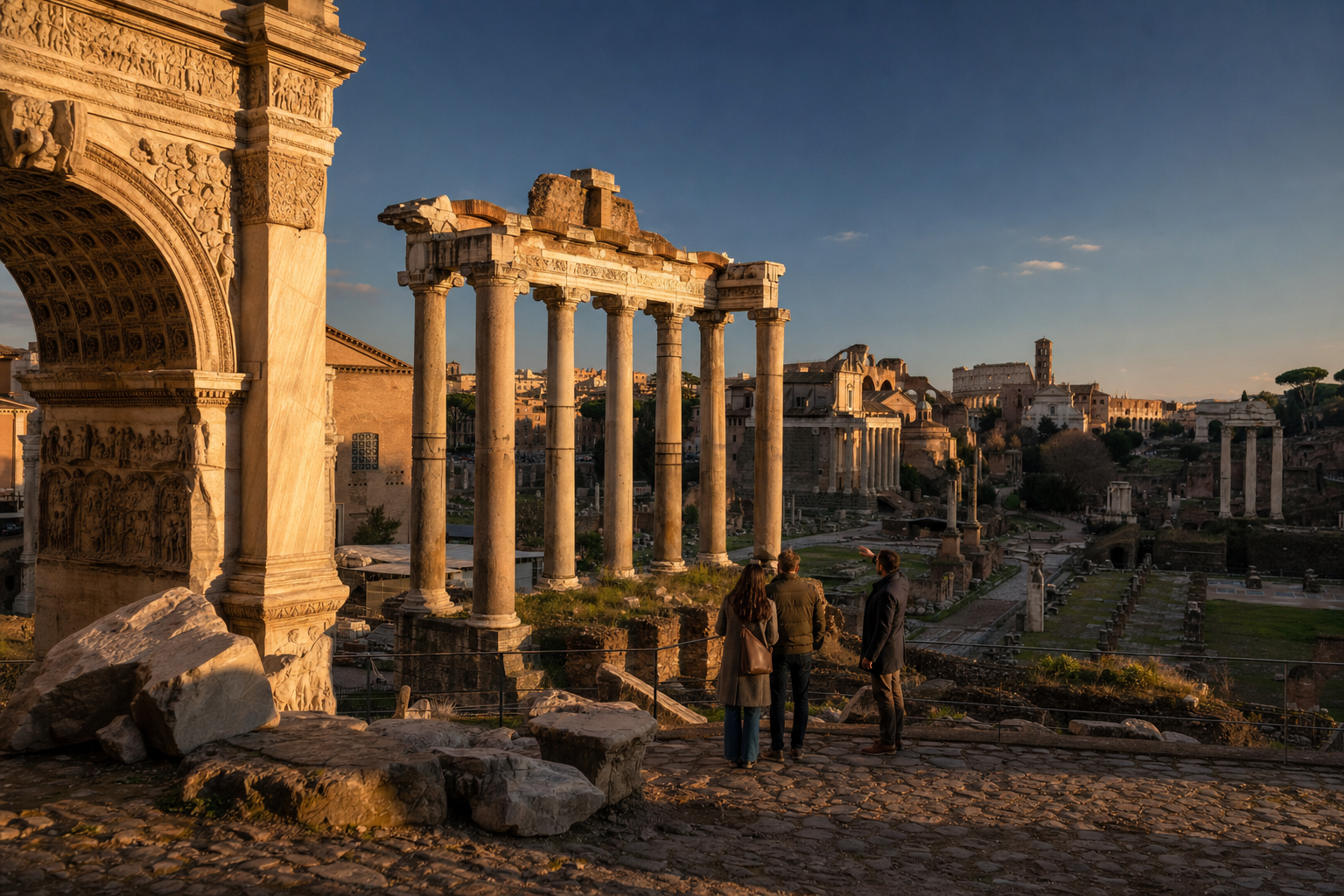
In 27 BC, Augustus Caesar famously boasted that he had found Rome a city of brick and left it a city of marble. What he didn't mention was that the city already contained several hundred years of Republican-era stone beneath his feet — and that future emperors, popes, and Renaissance architects would keep adding layers on top for the next two millennia. Today, Rome packs more than 2,000 years of continuous civilisation into 1,287 km², making it arguably the most historically dense urban environment on Earth. That density is precisely the problem with seeing it quickly, on a coach, in a crowd of strangers following a flag on a stick. Every piazza hides a deeper story. Every church floor covers an older church floor. Private tours in Rome don't just make the experience more comfortable — they make it genuinely comprehensible, turning a blur of ancient stones into a living, breathing city you actually understand.
Read more →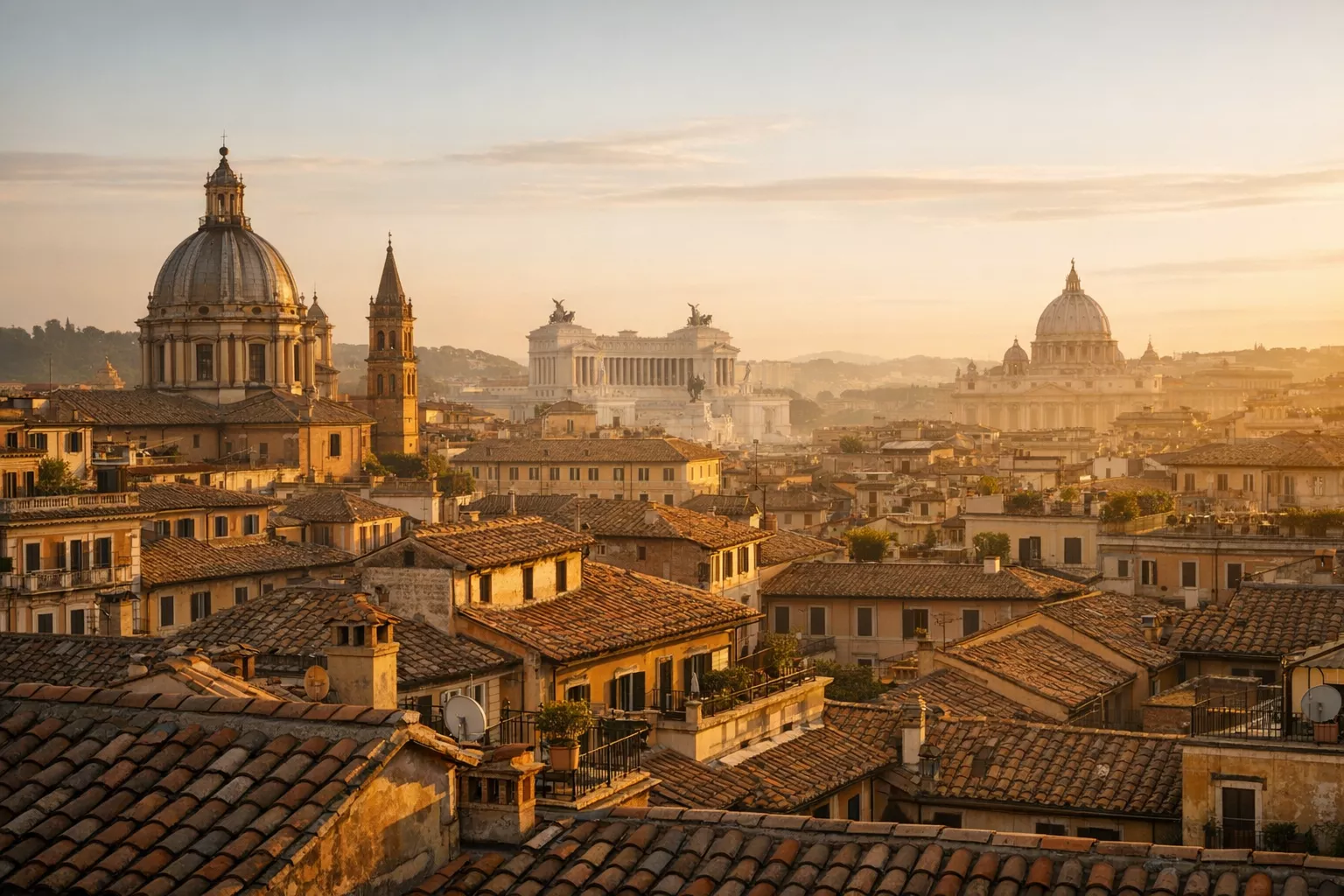
Discover the charm and beauty of Rome with our ultimate guide on what to do in this historic city. From iconic landmarks to hidden gems, we've got you covered with exciting tours and activities.
Read more →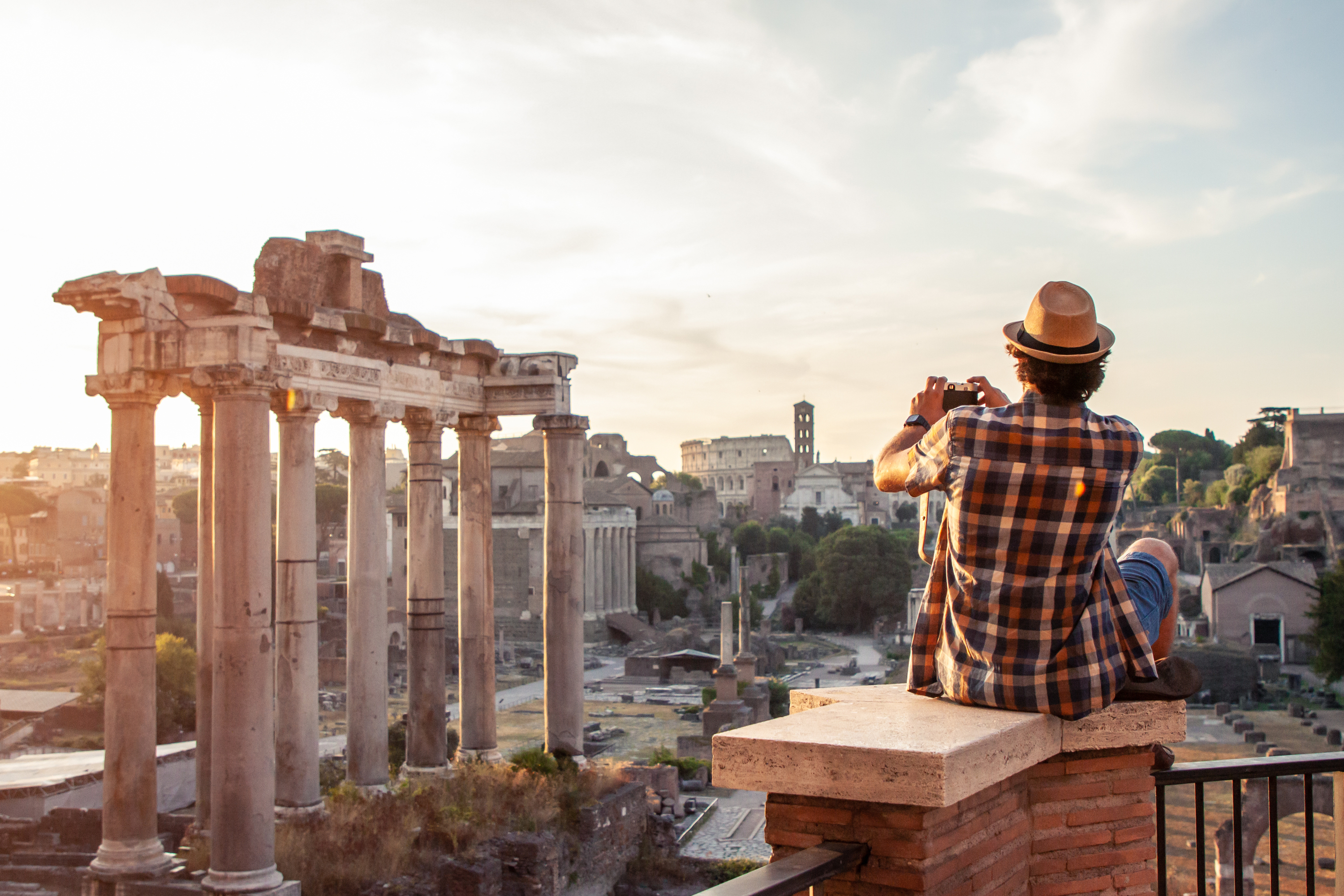
The Forum, the Colosseum and the Palatine are the three great archaeological sites that are preserved in the city of Rome. The concepts of "Forum" (the Roman Forum) or "The Forums" (the Imperial Forums), are difficult to understand what was done in them and how their spaces were organized. What is the difference between the traditional Roman Forum and the so-called Imperial Forums?
Read more →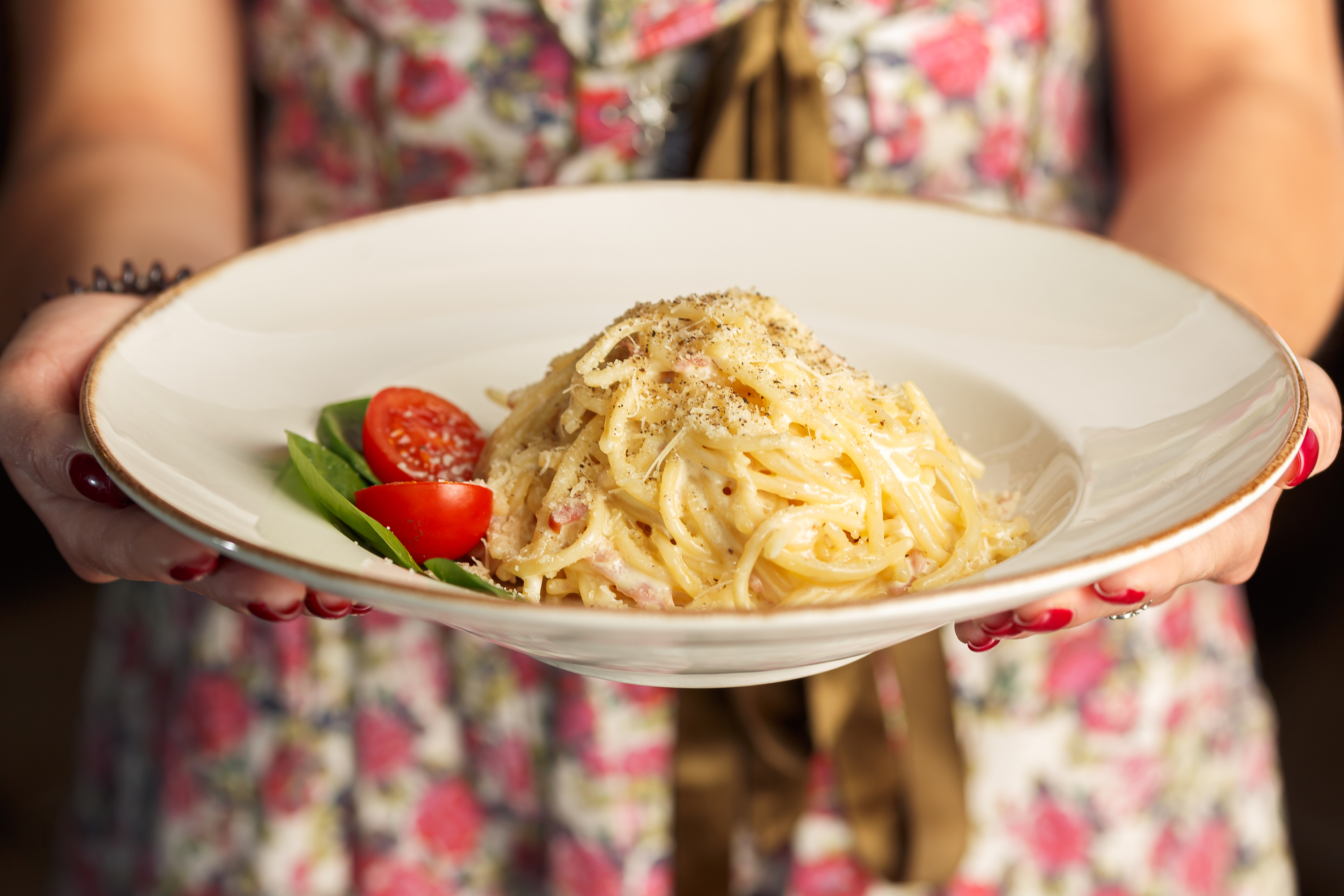
If you travel around Rome, there are dishes that you should not miss for anything in the world. Its typical dishes are very tasty and nutritious as they are very old recipes that have their origin in the villages of the region: they were thought to meet the great energy needs of the peasants. Due to this 'poor' origin, the typical dishes of the Roman cuisine are usually simple, they are made with very daily ingredients and often rich in cholesterol. It is very difficult to make a selection of recommended dishes... but we will give it a try!
Read more →We use a single cookie, to remember this choice. We do not use analytics or advertising cookies. Read our cookie policy.