3 hrs
Rome
Rome Private Family Walking Tour with Games for Kids
✓ Free cancellation Kids friendly
4.7(32 reviews)
From €177/ person
Book Now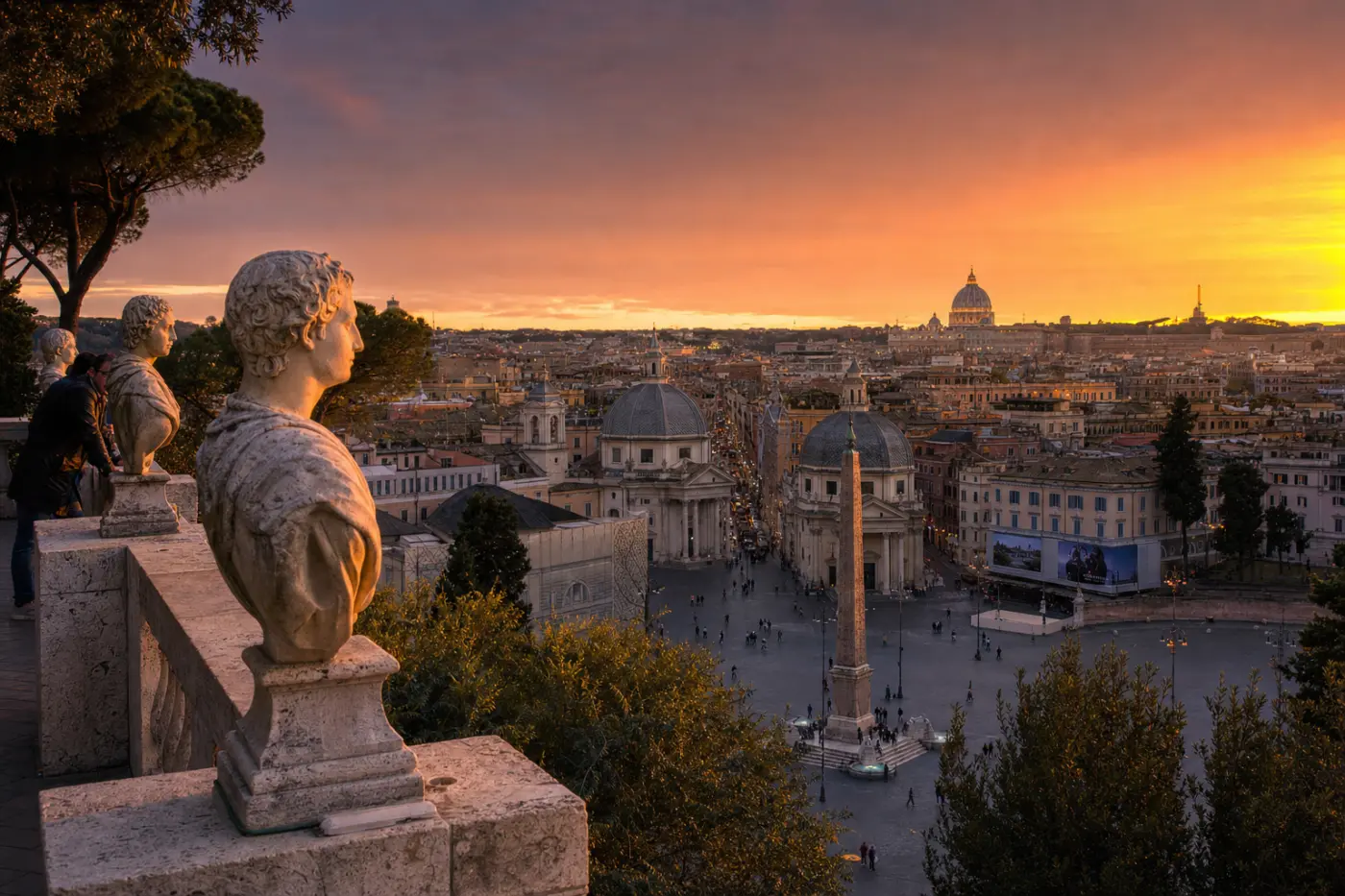
Tourist attraction
The Terrazza del Pincio — the grand belvedere crowning Pincian Hill on the northeastern edge of Villa Borghese — is one of Rome's most storied viewpoints. Known in antiquity as the Mons Pincius or "Hill of Gardens," this rise outside Rome's original Seven Hills was colonized from the 1st century BC onward by aristocratic families who built lavish private gardens here, including the Horti Luculliani commissioned by the general Lucullus around 60 BC. The hill's long association with elite leisure and landscape cultivation set the stage for its most enduring transformation: the sweeping Neoclassical redesign undertaken by architect Giuseppe Valadier between approximately 1810 and 1820, under the urban renewal program imposed by Napoleonic Rome. Valadier — who simultaneously redesigned Piazza del Popolo directly below — created the terraced promenade, formal pathways, and the iconic belvedere balustrade that visitors still walk today, integrating the hilltop visually and physically with the piazza it overlooks.
The terrace's most distinctive feature, aside from its panorama, is its long avenue lined with marble portrait busts of celebrated Italians — writers, scientists, artists, military leaders, and philosophers from across Italian history, from Dante Alighieri and Galileo Galilei to Giuseppe Garibaldi. Originally conceived during the Risorgimento era as a secular pantheon of national identity, the collection grew to number over 200 busts by the late 19th century and became one of the earliest open-air "galleries" of Italian cultural memory. Many busts are 19th-century reproductions, and the collection has been periodically restored, but walking its length remains a quietly unusual experience — a promenade through Italian intellectual history, al fresco.
From the main balustrade, the view northward over Piazza del Popolo is among the most composed urban panoramas in Rome. Valadier's elliptical piazza, with its twin Baroque churches of Santa Maria dei Miracoli (1681) and Santa Maria in Montesanto (1679), the ancient Egyptian obelisk of Ramesses II at its center — originally erected in Heliopolis around 1232 BC and brought to Rome by Augustus in 10 BC — and the rooftops of the historic center stretching to the dome of St. Peter's Basilica in the distance, all arrange themselves below the terrace as if designed for this precise vantage point. At sunset, the light turns the travertine facades gold, and the dome of St. Peter's catches the last western light above the city's layered skyline.
The Terrazza del Pincio is freely accessible year-round as part of the Villa Borghese park system and charges no admission. It is most spectacular in the hour before sunset, when photographers and Romans alike line the balustrade. The terrace is reached on foot via the ramps from Piazza del Popolo (a moderately steep 10-minute walk), by the historic horse-drawn carriage road from Porta Pinciana, or by the small electric road train that runs through Villa Borghese. The nearby Casino Valadier — a Neoclassical pavilion built as part of the original 1810s project and now a café-restaurant — offers the option to sit with a drink and the view simultaneously. Early morning visits, before the crowds arrive, reveal the terrace at its quietest and the light at its most dramatic.
Private tours with a local guide, at your own pace.
Rome
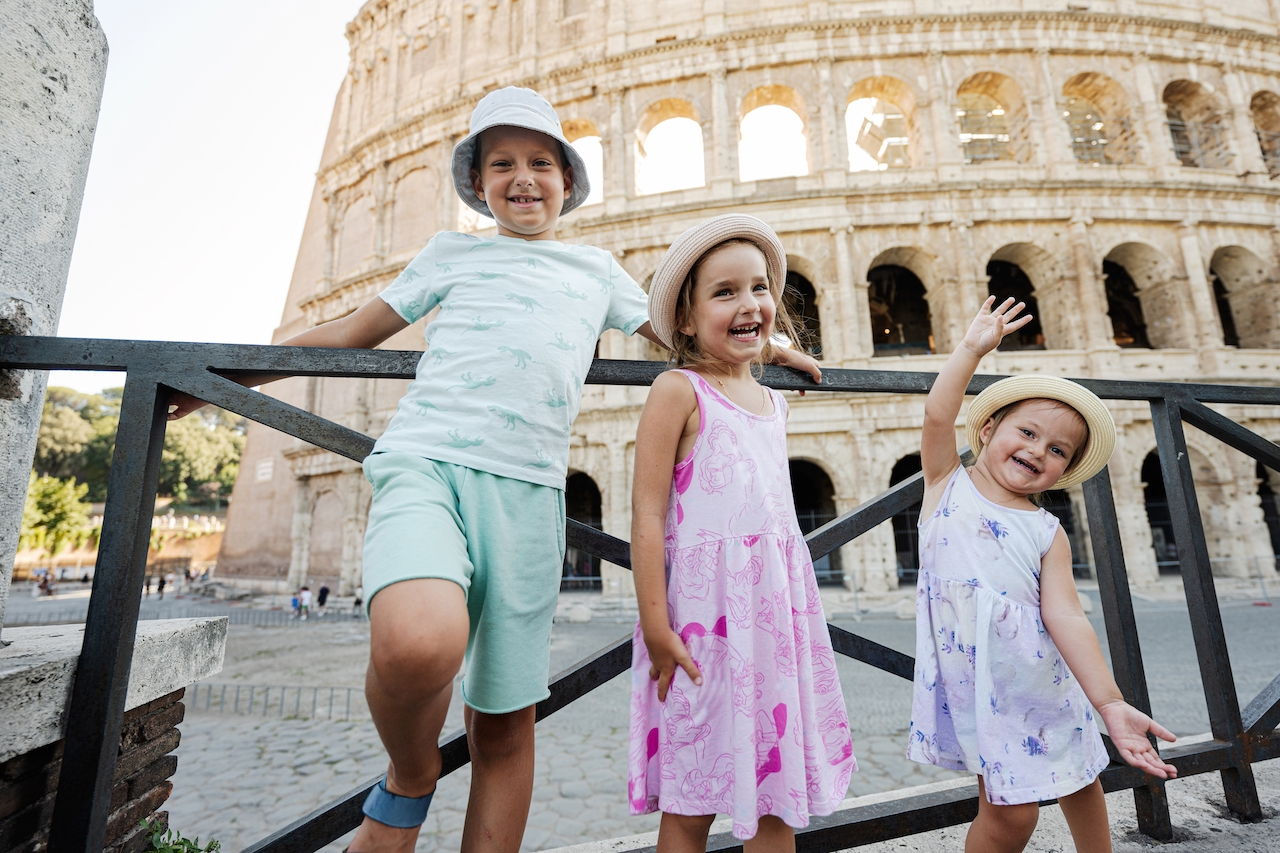
Rome
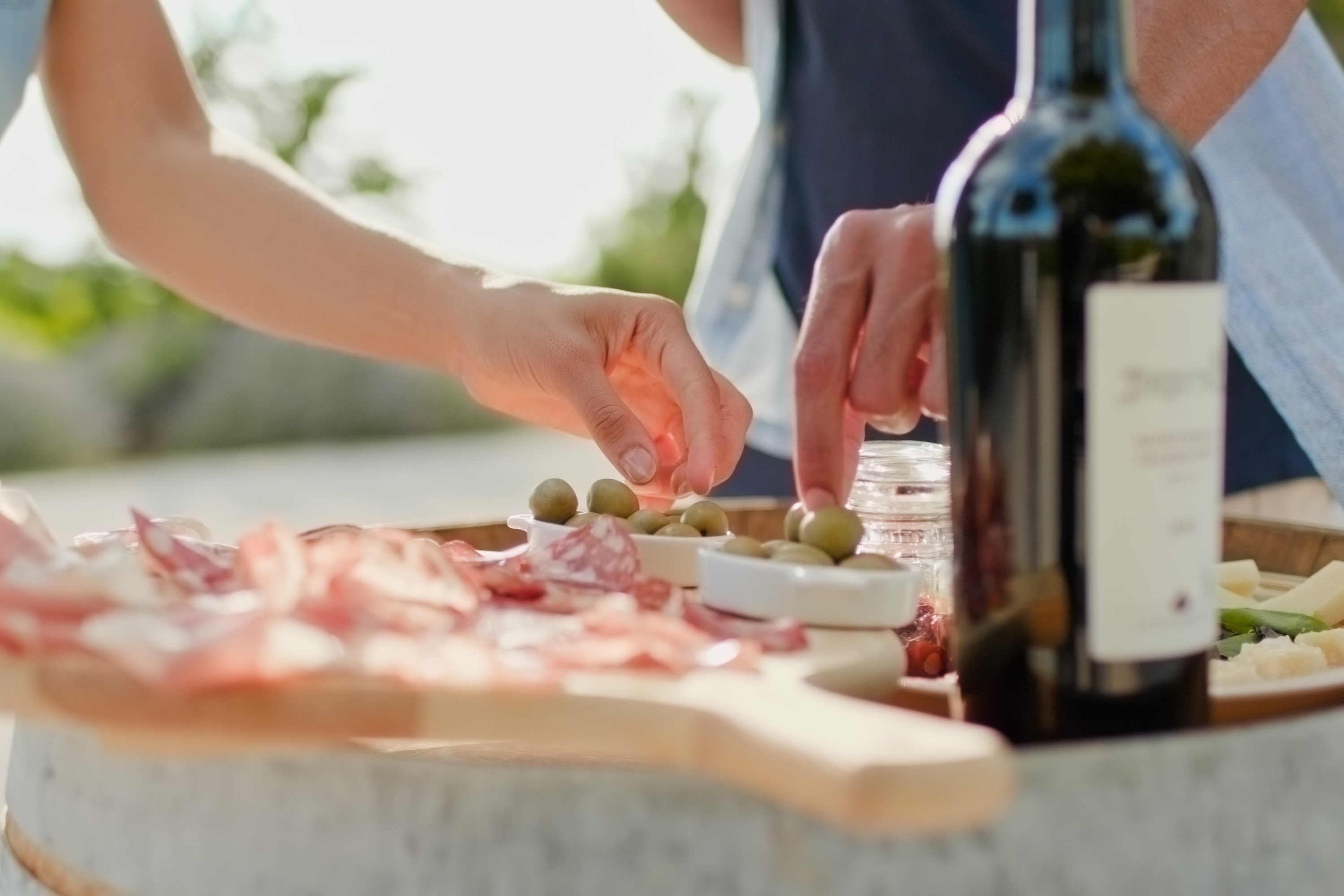
Rome

Rome
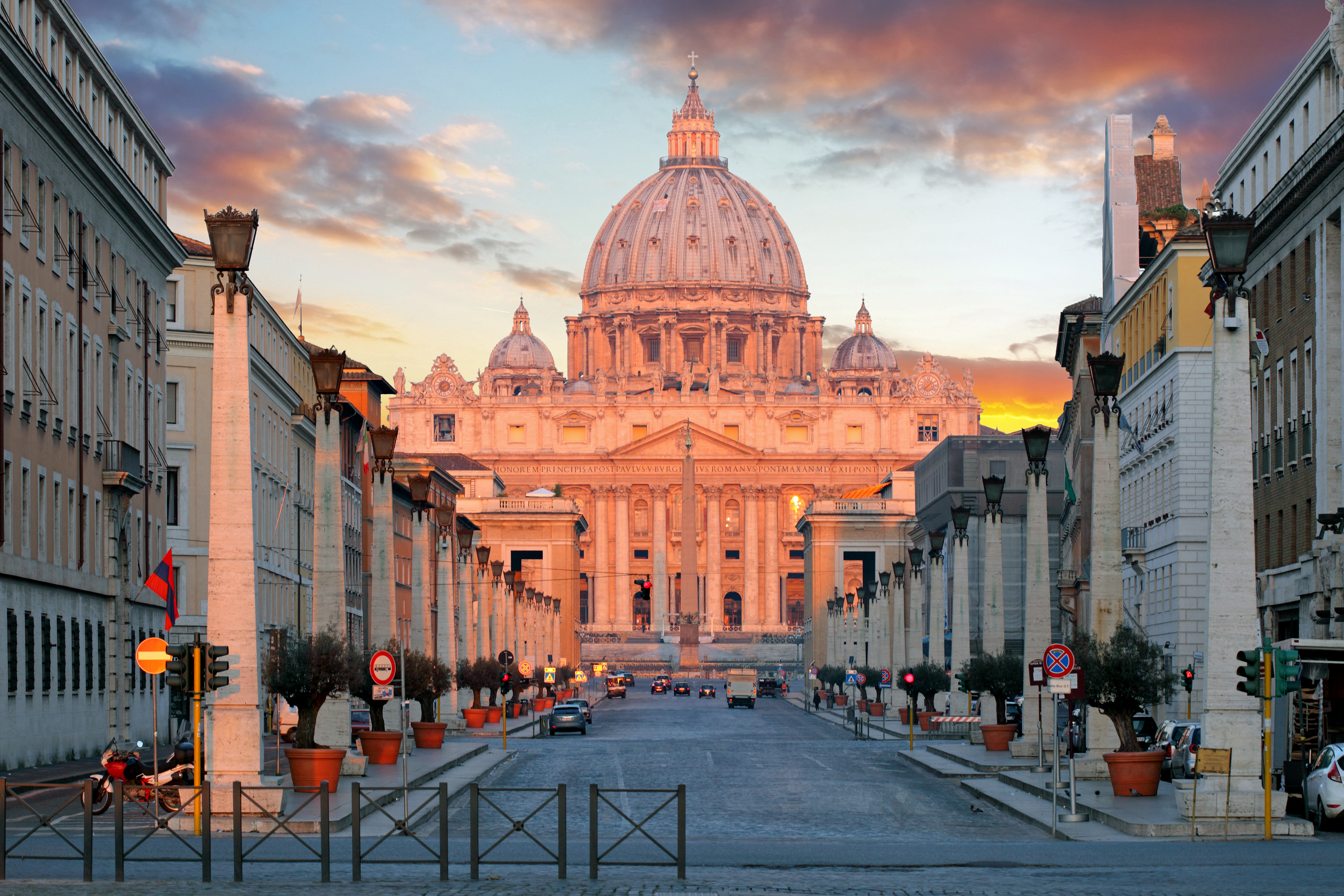
Rome
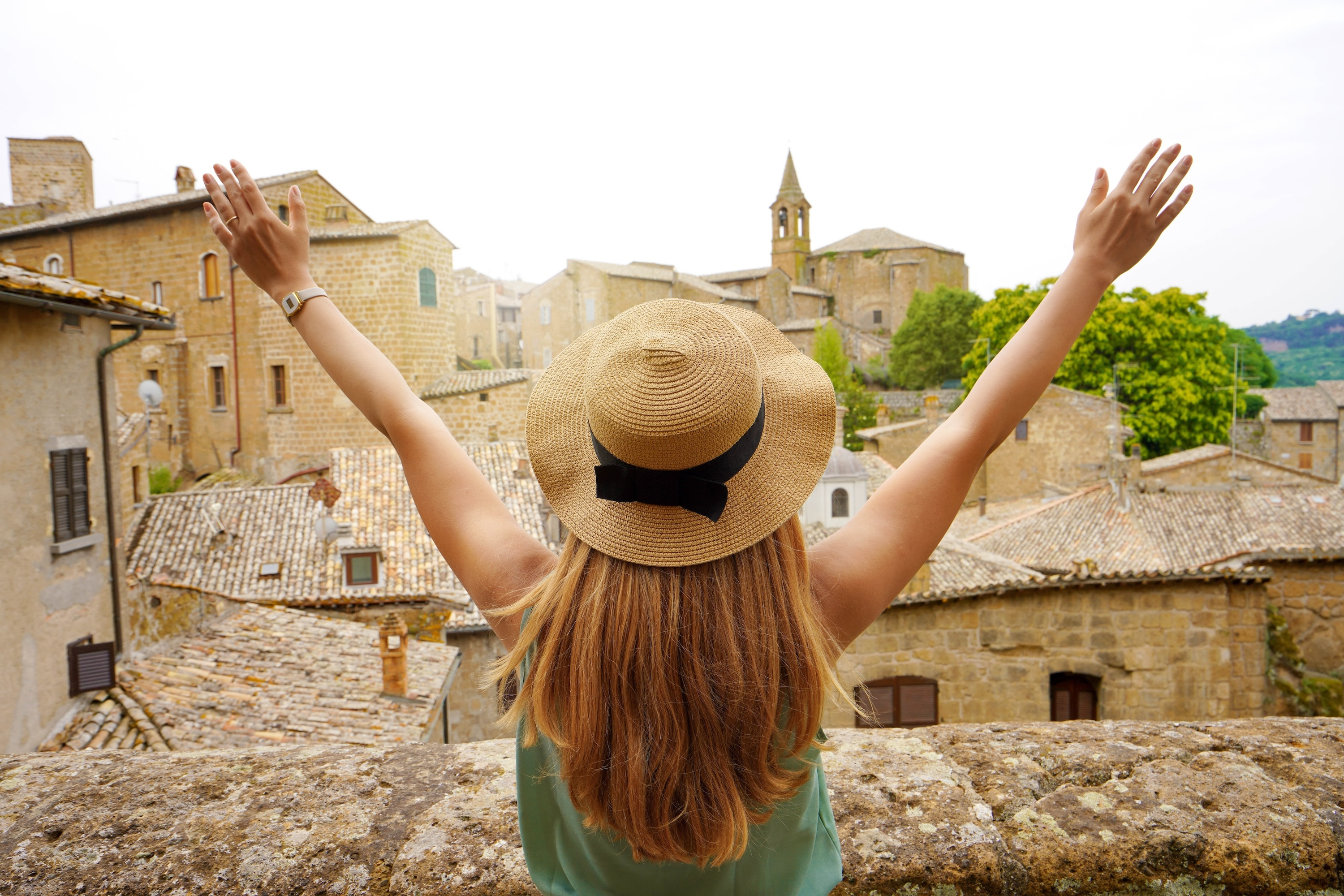
Rome
Rome
Rome
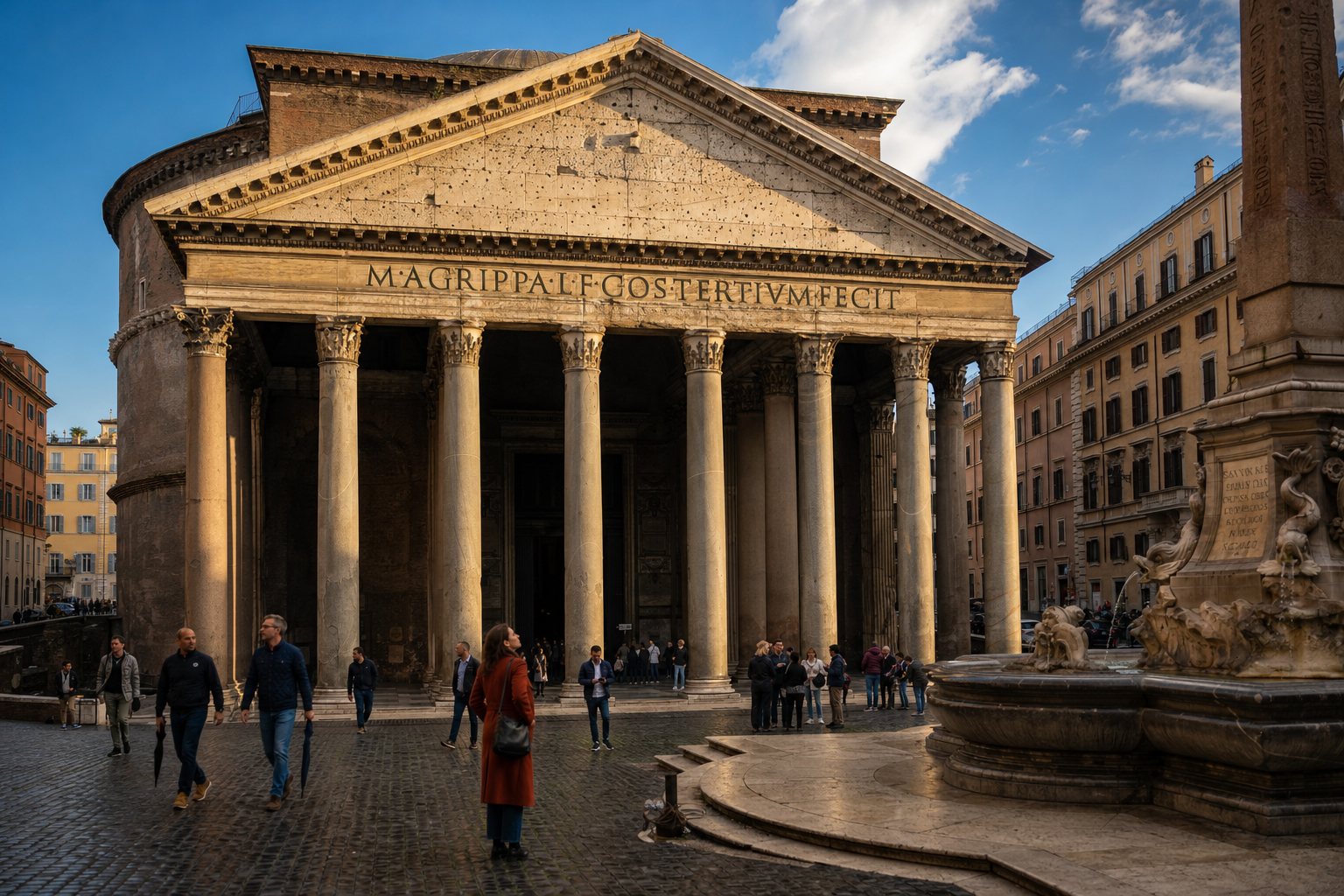
On the afternoon of 2 November 1950, Rome received 108mm of rain in a single day — one of the heaviest downpours in the city's recorded history. Locals ducked into trattorias, lingered over lunch, and emerged hours later to find the Sampietrini cobblestones of the historic center gleaming like polished obsidian. Here's the thing no travel guide tells you: rain doesn't ruin Rome. It transforms it. The same city that feels exhausting under July heat — queues snaking past the Trevi Fountain, tour groups stacked three-deep at the Pantheon — becomes something quieter, moodier, and far more liveable when clouds roll in off the Tyrrhenian Sea. Rome averages around 800mm of rainfall per year, with October, November, and February forming the wettest windows. That means millions of visitors each year encounter rain, yet most arrive with no plan beyond panic. This guide is that plan.
Read more →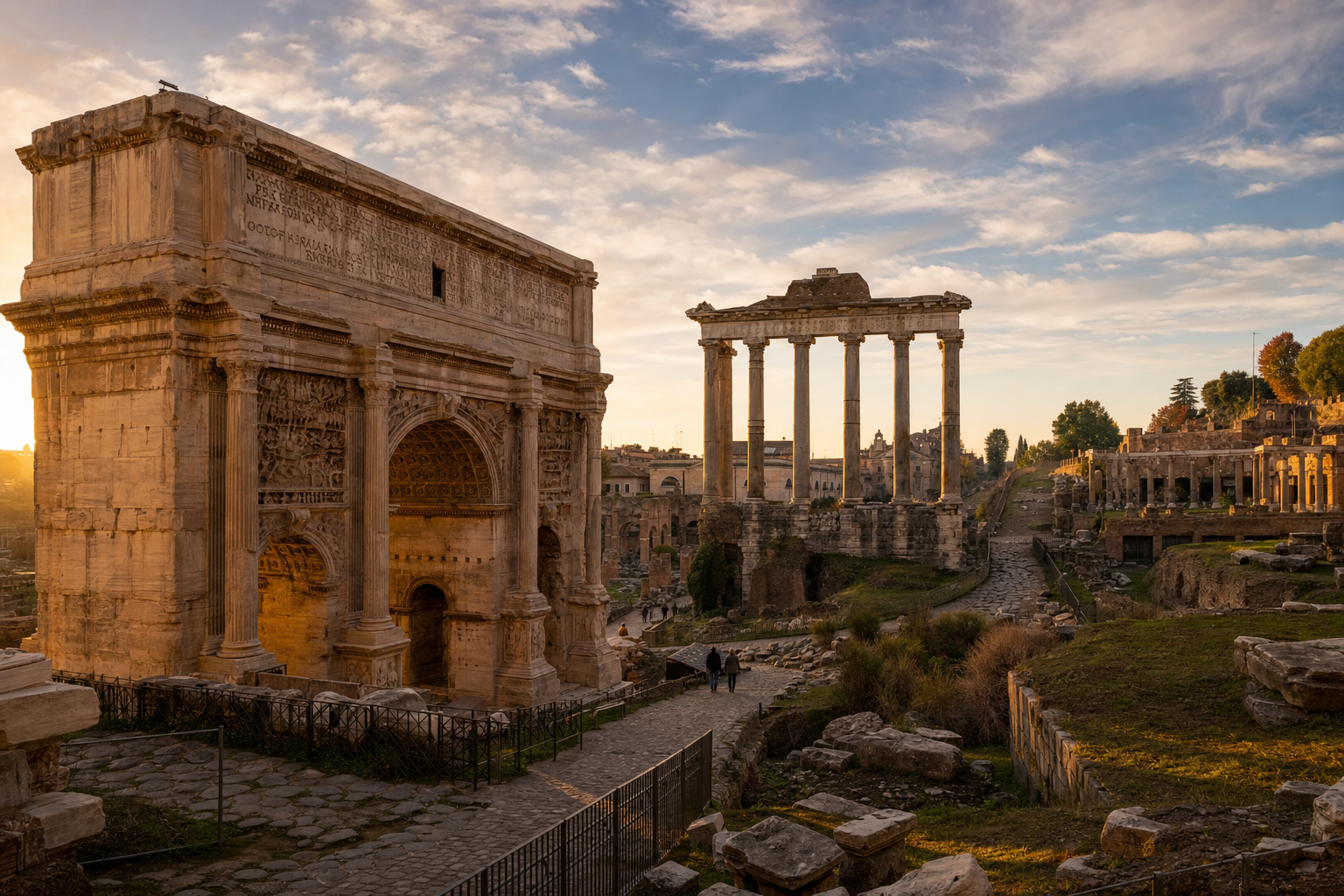
Rome was not built in a day — and it cannot be truly experienced in one either. Founded, according to tradition, on 21 April 753 BC, the city has been welcoming visitors for over two millennia, yet the question of when to go remains as contested as the Senate floor once was. Average annual tourist arrivals at the Colosseum alone exceed 7 million, meaning timing your visit is not a minor detail — it is everything. July temperatures regularly breach 35°C on the cobblestones of the Roman Forum, while a wet November morning at the Fontana di Trevi can feel like a private audience with Anita Ekberg's ghost. Each month carries its own character, crowd density, price point, and light quality. This guide cuts through the noise with specific facts, seasonal realities, and honest advice drawn from years of walking Rome's streets — so you arrive at exactly the right moment for the trip you actually want.
Read more →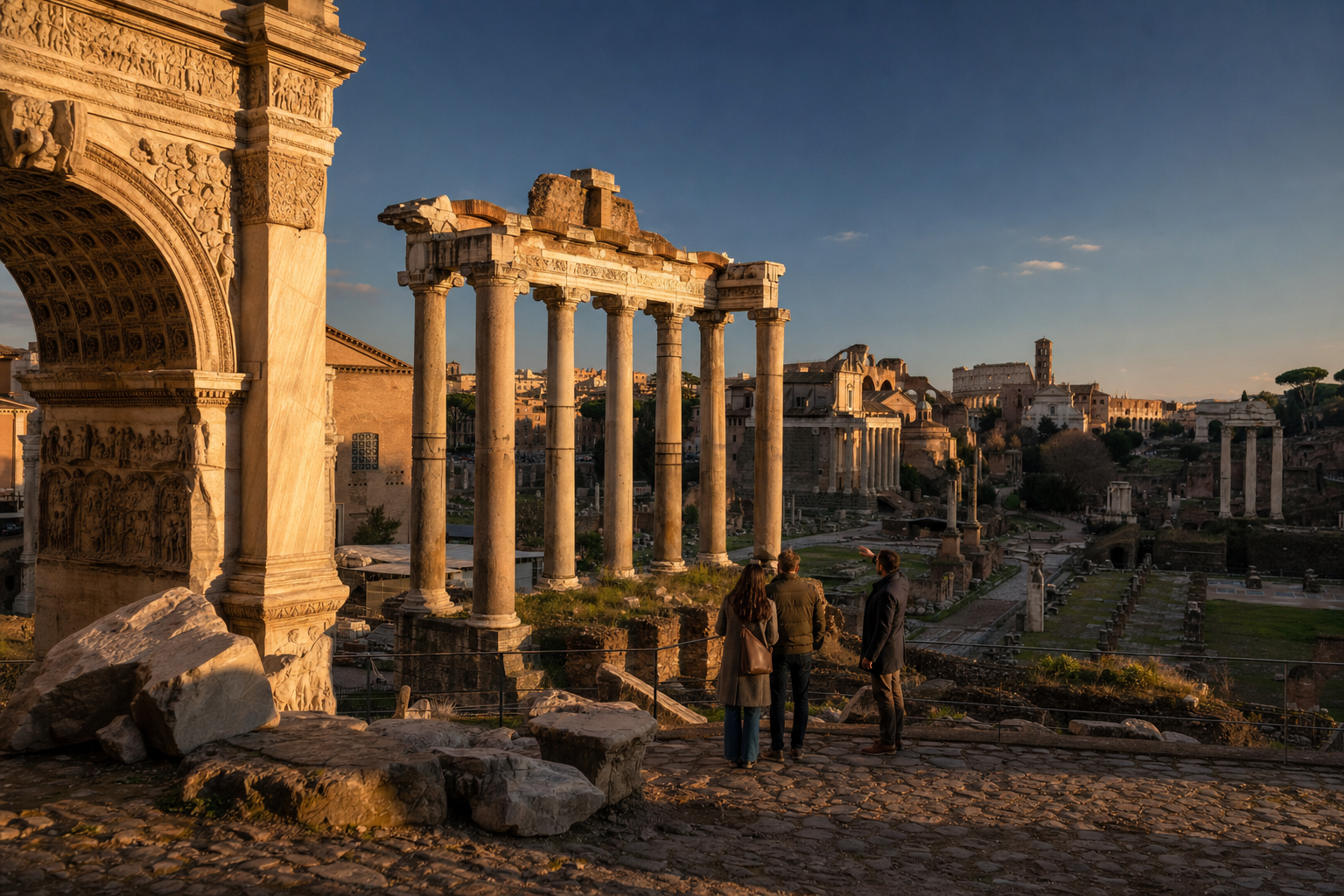
In 27 BC, Augustus Caesar famously boasted that he had found Rome a city of brick and left it a city of marble. What he didn't mention was that the city already contained several hundred years of Republican-era stone beneath his feet — and that future emperors, popes, and Renaissance architects would keep adding layers on top for the next two millennia. Today, Rome packs more than 2,000 years of continuous civilisation into 1,287 km², making it arguably the most historically dense urban environment on Earth. That density is precisely the problem with seeing it quickly, on a coach, in a crowd of strangers following a flag on a stick. Every piazza hides a deeper story. Every church floor covers an older church floor. Private tours in Rome don't just make the experience more comfortable — they make it genuinely comprehensible, turning a blur of ancient stones into a living, breathing city you actually understand.
Read more →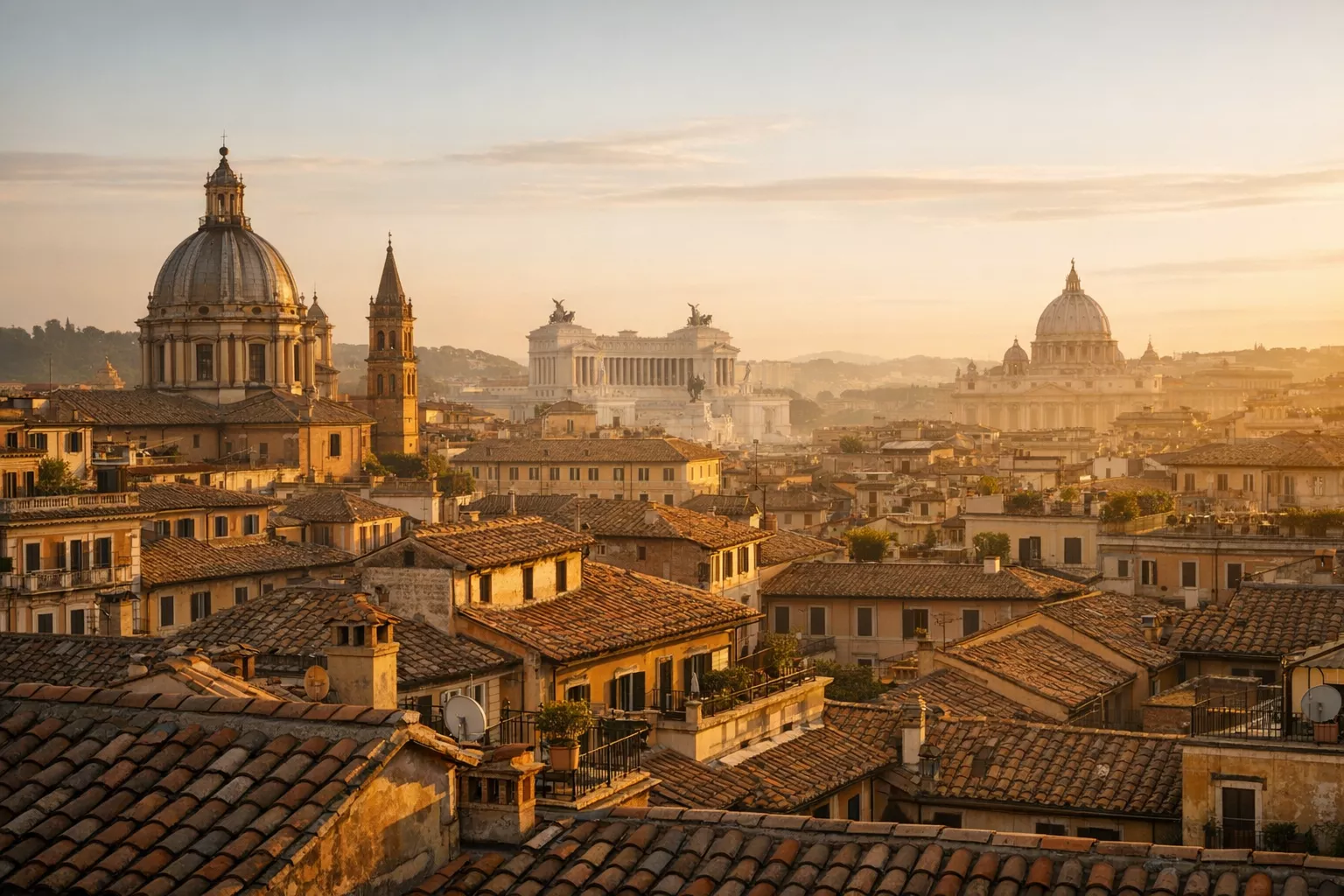
Discover the charm and beauty of Rome with our ultimate guide on what to do in this historic city. From iconic landmarks to hidden gems, we've got you covered with exciting tours and activities.
Read more →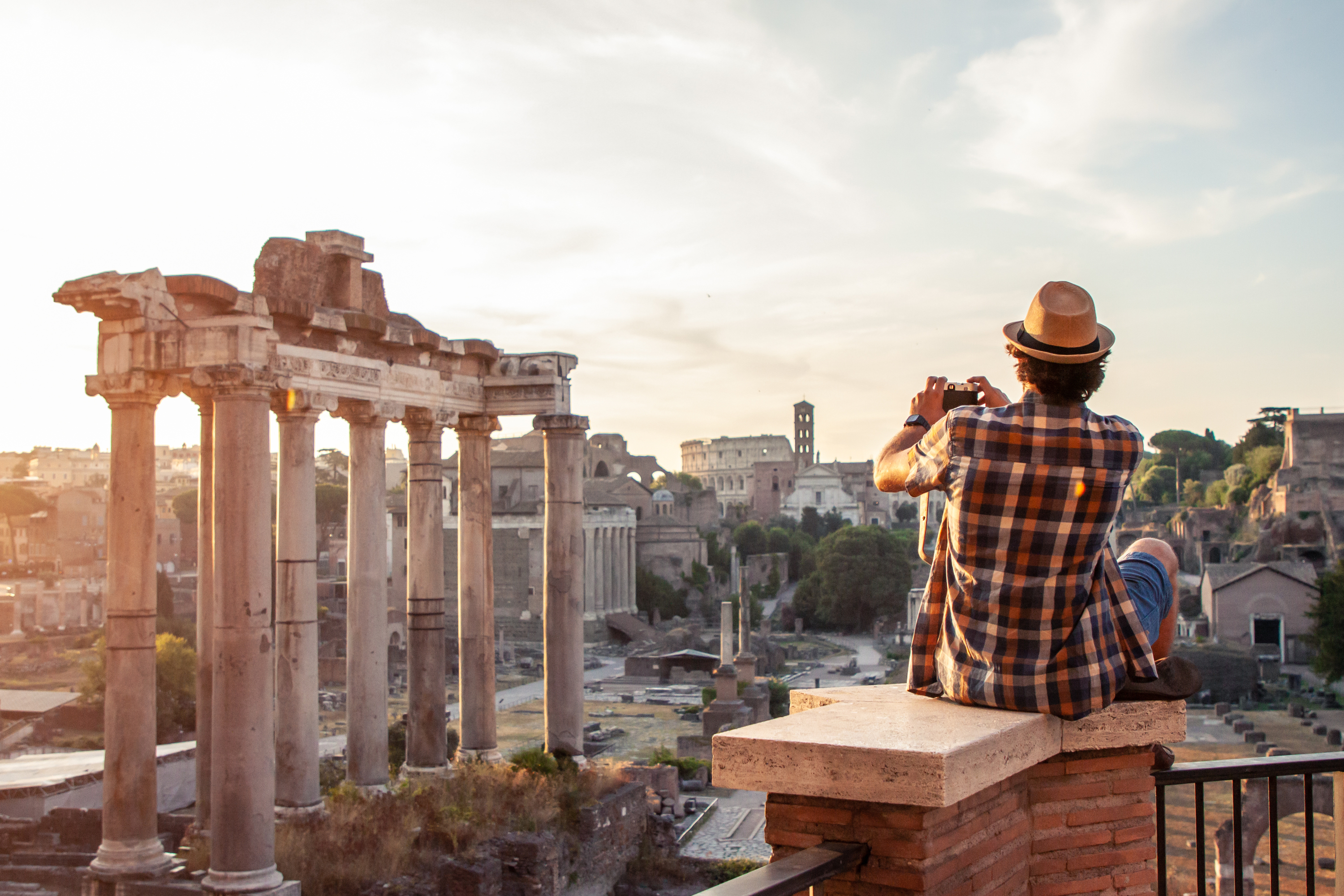
The Forum, the Colosseum and the Palatine are the three great archaeological sites that are preserved in the city of Rome. The concepts of "Forum" (the Roman Forum) or "The Forums" (the Imperial Forums), are difficult to understand what was done in them and how their spaces were organized. What is the difference between the traditional Roman Forum and the so-called Imperial Forums?
Read more →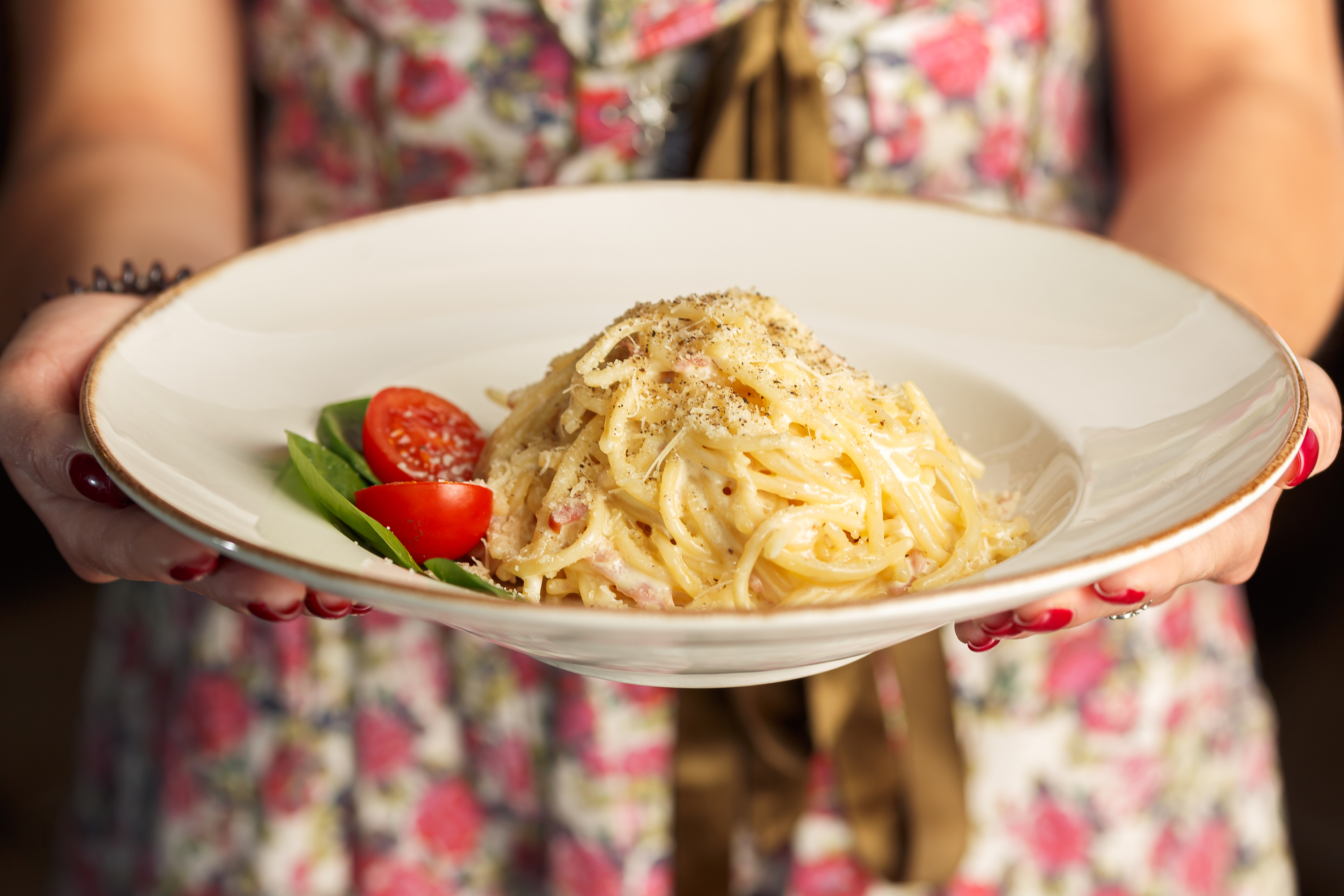
If you travel around Rome, there are dishes that you should not miss for anything in the world. Its typical dishes are very tasty and nutritious as they are very old recipes that have their origin in the villages of the region: they were thought to meet the great energy needs of the peasants. Due to this 'poor' origin, the typical dishes of the Roman cuisine are usually simple, they are made with very daily ingredients and often rich in cholesterol. It is very difficult to make a selection of recommended dishes... but we will give it a try!
Read more →We use a single cookie, to remember this choice. We do not use analytics or advertising cookies. Read our cookie policy.