4 hrs
London
Highlights of London Private Tour - Downtown, Notting Hill & Portobello Market
✓ Free cancellation Kids friendly
4.7(27 reviews)
From €188/ person
Book Now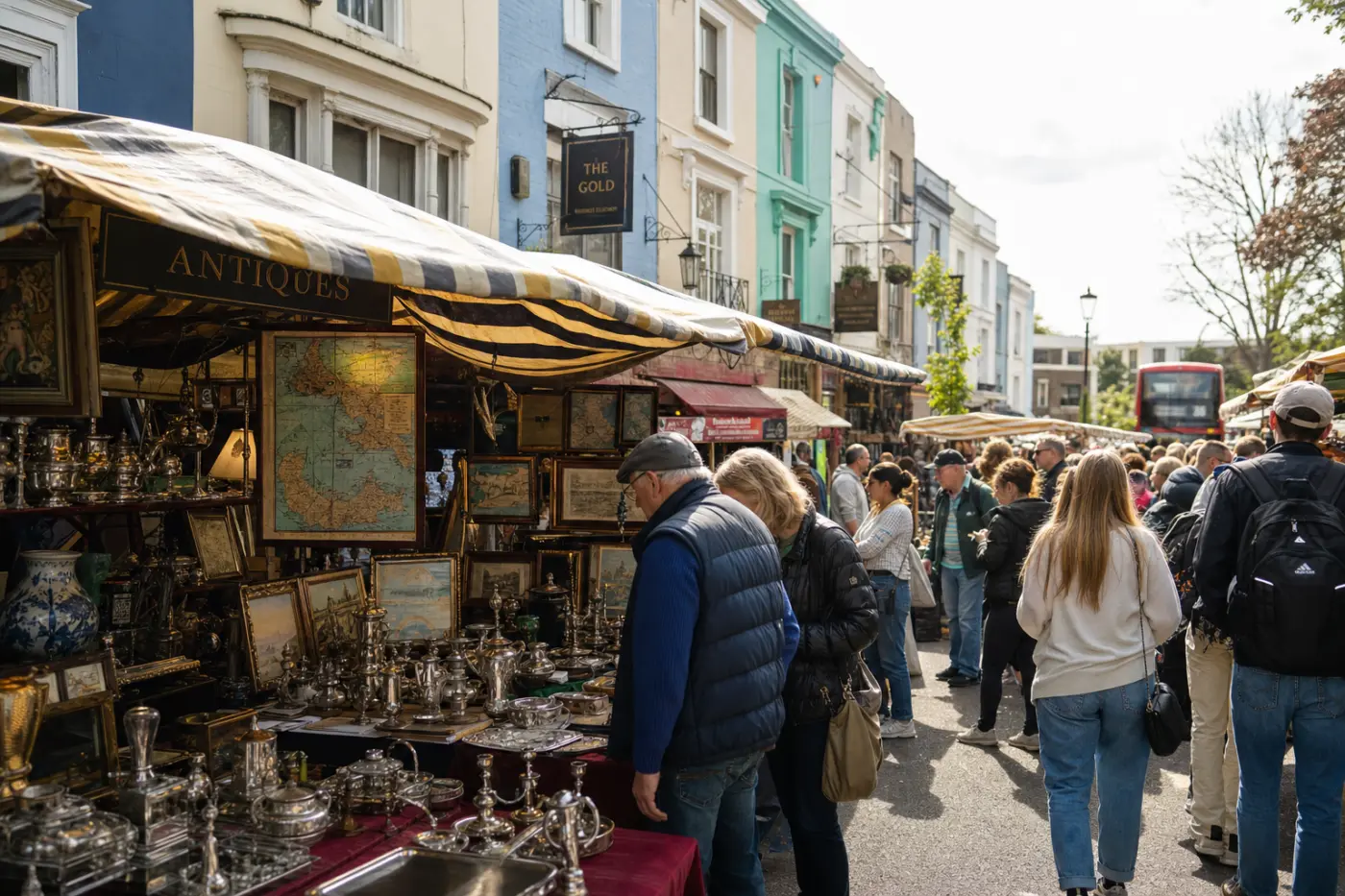
Tourist attraction
Portobello Road Market is one of the world's most celebrated street markets, running along Portobello Road and round the corner into Golborne Road in the Royal Borough of Kensington and Chelsea. Its history stretches back over 160 years to a country lane that wound through open farmland in the 1700s. That lane took its name from Portobello Farm, which was itself named to commemorate the British Royal Navy's victory at Porto Bello, Panama, in 1739 — a battle commanded by Admiral Edward Vernon, whose name lives on today in the nearby Vernon Yard. By around 1870, as urban expansion swept through neighbouring Paddington and Bayswater and the Hammersmith and City Railway opened Ladbroke Grove station in 1864, a formal market had taken root to serve the area's rapidly growing population.
The market's character deepened through successive waves of migration and cultural change. After the Spanish Civil War broke out in 1936, Spanish and Portuguese refugees settled around Notting Hill, shaping the food culture of the area — R. Garcia and Sons, a Spanish delicatessen established in 1957, still trades today. The postwar decades transformed Portobello's commercial identity: from the 1940s onward, antique dealers and second-hand traders steadily replaced the original fresh-food stalls, making Portobello one of the UK's largest antiques markets. The Swinging Sixties sealed its countercultural reputation, as artists, designers and musicians moved into the elegant Victorian crescents and terraces of Notting Hill. Since 1966, the annual Notting Hill Carnival — Europe's largest street festival — has drawn millions of visitors to the same streets each August bank holiday weekend.
Today roughly 1,000 vendors operate across five distinct sections that run the length of the road: antiques and collectables (the main draw, heaviest on Saturdays), second-hand and vintage clothing, fresh fruit and vegetables, household goods, and fashion and crafts. On Fridays and Saturdays, stalls stretch for a full mile. The antiques section alone offers everything from Georgian silverware and Victorian jewellery to 20th-century design objects and rare maps. The market's cinematic fame — sealed by the 1999 film Notting Hill and the Paddington films — has made it a global landmark, yet it remains a genuinely functioning local market with traders from every corner of the world.
Saturday is the essential day to visit if antiques are your goal, as all five sections operate simultaneously and specialist dealers fill the arcades and indoor markets along the road. Arrive before 10am to browse before the crowds peak. The market is open daily (08:00–19:00), with Fridays and Saturdays the busiest and most rewarding for serious hunters. The nearest Underground stations are Notting Hill Gate (Central, Circle and District lines) and Ladbroke Grove (Hammersmith and City line). Wear comfortable shoes — a full walk from the antiques stalls at the southern end to the vintage fashion and street food of Golborne Road at the northern tip covers well over a mile of pavement.
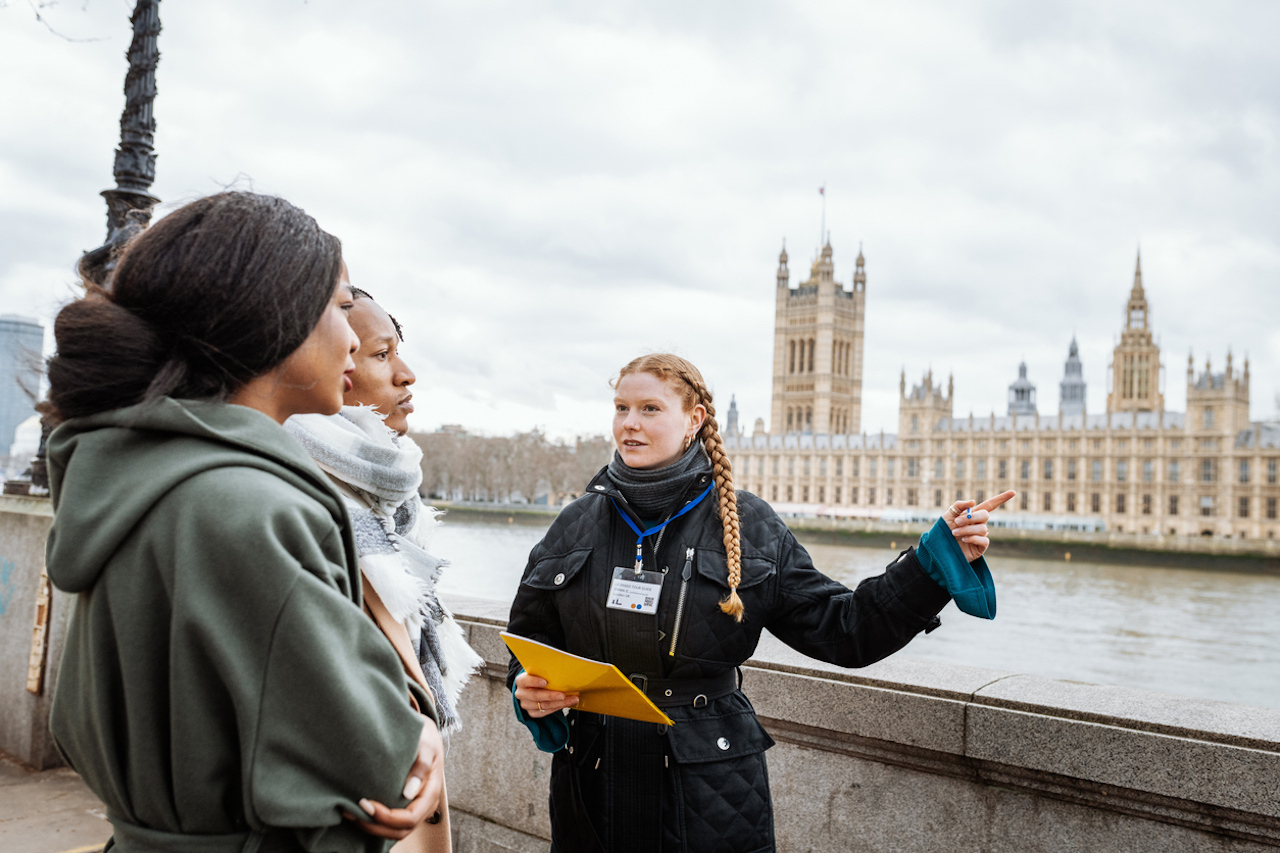
Private tours with a local guide, at your own pace.
London
London
London
London
London
London
London

London

London
We use a single cookie, to remember this choice. We do not use analytics or advertising cookies. Read our cookie policy.