3 hrs
London
Authentic British Food and Drink Private Tour in London- Local Taverns & Pubs
✓ Free cancellation Kids friendly
4.8(15 reviews)
From €206/ person
Book Now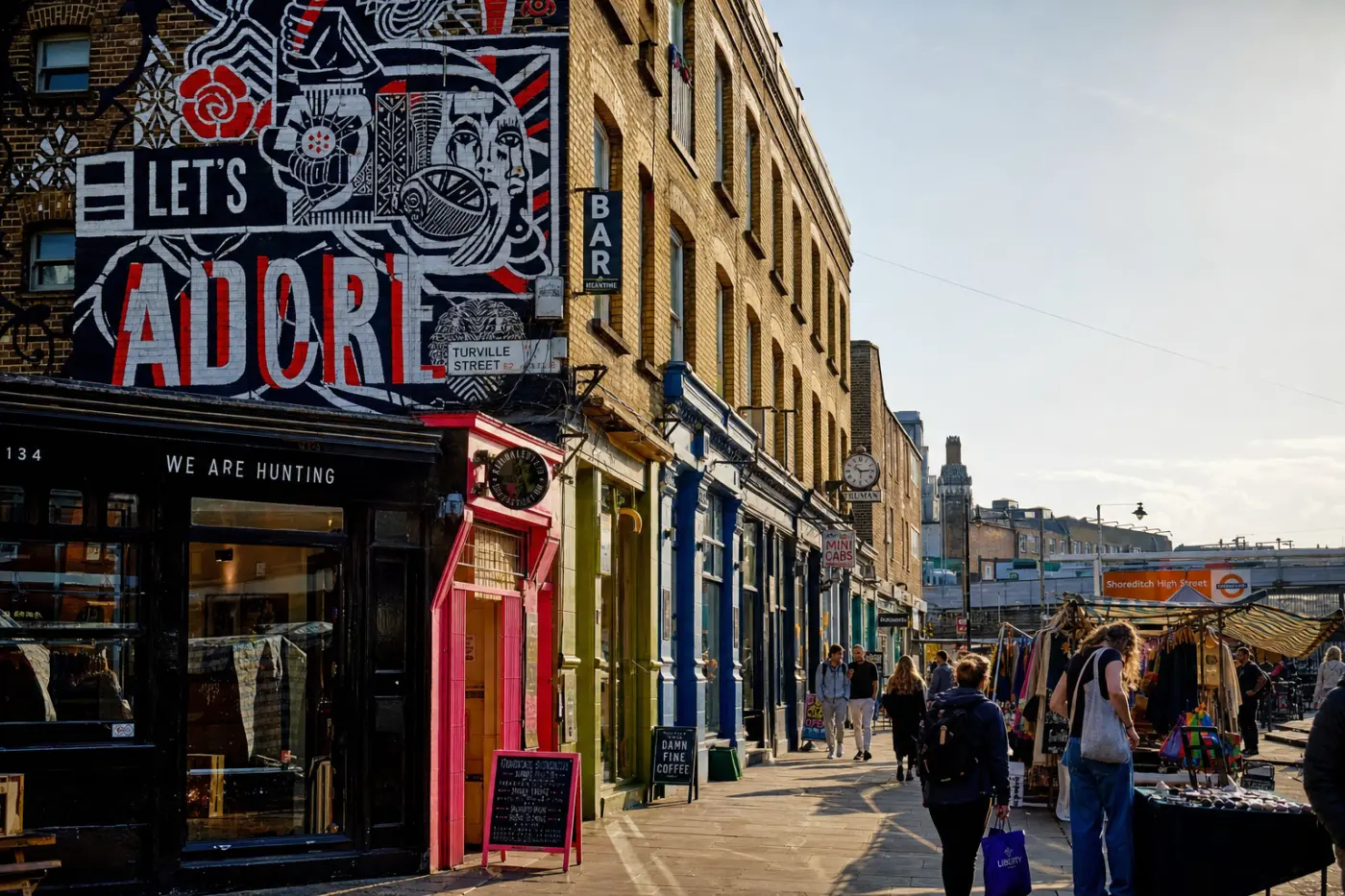
Tourist attraction
Shoreditch is a neighbourhood in the London Borough of Hackney, sitting just beyond the northeastern boundary of the City of London. Its name derives from the Old English "Soersditch" — a reference to the sewer ditches that once drained the area's marshland — not, as local legend insists, from Jane Shore, the mistress of Edward IV who was supposedly buried in a ditch here. That romantic tale collapses under scrutiny: the name predates Shore's affair with the king by centuries. What is indisputable is the area's ancient pedigree: its road network traces back to Roman routes, and by the medieval period it was already a significant suburban settlement outside the city walls, home to an Augustinian Priory founded in the 12th century that dominated the district until Henry VIII's Dissolution of the Monasteries in the 1530s.
The site of that demolished priory became the birthplace of English theatre. In 1576, James Burbage constructed The Theatre on the former priory grounds — the first purpose-built playhouse in England. Shakespeare's company, the Lord Chamberlain's Men, performed here and at the nearby Curtain Theatre on Curtain Road, where Romeo and Juliet and Henry V received some of their earliest performances. The Curtain was the original "Wooden O" referenced in the prologue to Henry V. When a lease dispute made The Theatre untenable in 1598, Burbage's sons dismantled it timber by timber and transported the materials south across the Thames to Southwark, where they were reassembled as the Globe Theatre. In 2012, archaeologists from the Museum of London uncovered the Curtain Theatre's foundations during excavations, and plans are underway to incorporate the remains into a public open space within a new development.
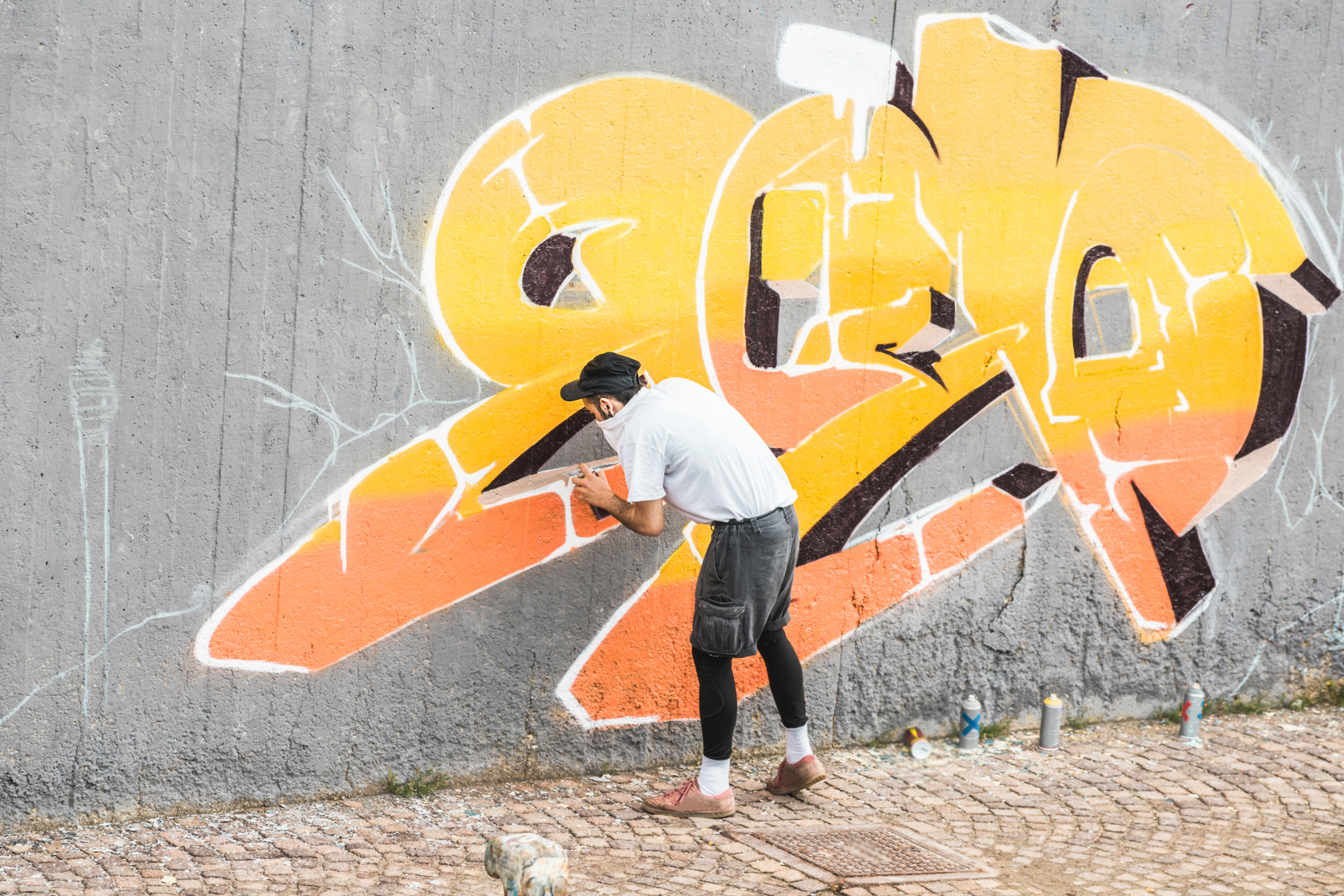
Shoreditch only became formally part of the County of London in the late 19th century, having long existed in the administrative grey zone of Middlesex. Its church, St Leonard's Shoreditch — rebuilt in its current neoclassical form in 1740 by George Dance the Elder — features in the nursery rhyme "Oranges and Lemons" and served as the parish church for many of the actors from the Tudor theatres; James Burbage himself is buried here. By the 20th century, the area transitioned through waves of industrial use and immigrant settlement, before its warehouses and workshops attracted artists and designers in the 1990s. That creative influx seeded what became a globally recognised hub for tech startups, galleries, and street art, with Brick Lane and Redchurch Street becoming open-air galleries for artists including Banksy, ROA, and Stik.
Today, visitors come for the dense concentration of independent restaurants, vintage markets at Spitalfields and Columbia Road Flower Market, and the murals layered across every available surface along Rivington Street and Shoreditch High Street. The neighbourhood is walkable and compact — the overground station at Shoreditch High Street drops you directly into its centre. Sunday mornings are the best time to visit Columbia Road for its famous flower market, while weekday evenings reveal the quieter side of its café culture. The Old Spitalfields Market, operating on this site since 1638, still draws designers and food traders every day of the week.
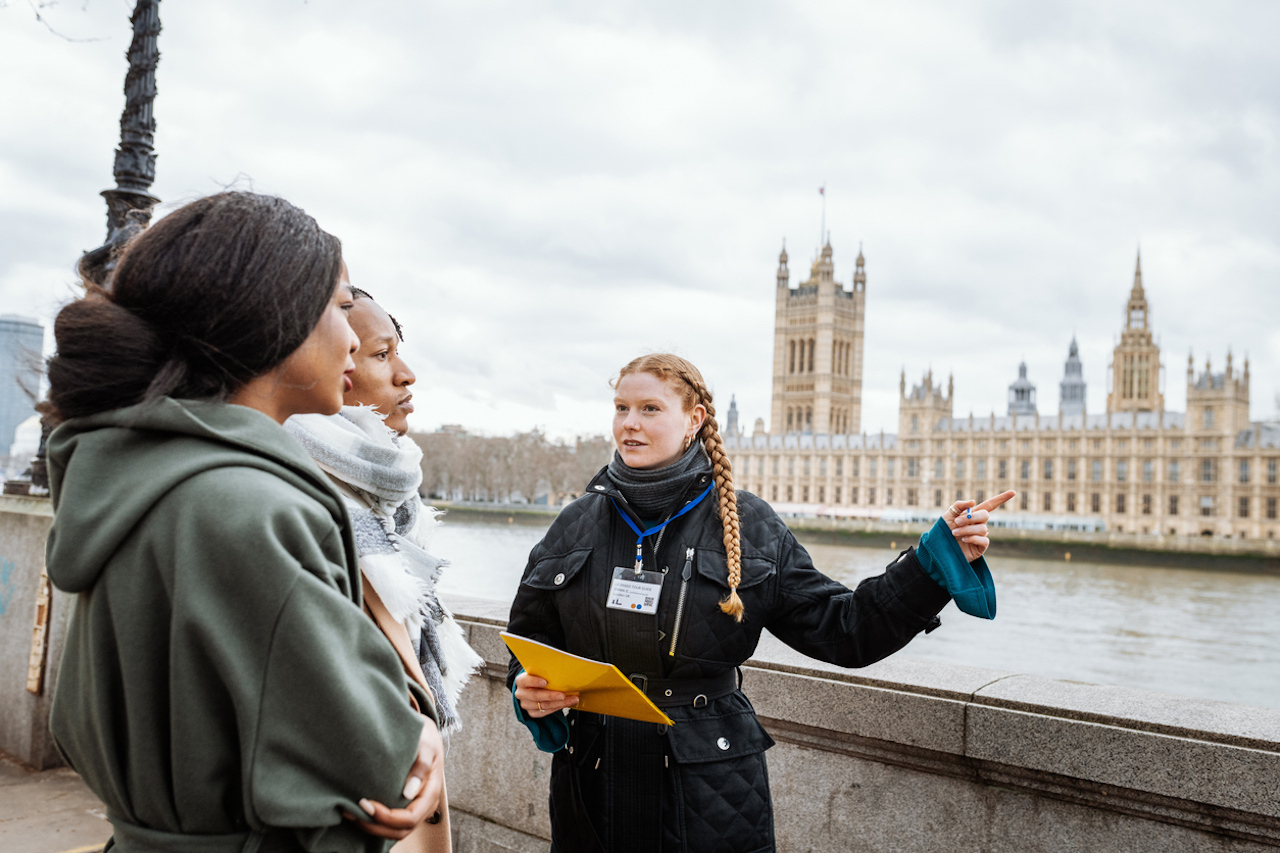
Private tours with a local guide, at your own pace.
London
London
London
London
London
London
London
London
London
We use a single cookie, to remember this choice. We do not use analytics or advertising cookies. Read our cookie policy.