3 hrs
Rome
Rome Private Family Walking Tour with Games for Kids
✓ Free cancellation Kids friendly
4.7(32 reviews)
From €177/ person
Book Now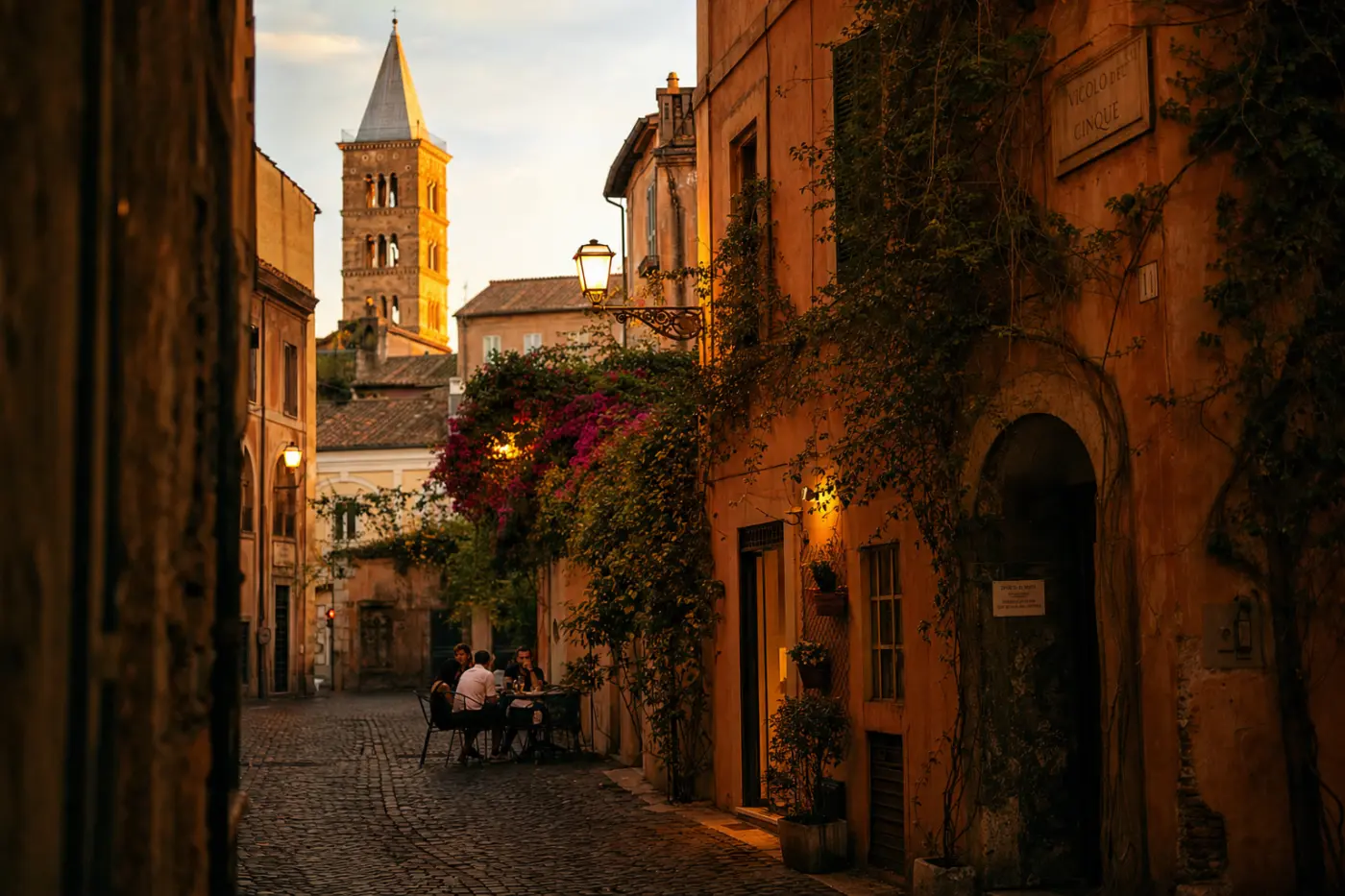
Tourist attraction
Trastevere — its name derived from the Latin trans Tiberim, meaning "across the Tiber" — occupies the west bank of the Tiber River in Rome's rione XIII, and has been continuously inhabited for over 2,500 years. Its earliest settlers were Etruscans, followed by waves of eastern Mediterranean merchants, Syrian traders, and Jewish communities who arrived during the height of the Roman Empire. By the 1st century AD, the neighborhood was a dense, polyglot working-class district of fishermen, tanners, and artisans — a character it stubbornly retained through the medieval period and well into the 20th century. Augustus incorporated it as one of Rome's 14 administrative regions in 7 BC, yet Trastevere always retained a defiant identity apart from the imperial city across the river.
The neighborhood's spiritual and architectural heart is the Basilica of Santa Maria in Trastevere, one of the oldest churches in Rome. Founded in the 3rd century AD — tradition holds it was built on the site where a miraculous fountain of oil sprang from the earth on the day of Christ's birth — the basilica was substantially rebuilt by Pope Innocent II between 1138 and 1148. Its 12th-century apse mosaics, depicting the Virgin enthroned alongside Christ, are among the finest examples of Byzantine-influenced medieval art in all of Italy. The church's octagonal fountain in the piazza in front of it, rebuilt in its current form in 1692 by Carlo Fontana, has served as Trastevere's social gathering point for centuries. A short walk away, the Basilica of Santa Cecilia in Trastevere (consecrated 822 AD) contains Pietro Cavallini's breathtaking fresco of the Last Judgment (c. 1293), considered a forerunner of Giotto's revolutionary naturalism.
Walking through Trastevere today means navigating a labyrinth of ochre and terracotta-plastered buildings draped in ivy and bougainvillea, their facades hiding ancient Roman-era foundations. Piazza di Santa Maria in Trastevere buzzes from morning espresso to late-night aperitivo, surrounded by trattorias serving cacio e pepe and coda alla vaccinara — dishes rooted in the neighborhood's cucina povera tradition. The covered Porta Portese flea market, held every Sunday since 1945 along the old city walls, draws thousands of Romans hunting for vintage clothing, antique furniture, and obscure vinyl. The neighborhood also produced Rome's most beloved dialect poet, Carlo Alberto Salustri, known as Trilussa (1871–1950), whose statue stands at Piazza Trilussa.
Trastevere is best explored on foot in the early morning before tour groups arrive, or after 9 PM when the lanes fill with locals. Wear comfortable shoes — the basalt cobblestones (sampietrini) are uneven underfoot. The neighborhood is easily reached from the city center via tram line 8 from Largo di Torre Argentina, or on foot across the Ponte Sisto bridge. Most restaurants are concentrated around Piazza di Santa Maria in Trastevere and Via della Lungaretta; for a quieter, more residential experience, head south toward the Aventine slope near Porta Portese. Avoid peak summer midday heat by scheduling basilica visits in late afternoon, when the mosaic gold catches the western light magnificently.
Private tours with a local guide, at your own pace.
Rome
Rome
Rome
Rome

Rome
Rome
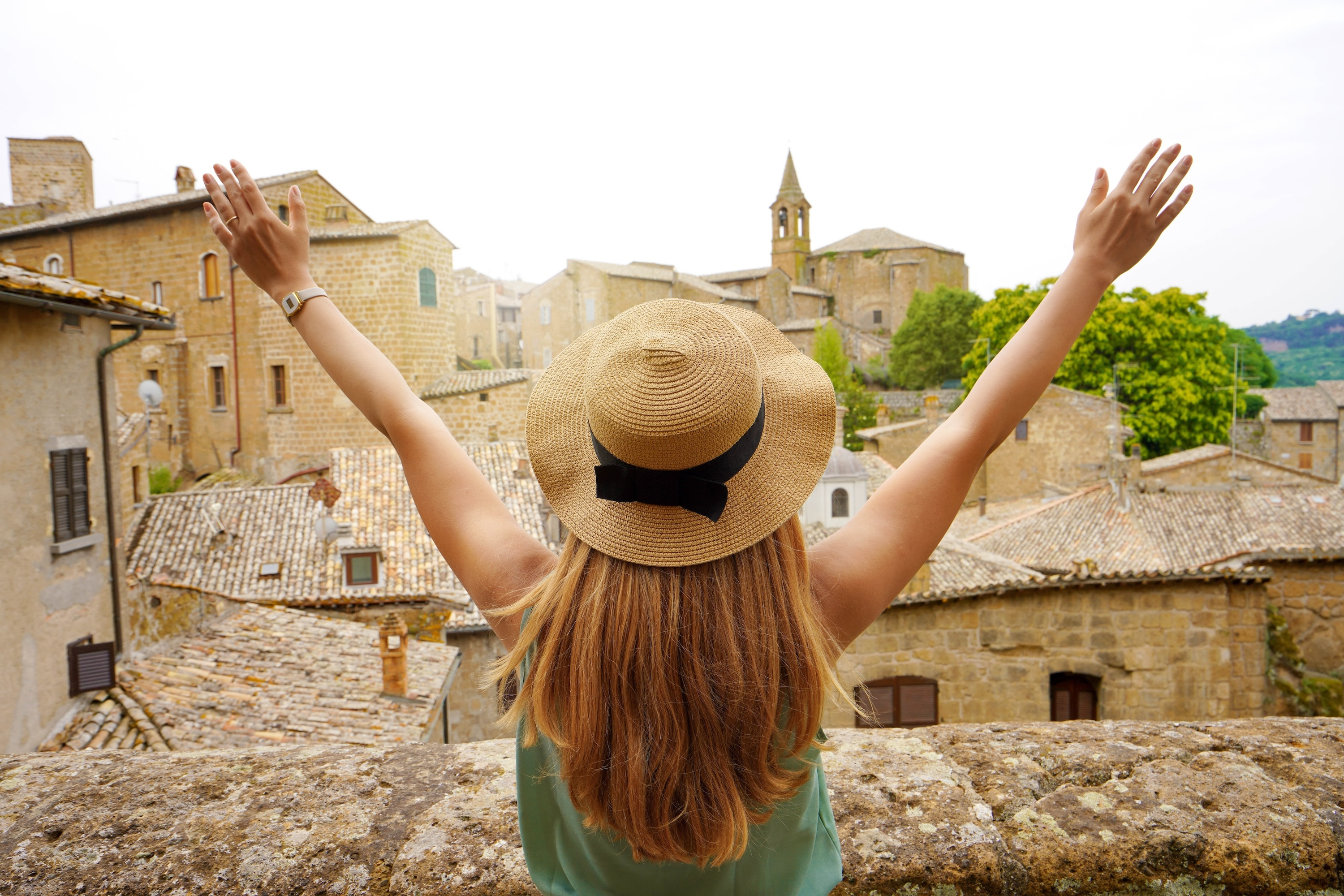
Rome
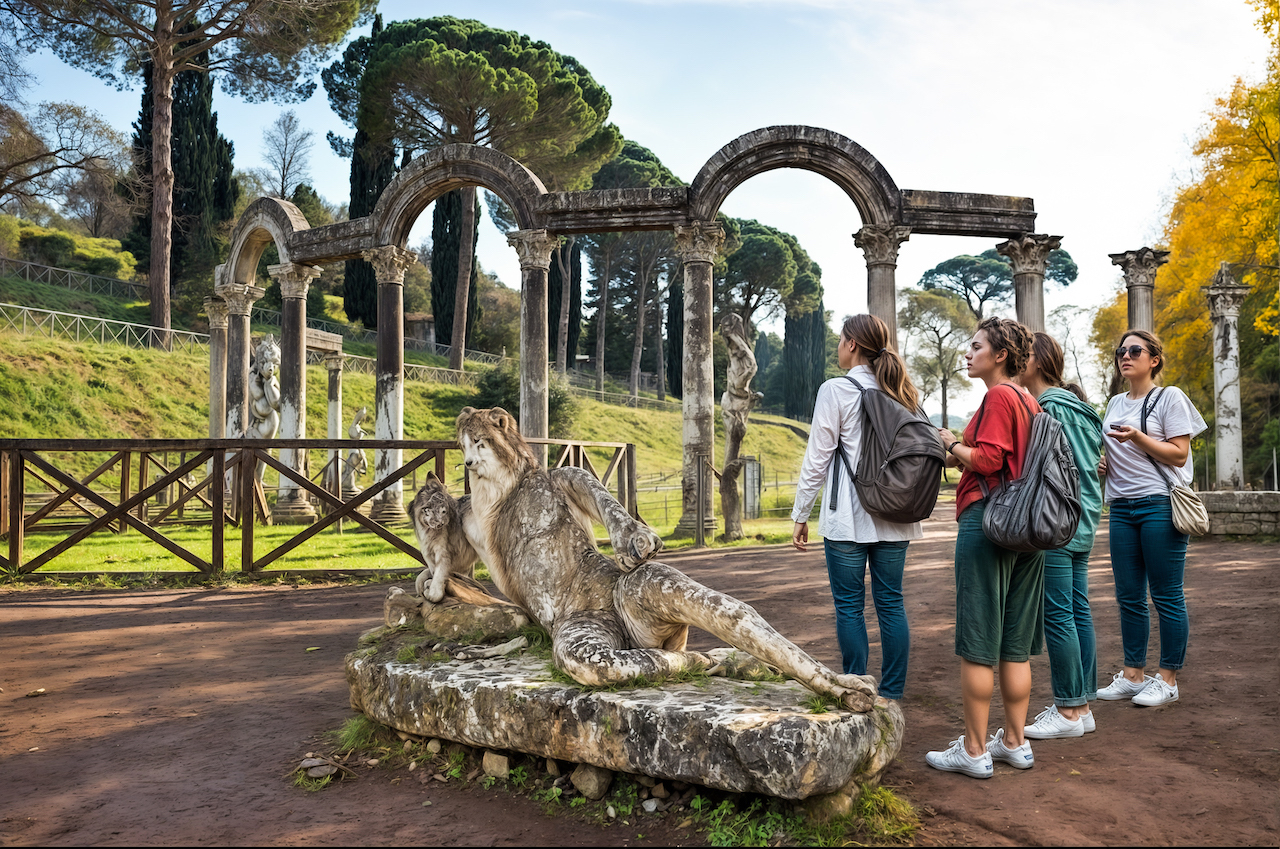
Rome
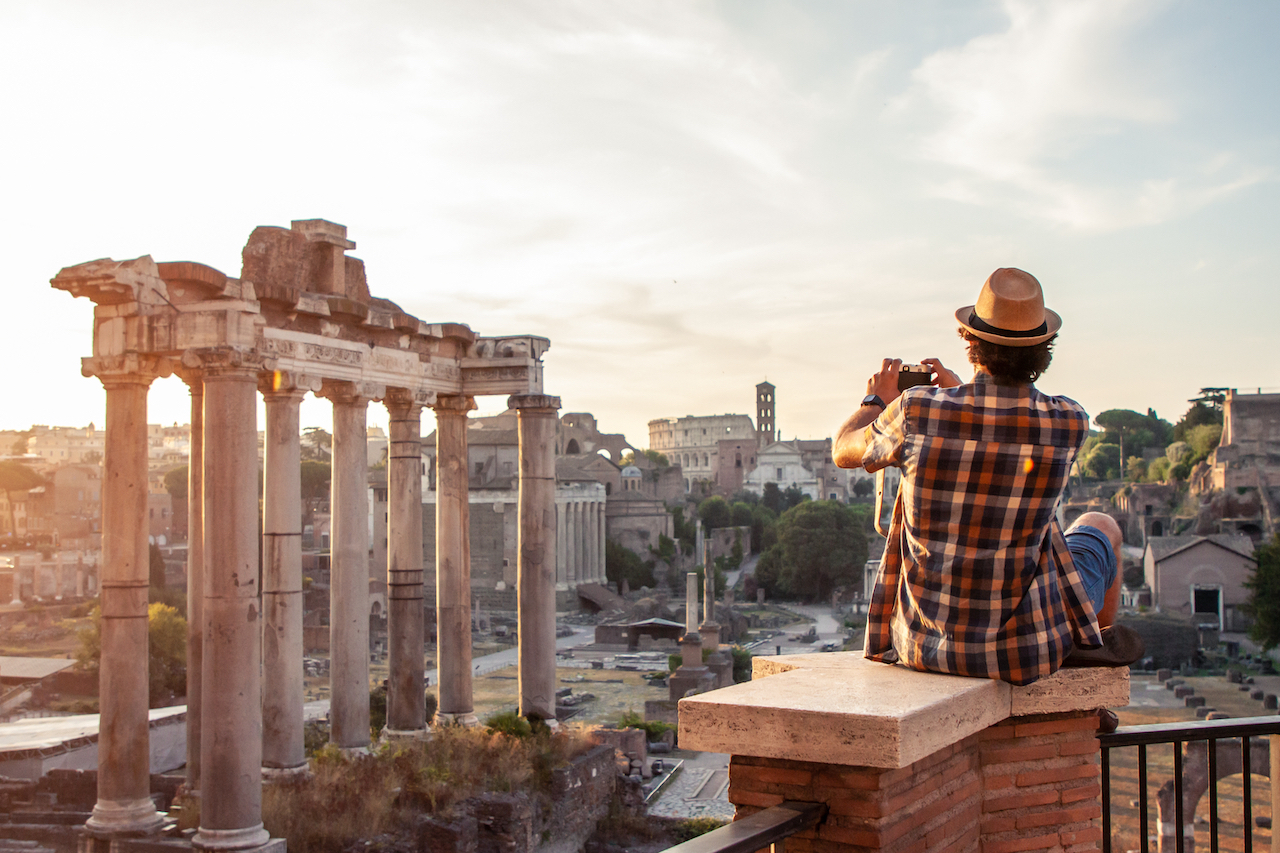
Rome

Rome
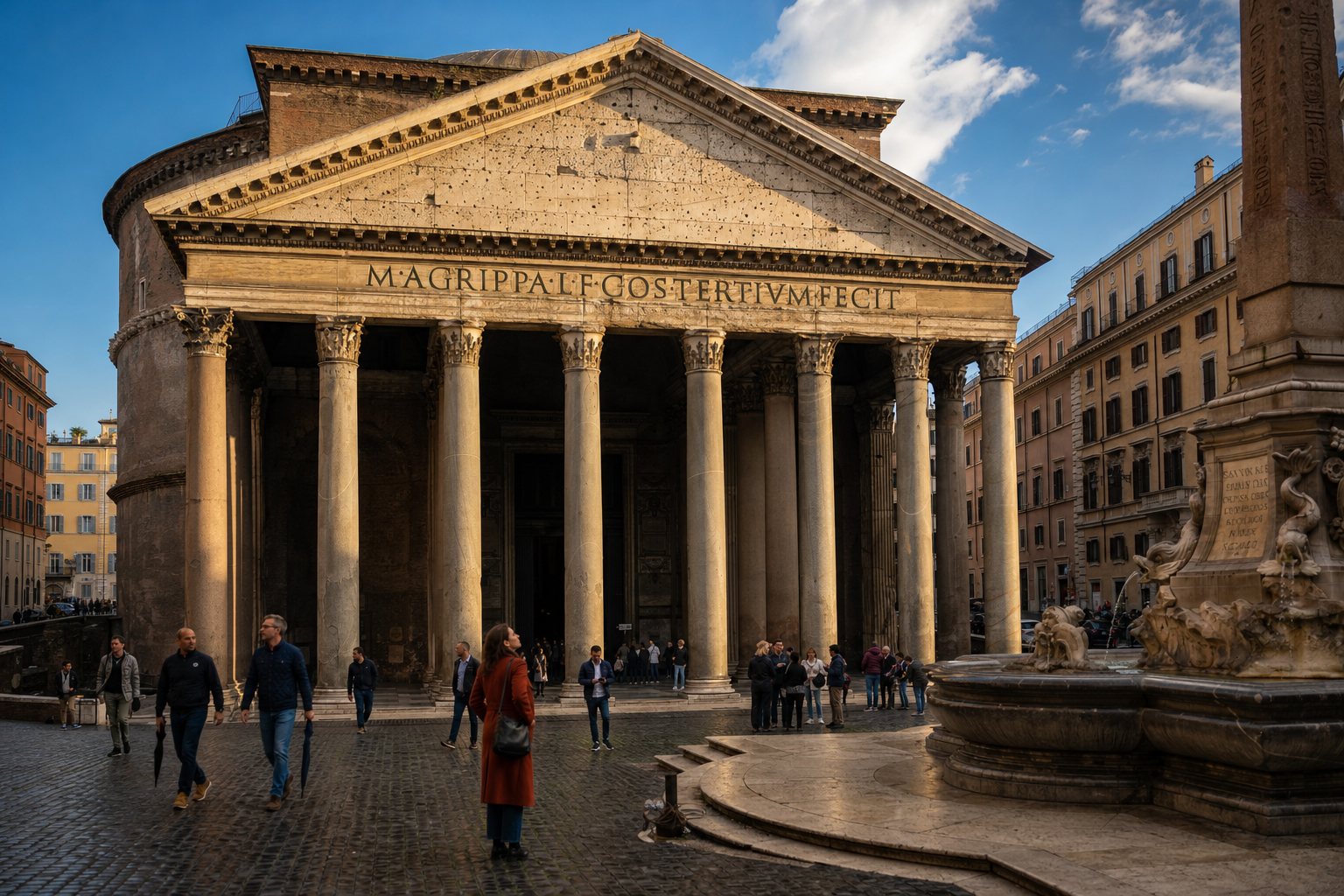
On the afternoon of 2 November 1950, Rome received 108mm of rain in a single day — one of the heaviest downpours in the city's recorded history. Locals ducked into trattorias, lingered over lunch, and emerged hours later to find the Sampietrini cobblestones of the historic center gleaming like polished obsidian. Here's the thing no travel guide tells you: rain doesn't ruin Rome. It transforms it. The same city that feels exhausting under July heat — queues snaking past the Trevi Fountain, tour groups stacked three-deep at the Pantheon — becomes something quieter, moodier, and far more liveable when clouds roll in off the Tyrrhenian Sea. Rome averages around 800mm of rainfall per year, with October, November, and February forming the wettest windows. That means millions of visitors each year encounter rain, yet most arrive with no plan beyond panic. This guide is that plan.
Read more →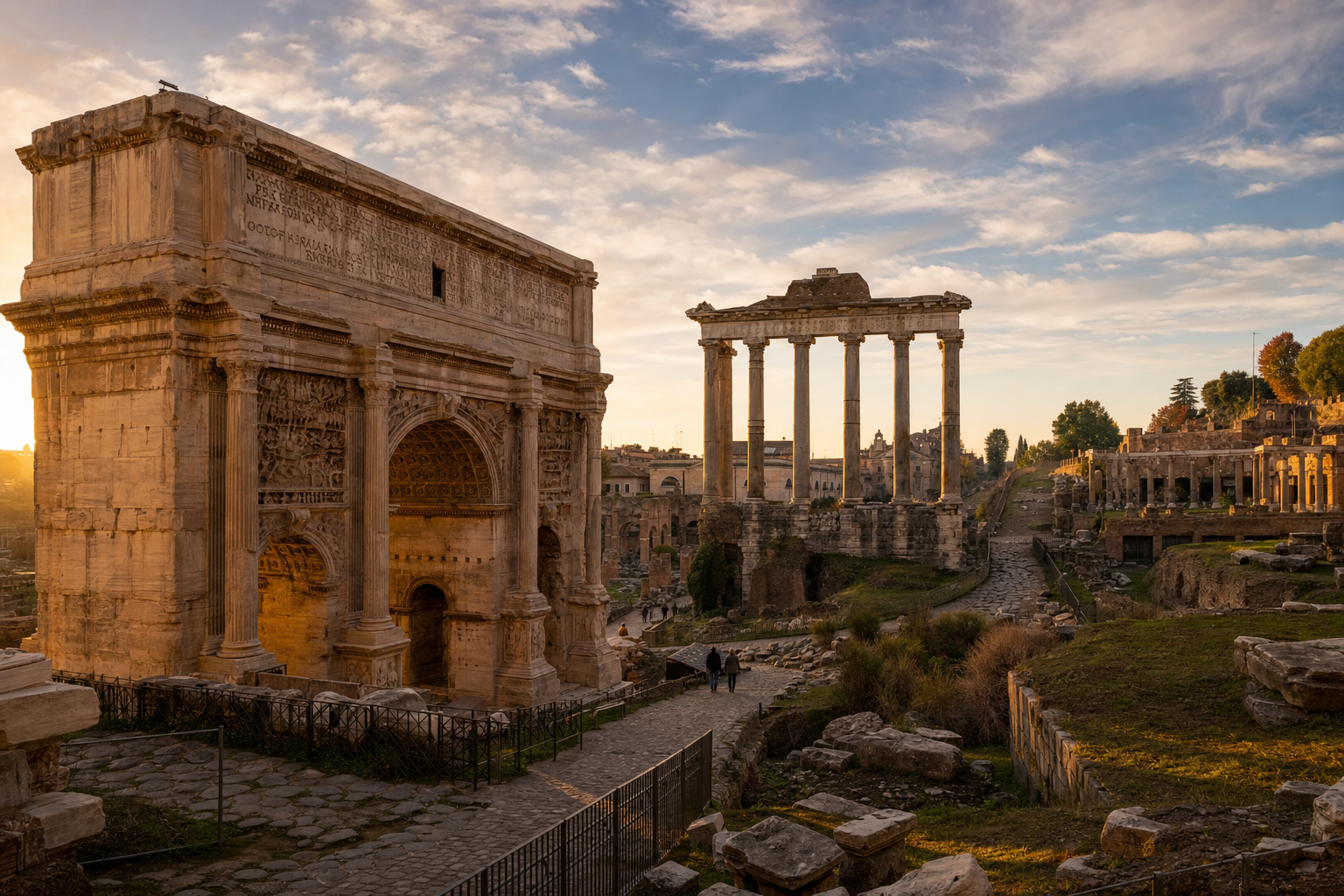
Rome was not built in a day — and it cannot be truly experienced in one either. Founded, according to tradition, on 21 April 753 BC, the city has been welcoming visitors for over two millennia, yet the question of when to go remains as contested as the Senate floor once was. Average annual tourist arrivals at the Colosseum alone exceed 7 million, meaning timing your visit is not a minor detail — it is everything. July temperatures regularly breach 35°C on the cobblestones of the Roman Forum, while a wet November morning at the Fontana di Trevi can feel like a private audience with Anita Ekberg's ghost. Each month carries its own character, crowd density, price point, and light quality. This guide cuts through the noise with specific facts, seasonal realities, and honest advice drawn from years of walking Rome's streets — so you arrive at exactly the right moment for the trip you actually want.
Read more →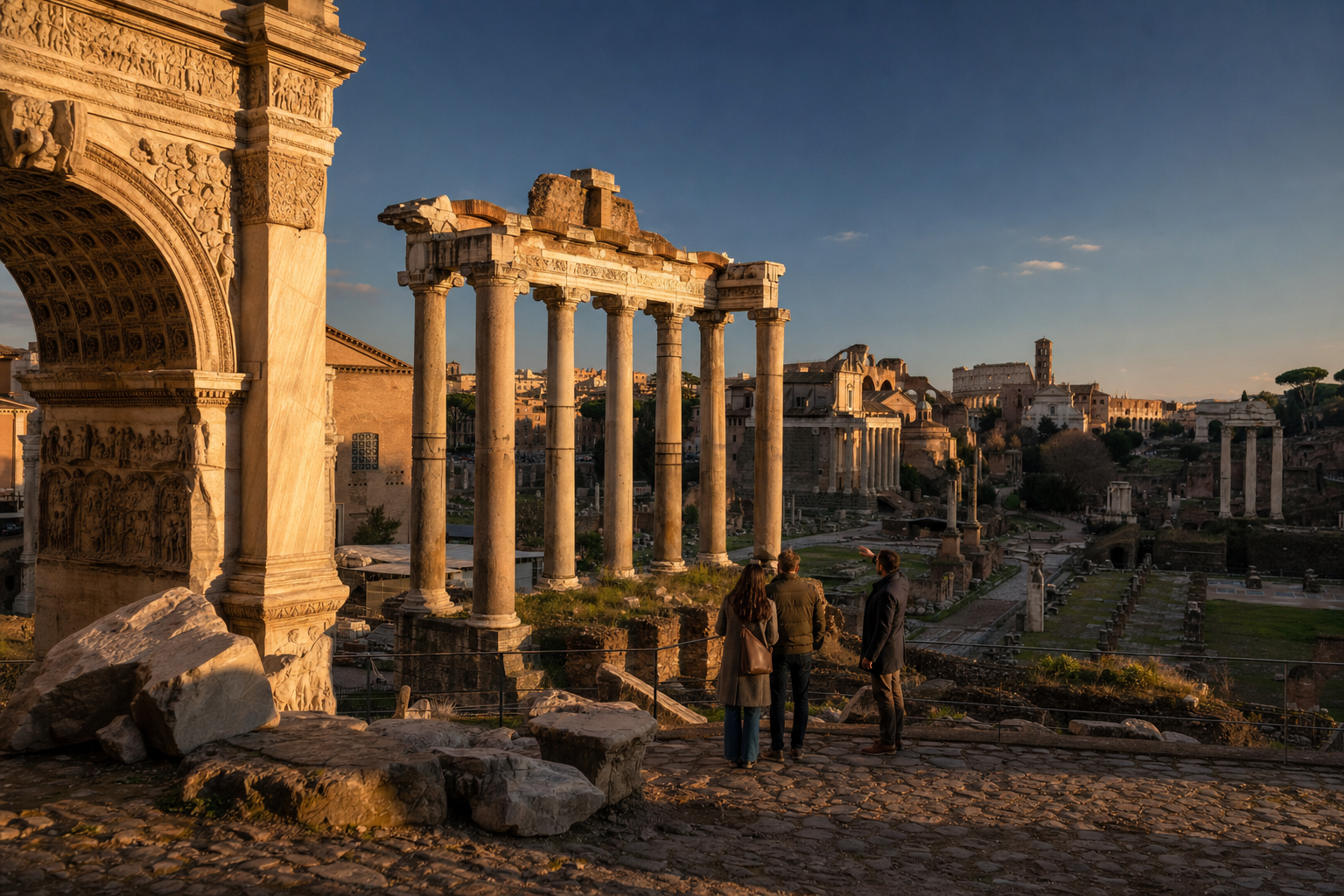
In 27 BC, Augustus Caesar famously boasted that he had found Rome a city of brick and left it a city of marble. What he didn't mention was that the city already contained several hundred years of Republican-era stone beneath his feet — and that future emperors, popes, and Renaissance architects would keep adding layers on top for the next two millennia. Today, Rome packs more than 2,000 years of continuous civilisation into 1,287 km², making it arguably the most historically dense urban environment on Earth. That density is precisely the problem with seeing it quickly, on a coach, in a crowd of strangers following a flag on a stick. Every piazza hides a deeper story. Every church floor covers an older church floor. Private tours in Rome don't just make the experience more comfortable — they make it genuinely comprehensible, turning a blur of ancient stones into a living, breathing city you actually understand.
Read more →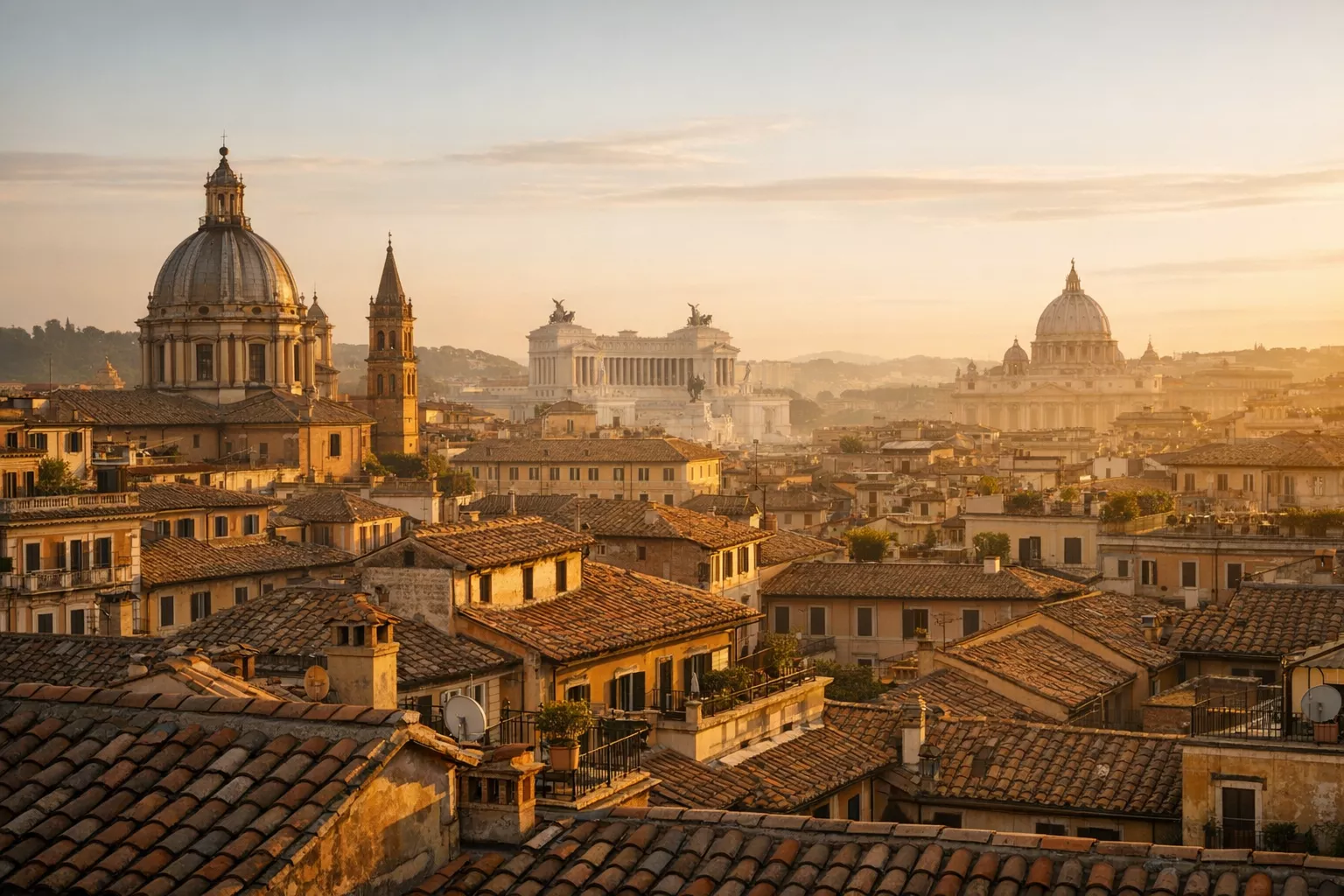
Discover the charm and beauty of Rome with our ultimate guide on what to do in this historic city. From iconic landmarks to hidden gems, we've got you covered with exciting tours and activities.
Read more →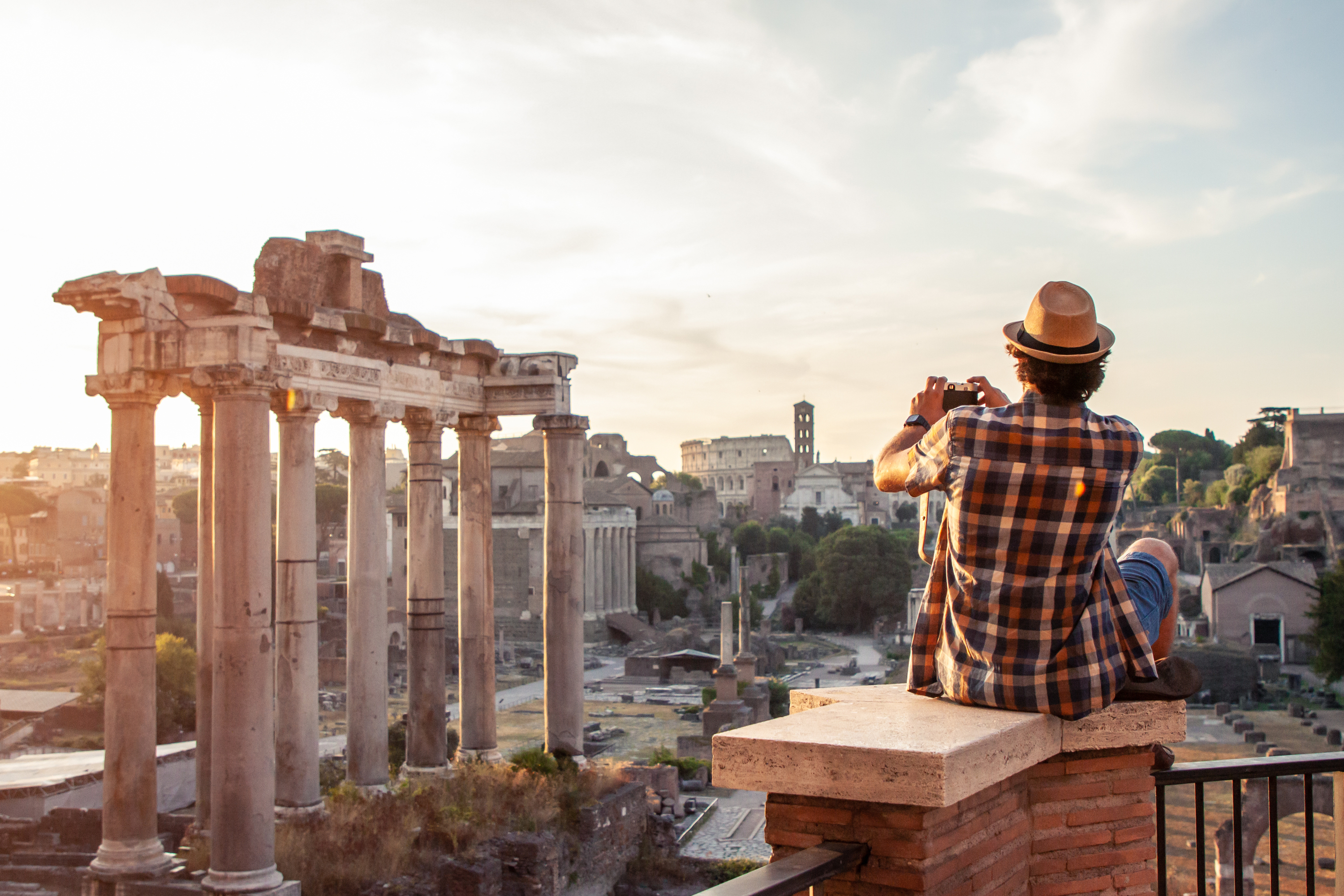
The Forum, the Colosseum and the Palatine are the three great archaeological sites that are preserved in the city of Rome. The concepts of "Forum" (the Roman Forum) or "The Forums" (the Imperial Forums), are difficult to understand what was done in them and how their spaces were organized. What is the difference between the traditional Roman Forum and the so-called Imperial Forums?
Read more →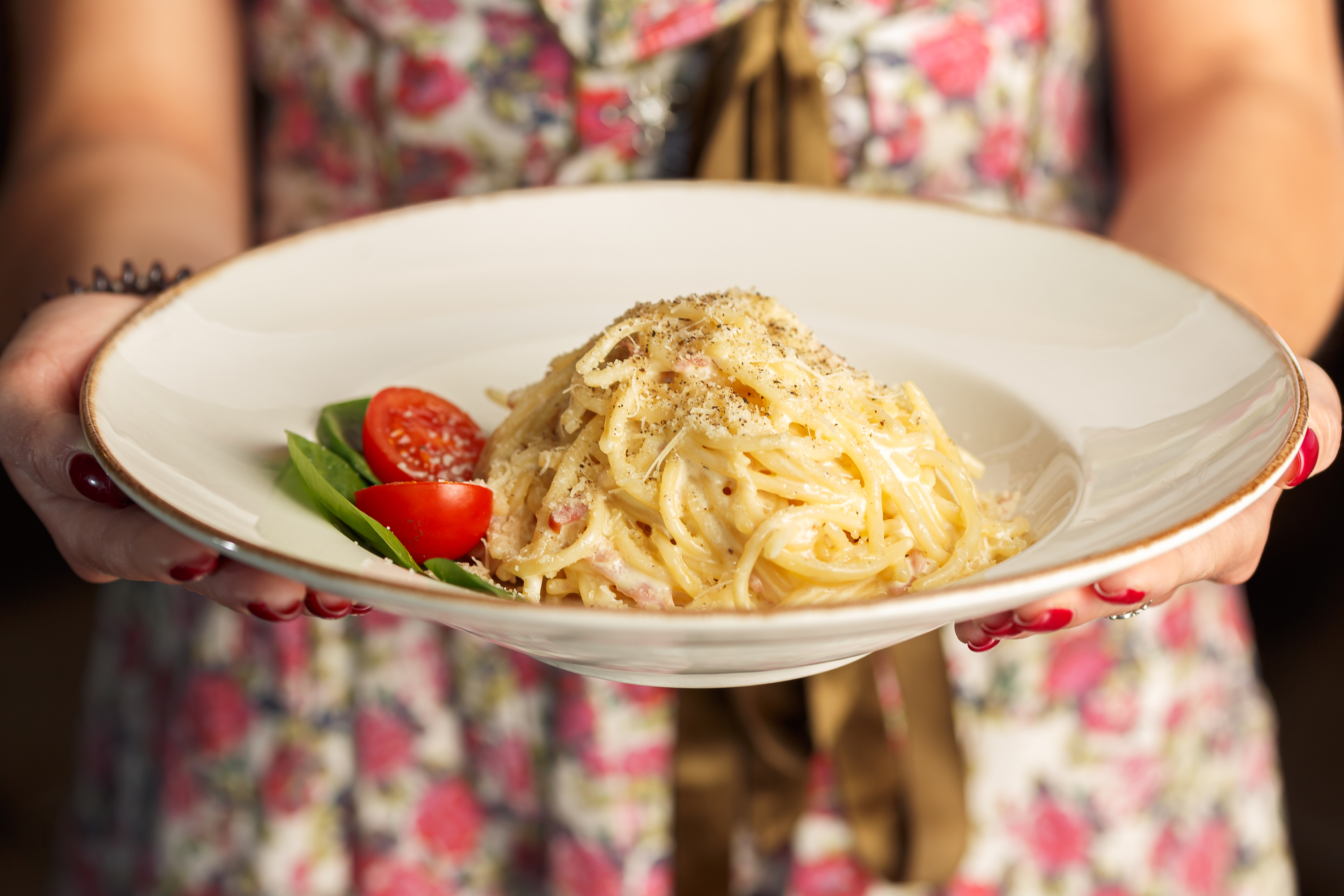
If you travel around Rome, there are dishes that you should not miss for anything in the world. Its typical dishes are very tasty and nutritious as they are very old recipes that have their origin in the villages of the region: they were thought to meet the great energy needs of the peasants. Due to this 'poor' origin, the typical dishes of the Roman cuisine are usually simple, they are made with very daily ingredients and often rich in cholesterol. It is very difficult to make a selection of recommended dishes... but we will give it a try!
Read more →We use a single cookie, to remember this choice. We do not use analytics or advertising cookies. Read our cookie policy.