3 hrs
Rome
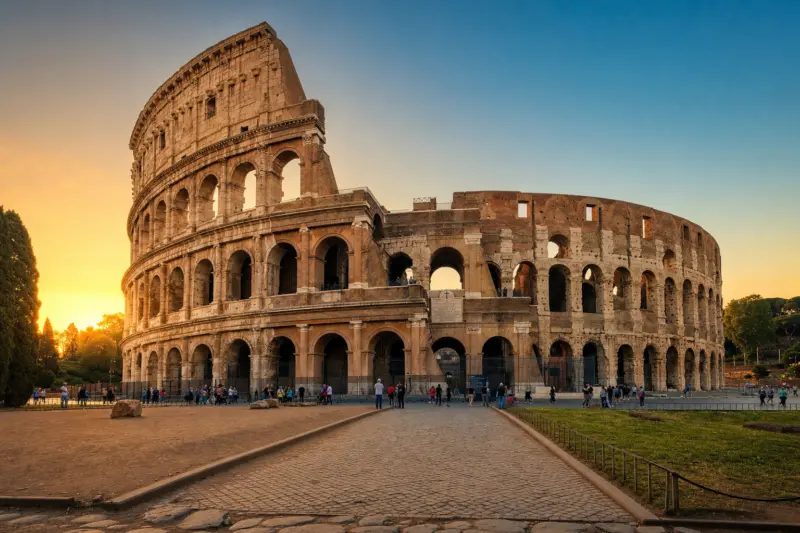
Private Cooking Class with Colosseum Views and Local Chef
✓ Free cancellation Kids friendly
4.7(19 reviews)
From €223/ person
Book Now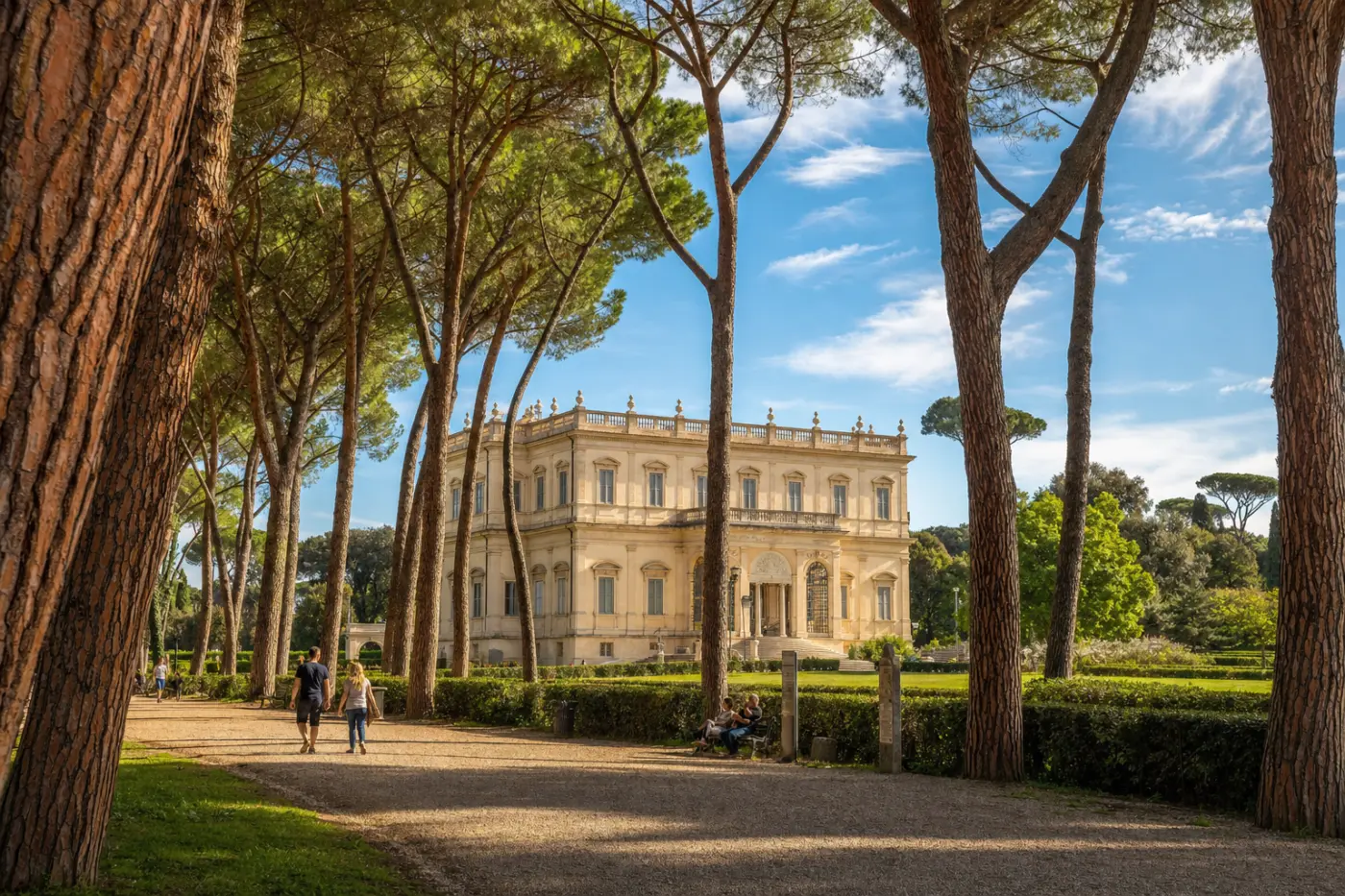
Tourist attraction
Villa Borghese is Rome's third-largest public park, stretching across approximately 80 hectares on the Pincian Hill just north of the historic centre. The estate was commissioned in the early 17th century by Cardinal Scipione Borghese — nephew of Pope Paul V and one of the most voracious art collectors of his era. Construction of the grounds began around 1606 under the direction of the Flemish architect Jan van Santen (known in Italy as Giovanni Vasanzio), who shaped the land into a sprawling giardino all'italiana, complete with geometric parterres, ornamental fountains, and a casino (the villa building) designed to house Scipione's extraordinary collection of antiquities and contemporary paintings. The Borghese family retained private ownership until 1901, when the estate was purchased by the City of Rome and opened to the public.
At its cultural heart stands the Galleria Borghese, the former casino that now ranks among the finest small museums in the world. It contains Gian Lorenzo Bernini's breathtaking marble sculptures — including "Apollo and Daphne" (1622–1625) and "The Rape of Proserpina" (1621–1622) — alongside Caravaggio's "Boy with a Basket of Fruit" (c. 1593) and Raphael's "Deposition" (1507). The gallery operates on a strict timed-entry system with a maximum of 360 visitors per two-hour session, so advance booking is not optional — it is essential. Beyond the gallery, the park contains the Bioparco di Roma (established 1911), the Museo Nazionale Etrusco di Villa Giulia, the Teatro Romano open-air stage, and the Tempio di Esculapio, an 18th-century Neoclassical temple set on an artificial island in the park's central lake.
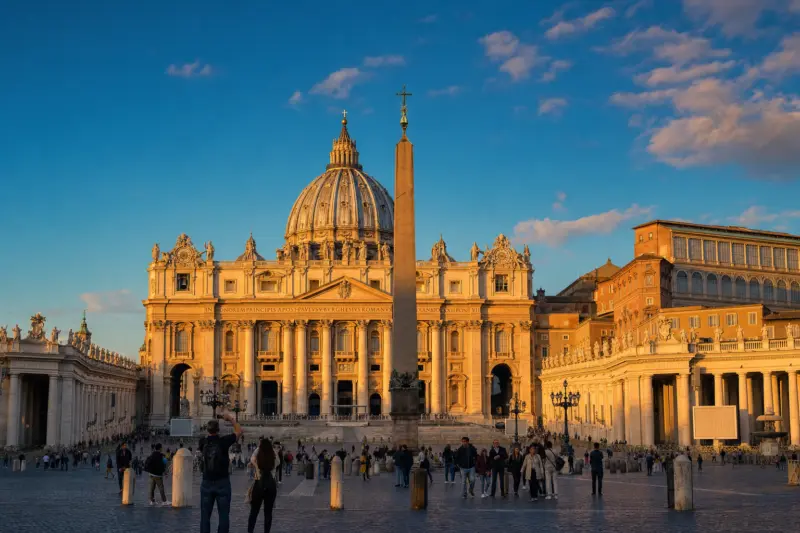
Visitors can navigate the park on foot, by rental bicycle, or aboard the small electric golf carts available near the main entrances. The Pincio Terrace, at the park's southwestern edge, offers one of Rome's most celebrated viewpoints — a sweeping panorama across the rooftops to St. Peter's dome that Napoleon's urban planner Giuseppe Valadier framed deliberately when redesigning the terrace between 1811 and 1814. The shaded avenues of stone pines (Pinus pinea) and umbrella-shaped canopies that define the park's visual character were largely established during that same Napoleonic-era reorganisation, which shifted the layout from strict Italian formalism toward the English landscape style then fashionable across Europe.
Entry to the park itself is free and it is open daily from dawn to dusk. The main pedestrian entrances are at Porta Pinciana (accessible from Via Veneto) and at Piazzale Flaminio (reachable via Metro Line A, Flaminio station). Wear comfortable shoes — crossing the full park from south to north takes a solid 25–30 minutes at a walking pace. Visit on a weekday morning to avoid the weekend crowds of Roman families who claim the lawns and pedal-boat lake with great enthusiasm from late morning onward.
Private tours with a local guide, at your own pace.
Rome
Rome
Rome
Rome

Rome
Rome
Rome
Rome