6 hrs
Barcelona
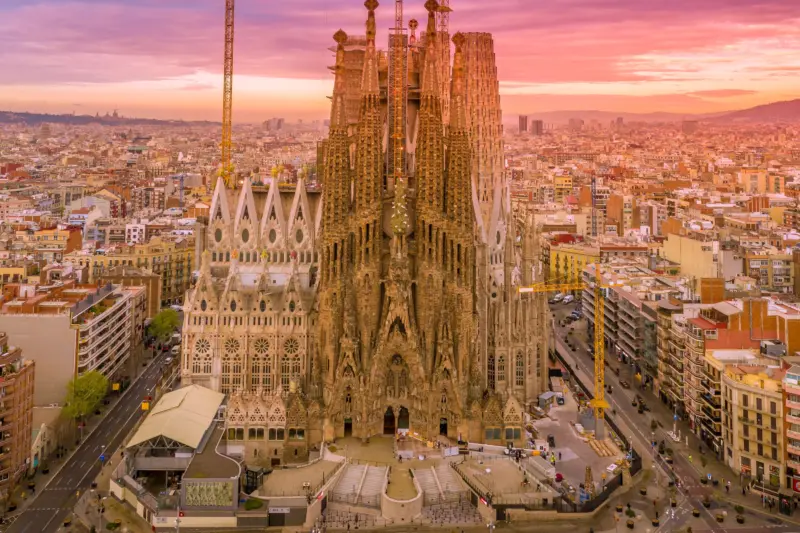
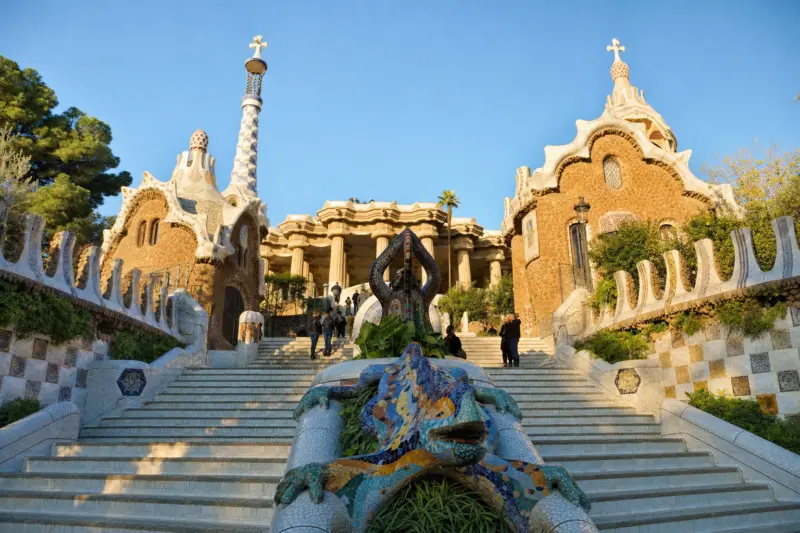
Barcelona: Sagrada Familia Private Tour, Park Guell & Tapas
✓ Free cancellation Kids friendly
4.8(957 reviews)
From €354/ person
Book Now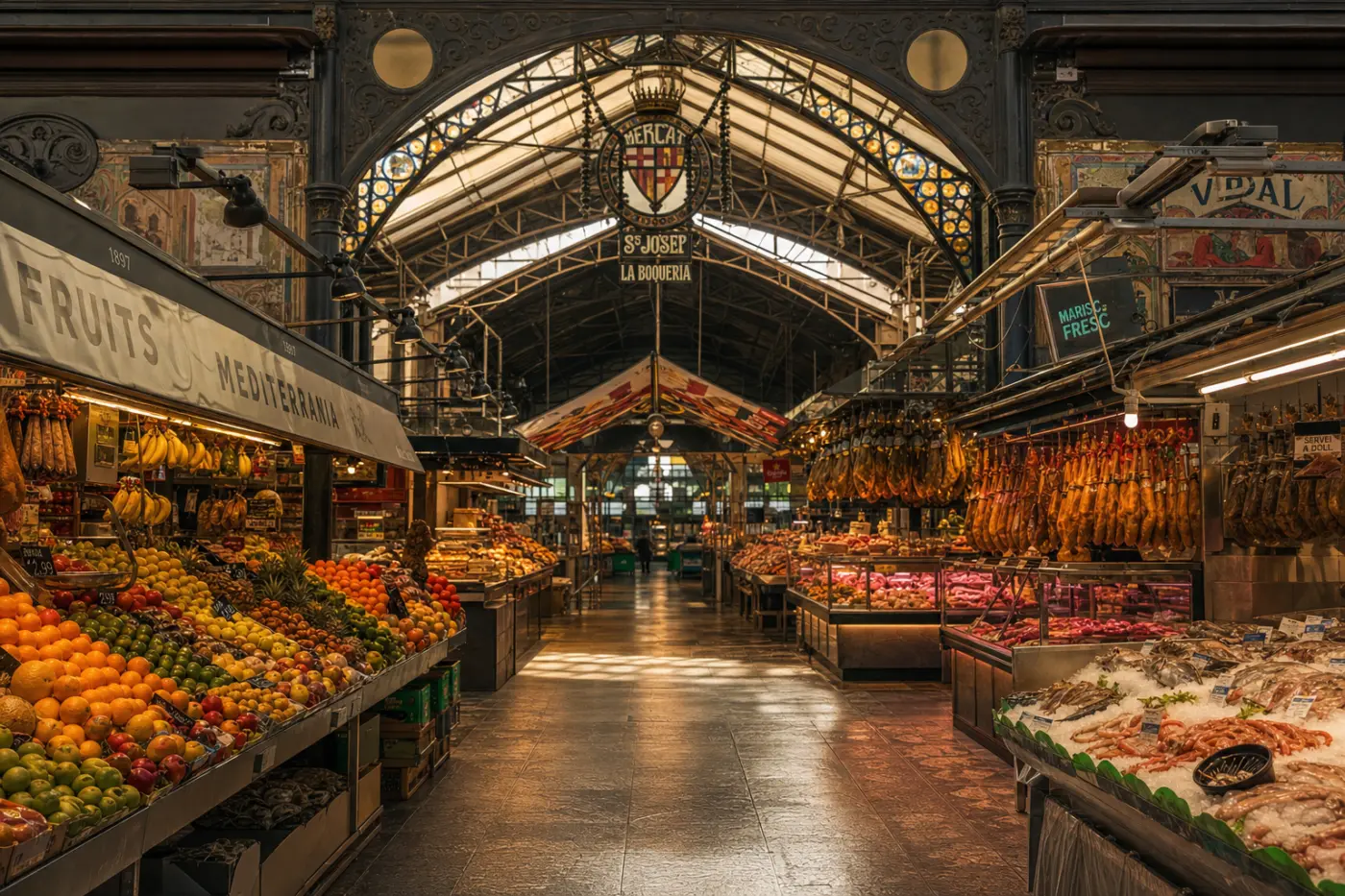
Tourist attraction
Mercat de Sant Josep de la Boqueria — universally known as La Boqueria — is Barcelona's oldest and most celebrated public market, occupying a vast iron-framed hall on La Rambla, the city's central promenade, at number 91. Its origins trace to 1217, when the first written documents record open-air meat stalls on the Pla de la Boqueria, a square just outside the medieval city walls where farmers from surrounding villages set up temporary tables to sell produce. For six centuries the market remained an informal, shifting outdoor affair, migrating between different stretches of La Rambla and the gardens of the Convent of St. Joseph as city authorities alternately tolerated and displaced it. A defining moment came in 1802, when the visit of King Carlos IV prompted the relocation of the stalls — for purely aesthetic reasons — to the convent grounds, inadvertently setting the stage for the permanent market to come.
The market's modern chapter began in 1835, when the Convent of St. Joseph was demolished during the anticlerical riots of the Mendizábal confiscations. The cleared land was immediately claimed for a formal public market, and on 19 March 1840, Queen Isabella II officially inaugurated the Mercat de Sant Josep. The iconic wrought-iron and glass entrance arch — one of the earliest examples of cast-iron architecture in Catalonia — was erected in 1914, designed in the Modernista tradition that was then reshaping Barcelona's civic buildings. By 1927, the market had been officially expanded and restructured to accommodate approximately 200 permanent stalls, regularising a commercial ecosystem that had operated informally for seven centuries. In 2005, the market underwent a significant infrastructural renovation to update refrigeration, sanitation, and accessibility while preserving its 19th-century metalwork skeleton.
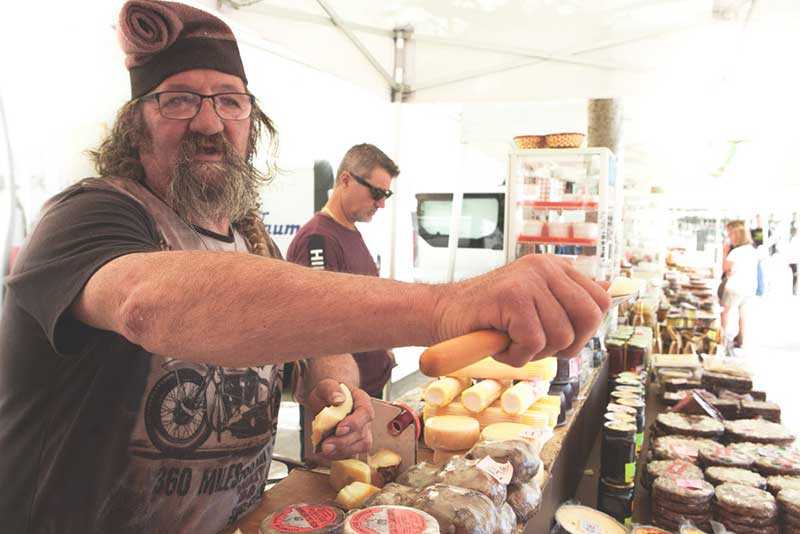
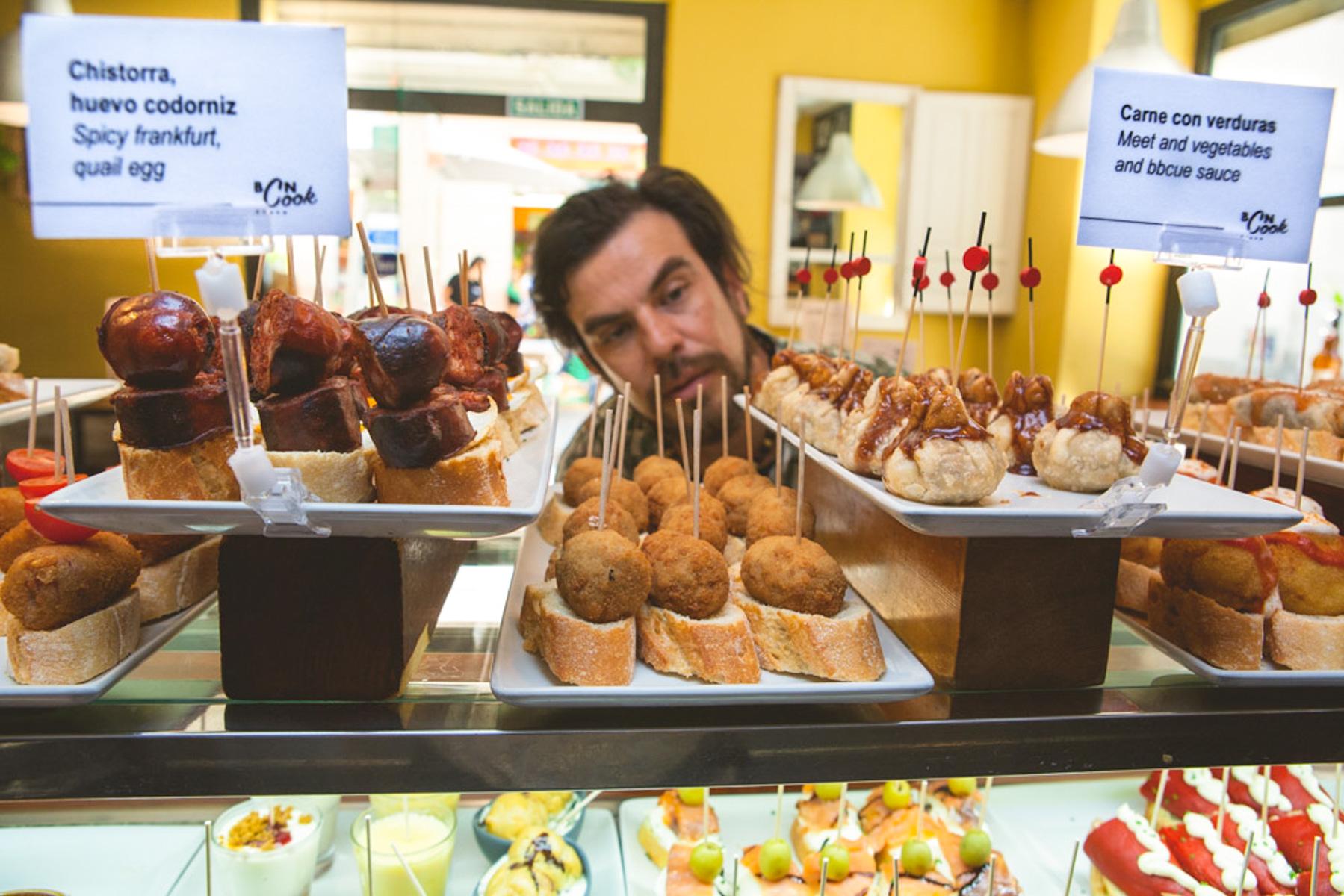
Inside, La Boqueria's roughly 2,583 square metres of floor space are organised into distinct trading zones: the central circular counters are reserved for fresh fruit and freshly squeezed juices; the rear of the hall is dominated by fishmongers displaying Catalan coastal catches — red prawns from Palamós, sea urchins, and razor clams packed on crushed ice; and the flanking aisles host butchers specialising in Iberian cured meats, wild mushrooms, artisan cheeses, and dried legumes. Many stall families have traded here for three or four generations, and the best vendors — including the celebrated Petràs mushroom stall and the Pinotxo Bar, a marble-countered lunch counter open since the 1940s — are institutions in their own right, frequented by professional chefs from across Catalonia as much as by tourists.
Visitors should arrive before 10:00 on weekdays to experience the market at its working best, before tour groups peak mid-morning. The market is open Monday through Saturday from 08:00 to 20:30 and does not open on Sundays. The nearest metro station is Liceu on Line 3 (green line), a 90-second walk. Be aware that in recent years Barcelona's city council has restricted the proportion of stalls permitted to sell ready-to-eat tourist snacks — a deliberate policy to preserve La Boqueria's identity as a functioning neighbourhood market rather than a food theme park. Buying ingredients, not just smoothies, is the best way to engage honestly with one of Europe's great market traditions.
Private tours with a local guide, at your own pace.
Barcelona
Barcelona
Barcelona
Barcelona
Barcelona
Barcelona
Barcelona
Barcelona
Barcelona
Barcelona
Barcelona
Barcelona
Barcelona
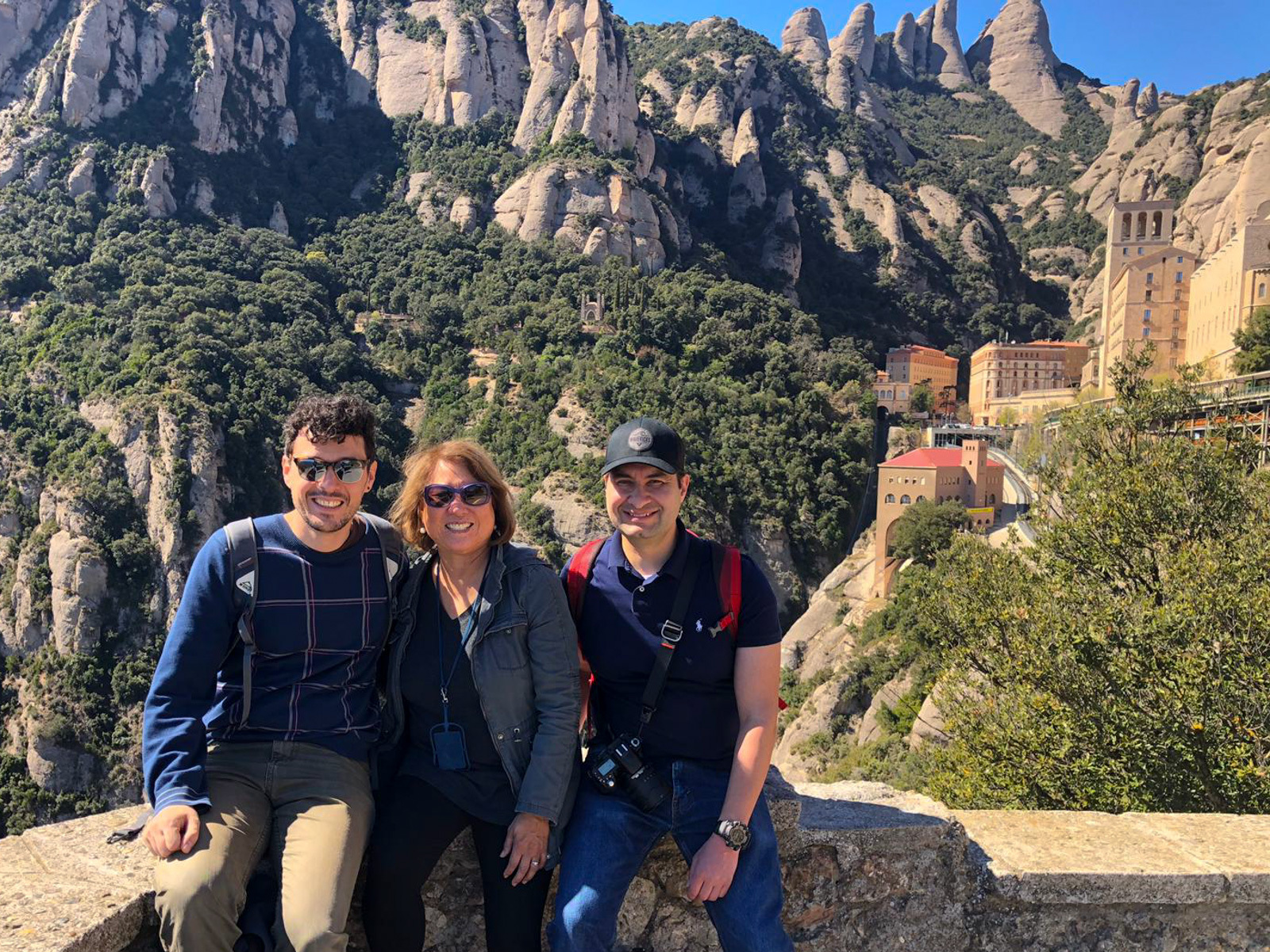
Barcelona
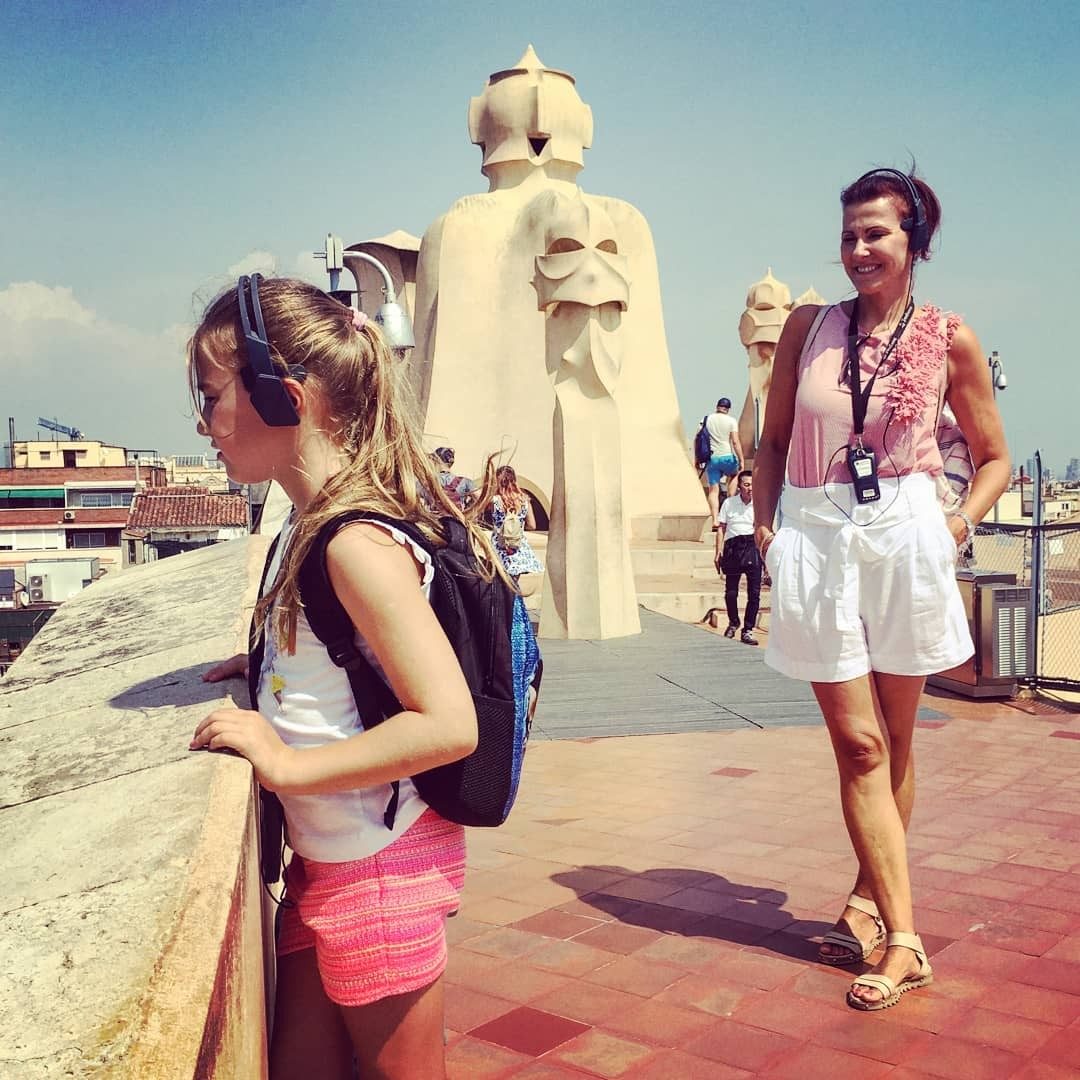
Barcelona
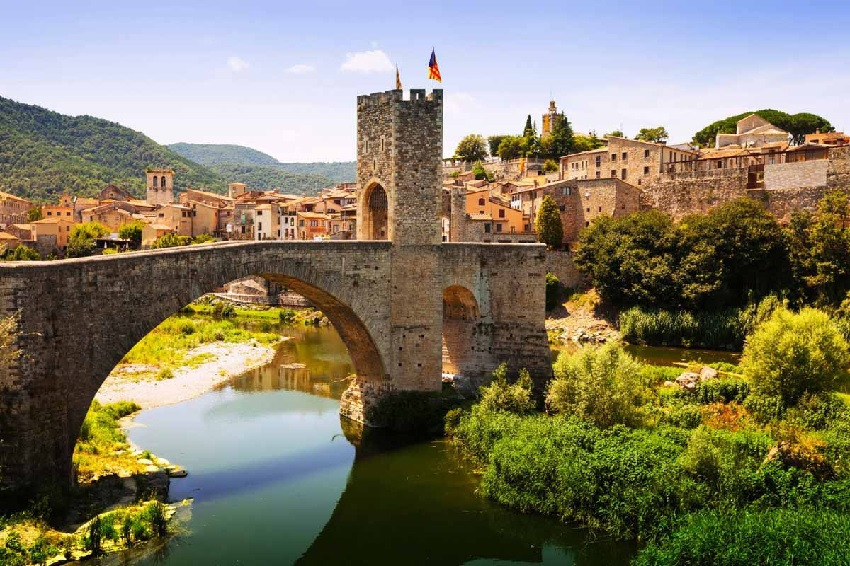
Barcelona
We use a single cookie, to remember this choice. We do not use analytics or advertising cookies. Read our cookie policy.