3 to 4 hrs
London
Highlights & Secrets of London Private Tour - Camden Town, Downtown & Markets
✓ Free cancellation Kids friendly
4.9(20 reviews)
From €267/ person
Book Now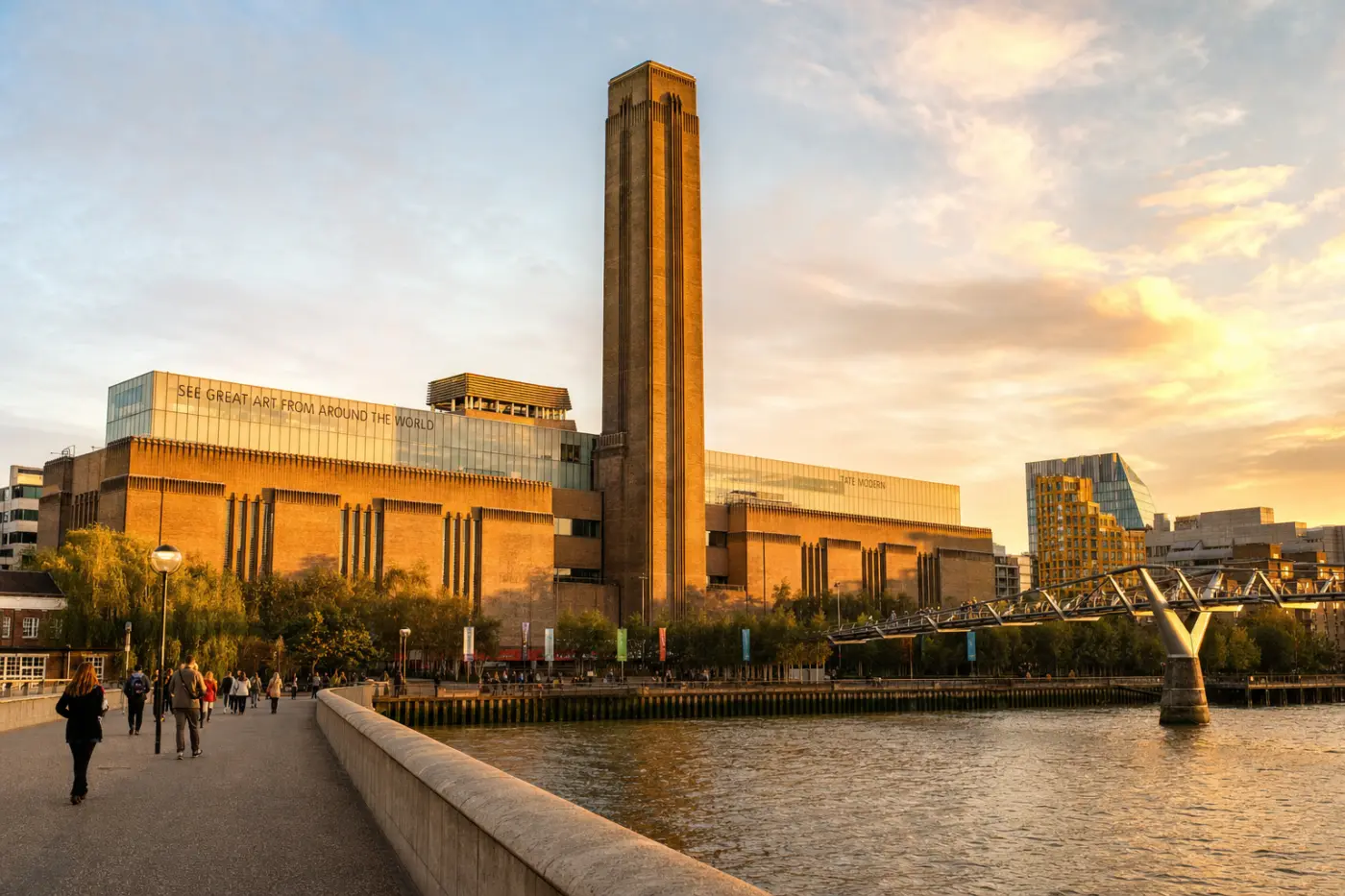
Tourist attraction
Tate Modern occupies the hulking brick frame of the former Bankside Power Station, a building designed by Sir Giles Gilbert Scott — the same architect behind the iconic red telephone box — and built in two phases between 1947 and 1963. When the station was decommissioned in 1981 after just two decades of operation, it sat empty on the South Bank for nearly two decades. Swiss architects Herzog & de Meuron won the international competition to convert it in 1994, and their radical decision to preserve the industrial skeleton — the cavernous Turbine Hall, the central chimney stack rising 99 metres — defined the character of the gallery that opened to the public on 11 May 2000. A second building, the pyramid-shaped Switch House (later renamed the Blavatnik Building), was added in 2016, increasing the gallery's exhibition space by 60 percent.
The collection spans art from 1900 to the present day and holds works by Pablo Picasso, Mark Rothko, Salvador Dalí, Louise Bourgeois, and Joseph Beuys, among thousands of others. Rothko's Seagram Murals — a series of dark, brooding canvases the American painter originally intended for the Four Seasons restaurant in New York before withdrawing them in protest — occupy a dedicated room and are considered one of the great hanging experiences in any museum in the world. The gallery draws around 6 million visitors per year, making it the most visited modern art museum in the world and the fourth most visited art museum overall.
The Turbine Hall, measuring 155 metres long and 35 metres high, is the gallery's most theatrical space. Since 2000, it has hosted the annual Unilever Series (later the Hyundai Commission), a programme of site-specific installations by major international artists. Highlights have included Louise Bourgeois's towering steel spider sculpture Maman in 2000, Olafur Eliasson's artificial sun The Weather Project in 2003 — which drew 2.1 million visitors over five months — and Ai Weiwei's Sunflower Seeds in 2010, a field of 100 million hand-crafted porcelain seeds made by 1,600 artisans in Jingdezhen, China.
Admission to the permanent collection is free, though ticketed exhibitions are staged regularly in the upper galleries. The Blavatnik Building's top-floor viewing terrace offers an unobstructed panorama across the Thames toward St Paul's Cathedral — a view that is itself free of charge. The museum is a short walk across the Millennium Bridge from the City of London, or reachable via Southwark or Blackfriars Underground stations. Allow a minimum of two hours; the permanent collection alone spans ten floors and multiple dedicated suites.
Private tours with a local guide, at your own pace.
London
London
London
London
London
London
London

London

London
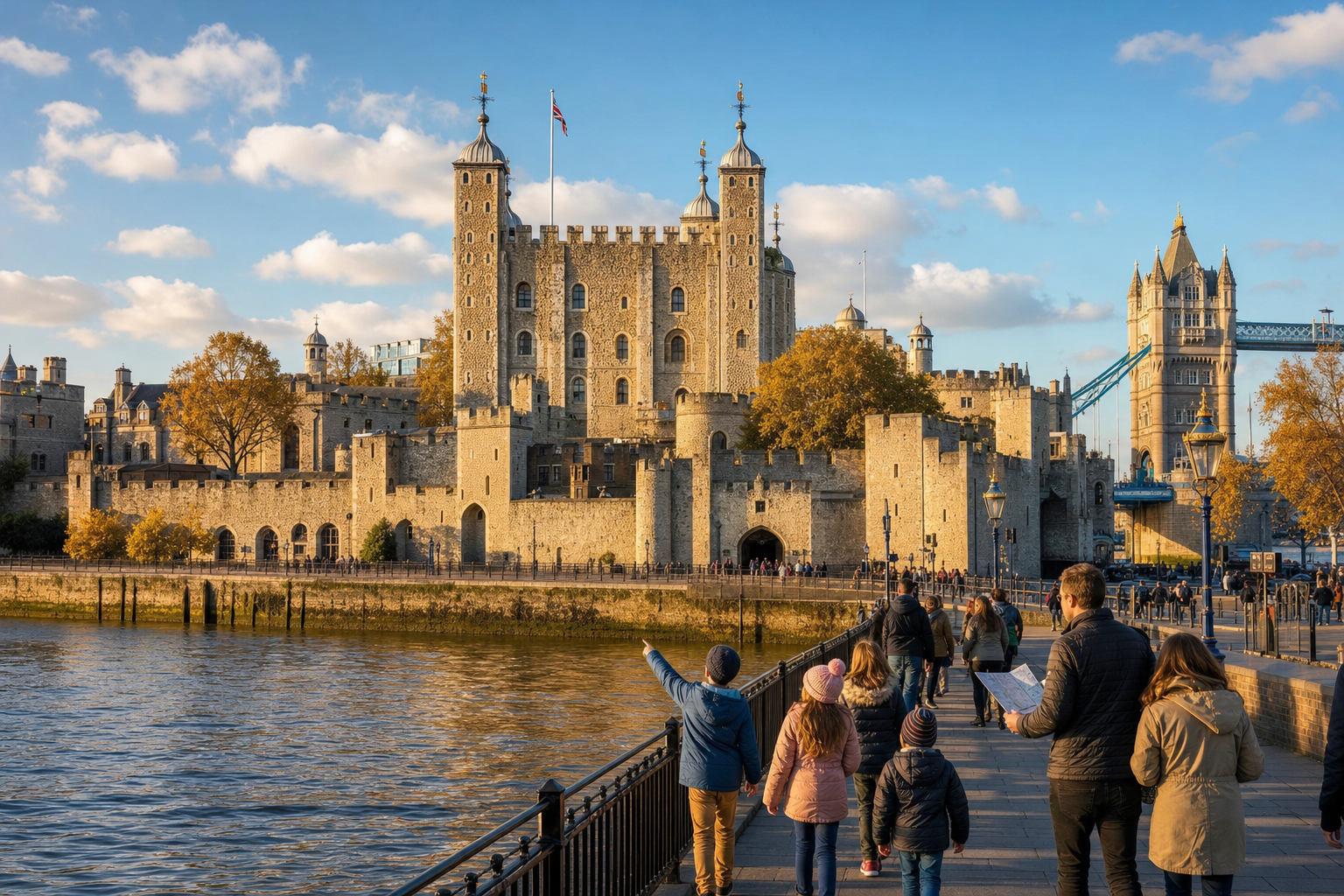
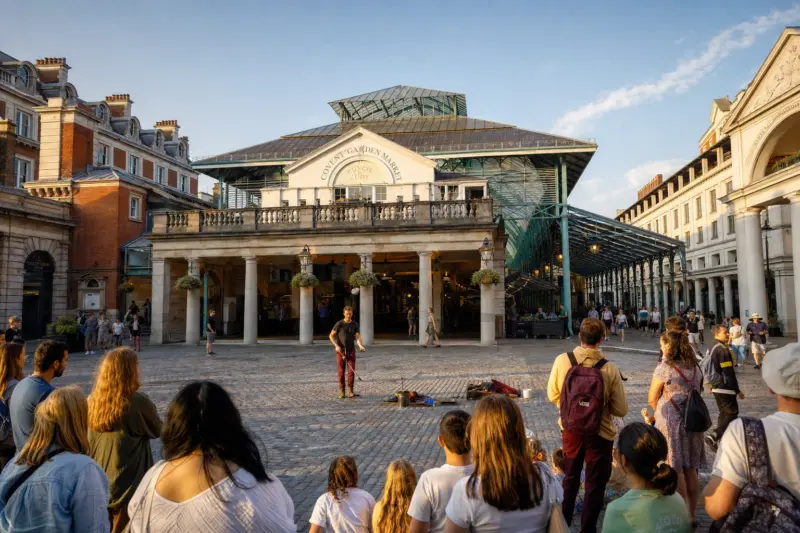
Here is a fact that changes the entire calculus of a London family trip: every child under 11 rides the Tube for free. Pair that with the Natural History Museum, Science Museum, British Museum, and Young V&A — all free to enter — and London stops being the expensive city of parental dread and becomes one of the most extraordinary-value family destinations on earth. The city has been entertaining children since at least 1662, when diarist Samuel Pepys noted watching a puppet show in Covent Garden's piazza — the earliest written record of Punch and Judy in England. That same square is still drawing crowds more than 360 years later. This guide is built around a single, honest itinerary: anchor your day on two world-class free experiences — Covent Garden's street performers and the Natural History Museum — sequence them by walking distance, and calibrate the pace to real child energy levels rather than a tour group's schedule. No inflated expectations, no wasted legs. Just a full, memorable London day.
Read more →
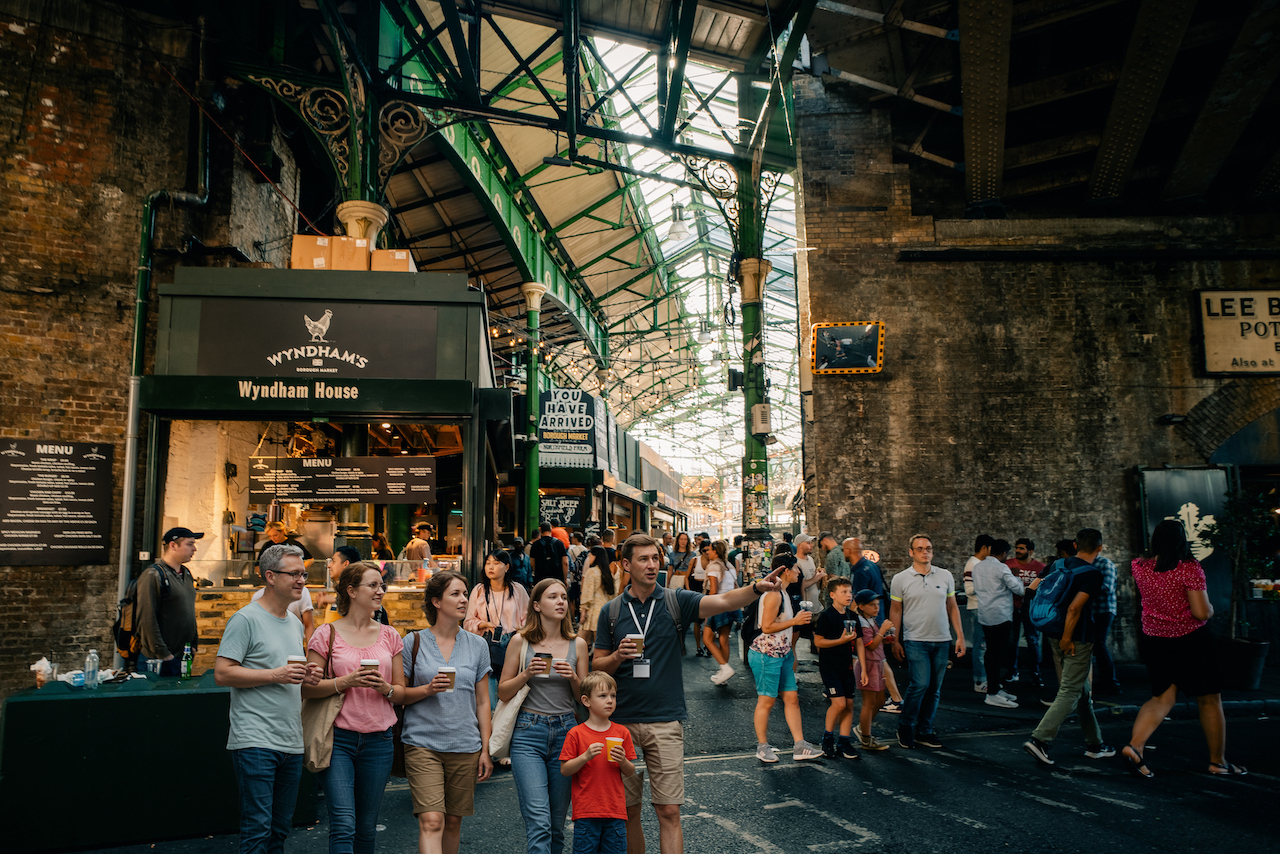
In 1988, construction workers digging beneath the Guildhall Art Gallery in the heart of the City of London broke through into something extraordinary: the curved walls of a Roman amphitheatre, buried and forgotten for nearly two millennia. That single discovery — and the fact that most visitors to London walk straight past the entrance without a second glance — tells you everything you need to know about this city. London doesn't just have history; it has layers of it, compressed beneath every pavement slab, tucked inside every Victorian archway, encoded in the walls of buildings that have changed faith four times over. The familiar postcard circuit — Big Ben, the Tower, Buckingham Palace — is worth doing once. But London's real character lives elsewhere: in a medieval lane built over a Roman forum, in a pub cellar that predates the Great Fire, in a market that local traders have used since the reign of King Canute. This guide is for the traveller who wants to go deeper.
Read more →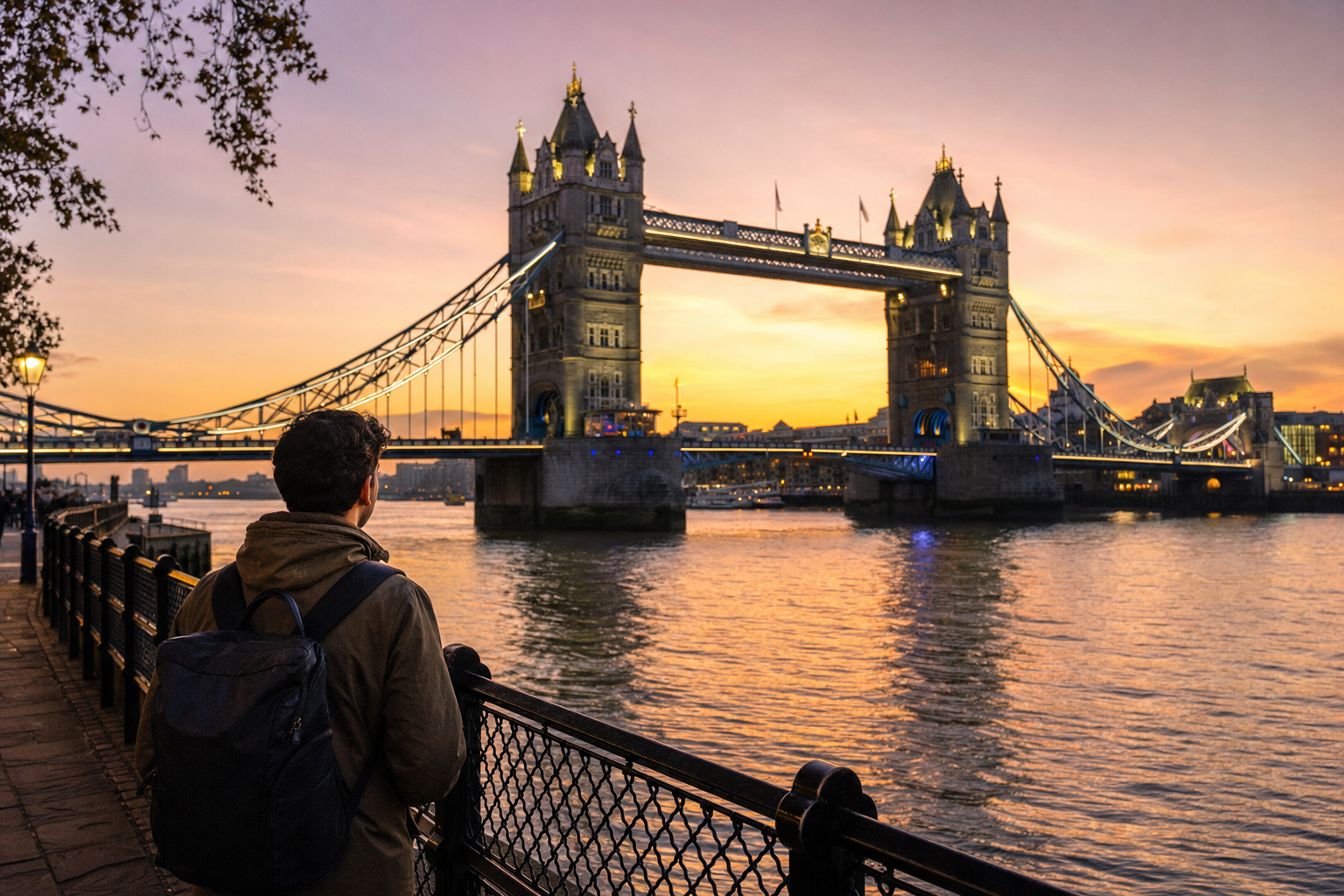
London has been continuously inhabited for nearly 2,000 years — and it shows, in the best possible way. Founded by the Romans as Londinium around 43 AD, the city has accumulated so many layers of history, culture, and contradiction that first-time visitors often feel simultaneously thrilled and overwhelmed. There are 32 boroughs, 272 Tube stations, eight Royal Parks, and more Michelin-starred restaurants than almost any city on earth. And yet, most first-timers follow the same postcard circuit: Big Ben, Tower Bridge, Buckingham Palace, done. This guide is built on a different premise. The more you understand London's strange, patchwork origins — its two founding cities, its explosive Victorian growth, its quietly rebellious neighbourhoods — the more every street corner starts to talk. Whether you have three days or ten, knowing what you're actually looking at transforms a sightseeing trip into something far more memorable. Read on for the specific facts, local intelligence, and neighbourhood stories that generic travel guides never bother to surface.
Read more →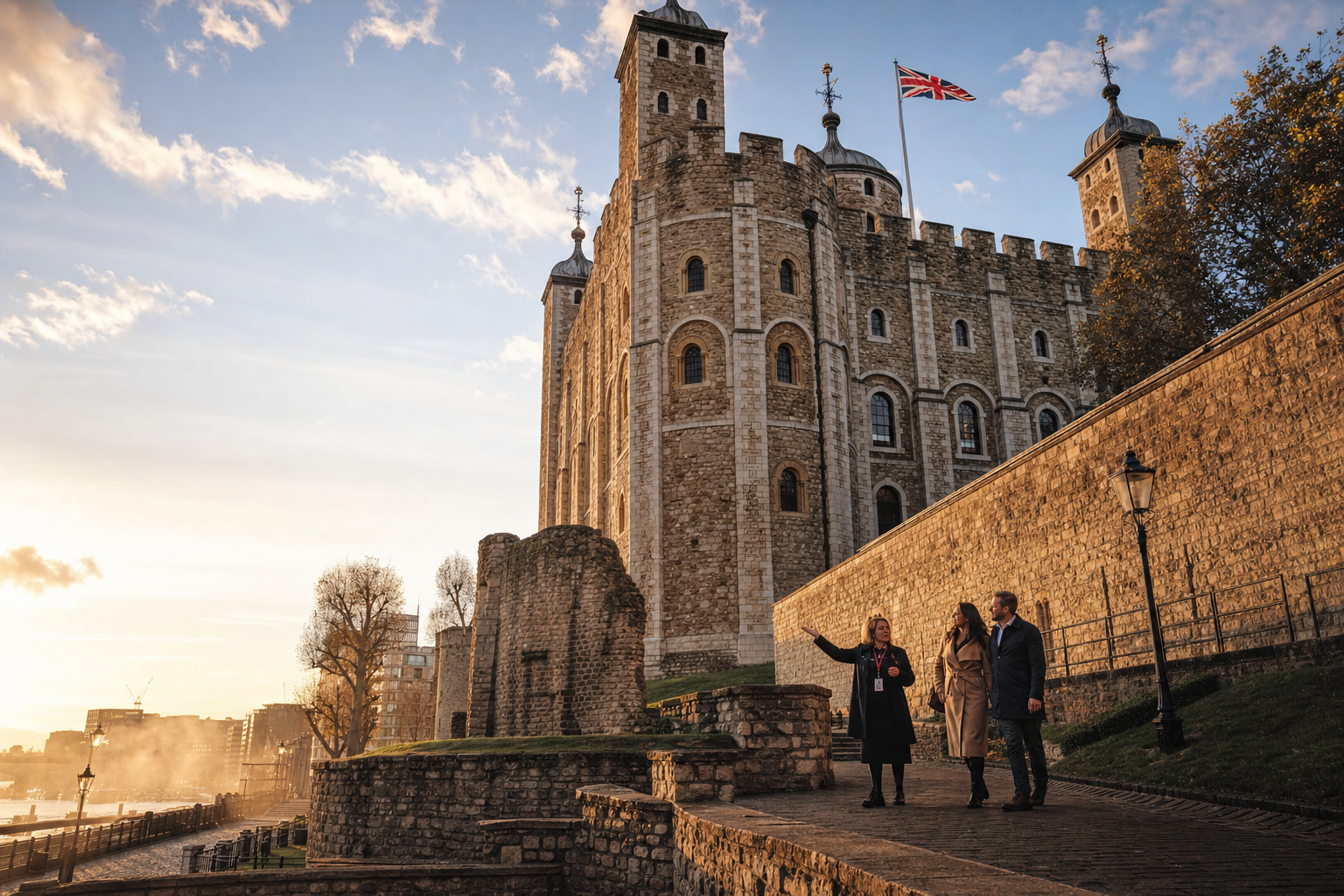
In AD 43, Roman soldiers drove stakes into the north bank of the Thames and founded Londinium — a city that would never stop growing. Nearly two millennia later, London covers 1,572 square kilometres, spans 33 boroughs, and layers Roman foundations, medieval lanes, Georgian terraces, and Victorian engineering so tightly that even long-term residents discover something new every week. That density is exactly what makes London one of the world's great travel destinations — and exactly what makes a generic group tour fall so short. Herded between the same ten landmarks with 30 strangers and a megaphone, most visitors leave having photographed London rather than understood it. A private tour with a knowledgeable local guide changes the equation entirely: the pace is yours, the stories go deeper, and the route bends around your curiosity rather than a fixed script. This guide makes the case for private tours in London, breaks down what the best ones actually show you, and gives you the practical detail you need to plan a visit that does justice to 2,000 years of extraordinary history.
Read more →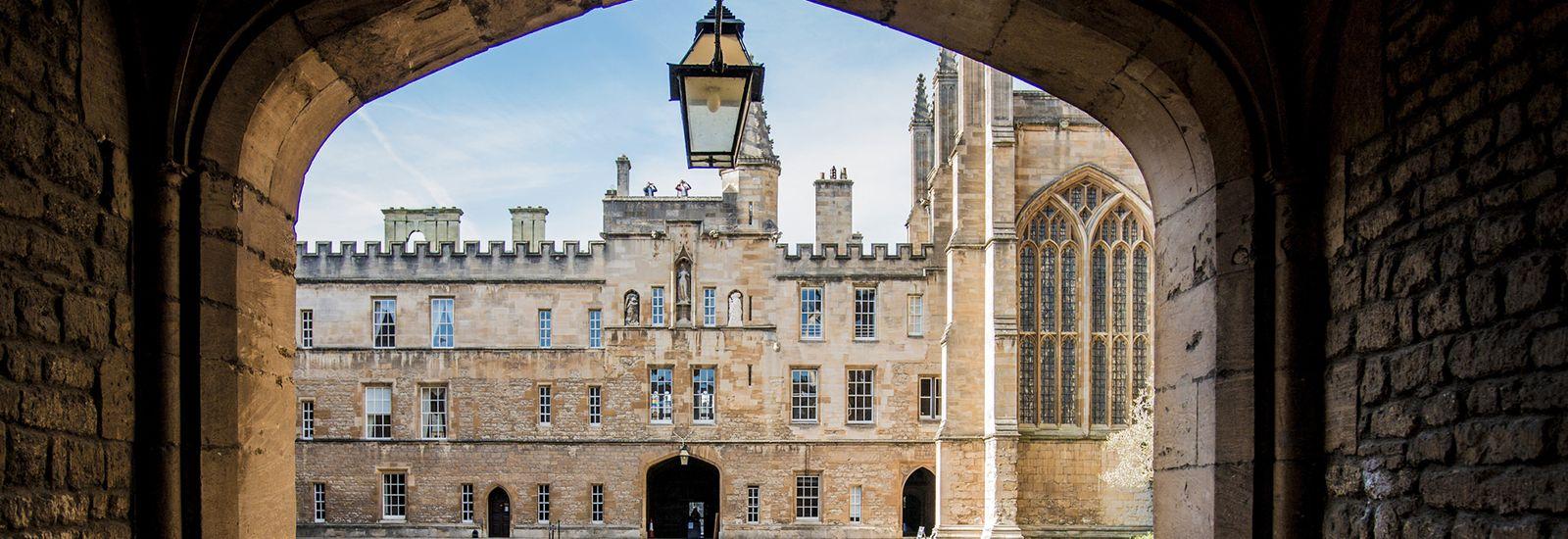
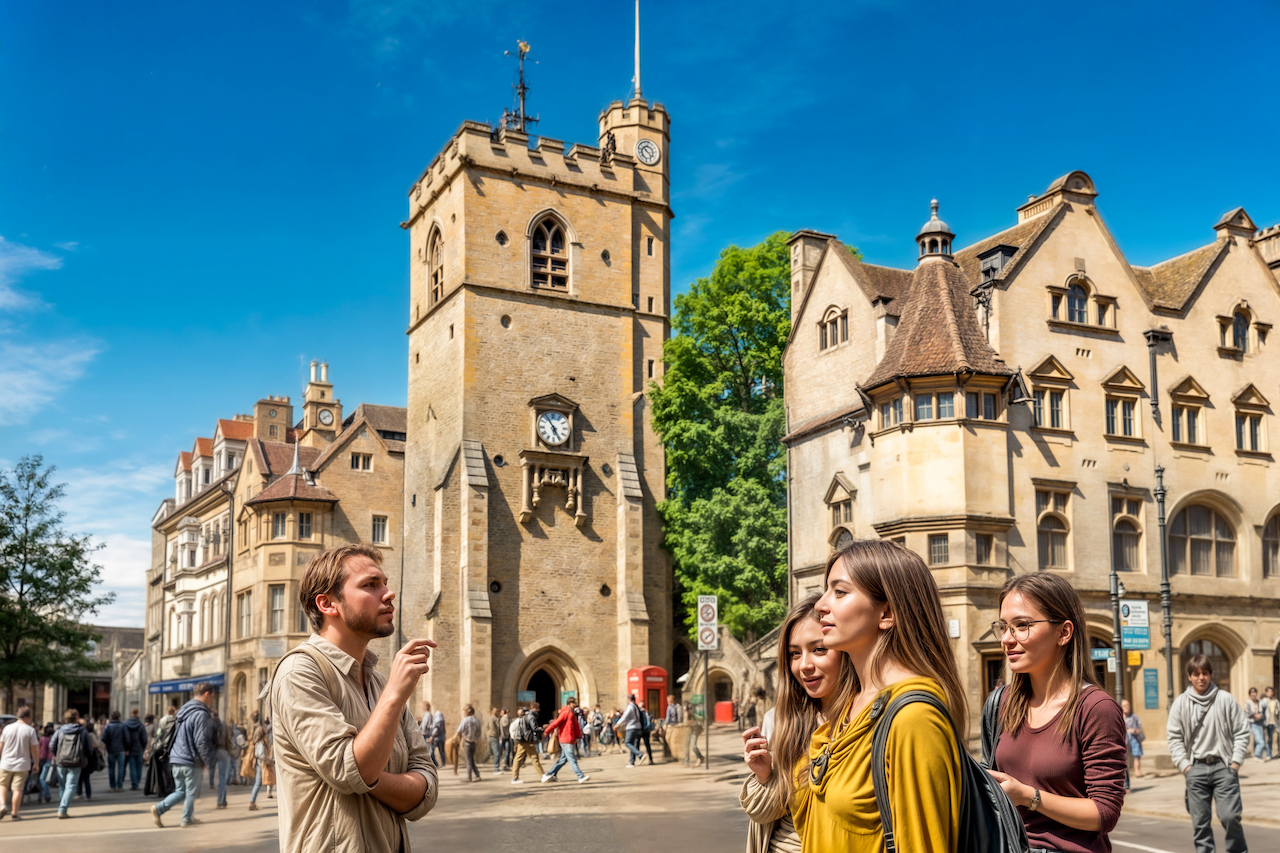
On the banks of the River Thames is one of the most important epicenters of knowledge, Oxford, a university town located in the county of Oxfordshire in England, home to Oxford University, the oldest university in Britain. Years of history and education, traditions and much prestige, mark the life of this place, a city where you can live the university atmosphere like nowhere else, and where you can enjoy the most academic and literary facet of England. Illustrious personalities visited Oxford...imagine Albert Einstein teaching in one of this Colleges?
Read more →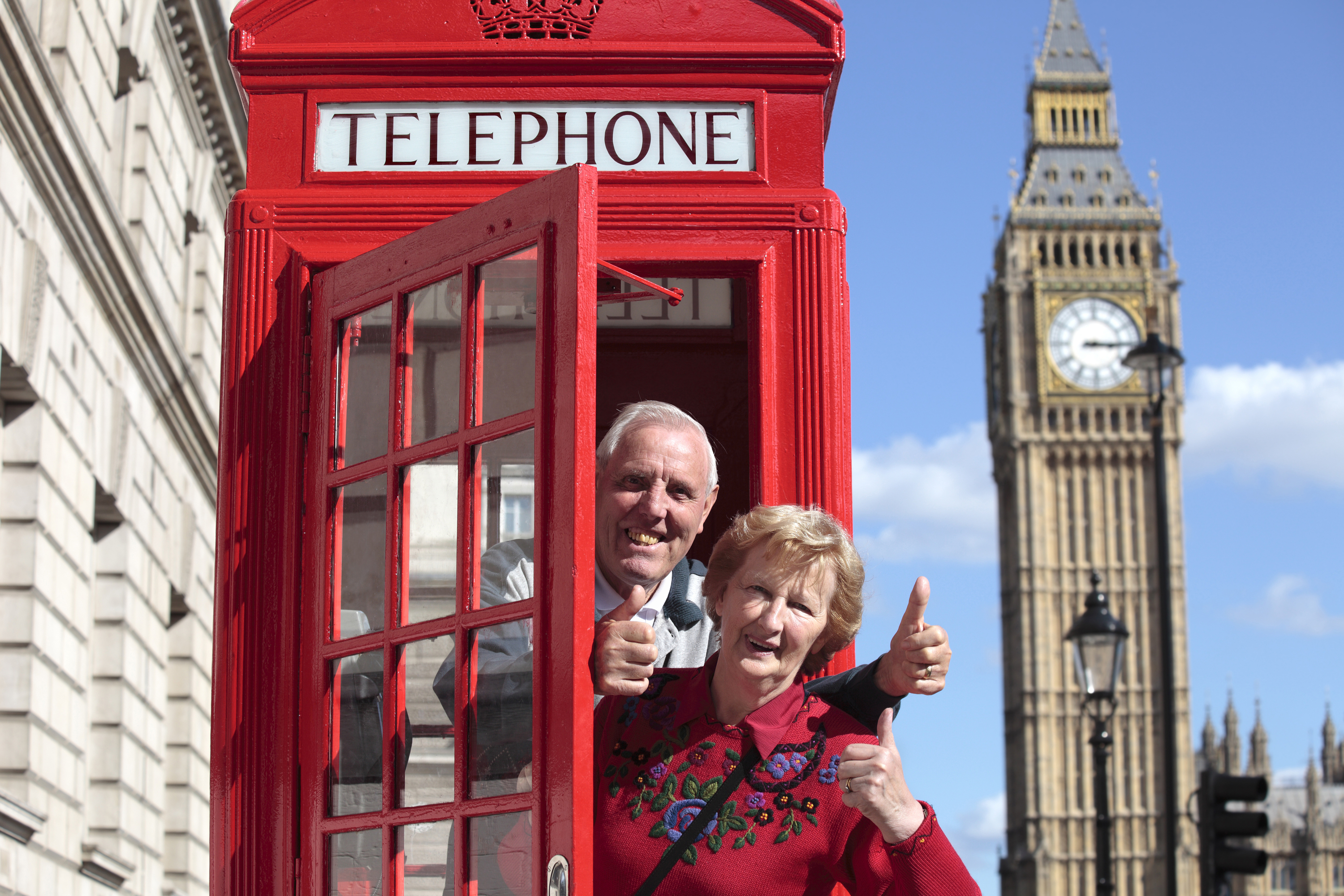
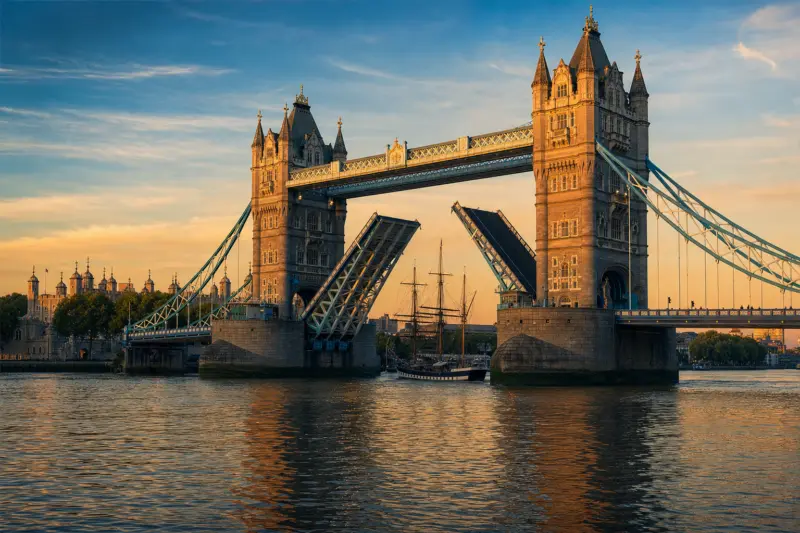
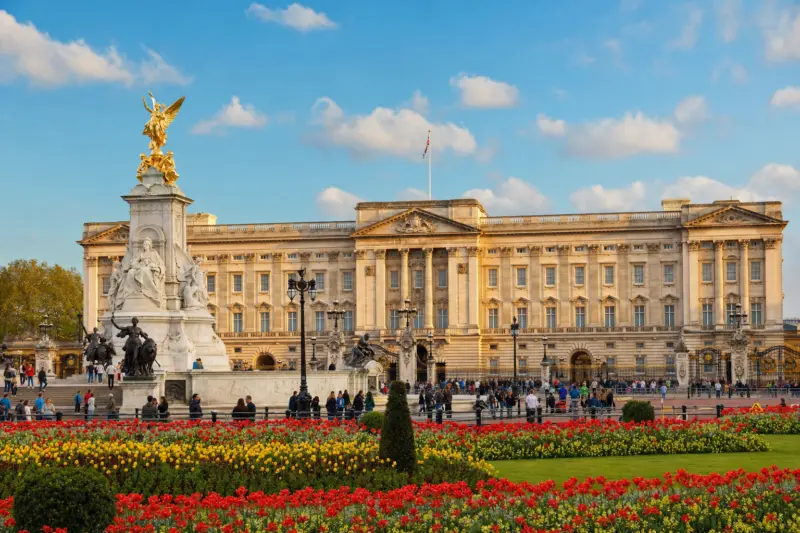
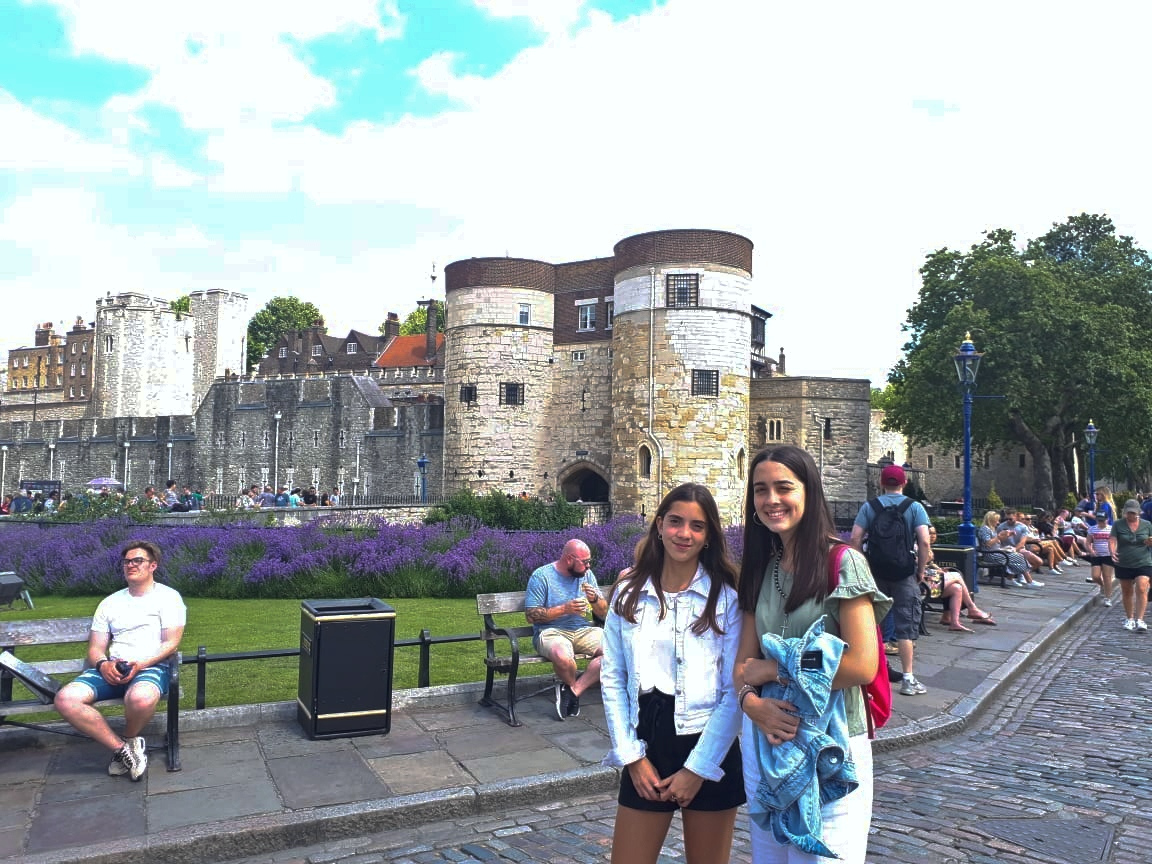
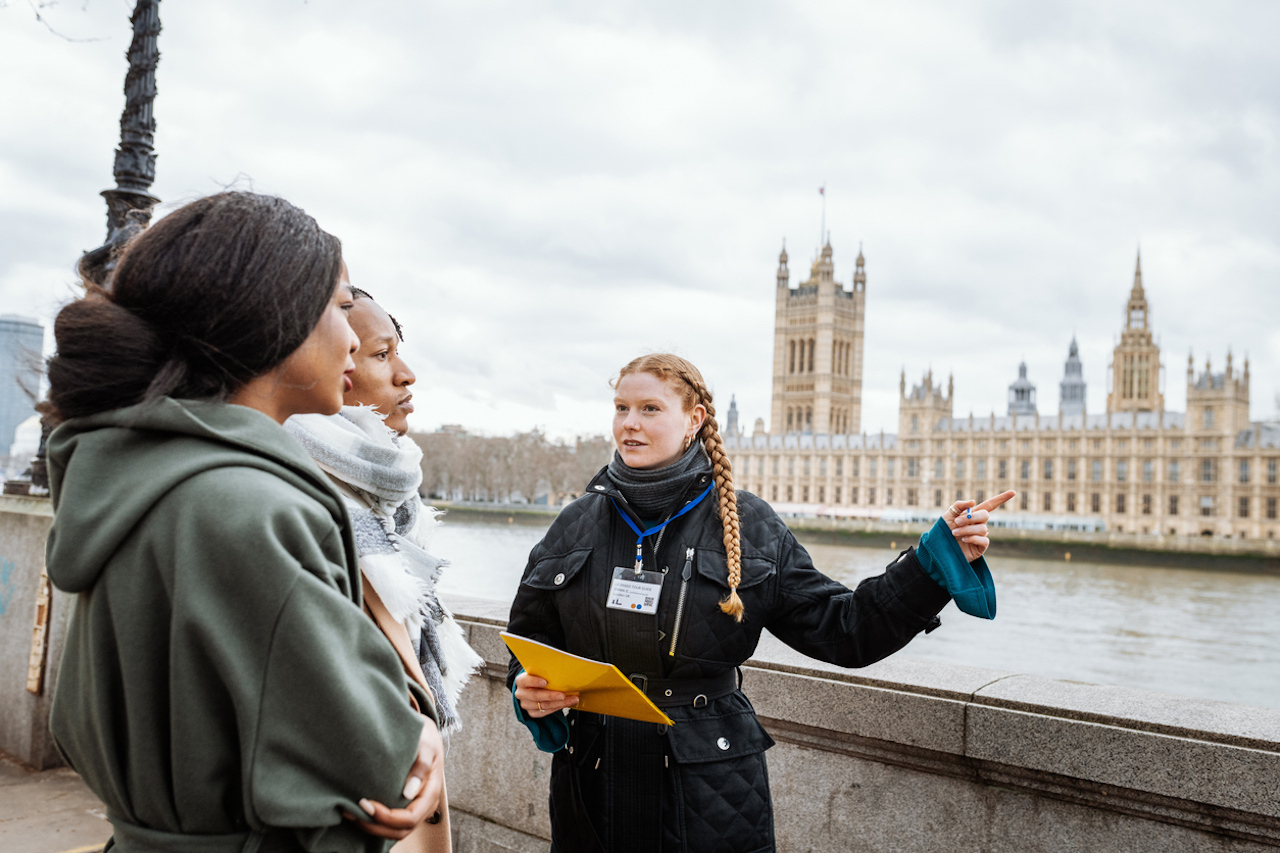
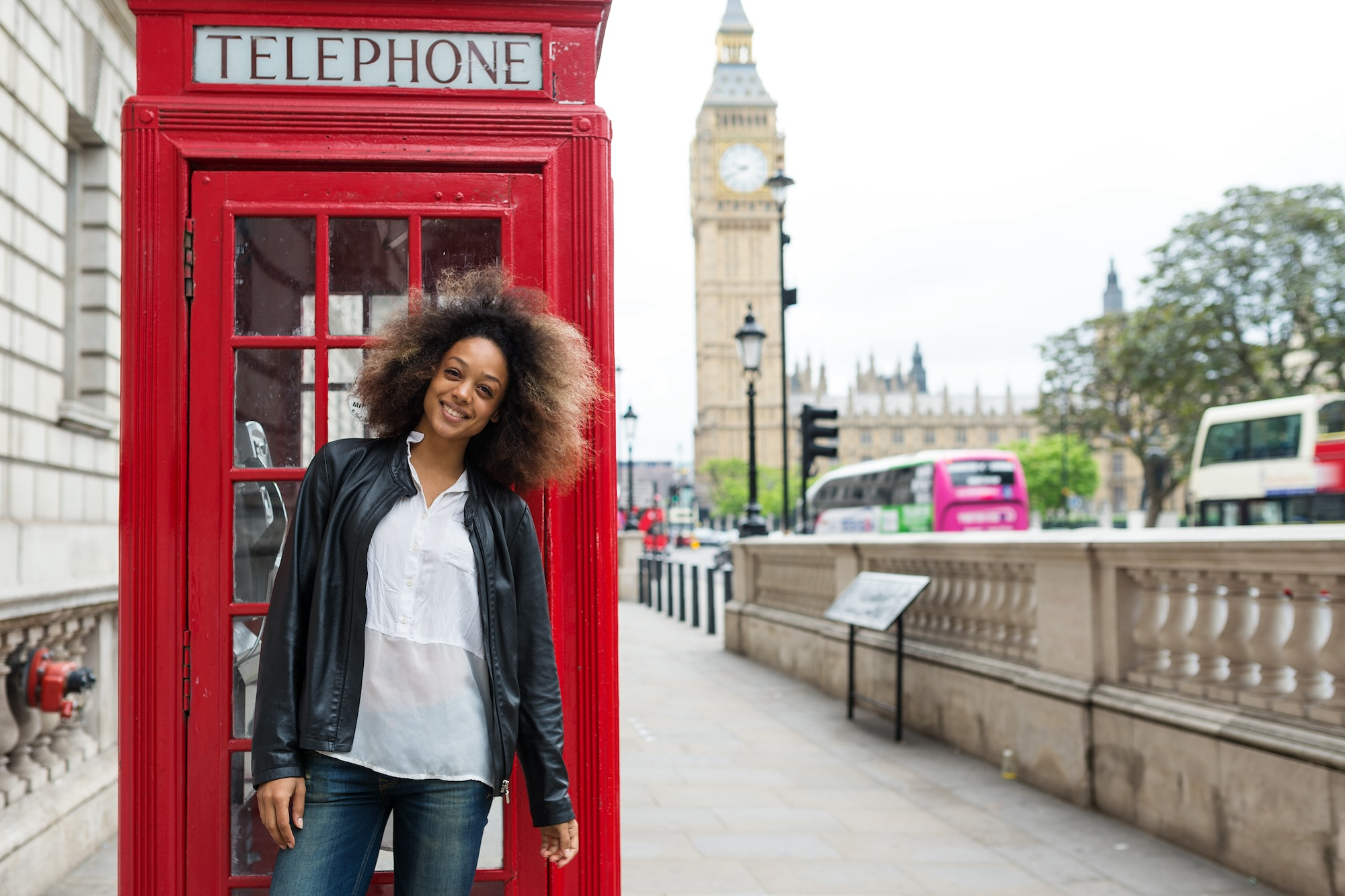
We are super happy to announce that LocalCoolTour is finally starting to provide private tourist services in London... Explore the city! Enjoy the fantastic city of London, following a local guide, and learn about its rich history. You can not miss visiting the famous Big Ben, and the incredible building of the Parliament, on the banks of the River Thames. Have a classic English tea in one of the most elegant neighborhoods: Notting Hill. Visit the most eccentric and authentic areas of London, like Camden Town or Shoreditch, where you can admire Banksy's famous graffitis. Visit Shakespeare's old theatre, the amazing St Paul's Cathedral, or the colorful Leadenhall Market, famous for the Harry Potter saga. A visit of the most emblematic buildings of the monarchy is a must, such as Westminster Abbey or the Towers of London. Discover the varied, often unknown, English gastronomy, and try the exquisite ‘fish & chips’, paired with a good local beer. Take a full-day trip out of London, to wonderful cities, full of history. Oxford, and its prestigious colleges, is a very good option to escape from the hustle and bustle of the city. Enjoy the original private tours that we offer in this magnificent city. This, and much more, awaits you in London! Follow us, as the journey has only just begun!
Read more →We use a single cookie, to remember this choice. We do not use analytics or advertising cookies. Read our cookie policy.