3 hrs
London
London: Private Family Tour, Natural History Museum & Games
✓ Free cancellation Kids friendly
4.5(0 reviews)
From €208/ person
Book Now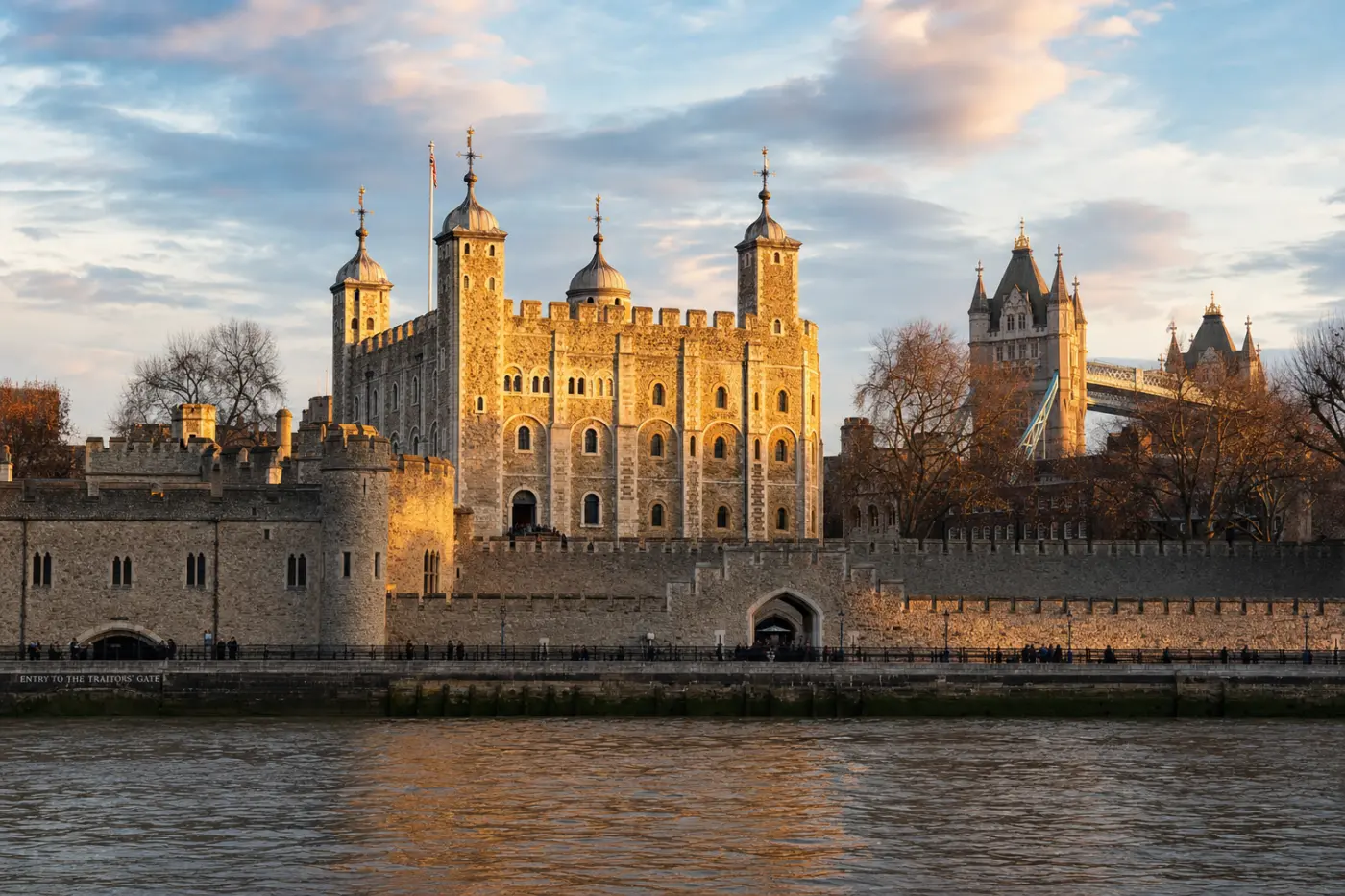
Tourist attraction
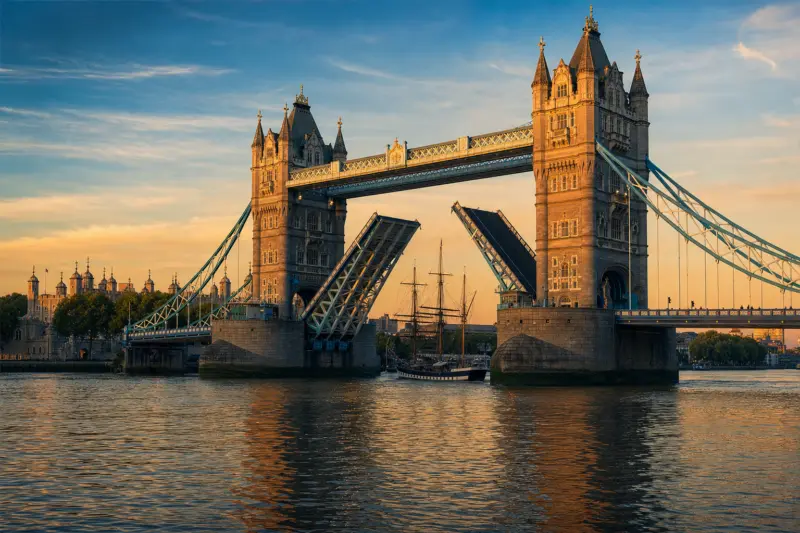
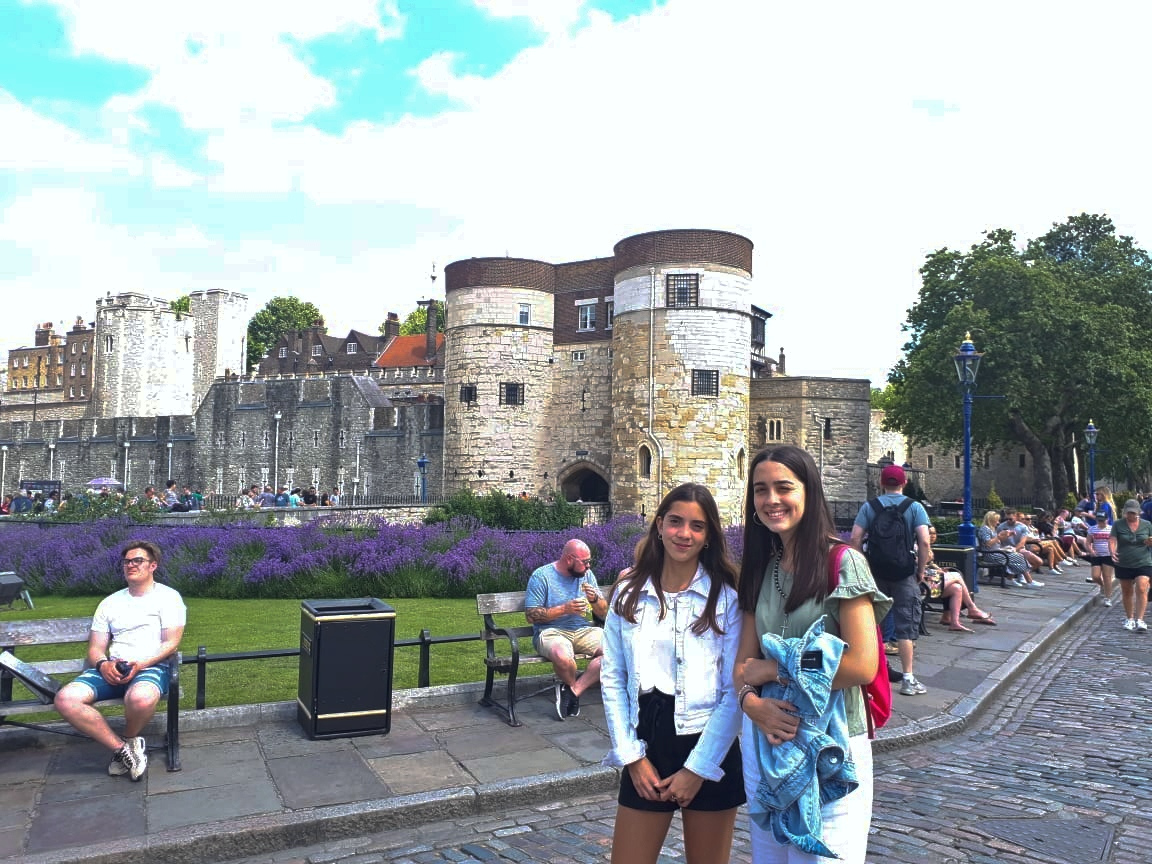
Her Majesty's Royal Palace and Fortress of the Tower of London — its full official name — is a Norman castle complex rising from the north bank of the River Thames, founded by William the Conqueror in 1066 immediately after the Battle of Hastings. The central White Tower, built in Caen stone shipped from Normandy, was completed around 1078 and stands 27 metres tall, functioning simultaneously as a royal residence, military stronghold, and psychological statement of Norman dominance over a conquered city. Over the following centuries, successive monarchs expanded the complex into a concentric ring of walls and towers spanning 4.9 hectares, making it one of the best-preserved examples of medieval military architecture in Europe. UNESCO recognised its outstanding universal value in 1988, inscribing it as a World Heritage Site.
Few buildings on earth have accumulated as much history within a single precinct. The Tower served as the primary royal residence until the 16th century, housed the Royal Mint from 1279 to 1812, and operated as London's first zoo — the Royal Menagerie — from around 1204, when King John received three leopards as a diplomatic gift, until the Duke of Wellington closed it in 1835 and relocated the animals to the newly established London Zoo in Regent's Park. Its darkest chapter is its role as a state prison: figures including Anne Boleyn, Catherine Howard, Lady Jane Grey, Sir Thomas More, and Sir Walter Raleigh were imprisoned here, and Tower Green became the site of high-profile executions. The Chapel Royal of St Peter ad Vincula, dating to 1520, still contains the remains of two queens of England. The Ceremony of the Keys — the nightly locking of the gates — has been performed without interruption for over 700 years.
Today visitors move through a remarkably dense landscape of history. The Jewel House in Waterloo Barracks displays the Crown Jewels, a collection kept at the Tower since the 15th century that includes the Imperial State Crown — set with 23,578 gemstones and valued between £2–4 billion — as well as the Sovereign's Sceptre containing the 530-carat Cullinan I diamond, the largest clear-cut diamond in the world. The Medieval Palace recreates the royal apartments of Edward I, complete with painted chamber interiors. The Line of Kings exhibition in the White Tower, the world's oldest visitor attraction (it dates to the 1660s), displays royal armour including a suit made for Henry VIII. Moving walkways beneath the Crown Jewels allow a close view without crowding. Six resident ravens remain on site, fulfilling the legend — first documented in the reign of Charles II — that the kingdom will fall if they ever leave.
The Tower is managed by Historic Royal Palaces and is open Tuesday through Saturday from 9:00 am and Sunday through Monday from 10:00 am, closing at 5:30 pm (4:30 pm in winter). Yeoman Warders — the ceremonial guardians known colloquially as Beefeaters, a title in use since the 16th century — lead free guided tours departing from the main gate throughout the day, offering the most efficient orientation to the complex. Arrive at opening time to see the Crown Jewels before queues lengthen, and check ahead if attending the Ceremony of the Keys, which requires a free ticket requested months in advance. The nearest Tube station is Tower Hill on the Circle and District lines, a two-minute walk from the West Gate entrance.
Private tours with a local guide, at your own pace.
London
London

London
London
London
London
London
London