5 hrs
Copenhagen
Copenhagen Private Full Day Tour with Lunch Option
✓ Free cancellation Kids friendly
4.8(138 reviews)
From €334/ person
Book Now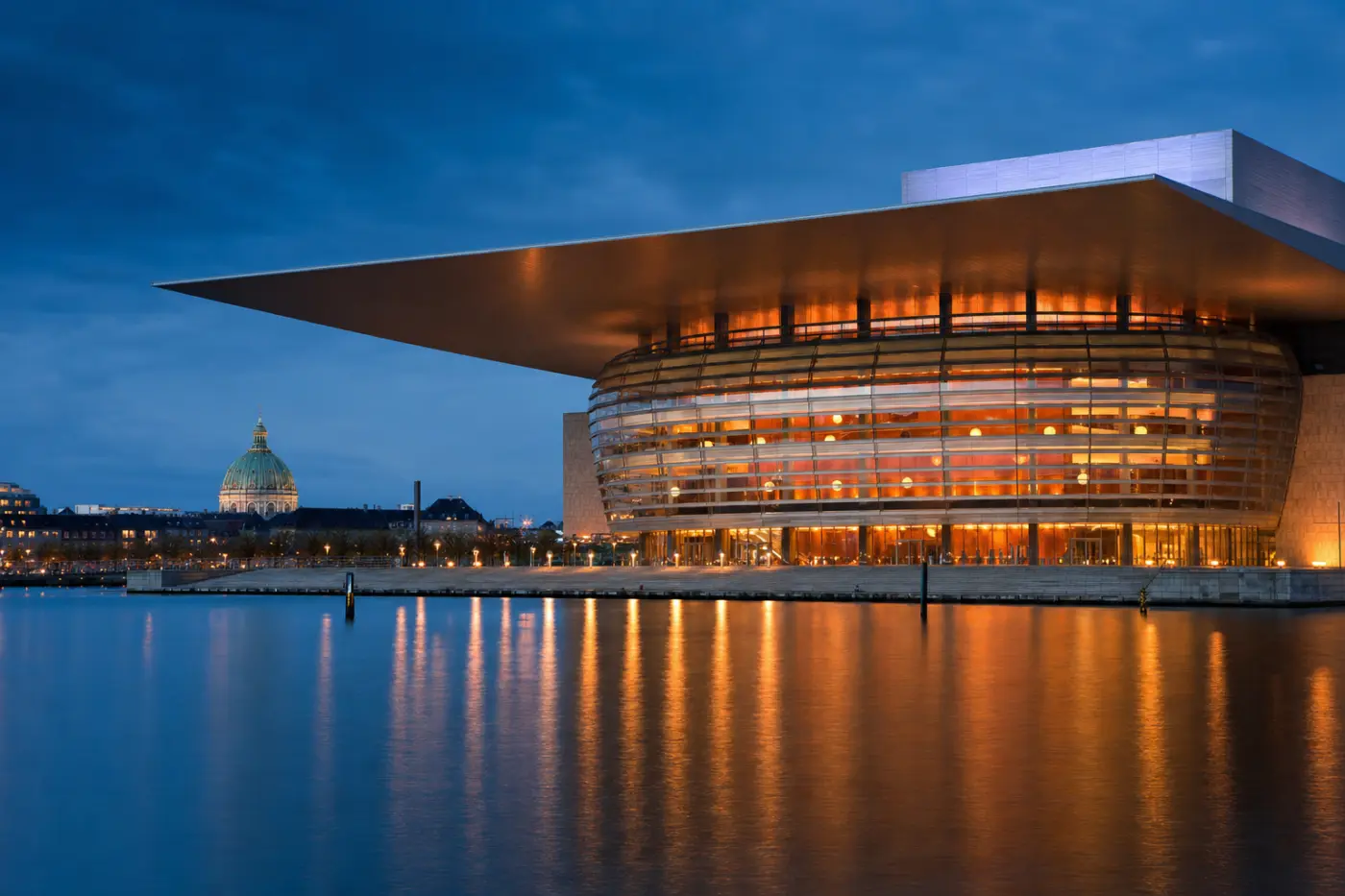
Tourist attraction
The Copenhagen Opera House — known in Danish as Operaen — sits on the island of Holmen, directly across the harbour from the 18th-century Amalienborg Palace. Designed by architect Henning Larsen and opened on 15 January 2005, it was entirely funded and gifted to the Danish state by the Mærsk Mc-Kinney Møller Foundation, founded by the shipping magnate of the same name. The total construction cost exceeded 2.8 billion Danish kroner (approximately €370 million), making it one of the most expensive opera houses ever built per square metre at the time. The building spans 41,000 square metres across 14 floors and houses two stages: the 1,492-seat Main Stage and the 200-seat Takkelloftet, a flexible studio theatre used for experimental and contemporary works.
The architecture is defined by its vast cantilevered roof, which extends 32 metres beyond the façade and floats over the main entrance like a protective visor — a deliberate nod to the nearby harbour and the horizontal line of the Copenhagen skyline. The foyer is encased in floor-to-ceiling glass, offering unobstructed views across the water toward Frederiksstaden. Inside, the Main Stage auditorium is clad in 104,000 sheets of 23.75-carat gold leaf applied to maple wood panels, producing both its warm amber glow and its acoustical precision. The acoustic design was engineered to achieve a reverberation time of 1.4 seconds — optimal for both operatic voices and orchestral performance — placing Operaen among the most technically refined concert and opera venues in the world.
Visitors who attend a performance experience the full sensory effect of the building: the grand entrance foyer bathed in harbour light, the glistening gold auditorium, and acoustics that carry even a whispered pianissimo with remarkable clarity. The Royal Danish Opera, which traces its institutional roots to 1703 under King Frederik IV, is the resident company, staging a full season of opera and ballet from August through June. Beyond performances, the building is open for guided architectural tours, which take visitors behind the stage machinery, into the rehearsal rooms, and onto the technical catwalks above the Main Stage — areas invisible from the audience.
To reach the Opera House, the free Harbour Bus (route 991/992) connects directly from the city centre to the Holmen stop, and the building is also easily visible — and dramatically framed — from the canal tour boats that depart from Nyhavn. If attending an evening performance, book tickets well in advance through the Royal Danish Theatre's website; same-day rush tickets are occasionally available at the box office from 90 minutes before curtain. The foyer café and restaurant are open on performance days without a ticket, making the building itself a worthwhile destination for architecture enthusiasts even outside the opera season.
Private tours with a local guide, at your own pace.
Copenhagen

Copenhagen
Copenhagen
Copenhagen
Copenhagen
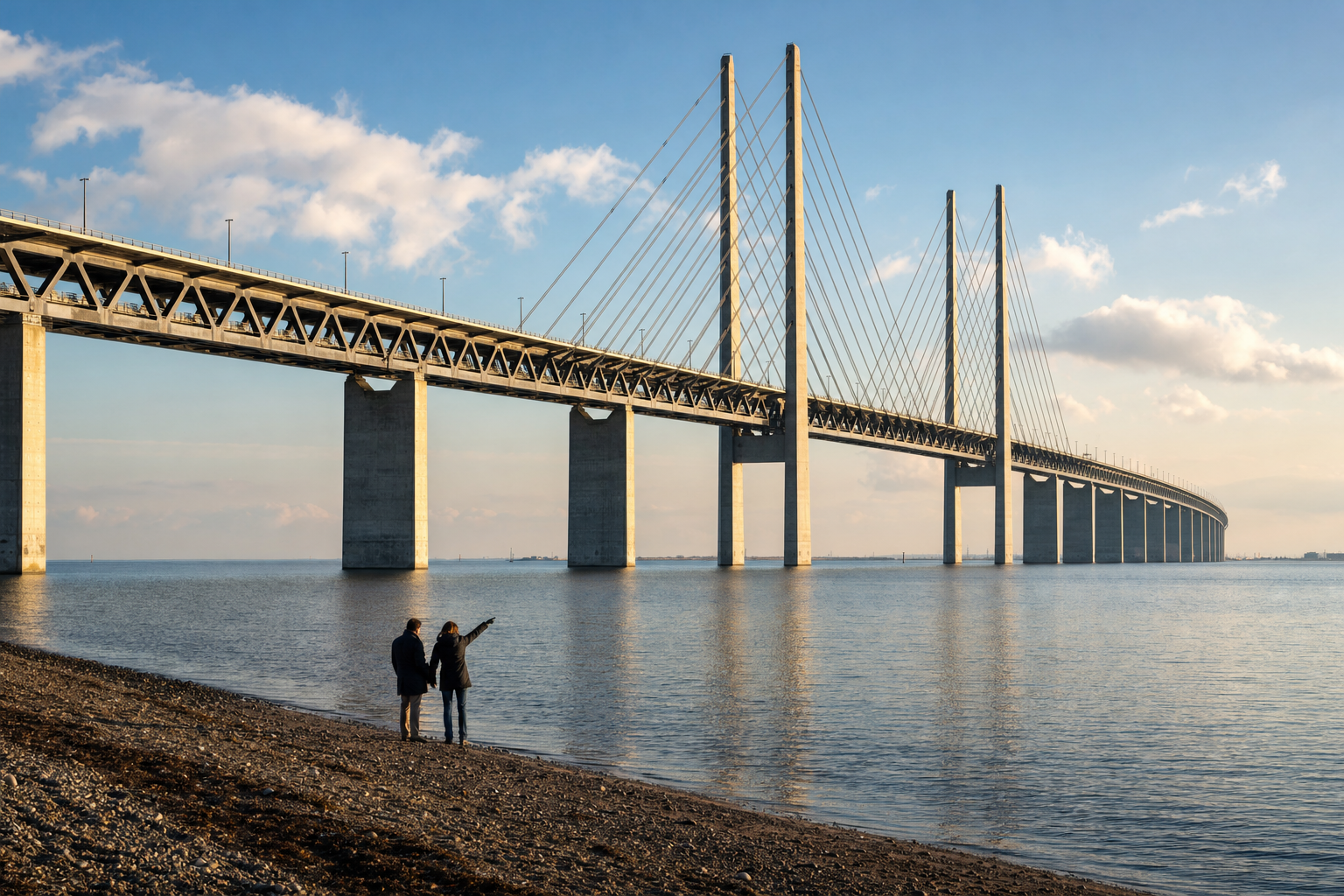
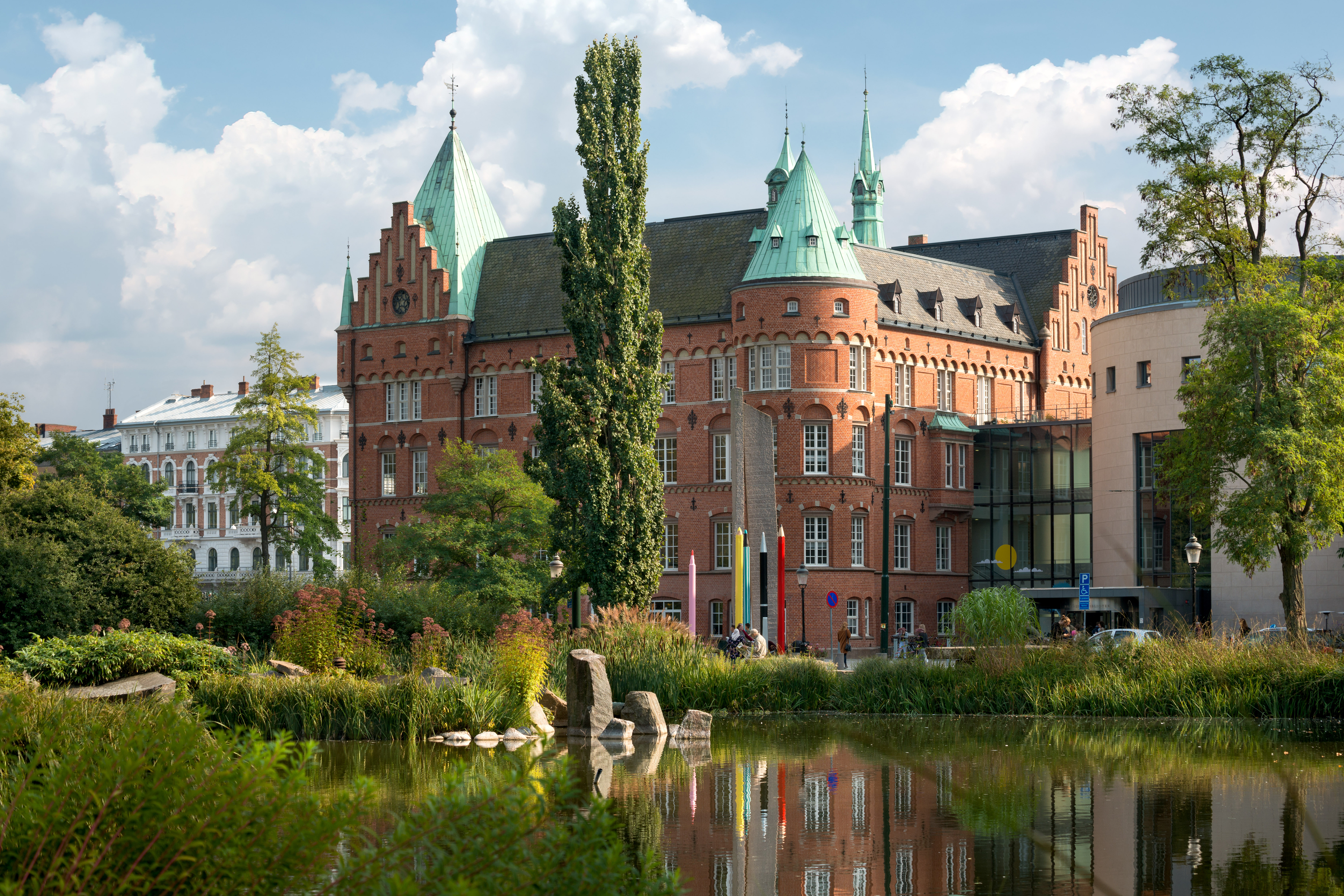
Copenhagen sits just 35 minutes from one of Scandinavia's most quietly compelling cities — yet most visitors never make the crossing. Malmö, Sweden's third-largest city, is separated from the Danish capital by the Øresund Strait and connected by one of Europe's most audacious feats of engineering: a 16-kilometre fixed link that tunnels under the seabed, surfaces on an artificial island, and then soars across the water on a cable-stayed bridge. Since the Øresund Bridge opened in July 2000, the two cities have functioned almost as a single metropolitan region, with commuters, students, and food lovers crossing daily. What you find on the Swedish side is genuinely different from Copenhagen — less polished for tourism, more multicultural, architecturally daring, and with a food scene shaped by 175 nationalities. Whether you have a single free afternoon or a full day to spare, a Malmö day trip from Copenhagen is one of the best decisions you can make.
Read more →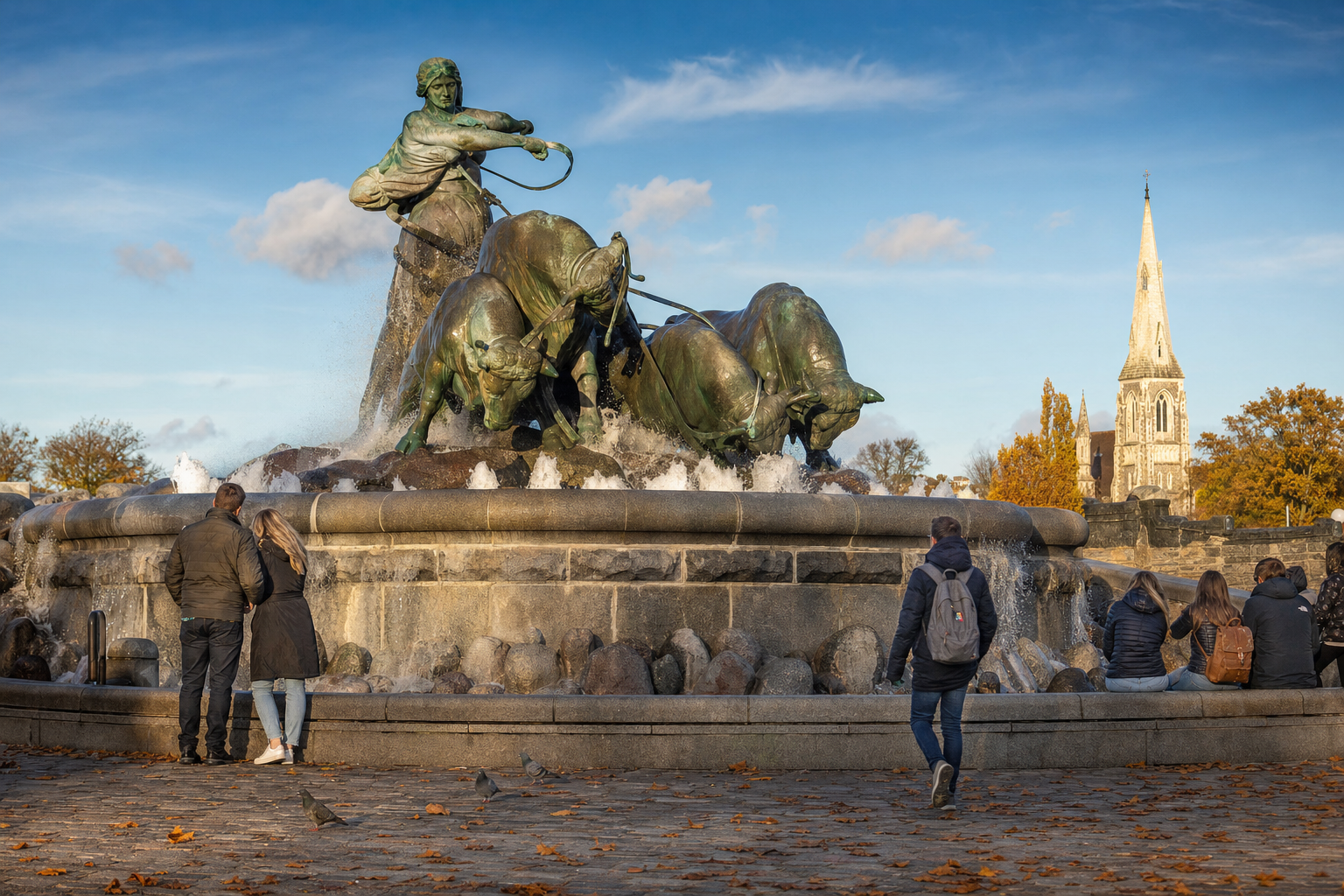
In 1908, Copenhagen unveiled one of the most dramatically charged public sculptures in all of Scandinavia — a towering bronze goddess urging four straining oxen through a violent, world-creating plough. The Gefion Fountain (Gefionspringvandet) stands at the edge of Langelinie Park, water cascading around a scene that is, quite literally, the origin story of the ground beneath the city. The myth it depicts — a Norse goddess who tricked a Swedish king into giving away an entire landmass in a single night — is not decorative folklore. According to the 13th-century Prose Edda by Snorri Sturluson, Gefion's overnight heist carved Zealand (the island on which Copenhagen sits) directly out of what is now Sweden. That makes this fountain something rare: a public monument that tells you exactly why the city exists where it does. Most visitors photograph it on the way to the Little Mermaid and move on. Those who pause long enough to read the myth, study the bronze, and understand the 14-year commission behind it leave with something far more interesting than a snapshot.
Read more →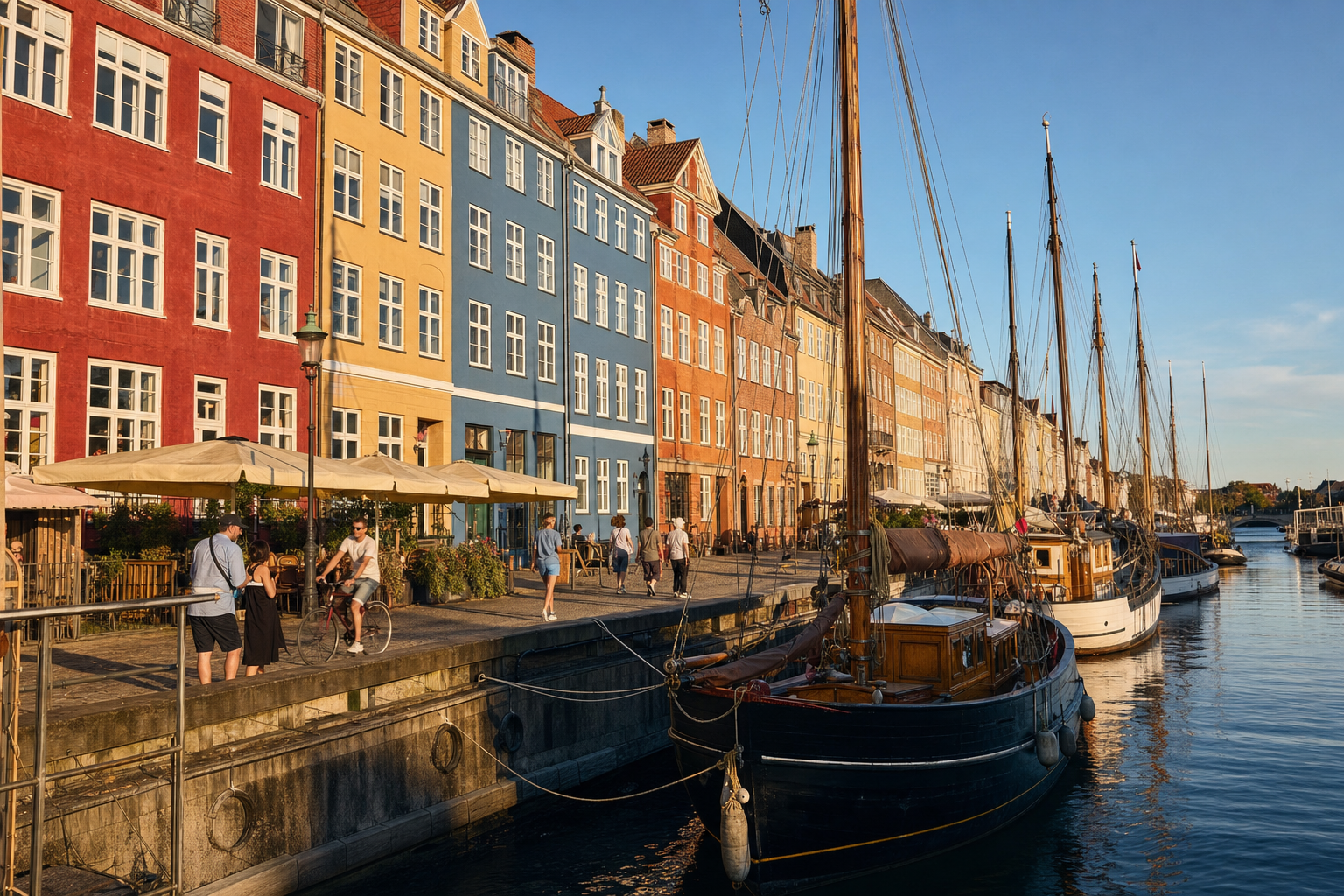
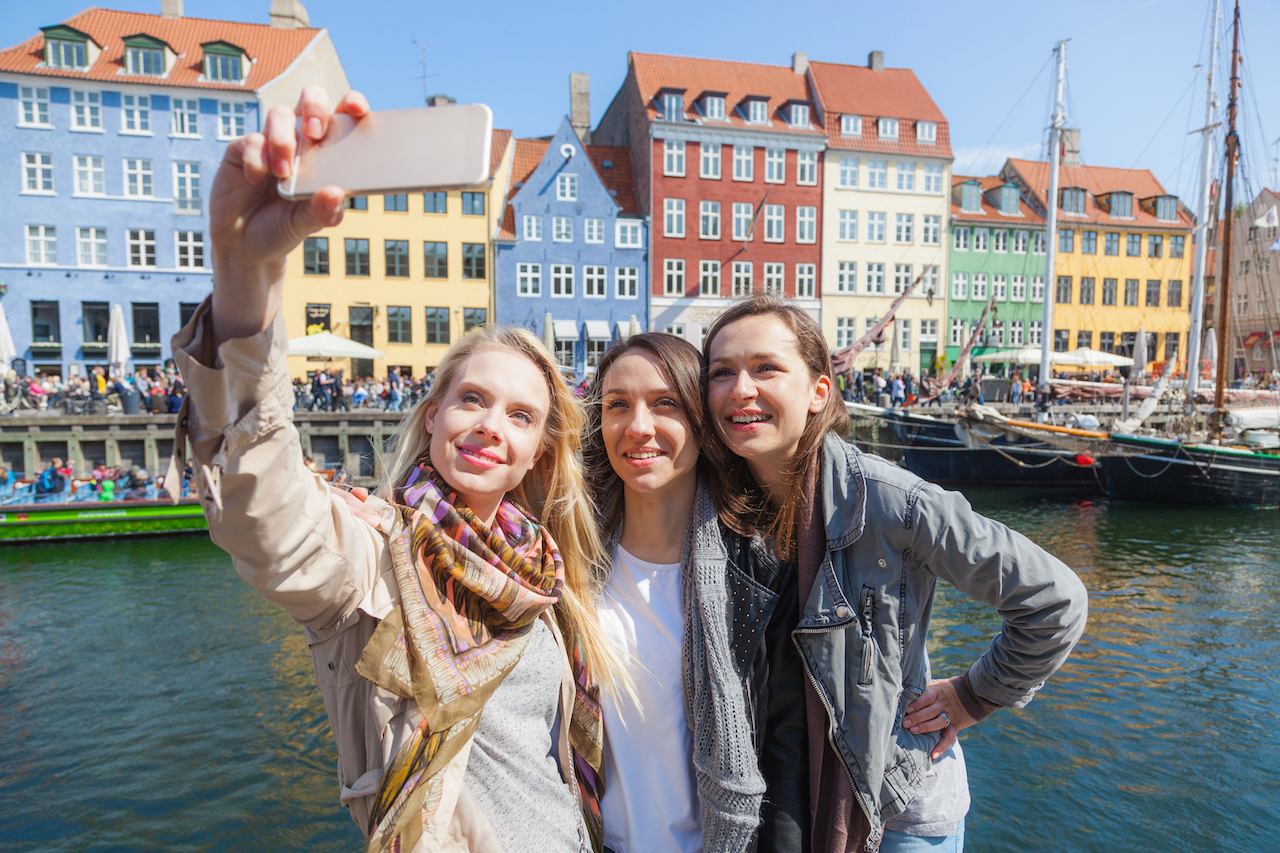
In 1671, Swedish prisoners of war were forced to dig the canal that would become Nyhavn — today one of the most photographed waterfronts in Europe. That paradox, beauty built on a history most visitors never hear, is Copenhagen in a nutshell. The Danish capital sits on the island of Sjælland, packs more Michelin-starred restaurants per capita than almost any city on earth, and somehow manages to feel like a large village where cyclists outnumber cars and neighbours still leave their prams outside cafés. But the version most tourists experience — colourful Nyhavn facades, a quick photo of The Little Mermaid, a lap of Strøget — barely scratches the surface. This guide goes further, pairing the city's landmark sights with the stories behind them, mapping the neighbourhoods that locals actually love, and cutting through the noise on where and how to eat like a Copenhagener. Whether you have two days or a full week, this is where your planning starts.
Read more →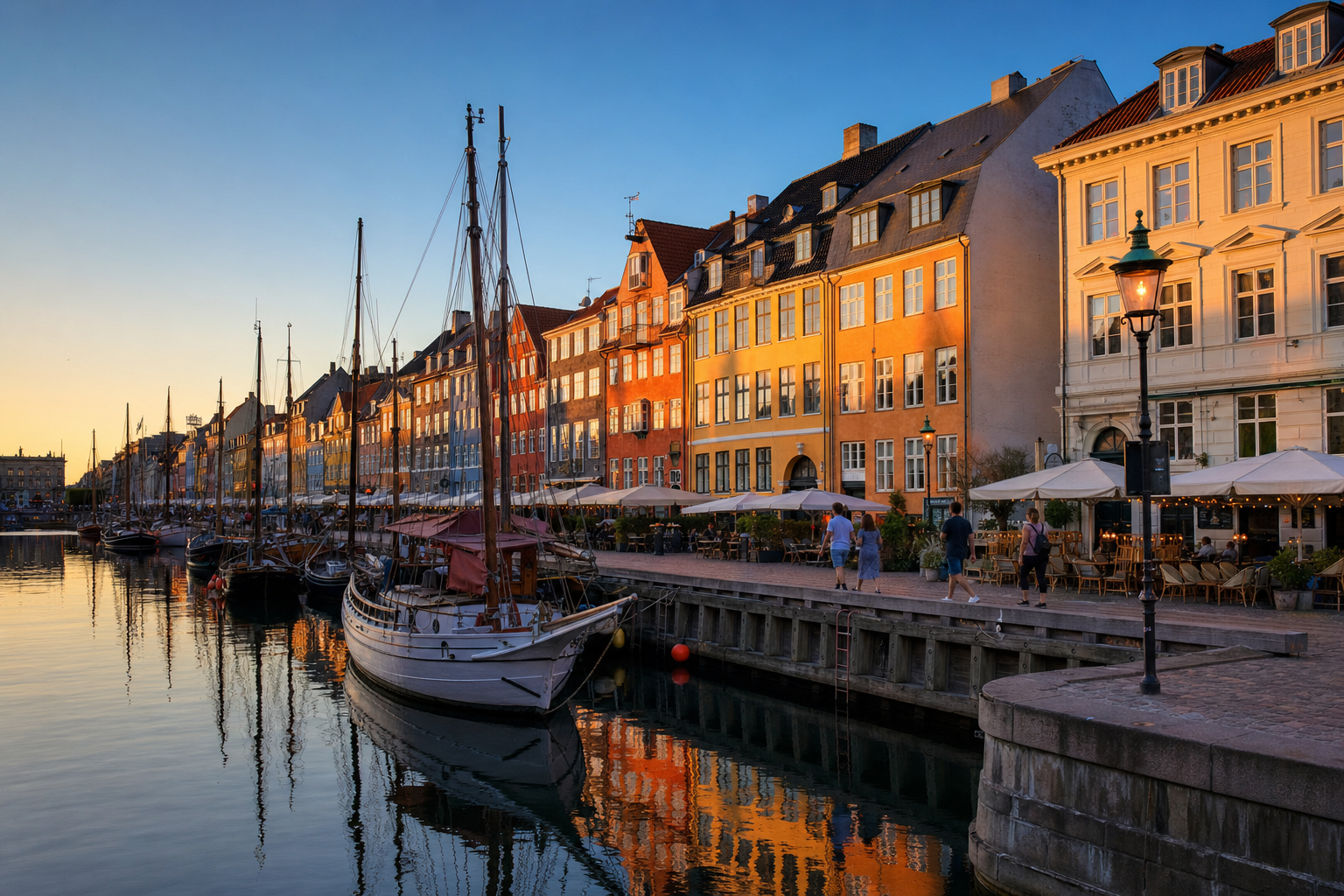
On the 23rd of June each year, Copenhagen does something most cities can't: it barely gets dark. Sitting at roughly 55°N latitude — the same as Moscow and Edinburgh — the Danish capital stretches summer daylight to nearly 17 hours, turning evening canal walks along Nyhavn into something that feels almost surreal. Yet the same geography that gifts Copenhagen long, luminous summers also compresses its December days to just 7 hours of usable light. Choosing when to visit this city of 671,714 people isn't simply a matter of avoiding rain — it's about understanding how radically different Copenhagen becomes from one month to the next. The canal colours change. The crowd density shifts. The cultural calendar rewrites itself entirely. Whether you're drawn by Tivoli Gardens in full summer bloom, the quiet warmth of a hygge-soaked February afternoon, or the sweet spot of a May morning on an uncrowded bicycle lane, this guide cuts through the generic advice and gives you the specific facts you need to pick your perfect Copenhagen window.
Read more →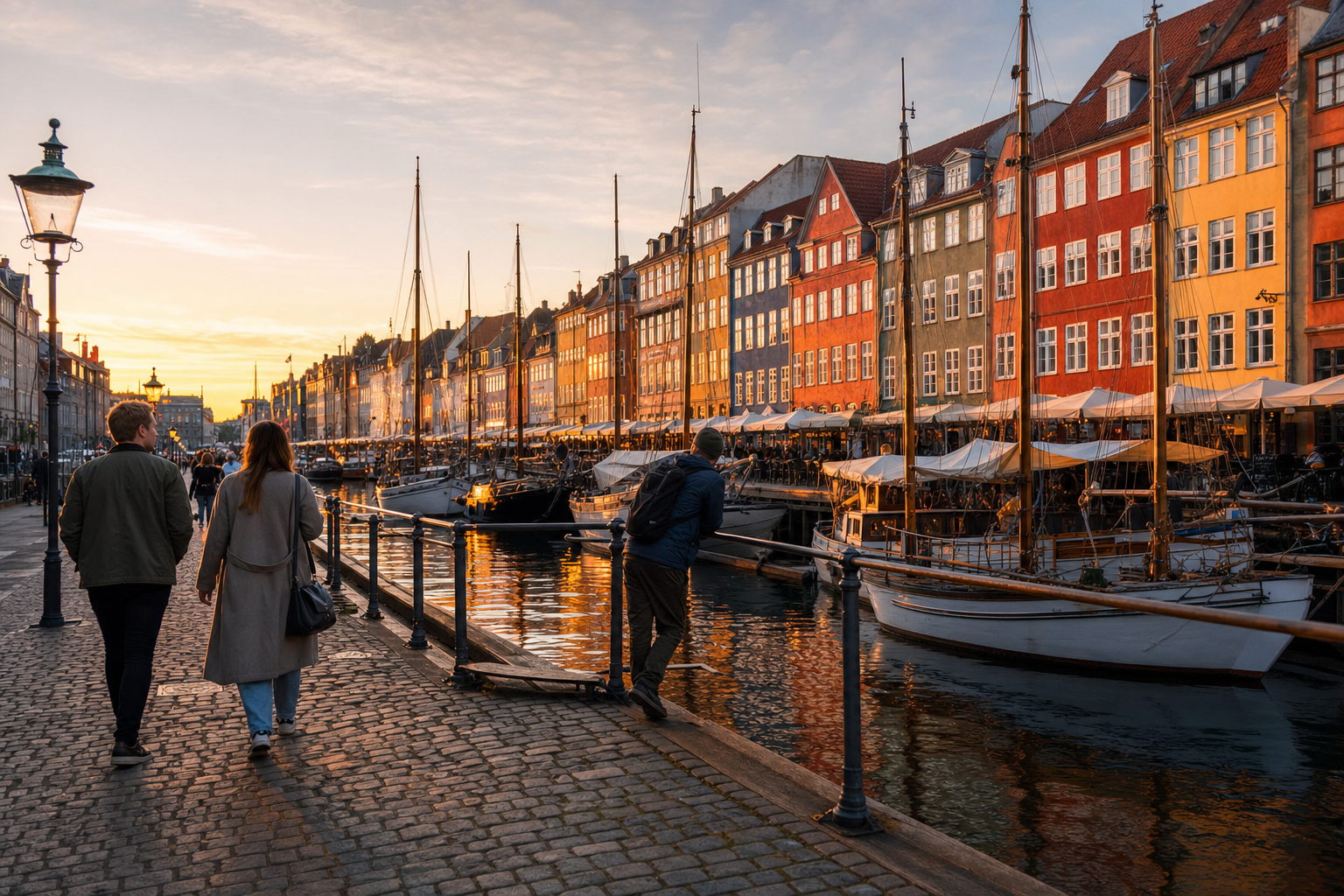
Copenhagen rewards the curious traveller who looks beyond the pastel facades. In 1167, a bishop named Absalon built a fortress on a small island in the Øresund strait — that single act of medieval pragmatism gave birth to what is today one of Europe's most liveable, forward-thinking capital cities. Nearly nine centuries later, Copenhagen still wears its entire history on its sleeve: a royal canal dug by prisoners of war, a self-governed freetown operating under its own social rules, and a harbour so thoroughly cleaned up that locals swim laps in it on summer lunch breaks. Three days is genuinely enough time to move from the medieval core to the contemporary waterfront, to cross into Sweden for a morning, and to eat some of the most thoughtful food in the world. This itinerary is built around walking distances, local rhythms, and the specific stories that make each place meaningful — not just photogenic. Here is how to spend 72 hours in Copenhagen the way a local actually would.
Read more →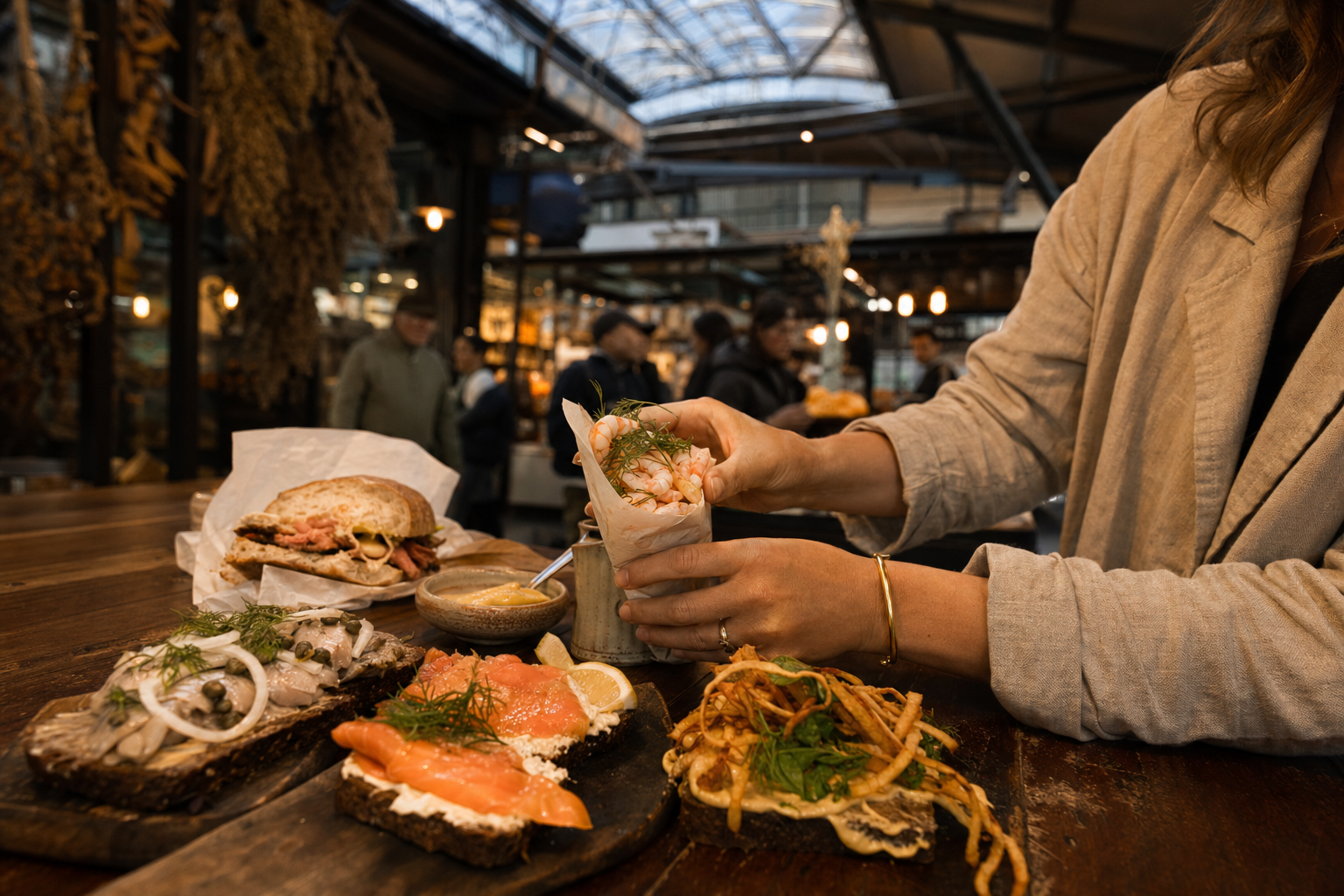
In 2003, a small restaurant opened in a converted warehouse on Copenhagen's Christianshavn waterfront. Its name was Noma, and within a decade it had been ranked the world's best restaurant four times, triggering a culinary revolution that turned a Scandinavian capital known for pickled herring and rye bread into one of the most talked-about food cities on the planet. But Copenhagen's relationship with exceptional food runs far deeper than one iconic chef's tasting menu. It stretches back to Viking-era preservation techniques, 19th-century open-faced sandwiches eaten by dockworkers, and Austrian bakers who accidentally invented what the world now calls a "Danish pastry." Today, the city holds more Michelin stars per capita than almost any other Nordic capital, yet its most honest flavours are still found at a market stall, a neighbourhood bakery, or a harbour-side lunch that stretches unhurried into the afternoon. This guide traces that full story — from the historical roots of New Nordic Cuisine to the specific streets, markets, and dishes that make a Copenhagen food tour one of the great eating experiences in Europe.
Read more →We use a single cookie, to remember this choice. We do not use analytics or advertising cookies. Read our cookie policy.